Accessible Bathroom Design for Aging in Place
Falls cause more than eighty percent of non-fatal injuries that occur in American bathrooms each year. These accidents often force homeowners to leave their beloved homes before they are ready. Making small changes today keeps you safe and independent for the long term.
Contact King Remodeling to request an accessible bathroom design consultation.
Accessible bathroom design focuses on safety and ease of use by removing physical barriers for people who want to stay in their San Diego homes. High-quality plans include zero-threshold showers to eliminate tripping hazards, comfort-height toilets for easier transfers, and sturdy grab bars that offer key support on every wall surface. According to the Centers for Disease Control and Prevention, falls cause over eighty percent of non-fatal bathroom injuries. Installing non-slip floors and lever handles are vital steps that help prevent these common accidents from happening in your house. Widening doorways and ensuring there is enough floor space for a wheelchair to turn will help you create a safe room that keeps your freedom.
You likely have many questions about which safety features are best for your home and how to fit them into your current space. Understanding the core principles of Accessible bathroom design starts with the layout, as it creates the base for a functional and safe room. Here’s how.
Accessible bathroom design starts with the layout
A smart floor plan is the core of any safe bathroom. It ensures you have enough room to move without risk. Many people wait until a crisis to change their home. But bathroom design for accessibility works best when you plan early. A good layout helps you age in place with comfort and style.
Clear space for movement
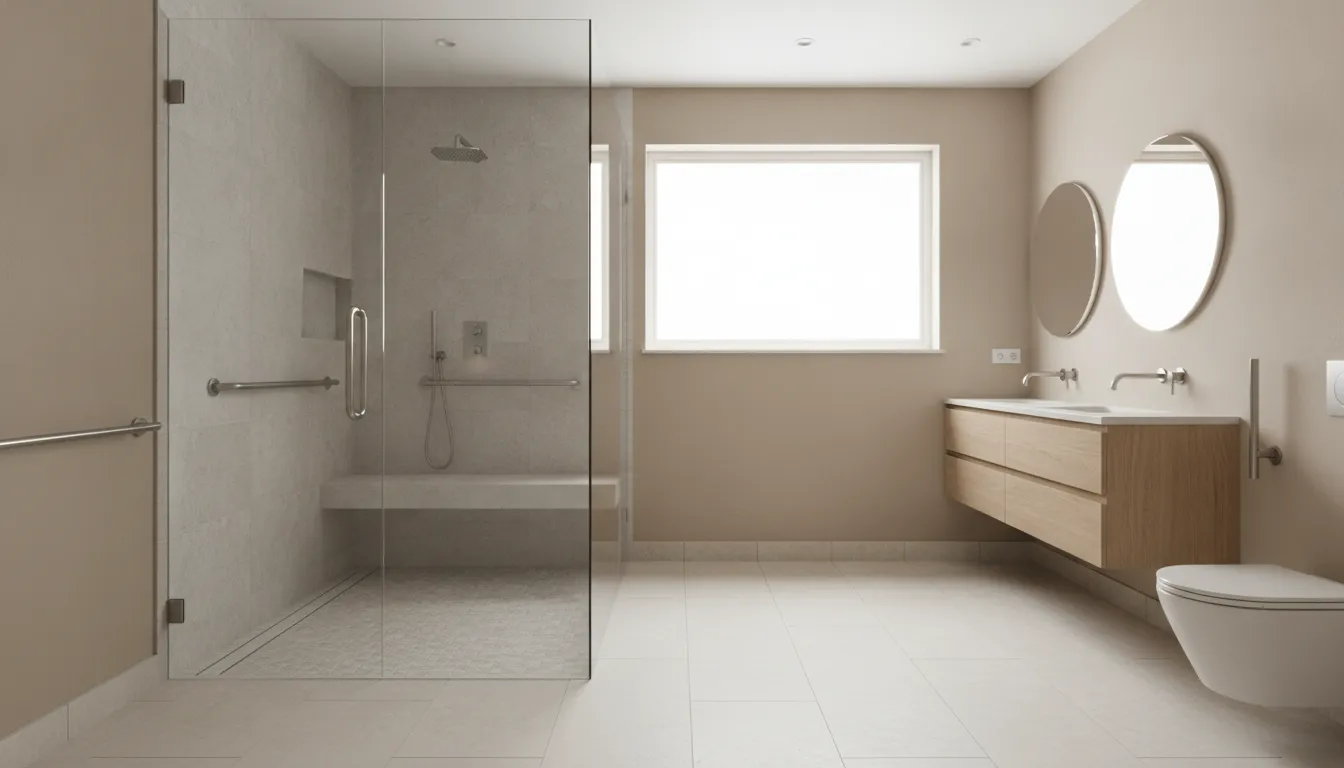
Most standard bathrooms are tight. For true safety, the layout should allow for a five-foot turning radius. This helps people who use walkers or wheelchairs. This open area prevents you from feeling stuck. It also makes the room feel like a spa rather than a tight utility zone.
Falls are the leading cause of nonfatal bathroom injuries for adults in the U.S. per the CDC. Keeping the center of the room clear reduces the chance of tripping. It also allows a caregiver to help you without crowding the space.
Doorways and entry points
Widening your bathroom door is a simple move with a big impact. A wider door helps you enter and exit with ease. In San Diego homes, we often find that a 32-inch or 36-inch opening is best. Sliding doors are a great choice because they do not take up floor space when they open.
Your home layout can be flexible to fit your needs. Choosing the right entry point is the first step for a walk-in shower accessibility benefits plan. This setup removes high tub walls. It makes the entire room safer for you to use every day.
Smart fixture placement
Where you put the sink, toilet, and shower matters. Accessible sinks should have knee clearance under them. This lets a seated person get close to the basin. It makes daily tasks like brushing teeth much easier. Mirrors should also be at a height that works for both sitting and standing.
You should also plan for a comfort-height toilet. Leave enough room for grab bars near it. These bars must be set into wall studs for full support. Placing fixtures with care helps keep the center of the room open. This smart use of space is a key part of fall prevention in the home.
Why choose a zero-threshold shower?
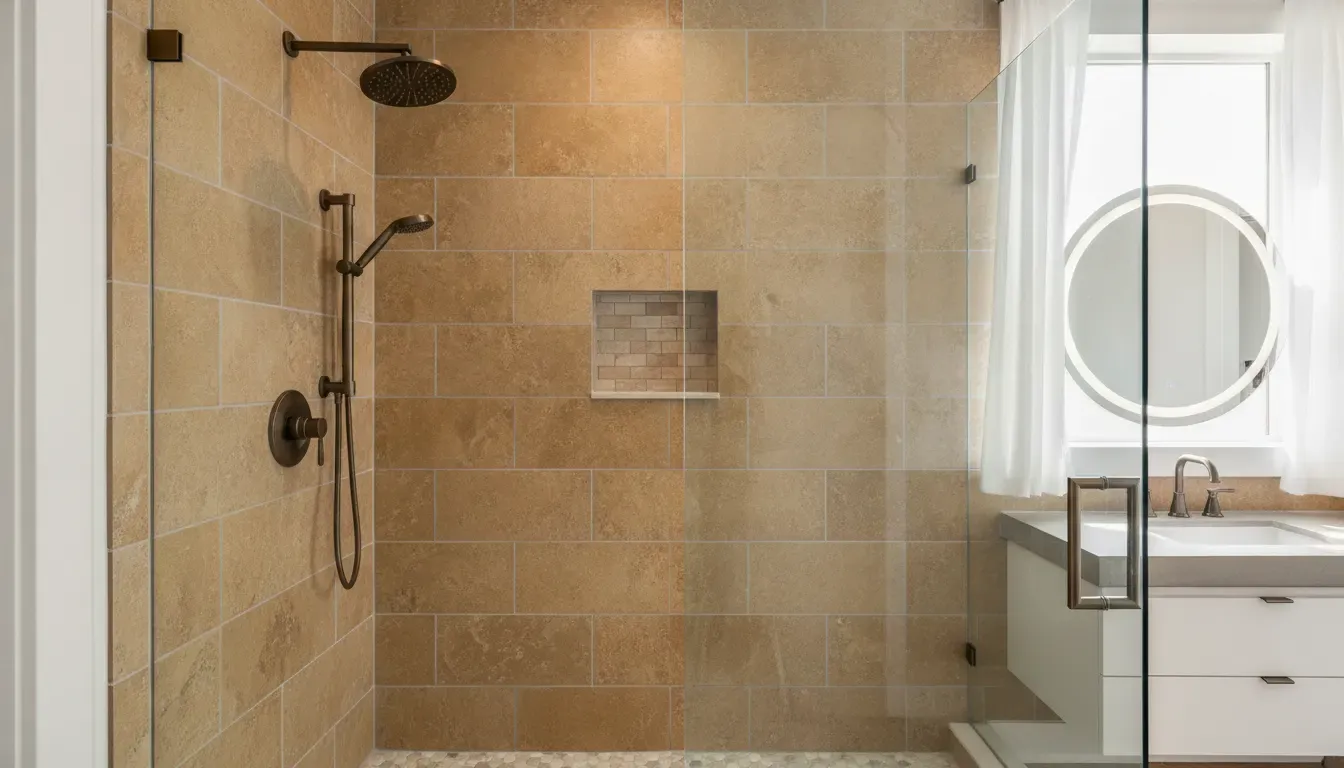
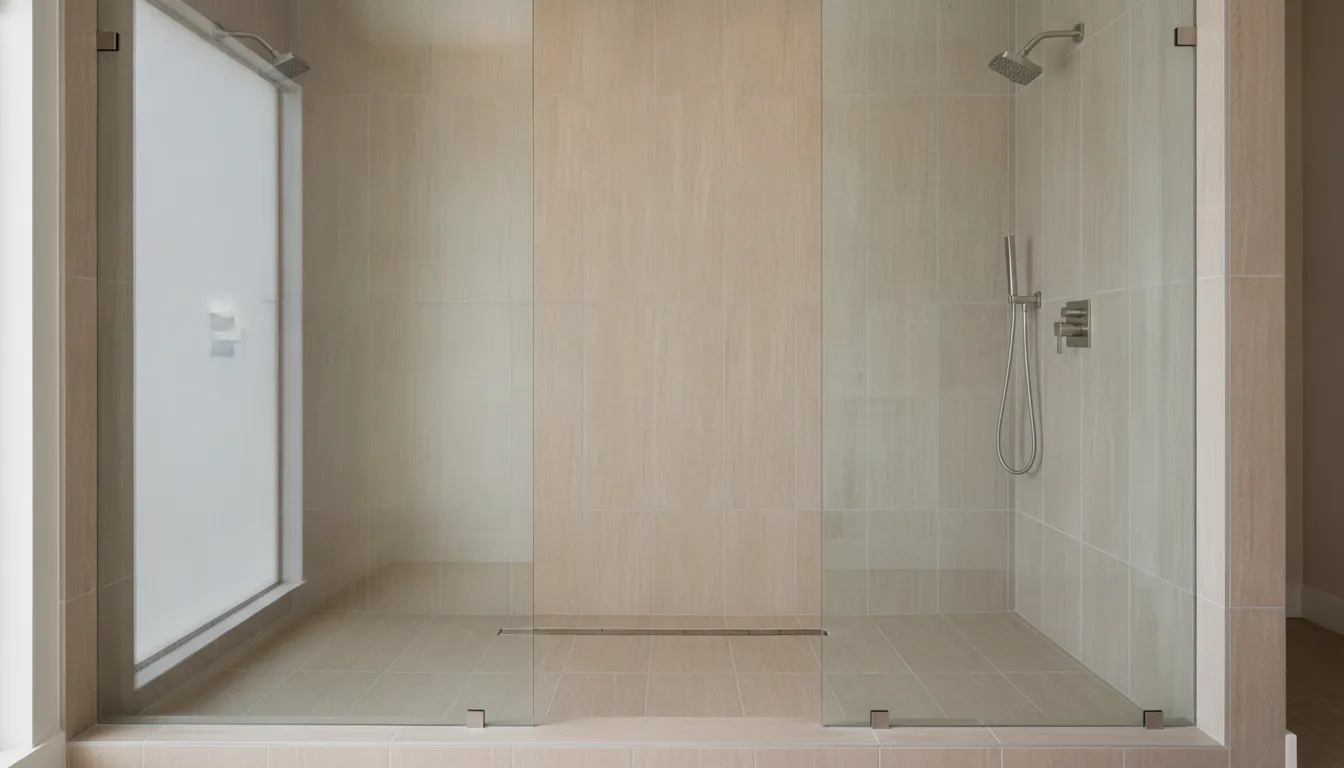
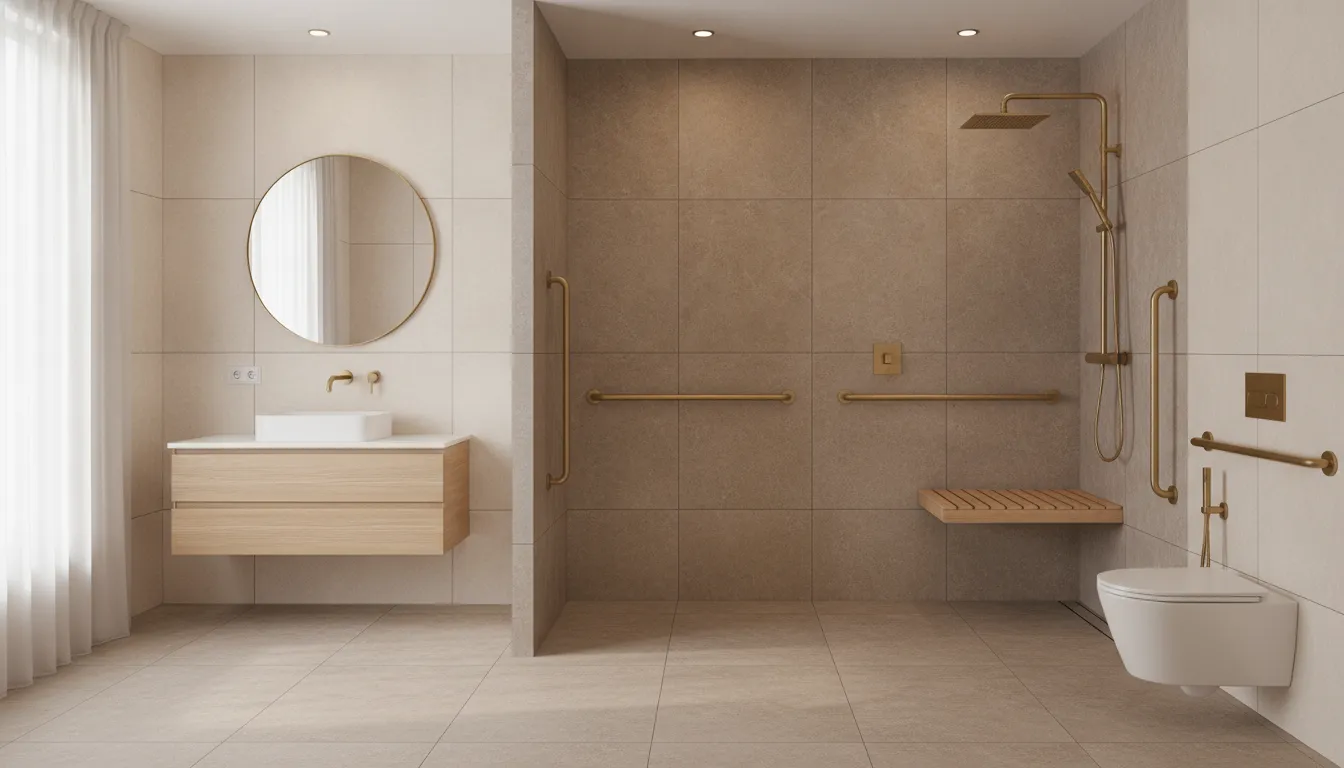
A zero-threshold shower is a top part of accessible bathroom design. It offers many walk-in shower accessibility benefits. These showers do not have a curb or lip at the entry. This design makes the floor flat from the bathroom into the shower. It is a key part of bathroom design for accessibility in modern homes.
Removing the trip hazard
Most bathroom falls happen when people step in or out of a tub. Standard tubs have high walls that are hard to cross. Even a low curb in a shower can cause a trip. A zero-threshold shower removes this risk. It allows a person to walk or roll a chair right in.
Falls are the top cause of non-fatal bathroom injuries for people over age 15. The CDC reports that falls cause over 80% of these injuries. By making the floor level, you create a much safer space. This change is vital for those who want to stay in their own homes as they age.
Safety and comfort features
A safe shower needs more than just a flat floor. A built-in seat or bench is a great addition. It gives you a place to rest if you feel tired or unsteady. We suggest using rounded benches to avoid sharp corners. This lowers the chance of a bump or bruise while you bathe.
Handheld showerheads also help to make the space easier to use. They allow you to wash while you sit. This gives you more control and keeps you steady. Grab bars are another must for support. We install these bars into the wall studs so they can hold your weight. This gives you a firm grip and helps you stay balanced.
Planned design and care
A good shower setup needs to handle water well. Since there is no curb, the floor must slope toward the drain. This keeps water from pooling on the bathroom floor. We also use slip-resistant tiles or coatings. These surfaces provide better grip for your feet even when the floor is wet.
Proper air flow is also a must for a safe room. Good fans help to stop moisture from building up. This keeps the floor from getting slick over time. At King Remodeling, we handle the design and the build in one place. This makes sure every part of your new shower works together for your safety and ease of use. Our team in San Diego helps you choose the best tiles and layout for your needs. This one-stop shop model saves you time and reduces stress during your project.
Where should grab bars go in an accessible bathroom?
Planning for grab bars is a key part of any accessible bathroom remodeling ideas. These bars give the support needed to stay steady on wet or slick floors. Most falls in the home happen in the bathroom while people use the tub or shower. Because of this, putting bars in the right spots can help stop many bathroom injuries caused by falls. A good plan keeps support within reach when you need it most.
Safe shower and tub spots
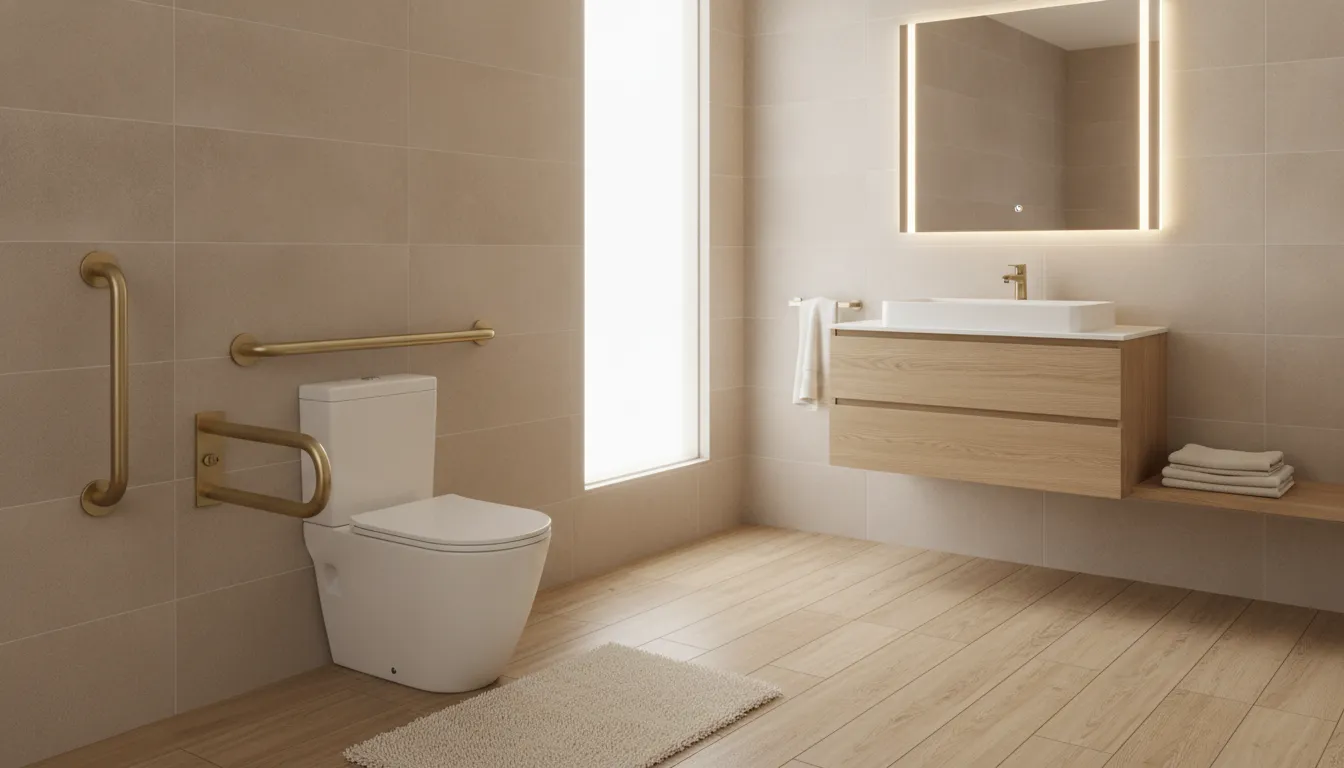
In the shower, you should place bars where they help with entering and moving. A vertical bar near the entry helps you step over a curb or into the stall safely. Once inside, horizontal bars on the back and side walls give you a place to hold while you wash. If you have a seat, a bar should be nearby to help you sit and stand. It is vital to mount these grab bars into wall studs so they can hold your full weight.
Support near the toilet
Getting on and off the toilet can be hard for those with balance issues. Placing bars on the walls next to and behind the toilet can make this much easier. A horizontal bar on the side wall helps you lower yourself and push back up. These bars should be at a height that feels natural for you to grip. Some people try to use towel bars for this, but towel bars are not strong enough. They can snap under weight. Real grab bars are built to handle the force needed for safe moves.
Planning for the future
If you do a full remodel now, it is smart to add wood blocking behind the walls. This means putting extra wood in the wall frame where bars might go later. Once walls have tile or stone, finding the studs can be hard. Having this wood in place makes it easy to add bars at any time. Modern bars come in many finishes like gold or black. They can look like a stylish part of your Bathroom Remodeling Services plan rather than a medical tool.
Choose the right toilet, vanity, and fixtures
The right fixtures can help you stay safe and independent at home. Falls are the main cause of bathroom injuries. Most happen when people try to sit or stand. Choosing items built for bathroom design for accessibility can lower these risks. High-quality fixtures also add a spa-like feel to your home while keeping it useful for years.
Safe and comfortable toilet options
A standard toilet can be hard to use for people with knee or back pain. Comfort-height toilets are taller than standard models. This makes them easier to sit on and stand up from. These toilets usually have a rim height of 17 to 19 inches from the floor. This small change helps seniors and those with limited mobility stay safe during daily use.
For even more help, you can add high-contrast features like a colored seat. This helps people with low vision find the seat easily. Proper toilet choice is a key part of accessible bathroom design and helps prevent falls. It makes the space more useful for everyone in the house without making it look like a clinic.
Accessible vanities and sinks
A vanity should offer both storage and easy access. Accessible sinks should have knee space underneath to allow wheelchair users to get close to the basin. Floating vanities are a great choice because they leave the floor open. This makes it easier for people using walkers or chairs to move around the room. It also gives the bathroom a modern, open look that fits many styles.
When you set up a vanity, think about the height of the mirror too. Mirrors should be set so both standing and seated people can use them. This keeps the space fair for all users. Working with an expert can help you find the best local bathroom remodeling examples and vanity layouts for your needs.
Easy-to-use faucets and hardware
Hardware should be easy to grip and turn. Lever-style faucets are much easier to use than round knobs. They work well for people with arthritis or weak grip strength. You can push them with a palm or wrist. Touchless faucets are even better since they start with a simple motion. This prevents strain and keeps the bathroom cleaner over time.
| Fixture Type | Best Choice | Key Benefit | User Need |
|---|---|---|---|
| Toilet | Comfort Height | Easier to sit and stand | Knee or back pain |
| Vanity | Wall-Mounted | Open space underneath | Wheelchair or walker |
| Faucet | Lever or Touchless | Low force needed to use | Arthritis or weak grip |
| Mirror | Lowered or Tilted | Good view for all | Seated or short users |
Small changes to fixtures can make a big change in safety. Most bathroom injuries come from falls, so every choice matters. By using fixtures that meet health and safety standards, you can create a space that is both safe and stylish. Good design means you don’t have to choose between a beautiful room and a safe one.
Safety details that make daily routines easier
Creating a safe space does not mean it has to look like a clinic. Good accessible bathroom design blends style with safety to help you stay in your home longer. Small changes to how you use the room can stop accidents before they happen. This is vital because most bathroom injuries come from falls.
The Centers for Disease Control and Prevention says falls cause over 80 percent of non-fatal bathroom injuries. By focusing on smart details, you can make your daily routine much safer. These choices also keep your bathroom looking great while serving your needs as they change.
Smart lighting and color choices
Bright light is one of the best ways to stop falls. Shadows can hide wet spots or small rugs that might trip you. We suggest adding LED lights in the shower and under the vanity. These help you see clearly at any time of day or night. Motion sensors are also a great choice so the lights turn on as soon as you walk in.
Color contrast is another helpful tool for people with low vision. Using a dark toilet seat on a light toilet or colored grab bars against white tile makes items easier to find. These high-contrast features help you move through the space without guessing where things are. It is a simple way to add safety without losing a modern look.
Safer floors and reachable storage
Wet floors are the biggest risk in any bathroom. Choosing slip-resistant tile helps keep your feet firm as you move. You can also use non-slip treatments on your current tub or shower floor to get a better grip. For a truly safe space, walk-in shower accessibility benefits include removing the high tub wall that often leads to trips.
Storage should also be within easy reach. You should not have to stretch or climb to get your towels or soap. Pull-out shelves and wall niches in the shower keep your items at waist height. This keeps you stable and stops you from losing your balance while reaching for things. Removing clutter on the floor also clears the path for walkers or wheelchairs.
- Install slip-resistant flooring with a high friction rating.
- Place items you use often in drawers between waist and chest height.
- Use curbless entries to remove tripping hazards at the shower door.
Easy handles and air quality
Small details like faucet handles make a big difference for those with limited grip strength. Lever-style handles are much easier to turn than round knobs. You can push them with your wrist or the back of your hand if your fingers hurt. These small shifts in bathroom design for accessibility make the room more useful for everyone.
Air flow also plays a role in safety. A strong fan pulls steam out of the room quickly. This stops moisture from building up on the floor and walls, which keeps surfaces from getting slick. Good air flow also keeps the room fresh and prevents mold.
When you plan your remodel, we make sure your fan is quiet but strong enough for the size of your space. This keeps your bathroom dry and safe for years to come. Our team handles every detail to make sure your project is a success.
How do you plan an aging-in-place bathroom remodel?
Planning a safe and comfy bathroom needs a clear look at your needs now and in the future. A well-built room helps you stay in your home longer by making daily tasks safer. The goal is to create a bathroom design for accessibility that feels like a spa. It should also give you the support you need.
Most hurts in the home happen in the bathroom. About 81% of those are from falls, as stated by the CDC. Planning ahead helps you avoid these risks before they become a big problem.
Assessing your current space
The first step is to look at your current bathroom layout. You need to find any spots that might cause a trip or fall. Check the floor for loose tiles or high curbs that are hard to step over.
If your room is small, you might need to change the floor plan. This makes it easier to move around. A good bathroom remodel starts with finding these pain points early. This helps you decide where to put your money for the best results.
You should also think about who will use the space. Some people need extra room for a walker or a chair. Making simple changes can help you stay on your own and keep your freedom.
This might include adding more light or fixing slick floors. Think about your daily routine. Note where you feel less sure on your feet. These areas are the ones you should fix first during your project.
Designing for easy access
Once you know the problems, you can start the design phase. Focus on how you move through the room. A wide doorway is key for anyone using a walker.
You should also look at the shower area. This is where many falls take place. Removing the tub and adding a walk-in shower makes a big change in safety. Many people find that walk-in shower accessibility benefits them by removing high walls.
Water control is also a big part of the plan. You want a shower floor that drains well and stays dry to stop slips. A zero-threshold entry is the best choice for a smooth move from the main floor to the shower.
This design takes away the curb. That is great for safety. It also gives the room a modern look. It feels more like a nice hotel than a plain room. This helps keep the home feel like a home while staying safe.
Choosing the right fixtures
The final part of planning is picking your fixtures. Look for items that are easy to use even if your hands are weak. Lever-style handles on sinks and doors are much better than round knobs.
You should also pick a tall toilet. This is easier to sit on and stand up from. These small choices add up to a much safer room. Adding a shower seat and a handheld showerhead can also make bathing more safe and easy.
- Find the users and pain points. Talk to everyone who uses the room to see what is hard for them to do now.
- Check the current layout. Measure the space to see if you have room for a five-foot turn for a chair.
- Focus on the floor and water. Choose tiles that are not slick and plan for a shower with no curb to stop trips.
- Pick the best fixtures. Select lever handles, tall toilets, and grab bars that match your style.
- Add wall support. Make sure your builder adds extra wood behind the walls to hold grab bars firmly.
- Double-check all the details. Review the plan one last time to ensure every part of the room is easy to reach.
By following these steps, you can create a space that is both safe and stylish. Taking the time to plan now means you won’t have to worry about your bathroom later. A good plan ensures that your home stays a place where you can live with peace of mind. You can enjoy your home for many years to come.
Does a home bathroom need to be ADA compliant?
Most home bathrooms do not have a legal need to meet the Americans with Disabilities Act (ADA) rules. These standards mostly apply to public spaces and business buildings. However, the ADA provides a great guide for anyone who wants a safer home. Using these ideas is often called universal design or accessible bathroom design. If you plan to stay in your home as you get older, these rules can help you plan a space that works for you.
ADA rules vs. home design
The ADA standards set clear goals for how to build a space that everyone can use. In your own home, you have more choice in how you build. You might not need a 60-inch turning circle for a wheelchair right now. But adding a walk-in shower or wider doors can make your daily life much easier and safer. You can learn more about walk-in shower accessibility benefits when planning your layout.
Many people who own homes follow ADA rules to add value. A bathroom that anyone can use is a big plus for buyers. It also makes your home ready for guests of all needs. You can pick parts that fit your budget and your style. You do not have to follow every rule to get the benefits of a smart, safe layout.
Universal design for aging in place
Good design is about more than just rules. It is about making sure you can stay in your home for a long time. Falls are the top cause of bathroom injuries for adults as they get older. Based on data from the CDC, over 80 percent of bathroom injuries are caused by falls. This is why accessible bathroom design is so key for aging in place. It helps you stay safe and keep your freedom in your own home.
You can start with simple changes that make a big difference. Adding grab bars near the toilet and in the shower gives you steady support. Non-slip tiles or mats can stop a fall before it starts. Good lighting is another easy way to make the room safer. These small steps are a core part of stopping falls at home.
- Install comfort-height toilets for easier use.
- Use lever-style handles on faucets and doors.
- Choose non-slip flooring to reduce the risk of a fall.
- Add bright, glare-free lights to help with vision.
Why local codes matter
While the ADA may not be a law for your home, local building codes still matter. Every city has its own set of rules for pipes, wiring, and layout. When you start to remodel, your project must meet these local codes to pass a final check. A pro team can help you work with these rules while still getting the bathroom design for accessibility you want.
Remodeling experts can look at your space and tell you what works for your needs. They will also make sure the work is safe and built to last. A well-planned bathroom gives you peace of mind for years. It lets you focus on enjoying your home without worry.
Frequently Asked Questions
What height should a comfort-height toilet be?
A comfort-height toilet usually has a rim height between 17 and 19 inches from the floor. This is taller than standard toilets, which often sit about 15 inches high. The extra height makes it much easier to sit down and stand up. This helps people who have knee or back pain. These toilets make the room safe and help users stay safe on their own.
What are the benefits of a zero-threshold shower?
A zero-threshold shower has no lip or edge at the entry. This design stops tripping and lets a wheelchair roll right into the stall. According to the CDC, many bathroom falls happen while people step in or out of the tub. Taking out the curb makes the space safer and much easier for everyone to use without any help.
How do you place grab bars for bathroom safety?
You should put grab bars in areas where people need the most help with balance. The best spots are on the walls next to and behind the toilet. You should also put them inside the shower or tub area. It is very important to mount these bars into wall studs so they stay strong. When put in the right place, these bars give users more balance and help stop slips.
How wide should bathroom doors be for a wheelchair?
For a bathroom to be easy to use, doors should be at least 32 to 36 inches wide. This width gives enough room for a wheelchair or walker to pass through without hitting the wall. Wide doors also make it easier for people to move in and out of the room. If your door is too narrow, a pro can widen it to make your home much safer for everyone.
Ready to make your San Diego bathroom safer and more accessible?
Waiting to update your home can lead to slips or falls that hurt your health and your own freedom to live well and live safely. It is much better to plan for the future now before a small trip becomes a big problem that forces a very fast project. By starting your project today, you can take the time to choose the best style and parts that fit your home and your daily life.
Ready to request a bathroom remodeling consultation? You can contact our team online now to request a bathroom remodeling consultation. We will help you start the plan for your new safe home in San Diego.