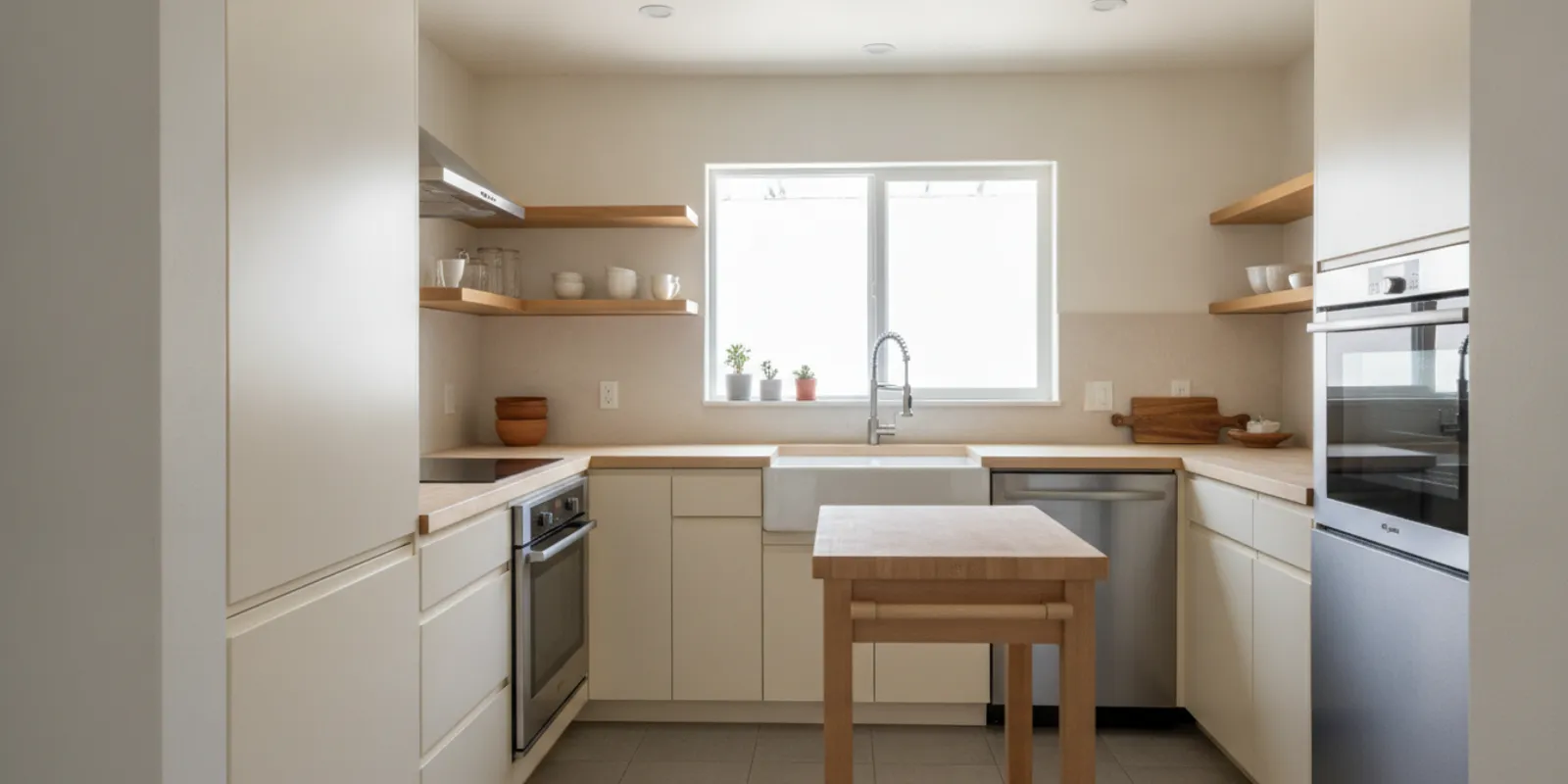
Two San Diego kitchens with the same footprint can carry budgets more than $100,000 apart. The difference usually starts with what stays, what moves, and the finish level a homeowner chooses.
Kitchen remodel cost San Diego estimates commonly fall into three project tiers, but these tiers reflect far more than room size alone for early budgeting. All figures in this guide are in U.S. dollars (USD). Minor updates often run from $15,000 to $30,000, while midrange work typically spans $30,000 to $70,000, depending on materials and exact scope. Major renovations with higher-quality finishes can range from $70,000 to $150,000, especially when the layout, plumbing, or electrical systems must move. Cabinet type, material quality, appliance choices, labor, permits, and changes to plumbing, electrical systems, or walls all shape the final price. A published San Diego cost guide confirms these broad ranges, but homeowners need a defined design, detailed bids, and contingency funds to build a dependable budget.
The number that matters is the one tied to your kitchen’s scope, selections, and existing conditions. The next section, “Kitchen remodel cost San Diego: typical project ranges,” shows what homeowners can expect at each level before planning the details. Here is how.
Kitchen remodel cost San Diego: typical project ranges
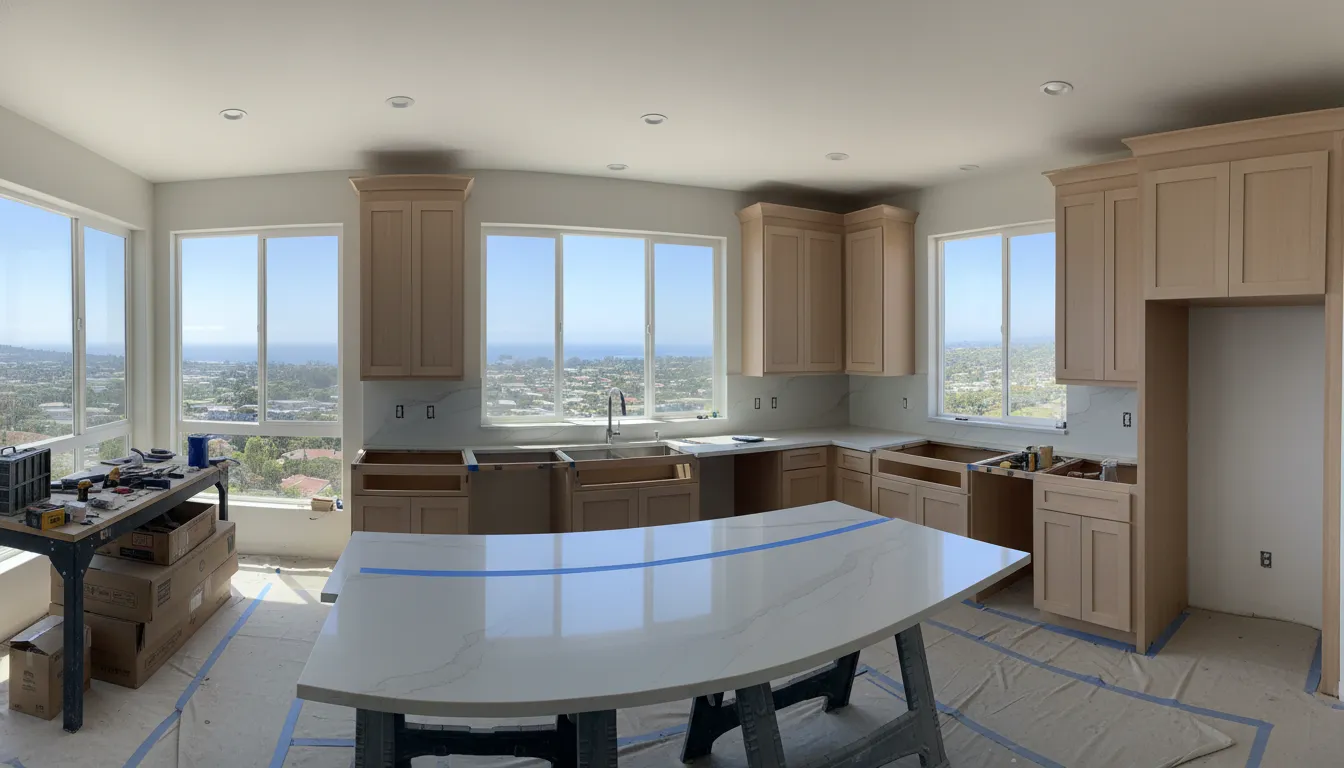
Kitchen remodel cost in San Diego is best viewed as a range, not one flat price. Published local estimates place minor projects around $15,000 to $30,000 and midrange work around $30,000 to $70,000. Major remodels may range from $70,000 to $150,000. These are broad planning figures from a local industry cost guide, not quotes from King Remodeling.
The final quote depends on the room, the work required, and the finishes selected. Keeping the same layout usually costs less than moving plumbing, gas, walls, or electrical service. Cabinet type, counter material, appliance package, and site conditions can also shift the total.
Project levels at a glance
| Project level. | Typical scope. | Budget considerations. |
|---|---|---|
| Minor: about $15,000-$30,000. | Cosmetic updates, cabinet refacing, new hardware, paint, or select fixture changes. | Best fit when the layout and major systems stay in place. |
| Midrange: about $30,000-$70,000. | New cabinets, counters, flooring, lighting, and appliances with limited layout work. | Finish choices and cabinet configuration have a large effect on the total. |
| Major: about $70,000-$150,000. | Full renovation, layout changes, custom cabinets, premium finishes, or structural work. | Engineering, permits, system upgrades, and complex site work can add cost. |
A small room is not always a minor project. A compact kitchen with custom cabinets and moved plumbing may cost more than a larger room with simple updates. Homeowners comparing a common footprint can review the standard 10×10 kitchen remodel price for a more focused planning view.
What changes the range?
Scope has the strongest effect because it sets the amount of demolition, labor, and trade work. Finish selections then shape material costs within that scope. Site access, existing damage, older wiring, and changes found after demolition may also affect the plan.
Safety needs can affect scope in older San Diego homes. The EPA says paid renovation workers who disturb painted surfaces in pre-1978 homes must follow lead-safe work practices. A thorough quote should account for known site conditions before construction starts.
How to compare quotes
Compare the included work, materials, and allowances before comparing totals. One proposal may include cabinets, counters, fixtures, design, and project management. Another may leave key purchases to the homeowner, which can make its first total look lower.
Ask whether each quote covers demolition, disposal, permits, trade work, and final finish work. Also check whether allowances match the products you expect to choose. Clear selections make it easier to compare proposals and reduce budget surprises later.
What drives the price of a San Diego kitchen remodel?
The kitchen remodel cost in San Diego depends less on one headline price and more on the choices behind the plan. Two kitchens with the same footprint can have different budgets when their layouts, storage needs, and finish levels differ. A clear scope lets each cost driver be priced before demolition begins.
Cabinetry, counters, and appliances
Cabinetry often shapes both the budget and the room’s function. Stock cabinets keep the design simple, while custom cabinets add labor, special sizing, and more finish choices. The number of drawers, pullouts, tall pantry units, and finished side panels also affects the final cabinet price.
Counter cost changes with the selected material, total surface area, edge detail, and number of cutouts. A large island may require more material and added support. Appliances range from basic packages to built-in models that need custom panels, dedicated power, or special ventilation. Our kitchen remodeling services in San Diego bring these connected choices into one design plan.
Labor, layout, and permits
Keeping the sink, range, and refrigerator in place usually limits the amount of trade work. Moving them can require new plumbing, gas, electrical, drainage, or vent routes. Each change adds skilled labor and may require opening walls, floors, or ceilings to reach the needed lines.
Structural changes create another cost layer. Removing a wall may call for engineering, temporary support, framing, and repairs to nearby surfaces. Permit needs and review steps depend on the work included, so they should be checked during planning. A coordinated design-build plan helps reveal these tasks before the contract price is set.
Finish choices and hidden conditions
Flooring, tile, lighting, plumbing fixtures, hardware, and paint can move the budget in small or large steps. Price is not the only factor. Detailed tile patterns, fragile materials, and special-order items can add installation time or delay later work. Comparing selections as a full package helps keep one upgrade from affecting several trades.
Some costs stay hidden until demolition exposes the area behind cabinets and walls. Crews may find water damage, weak framing, old wiring, or pipes that need repair. Older finishes may also need added safety steps. The EPA requires lead-safe work practices for paid renovation work that disturbs painted surfaces in homes built before 1978.
A detailed site review can reduce surprises, but it cannot reveal every concealed condition. The budget should leave room for repairs that are impossible to confirm early. Fixed selections, a clear scope, and prompt decisions also help control costs once construction begins.
Where does the kitchen remodeling budget go?
Build the budget around the scope
A useful budget starts with the work the kitchen needs, not a shopping list of finishes. Separate must-have repairs and layout needs from upgrades that can change without hurting function. This approach makes the kitchen remodel cost in San Diego easier to control as selections take shape.
First, price the full scope through a clear plan and material list. King Remodeling’s kitchen remodeling services in San Diego combine design, material selection, and construction. Keeping those parts aligned helps homeowners see how one choice affects the rest of the project.
The main spending categories
Cabinetry often shapes much of the plan because it affects storage, layout, counters, and installation work. Decide early whether existing cabinet boxes can stay or the room needs new cabinets. Then choose countertops that suit daily use before paying more for a rare color or edge detail.
- Cabinetry and countertops: Prioritize sound construction, useful storage, and surfaces that fit cooking habits.
- Flooring and lighting: Allow for floor prep, task lighting, fixtures, switches, and skilled installation.
- Appliances: Select models before cabinet plans are final so sizes, power, gas, and venting needs are clear.
- Design and labor: Include planning, demolition, trade work, installation, site protection, cleanup, and project oversight.
Flooring and lighting should support the whole room rather than compete with it. A durable floor and well-placed task lights often matter more than decorative upgrades. Appliance choices also affect cabinets, counters, electrical work, plumbing, and ventilation, so late changes can touch several budget lines.
Labor should appear as a clear part of the proposal, even when one contractor manages several trades. Ask what demolition, disposal, delivery, installation, permits, and final cleanup include. For homes built before 1978, also confirm how lead-safe work is handled. The EPA requires trained lead-safe practices when paid workers disturb painted surfaces in these homes.
Priorities and contingency planning
Protect the parts that are hard or costly to change later. Put function, safe trade work, cabinet layout, and core surfaces ahead of decorative fixtures. If the budget tightens, simplify hardware, lighting styles, appliance features, or finish details before cutting work behind walls.
Keep a separate contingency for conditions that cannot be seen before demolition. Possible issues include damaged framing, old wiring, uneven floors, leaks, or needed vent changes. Do not spend that reserve on upgrades at the start. If it remains unused near the end, it can cover a planned add-on.
Review every line item against one question: does it improve function, durability, safety, or daily use? That test helps compare bids and keeps spending tied to clear goals. It also leaves room to make informed tradeoffs without weakening the finished kitchen.
How do you build a realistic remodeling budget?
A realistic kitchen remodel cost San Diego homeowners can manage begins with clear choices, not one price pulled from a guide. Build the budget around how you use the room, what must change, and which choices can wait.
A sound plan separates known costs from allowances and unknown site conditions. It also gives each contractor the same scope, so bids are easier to compare.
Scope and priorities
- Set the spending limit. Choose the most you can spend without relying on uncertain funds. Keep that limit separate from the target price shared with bidders.
- Define the project scope. Note what stays, what moves, and what gets replaced. Layout changes, utility work, cabinets, counters, flooring, lighting, and appliances should all appear on the list.
- Rank each choice. Divide the list into must-haves, preferred upgrades, and optional items. This makes it easier to cut costs without weakening the main goal.
- Price materials before bidding. Visit a showroom and choose realistic cabinet, counter, tile, fixture, and appliance options. If a choice is not final, assign a clear allowance for it.
- Request comparable bids. Give each contractor the same drawings, scope, finish list, and allowances. Ask bidders to separate included work, owner purchases, exclusions, permits, and possible change-order items.
- Add a contingency and decide. Reserve part of the budget for hidden damage or needed upgrades. Then trim optional items until the bid, allowances, and reserve fit the spending limit.
Comparable bids and allowances
Do not compare bids by the bottom line alone. A lower bid may omit demolition, disposal, finish materials, or work needed after walls open. Review every allowance against the products you expect to buy.
Ask how the contractor handles changes and documents added costs. A design-build team offering kitchen remodeling services in San Diego can help align the design, selections, and construction scope before work begins.
Risk checks before approval
Older homes may need safety work that is easy to miss during early planning. For homes built before 1978, paid workers who disturb paint must follow lead-safe work practices. Ask bidders whether testing, containment, cleanup, and related labor are included.
Before signing, confirm the final scope, model numbers, allowances, payment schedule, and exclusions in writing. Keep the contingency outside the contract total until an actual need is found. This protects priority choices while leaving room for site conditions that no visual estimate can confirm.
Which San Diego factors can affect cost and schedule?
A kitchen remodel cost in San Diego reflects more than cabinets, counters, and labor. Local approvals, site access, and existing conditions can all shape the final plan. A full site review helps the project team account for these issues before construction starts.
Permits, inspections, and building rules
Permit needs depend on the work being done and the property involved. Moving walls or changing plumbing, gas, or electrical systems may add design review and inspection steps. Those steps should be mapped into the schedule before demolition begins.
If an inspector requests a correction, later work may need to wait until that correction passes. Clear plans and early trade coordination can reduce avoidable changes. They also help the contractor set a more realistic sequence for each phase.
Condos and homes in HOA communities can have another layer of review. Written rules may cover work hours, elevator reservations, parking, debris removal, and material deliveries. Owners should gather these rules early, since building access can affect labor time and scheduling.
Existing conditions and site access
Older San Diego homes can hold surprises behind walls, floors, and cabinets. Before demolition, the project team should review known issues and discuss safe work plans. The EPA says paid workers disturbing paint in pre-1978 homes must follow lead-safe work practices.
Opening walls may also reveal worn pipes, dated wiring, water damage, or framing that needs repair. These conditions can change the scope after work starts. A careful inspection cannot expose every hidden issue, but it can reduce uncertainty.
Coastal homes may need added attention to moisture, salt exposure, and material durability. These checks are most useful when the property has signs of corrosion or water entry. They help the team choose materials suited to the home’s setting.
Access matters as well. Narrow streets, steep lots, limited parking, stairs, and small elevators can slow deliveries or debris removal. For a condo kitchen, crews may also need to protect shared halls and follow set access windows.
Selections, deliveries, and schedule planning
Material choices can affect both price and timing. Cabinets, specialty tile, stone, fixtures, and appliances may arrive on different schedules. A delayed key item can hold up installation, even when the room is ready.
Before work begins, confirm selections, delivery dates, storage space, and acceptable substitutes. Then tie each order to the construction schedule. This approach gives the team time to respond when an item changes or arrives late.
Homeowners comparing kitchen remodeling services in San Diego should ask how permits, inspections, HOA rules, and deliveries are managed. A coordinated design-build plan brings those moving parts into one schedule. It also makes cost allowances and decision deadlines easier to see.
How should you compare kitchen remodeling estimates?
Compare estimates line by line, not just by the total at the bottom. Each contractor should price the same design, materials, and work limits. Otherwise, a lower bid may simply leave out work that another contractor included.
Match the scope and allowances
Start with a written scope that names each task, from demolition through the final cleanup. It should state who handles design, permits, inspections, material orders, delivery, and installation. Ask each contractor to note anything excluded from the price.
Review every allowance for cabinets, counters, tile, fixtures, hardware, and appliances. An allowance is not a firm material price, so check whether it fits the products you expect. Comparing bids against the same selections gives you a clearer view of the true kitchen remodel cost in San Diego.
- Confirm product brands, model numbers, quantities, and finish levels.
- Check whether labor, tax, delivery, disposal, and permit costs are included.
- Ask how hidden damage, plan changes, and material upgrades affect the price.
A detailed estimate should also explain the change-order process. Ask who must approve added work, how it will be priced, and whether approval is required before work starts. This helps prevent a vague allowance or missing task from becoming a surprise bill.
Verify the team and project plan
Price matters, but the team behind the estimate matters too. Verify the contractor’s active license, insurance, and responsibility for subcontractors. Ask who will manage the site, provide updates, and answer questions during construction.
Then compare each proposed work sequence. A useful plan should show when demolition, rough plumbing, electrical work, inspections, cabinets, counters, and finishes occur. For older homes, confirm that the scope covers safe work practices. The EPA requires trained lead-safe practices when paid workers disturb painted surfaces in homes built before 1978.
Communication details deserve the same care as pricing. Ask how often you will receive updates, how schedule changes are shared, and who tracks material arrivals. An integrated team offering kitchen remodeling services in San Diego may also reduce gaps between design, purchasing, and construction.
Look beyond the lowest bid
A low total can reflect an efficient plan, but it can also signal thin allowances or missing work. Review exclusions, payment timing, warranty terms, and the stated completion process before choosing. Also ask the contractor to explain any large price gap between estimates.
The strongest estimate is clear enough to test before signing. You should know what will be built, what products are included, who handles each step, and how changes affect cost. Choose the proposal that gives you the clearest path from approved design to final walkthrough.
How can you control costs without cutting corners?
Controlling a kitchen remodel cost in San Diego starts with clear choices, not the cheapest finishes. Protect the parts that shape daily use, safety, and long-term value. Then find simpler ways to handle features that matter less.
Keep the layout and rank priorities
Keeping sinks, appliances, and major walls in place can reduce the need for added plumbing, electrical, and structural work. Before design begins, sort every goal into must-have, nice-to-have, and optional groups. This gives the team a clear guide when one choice affects another.
- Must-haves may include better storage, durable counters, safe wiring, and enough task lighting.
- Nice-to-haves may include a larger island, premium hardware, or added display cabinets.
- Optional items may include specialty appliances, custom inserts, or decorative upgrades.
Do not cut work that protects the home or the people in it. For example, the EPA requires paid renovators who disturb painted surfaces in pre-1978 homes to follow lead-safe work practices. Treat safety, permits, and skilled installation as core costs rather than places to save.
Select materials before construction
Choose cabinets, counters, flooring, fixtures, and appliances before demolition. Early selections let the design team check dimensions, lead times, and total costs together. They also reduce rushed substitutions that may not fit the plan or budget.
Compare materials by how they will be used, not by price alone. A durable mid-range counter may serve a busy household better than a fragile premium surface. Visiting a showroom and design center can make side-by-side choices easier and keep finishes consistent.
Ask for the full installed cost of each choice. A lower-priced item may need added labor, trim, or changes elsewhere. The right comparison includes the product, delivery, preparation, installation, and care needs.
Protect the plan and contingency
Set aside contingency funds for hidden conditions, then leave that money untouched unless the team finds a real issue. Do not spend it early on upgrades. If the project reaches later stages without surprises, you can decide whether to keep or use the balance.
Scope creep often begins with small requests made during construction. Each request can affect labor, materials, inspections, and the schedule. Use a written change process that shows the added cost and timing before work starts.
A design-build team can connect design choices with construction needs before the final scope is priced. That makes tradeoffs easier to see and reduces gaps between separate vendors. Review the scope, allowances, exclusions, and change rules when comparing kitchen remodeling services in San Diego.
Check spending at set points, such as after design, before ordering, and before construction. If costs rise, return to the priority list first. Keep the core goals, then simplify an optional finish or feature instead of lowering build quality.
Frequently Asked Questions
What is the average cost of a kitchen remodel in San Diego?
There is no single average because kitchen size, scope, and finish level vary widely. One local guide places minor projects at $15,000 to $30,000 and mid-range projects at $30,000 to $70,000. Major projects range from $70,000 to $150,000. Review the published San Diego cost ranges, then request a detailed estimate for your plans.
What is included in a minor kitchen remodel in San Diego?
A minor remodel usually refreshes finishes while keeping the existing layout and major utility locations. Typical work may include painting, new hardware, cabinet refacing, updated counters, and budget-friendly appliances. A local remodeling cost guide describes simple facelifts with these features at the low end. Replacing cabinets or moving plumbing can shift the project into a higher tier.
How much should I budget for kitchen remodel permitting fees in San Diego?
Permit costs depend on the work being completed, so there is no reliable flat fee for every kitchen remodel. Cosmetic updates may require fewer approvals than projects involving structural, electrical, plumbing, or gas changes. Ask the contractor to identify required permits, fees, and inspections as separate estimate items. Confirm the final requirements with the local permitting authority before construction begins.
Does removing a load-bearing wall increase kitchen remodel costs?
Yes. Removing a load-bearing wall usually adds design, engineering, permit, inspection, demolition, and structural support costs. It may also require rerouting electrical lines, plumbing, ductwork, or gas lines hidden inside the wall. The final increase depends on the home’s structure and the span being opened. Have a qualified professional evaluate the wall before setting the remodel budget or construction schedule.
What percentage of a kitchen remodel budget goes to labor?
Labor varies with project scope, trade requirements, site access, and structural work. As one local benchmark, a San Diego 10×10 kitchen cost breakdown assigns about 30% to 40% of the budget to labor. Treat that range as a planning reference, not a quote. Detailed estimates should separate labor, materials, permits, and allowances.
How long does a kitchen remodel take in San Diego?
The schedule depends on design complexity, permitting, material lead times, inspections, and whether the layout changes. A cosmetic refresh may move faster than a full renovation involving several trades. Ask for a phase-by-phase schedule after the scope and selections are defined, then include time for approvals and unexpected existing conditions.
Can I remodel a San Diego kitchen in phases?
Phasing can work for some finish updates, but separating interconnected cabinet, countertop, plumbing, and electrical work may create added labor and disruption. Discuss the full long-term plan before starting the first phase. A contractor can identify which tasks should happen together and which upgrades can wait without causing expensive rework.
How much contingency should I include in my kitchen remodel budget?
A contingency helps cover hidden conditions and approved scope changes that become clear after construction begins. The right amount depends on the home’s age, known risks, and project complexity. Set the contingency with your contractor before work starts, keep it separate from finish allowances, and use it only through a documented change process.
Ready to Plan Your San Diego Kitchen Remodel?
Delaying your kitchen remodel can prolong layout problems, worn finishes, and budget uncertainty while leaving less time to make careful design decisions. Starting now gives you room to define priorities, compare material options, and set a realistic investment range before your preferred construction window. Early planning also helps your household prepare for the work and keeps each choice focused on the kitchen you want to use every day.
Ready to replace uncertainty with a clear project plan and timeline? Schedule a kitchen remodeling consultation to discuss your goals, priorities, and next steps with King Remodeling. Contact the team today so you can make informed choices, understand the process, and avoid rushing key decisions later.