Bathroom Floor Tile Ideas: Best Materials for 2026
The best bathroom floor tile ideas balance style, safety, moisture resistance, and maintenance. A bathroom floor has to handle wet feet, daily cleaning, temperature changes, and constant traffic, but it also sets the tone for the entire room. The right tile can make a small bath feel brighter, a primary suite feel calmer, or a guest bathroom feel more custom without wasting space.
Planning a bathroom remodel in San Diego? Schedule a bathroom remodeling consultation with King Remodeling to compare tile, layouts, and finishes in one guided design process.
For 2026, homeowners are choosing bathroom floors that feel timeless rather than trendy. Porcelain is still the practical favorite, ceramic remains a budget-friendly option, natural stone brings character, and luxury vinyl tile works well when comfort and cost matter. Patterns like herringbone, hexagon, checkerboard, and large-format layouts are popular because they add personality without making the bathroom harder to live with.
This guide compares the best bathroom tile flooring options, cost ranges, pattern ideas, slip resistance considerations, and design tips to help you choose a floor that looks good and holds up.
What Is the Best Tile for a Bathroom Floor?
The best tile for a bathroom floor is usually porcelain because it is dense, water-resistant, durable, and available in almost every color, size, and texture. Porcelain performs well in wet areas, works with radiant heat, and can mimic stone, concrete, terrazzo, or wood without the maintenance those materials often require.
That said, the best choice depends on your bathroom, budget, and design goals:
- Porcelain tile: Best all-around choice for durability, water resistance, and design flexibility.
- Ceramic tile: Best for budget-conscious bathrooms with moderate use.
- Natural stone tile: Best for a high-end, organic look when you are comfortable with sealing and maintenance.
- Luxury vinyl tile: Best for softer footing, lower cost, and faster installation in the right remodel scope.
- Mosaic tile: Best for shower floors, small bathrooms, and areas where extra grout lines can improve traction.
If you are remodeling the whole room, tile should be chosen alongside the shower, vanity, lighting, storage plan, and waterproof flooring for bathrooms. A floor that looks beautiful in a sample can feel too busy once it sits next to a patterned shower wall or bold vanity. King Remodeling’s San Diego showroom helps homeowners see those combinations together before making final selections.
Porcelain Bathroom Floor Tile Ideas
Porcelain is the leading bathroom floor tile material for 2026 because it gives homeowners the widest range of design options with strong everyday performance. It is fired at a high temperature, which makes it harder and less porous than standard ceramic tile. That matters in bathrooms, where moisture and cleaning products are part of daily life.
Large-format porcelain tile
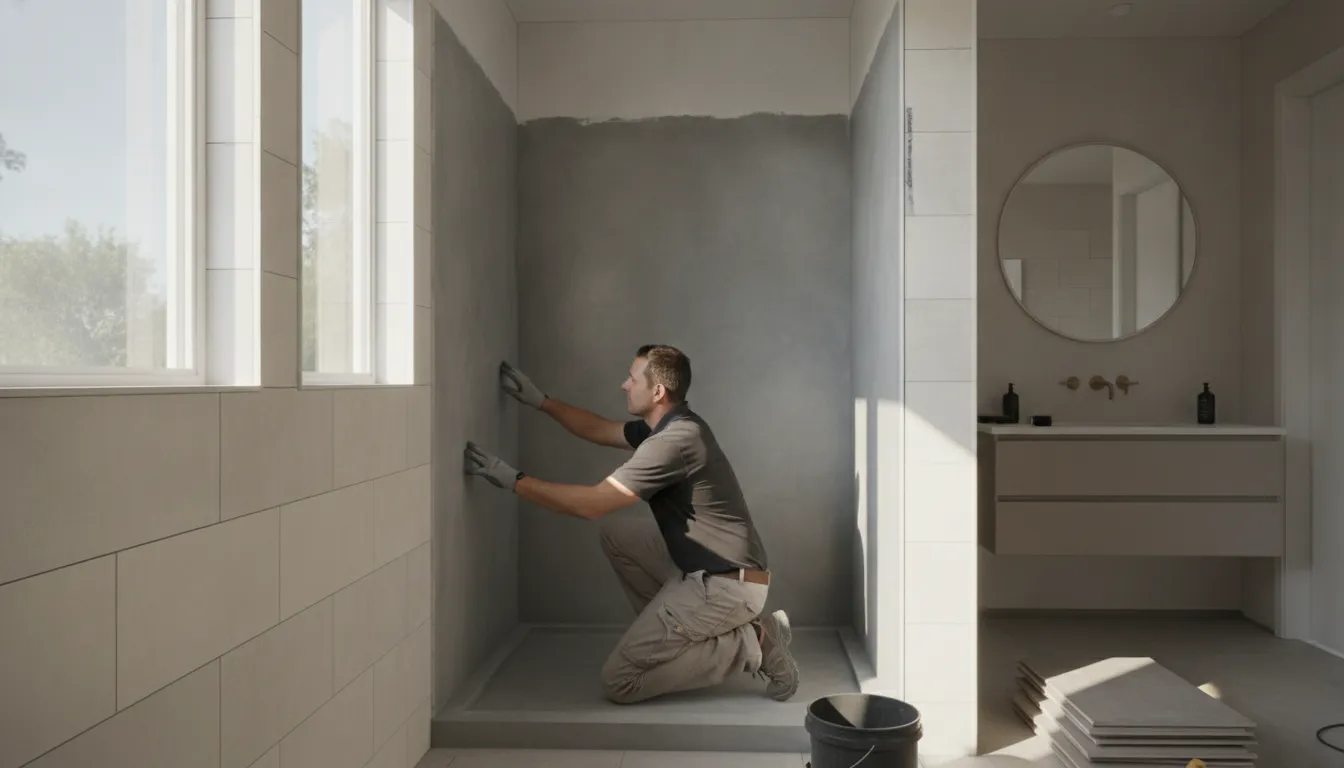
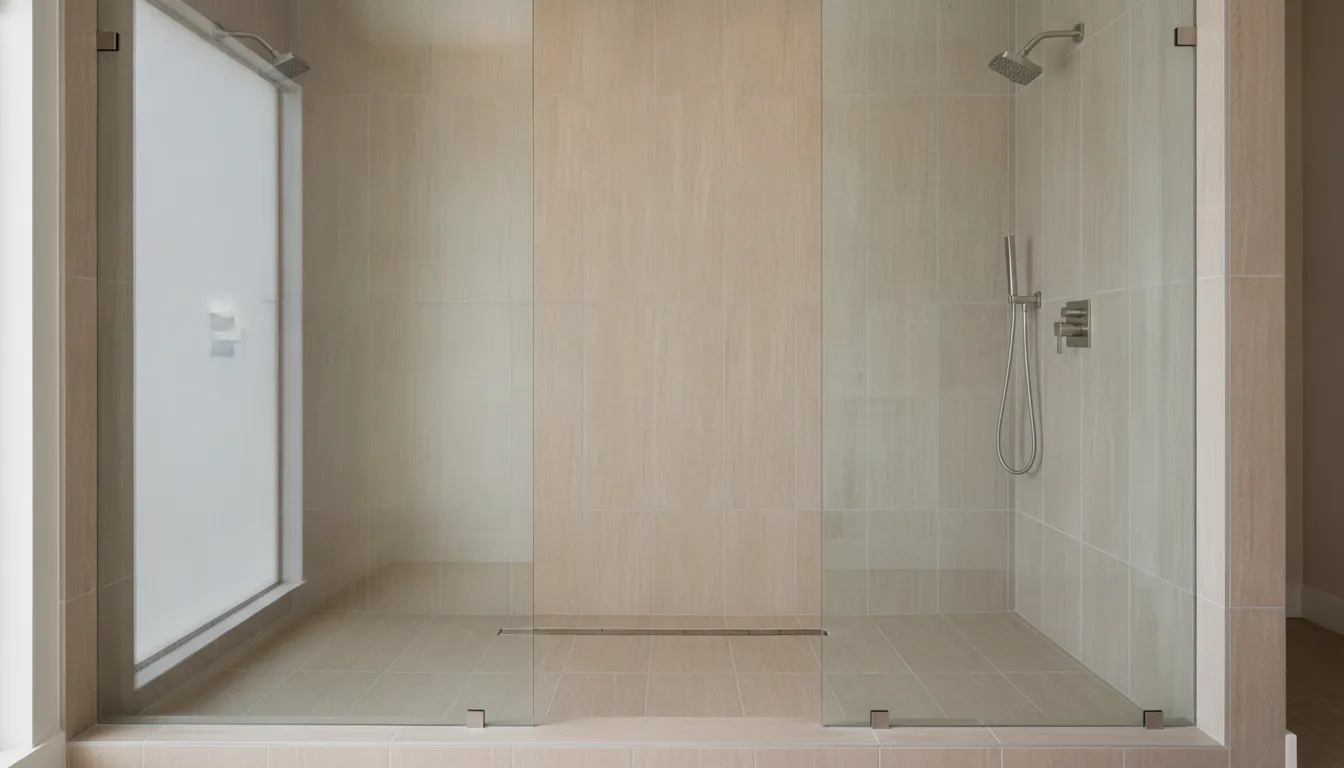
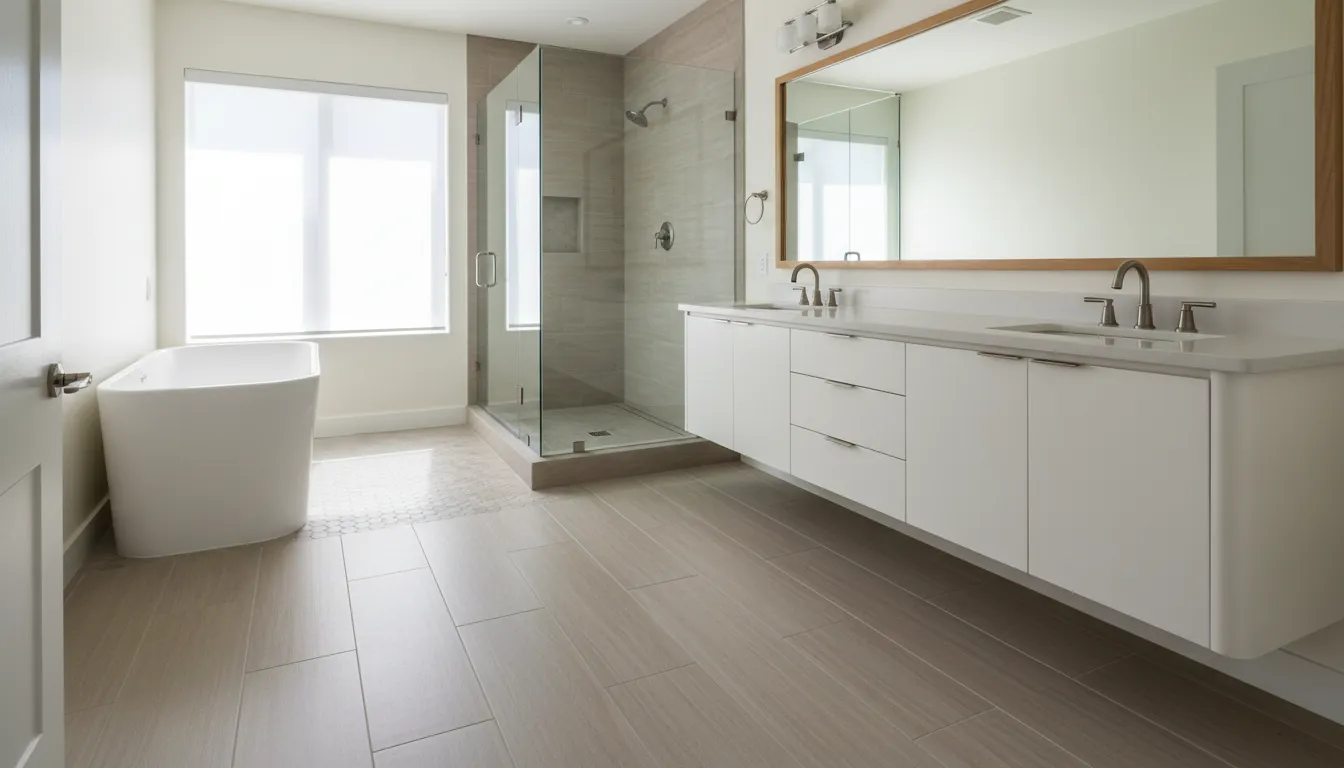
Large-format porcelain tile creates a clean, modern bathroom floor with fewer grout lines. In small bathrooms, fewer grout joints can make the room feel less chopped up. In larger bathrooms, large tiles give the floor a spa-like look that works especially well with floating vanities, curbless showers, and simple glass enclosures.
Popular 2026 choices include warm limestone-look porcelain, soft concrete tones, marble-look porcelain with subtle veining, and matte beige or greige tiles. These finishes give the room texture without overwhelming the design.
Porcelain stone-look tile
Stone-look porcelain is a smart option if you like the feel of travertine, slate, limestone, or marble but want less upkeep. It can bring the same natural movement and color variation while resisting stains and moisture more easily than many natural stones.
Porcelain wood-look tile
Wood-look porcelain tile is useful for homeowners who want warmth on a bathroom floor but do not want real hardwood in a wet space. It works well in coastal, farmhouse, transitional, and modern organic bathrooms. For the most natural effect, choose longer planks, varied grain patterns, and a matte finish.
Expect porcelain tile material and installation costs to vary widely depending on tile size, pattern, subfloor prep, and grout detail. For a broader remodel budget discussion, see King Remodeling’s guide to bathroom tile renovation cost.
Ceramic Bathroom Tile Flooring
Ceramic tile is another classic bathroom flooring option. It is typically more affordable than porcelain and comes in many colors, sizes, and patterns. For powder rooms, guest bathrooms, and smaller spaces, ceramic can deliver a polished look without stretching the material budget.
The tradeoff is that ceramic is usually more porous and slightly less dense than porcelain. It can still work well on bathroom floors, but it is important to choose a floor-rated ceramic tile rather than a wall tile. Wall tile can be too slippery or too fragile underfoot.
Best ceramic tile ideas for 2026
- Classic white or cream squares: A clean look for traditional and vintage-inspired bathrooms.
- Muted color tile: Soft green, blue, clay, and taupe tones add warmth without feeling loud.
- Handmade-look ceramic: Slight surface variation gives character, especially in small baths.
- Checkerboard ceramic: A black-and-white or cream-and-tan checkerboard floor gives a timeless focal point.
Ceramic can be a practical way to save on the floor while investing more in a custom shower, vanity, or countertop. If your bathroom sees heavy daily use, ask your remodeler to compare ceramic and porcelain samples side by side before deciding.
Natural Stone Bathroom Floor Tile
Natural stone bathroom floor tile brings depth and variation that manufactured materials try to imitate. Marble, limestone, slate, travertine, and pebble tile can all create a distinctive bathroom floor. No two pieces are exactly alike, which is part of the appeal.
Stone also requires more planning. Many natural stones need sealing, specific cleaners, and careful installation. Some stones can be more slippery when polished, while others have a textured surface that feels better underfoot. In a wet bathroom, honed, tumbled, or textured finishes are usually better than high-gloss polished stone.
Popular stone looks
- Marble: Elegant and bright, especially in primary bathrooms, but more prone to etching and staining.
- Slate: Dark, textured, and durable, with a grounded modern or rustic feel.
- Travertine: Warm and classic, often used in Mediterranean and traditional San Diego homes.
- Limestone: Soft, natural, and understated, but it needs the right sealing plan.
- Pebble tile: Often used on shower floors for texture and a spa-like look.
Natural stone works best when homeowners understand the maintenance before installation. If you love the look but want an easier routine, stone-look porcelain may be the better long-term fit.
Luxury Vinyl Tile for Bathroom Floors
Luxury vinyl tile, often called LVT, is not ceramic or porcelain, but it belongs in the bathroom flooring conversation. Modern LVT can mimic tile, stone, or wood while feeling warmer and softer underfoot. It can also be more budget-friendly than tile, depending on the product and installation requirements.
The biggest advantage is comfort. LVT is easier on bare feet and can be less slippery than some hard tile surfaces. It may also be a strong option for homeowners who want a fast flooring update as part of a lighter remodel.
The limitation is that LVT does not have the same premium feel or lifespan as a well-installed tile floor. It also needs careful installation around tubs, showers, and transitions to avoid moisture issues. For homeowners comparing options beyond tile, King Remodeling’s flooring services can help match the product to the room, subfloor, and project scope.
Bathroom Floor Tile Patterns That Work in 2026
Pattern is where a bathroom floor can feel personal. The best pattern depends on the size of the room, the tile shape, and how much visual movement already exists on the walls.
Herringbone tile
Herringbone tile adds movement without requiring a bold color. It works beautifully with rectangular porcelain, ceramic, marble-look tile, and wood-look tile. In a narrow bathroom, herringbone can visually widen the room or guide the eye toward the vanity or shower.
Hexagon tile
Hexagon tile is one of the most flexible bathroom floor tile ideas because it works in modern, vintage, and transitional spaces. Small hex tile adds grip through more grout lines. Large hex tile creates a cleaner, more contemporary look.
Checkerboard tile
Checkerboard floors are back, but the 2026 version is softer than the high-contrast diner look. Cream and taupe, warm white and charcoal, or beige and terracotta combinations feel updated while still classic.
Basketweave and mosaic tile
Basketweave, penny round, and small mosaic tile patterns work well in smaller bathrooms or shower floors. They add texture and detail without needing a large footprint. Because mosaics have more grout lines, they can also improve traction when properly installed.
Straight stack and grid layouts
A straight stack layout creates a crisp, architectural look. It pairs especially well with large-format tile and modern vanities. If you want the bathroom to feel calm and ordered, a grid layout may be better than a diagonal or highly patterned design.
Want to see tile patterns in person before choosing? Visit King Remodeling’s Design Center to compare porcelain, ceramic, stone, and flooring samples with a remodeling specialist.
How to Choose Bathroom Floor Tile for Slip Resistance
Slip resistance should be part of every bathroom flooring decision. A beautiful tile is not the right choice if it becomes slick when wet. Texture, grout joints, tile size, and finish all affect how secure the floor feels underfoot.
Use these guidelines when comparing bathroom floor tile:
- Choose matte or textured finishes instead of highly polished tile for wet areas.
- Use smaller tile or mosaics on shower floors because more grout lines can improve traction.
- Ask whether the tile is floor-rated and appropriate for bathroom use.
- Test samples with bare feet when possible, especially if the bathroom will be used by children, older adults, or guests.
- Think about cleaning because heavy texture can improve grip but may require more scrubbing.
There is no single perfect tile for every bathroom. A curbless shower, guest powder room, kids’ bath, and primary suite may each call for a different level of texture and grout coverage.
Bathroom Floor Tile Cost Ranges
Bathroom floor tile costs depend on material, labor, subfloor condition, waterproofing needs, layout complexity, and room size. A simple floor replacement costs less than a full bathroom remodel that includes a shower, plumbing changes, vanity replacement, lighting, and wall tile.
| Material | Typical material cost range | Best for | Maintenance level |
|---|---|---|---|
| Porcelain tile | Moderate to high | Durable everyday bathrooms | Low |
| Ceramic tile | Low to moderate | Budget-friendly bathroom floors | Low to moderate |
| Natural stone tile | Moderate to premium | Custom and luxury bathrooms | Moderate to high |
| Luxury vinyl tile | Low to moderate | Comfort, cost control, faster updates | Low |
| Mosaic tile | Moderate to premium | Shower floors, accents, small bathrooms | Moderate |
As a general rule, larger tiles can reduce grout lines but may require more precise floor leveling. Small mosaics can add traction and detail but involve more grout and more installation time. Complex patterns like herringbone, diagonal layouts, and borders often cost more than a straight lay because they require additional cuts and planning.
For San Diego homeowners, the smartest approach is to set a full bathroom budget first, then decide where tile should carry the design. In some bathrooms, the floor is the feature. In others, a quiet floor lets the shower wall, vanity, or lighting take center stage.
Color and Finish Ideas for Bathroom Tile Flooring
Color has a big effect on how a bathroom floor feels. In 2026, many homeowners are moving away from cold gray and toward warmer neutrals, natural textures, and softer contrast.
Warm neutrals
Beige, sand, taupe, mushroom, and warm gray tiles make a bathroom feel calm and inviting. These colors pair well with white oak vanities, brushed nickel, matte black, champagne bronze, and natural stone counters.
Soft contrast
If you like contrast but do not want a harsh black-and-white floor, try charcoal with cream, terracotta with ivory, or slate blue with warm white. These combinations add depth while staying easy to live with.
Terrazzo looks
Terrazzo-look porcelain is a playful but practical bathroom flooring idea. It brings color flecks, movement, and personality while keeping the maintenance simpler than traditional poured terrazzo.
Matte stone textures
Matte stone-look tile remains popular because it feels relaxed and high-end at the same time. It works especially well in bathrooms designed around natural light, simple cabinetry, and glass shower enclosures.
Small Bathroom Floor Tile Ideas
Small bathrooms need tile choices that support the room instead of crowding it. A small footprint does not mean you have to avoid pattern, but scale matters.
- Use larger tile for a calmer look. Fewer grout lines can make the floor feel more open.
- Choose one feature pattern. If the floor is bold, keep the shower wall or vanity quieter.
- Run rectangular tile lengthwise. This can make a narrow bathroom feel longer.
- Try small hex or penny tile. These patterns add charm and can be useful in compact bathrooms.
- Keep grout color close to the tile. Low-contrast grout makes the floor feel more seamless.
If you are remodeling a small bathroom, tile is only one part of the plan. Layout, storage, lighting, shower glass, and vanity depth all affect how the room feels. King Remodeling’s guide to small bathroom remodel ideas offers additional planning inspiration.
Should Bathroom Floor Tile Match the Shower Tile?
Bathroom floor tile does not have to match the shower tile, but it should coordinate with it. Matching can create a seamless spa-like room, while contrast can define different zones and add visual interest.
Here are a few combinations that work well:
- Same color, different size: Large floor tile with small shower mosaic keeps the palette consistent while improving shower traction.
- Quiet floor, statement shower: A simple porcelain floor balances a bold shower wall pattern.
- Patterned floor, simple shower: A herringbone or checkerboard floor looks best when the shower tile is calmer.
- Stone-look pairing: Use similar tones across floor and wall tile for a soft, natural look.
The goal is not to match every surface. The goal is to make sure each selection belongs to the same design story.
What Bathroom Floor Tile Ideas Add the Most Long-Term Value?
The bathroom floor tile ideas that add the most long-term value are durable, neutral enough to age well, and installed correctly. A high-quality porcelain tile in a timeless color often appeals to the widest range of future buyers. Natural stone can add luxury, but only when the maintenance expectations fit the home. Ceramic can be a good value when the product is floor-rated and the installation is clean.
Long-term value also comes from what you do not see. Proper subfloor preparation, waterproofing, layout planning, grout selection, and transition details all affect the finished result. A beautiful tile installed over a poorly prepared surface can crack, shift, or wear unevenly.
For that reason, bathroom floor tile should be selected with your remodeling team, not in isolation. King Remodeling’s design-build process connects material selection, planning, fixed-bid pricing, and construction so homeowners are not trying to coordinate separate vendors on their own.
Bathroom Floor Tile Planning Checklist
Before you finalize your bathroom tile flooring, review these questions:
- Is the tile rated for floor use?
- Does the finish feel safe when wet?
- Will the color work with the vanity, shower tile, walls, and fixtures?
- Is the pattern appropriate for the room size?
- Does the tile require sealing or special cleaners?
- How will the grout color affect the final look?
- Will the tile height align with nearby flooring transitions?
- Does the selection fit the full remodel budget, not just the material budget?
This is where seeing materials in person makes a real difference. Samples can look different under bathroom lighting than they do online. Texture, sheen, grout color, and scale are easier to judge when you can compare options side by side.
Ready to choose tile with confidence? Contact King Remodeling to plan your bathroom remodel and schedule a showroom visit in Scripps Ranch.
Frequently Asked Questions About Bathroom Floor Tile
What is the most durable tile for a bathroom floor?
Porcelain is generally the most durable tile for a bathroom floor. It is dense, moisture-resistant, and available in many textured finishes that work well in wet areas.
Is porcelain or ceramic better for bathroom floors?
Porcelain is usually better for bathroom floors because it is harder and less porous than ceramic. Ceramic can still be a good choice for lower-traffic bathrooms when the tile is rated for floor use.
What bathroom floor tile is easiest to clean?
Large-format porcelain tile with a low-contrast grout is one of the easiest bathroom floors to clean. Fewer grout lines mean fewer places for dirt and residue to collect.
Are small tiles better for shower floors?
Small tiles and mosaics are often better for shower floors because the extra grout lines can improve traction and help the tile follow the shower slope properly.
What tile colors are popular for bathrooms in 2026?
Warm neutrals, stone-inspired colors, soft checkerboard combinations, terrazzo looks, and muted greens or blues are popular bathroom tile colors for 2026.
Bring Your Bathroom Floor Tile Ideas to Life
The best bathroom floor tile is not just the tile that looks good in a photo. It is the one that fits your daily routine, works with the rest of the bathroom, meets safety needs, and supports your budget. Porcelain, ceramic, natural stone, luxury vinyl tile, and mosaics can all be the right choice when they are matched to the right project.
King Remodeling helps San Diego homeowners make those decisions with design guidance, material selection, and construction under one roof. If you are comparing bathroom floor tile ideas for an upcoming remodel, a showroom visit can help you move from inspiration to a clear plan.
Request a consultation with King Remodeling and start planning a bathroom floor that looks beautiful, feels safe, and lasts.