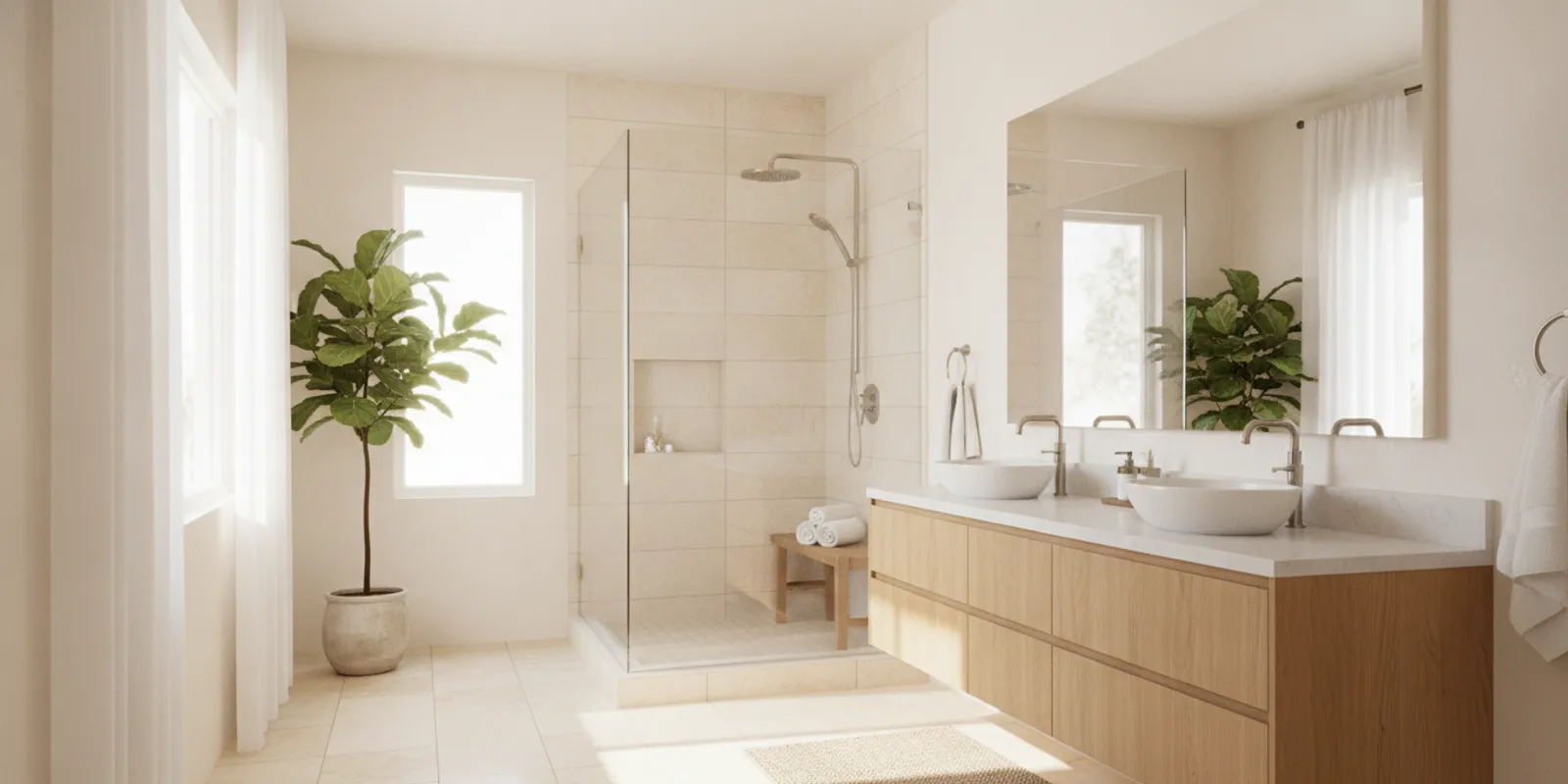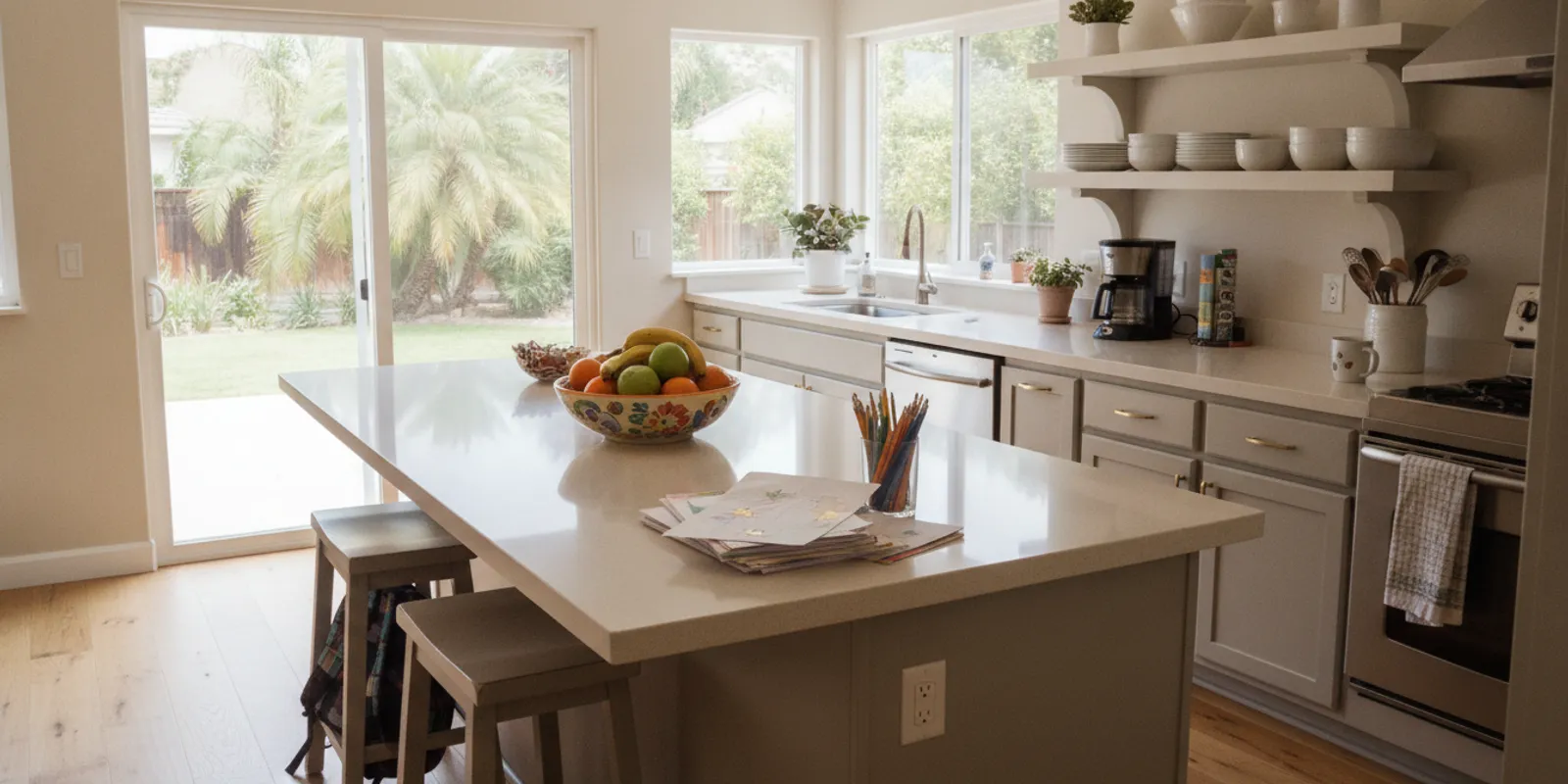
The best kitchen countertops for families need to do more than look good on installation day. They should stand up to rushed breakfasts, homework, meal preparation, spills, cleaning, and the occasional dropped pan while still fitting your design and budget. Quartz, granite, porcelain, and solid-surface materials can all work well, but they solve different household problems. The right choice depends on how your family uses the kitchen, how much maintenance you want, and which compromises you are comfortable making.
What should families look for in a kitchen countertop?
A family kitchen is usually a working space first and a showpiece second. The countertop may serve as a prep area, serving station, desk, snack bar, craft surface, and gathering place in the same day. A material that seems perfect in a quiet display may feel less practical when several people use it at once.
Start by considering these five questions:
- How much daily use will the surface receive? A busy island may need a different priority than a small perimeter counter used mainly for coffee.
- How much maintenance fits your routine? Some surfaces are easy to wipe clean, while others need periodic care or more attention to stains and heat.
- What kind of mess is common in your home? Oil, food coloring, red sauce, juice, and craft materials can all affect how a surface feels over time.
- How important is heat resistance? Families who move hot cookware directly from the range or oven should discuss safe-use habits before choosing a material.
- What look should the kitchen have for years? Countertops are a major visual element, so color, pattern, edge profile, and coordination with cabinets matter.
It also helps to separate durability from convenience. A surface may be very hard but still need care at its seams or edges. Another may be simple to repair but less resistant to heat. Looking at the complete ownership experience is more useful than choosing by one feature.
Which countertop material is the best overall choice for a busy family?
For many families, quartz is a strong starting point because it offers a consistent appearance and a relatively simple cleaning routine. It is available in a wide range of colors and patterns, including designs that resemble natural stone. The surface is nonporous, so routine spills can generally be handled with prompt cleaning and ordinary care.
Quartz is not maintenance-free. It should still be protected from misuse, harsh products, and direct exposure to very hot cookware unless the manufacturer gives different instructions. Seams, corners, and edges also deserve attention during design and installation. A family that wants a low-fuss surface but still appreciates a polished, coordinated look will often find quartz worth comparing first.
That does not make quartz the automatic answer for every kitchen. Granite may be a better fit for a homeowner who values natural variation and wants a surface with a distinct stone character. Porcelain can appeal to families seeking a modern appearance and strong resistance in several everyday situations. Solid surface may be attractive when repairability and integrated details are priorities.
How does quartz perform in a family kitchen?
Quartz is engineered from stone-related materials and resins, which allows manufacturers to produce consistent colors and repeatable patterns. That consistency can simplify design decisions when you want the countertop to coordinate closely with cabinets, flooring, backsplash, or an island.
What families often like about quartz
- Routine cleaning is straightforward when spills are wiped up promptly.
- The broad design range makes it easier to match different cabinet colors and styles.
- There is no need to select a particular natural slab pattern if you prefer a more uniform room.
- The material works well for many contemporary, transitional, and traditional kitchen designs.
What should families remember about quartz?
Quartz should not be treated as indestructible. Sudden or prolonged heat can damage some products, and a heavy impact at an unsupported corner can cause a chip. Ask the fabricator or manufacturer about trivets, cutting boards, cleaning products, and acceptable use before the installation.
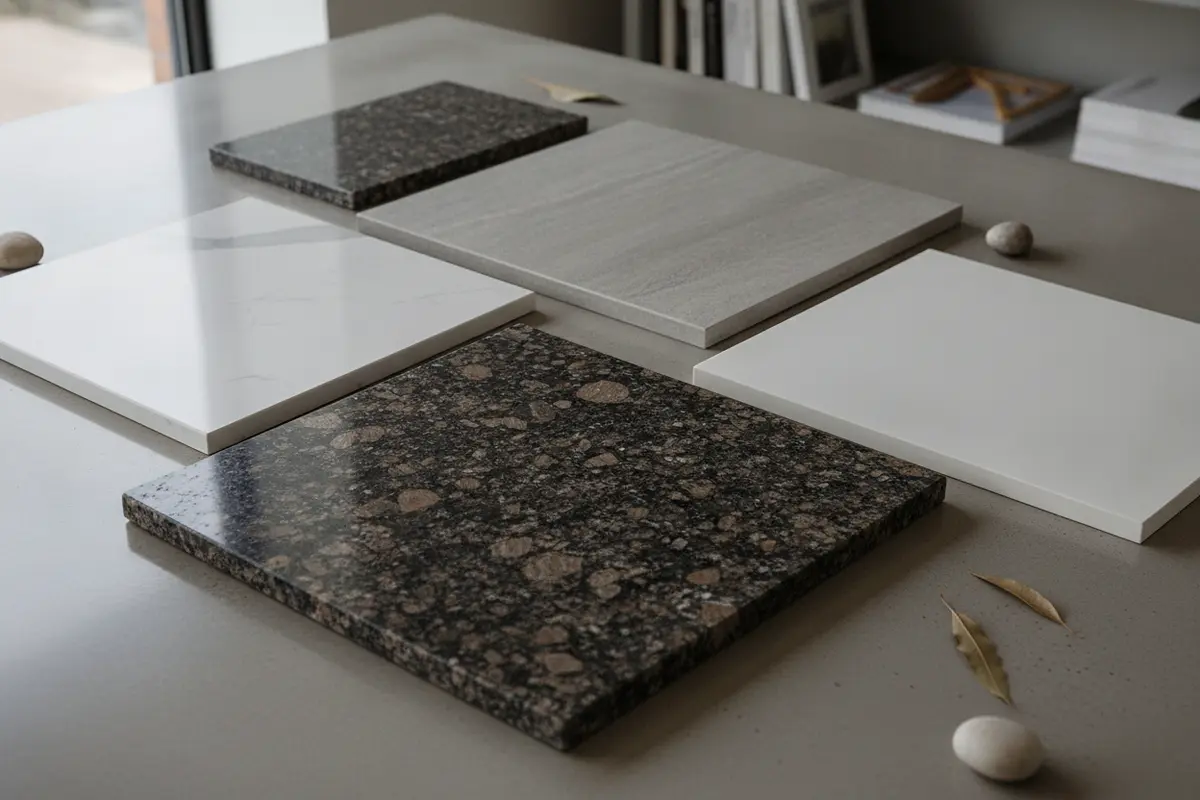
Also consider the visual goal. Some quartz patterns have bold movement, while others are quiet and uniform. Bring cabinet, backsplash, and flooring samples together before choosing. A sample viewed alone under showroom lighting may look different beside your actual finishes and natural light.
For a focused comparison of two popular stone options, review this granite and quartz countertop comparison as part of your research.
Is granite practical for families with heavy kitchen use?
Granite is a natural stone with variation in color, pattern, and movement. That variation is one of its biggest advantages. Each slab can give a kitchen a distinctive appearance, and a carefully selected stone can become the visual anchor of an island or open-plan room.
Granite can be a practical family material, but the specific slab and care plan matter. Natural stone may need sealing according to the product and the recommendations of the installer or manufacturer. Sealing does not mean that every spill can remain on the surface indefinitely. Prompt cleanup is still a sensible habit, especially with strongly colored foods and liquids.
Families should also review the stone in person when possible. A small sample may not show the full pattern of a large slab. The direction of movement, the location of seams, and the placement of sink or cooktop cutouts can all affect the finished result. A showroom visit can help you compare materials at a useful scale. King Remodeling’s San Diego kitchen and bath showroom is one available place to look at selections as you plan.
Could porcelain be one of the best countertops for families?
Porcelain countertops have become a consideration for homeowners who want a clean, contemporary surface with convincing stone or other design effects. Large-format slabs can create a streamlined appearance, and the material can suit kitchens that need a modern focal point.
Porcelain can perform well in a busy room, but installation is especially important. Slab handling, support, cutouts, edge details, and seam placement require careful planning. A material that is durable across its main surface can still be vulnerable at a poorly supported corner or an exposed edge.
Ask questions before choosing porcelain:
- How will the slab be supported across the island or overhang?
- Which edge profiles are suitable for the selected product?
- Where will seams fall in relation to sinks, cooktops, and the main work zones?
- What cleaning products and cookware practices does the manufacturer recommend?
- How will the pattern be aligned across adjoining pieces?
Porcelain may be a strong match for a family that values a crisp look and is prepared to invest in careful fabrication and installation. It should be evaluated as a complete system rather than as a slab alone.
When does solid surface make sense for a family kitchen?
Solid-surface countertops are made from a blend of materials that can be shaped into a smooth, coordinated installation. They are available in many colors and can be used for integrated sinks or visually continuous details, depending on the product and design.
One reason families consider solid surface is repairability. Minor damage may be repairable and refinished by a qualified professional, although the outcome depends on the product, damage, and workmanship. This can be reassuring in a home where the kitchen receives constant use.
Solid surface also has limits. It can be more vulnerable to heat and scratching than some stone alternatives, so trivets and cutting boards remain important. If your family frequently places hot cookware directly on the counter or wants to cut without protection, ask whether the material fits those habits before committing.
The best application may be a kitchen where easy cleaning, integrated details, and a softer visual feel matter more than maximum resistance to every type of impact. A design professional can help compare those priorities with your daily routine.
How should families compare countertop materials?
Instead of asking which material is universally best, compare the surfaces against the tasks your household performs every day. The following overview is a starting point, not a substitute for the care instructions for a particular brand or slab.
| Material | Often suits families who want | Important planning question |
|---|---|---|
| Quartz | Consistent patterns and simple routine cleaning | How should heat, impact, and cleaning products be handled? |
| Granite | Natural variation and a distinctive stone appearance | What sealing and spill-care routine does the selected slab require? |
| Porcelain | A modern slab look and carefully planned large-format installation | How will support, edges, cutouts, and seams be fabricated? |
| Solid surface | Integrated details and potential repairability | Will the household use trivets and cutting boards consistently? |
Costs vary with the selected product, slab availability, edge profile, cutouts, backsplash work, demolition, and installation conditions. For that reason, a single material price rarely tells the full story. Ask for a written scope that explains what is included, how seams and edges will be handled, and whether related work is part of the quote.
What countertop color and pattern work best for family life?
Practical performance is only half of the decision. The countertop occupies a large visual area, and its color can affect how the kitchen feels from morning through evening. Families often benefit from choosing a design that can tolerate the visual noise of daily life rather than one that requires every surface to remain perfectly clear.
Should you choose a light or dark countertop?
Light surfaces can make a kitchen feel open and can coordinate well with darker cabinets or natural wood. Depending on the material and pattern, they may make some crumbs or dark marks more noticeable. Dark surfaces can create contrast and may disguise some food residue, but dust, light crumbs, and water marks can stand out.
Neither choice is automatically easier to live with. Look at the color in your own lighting and consider the backsplash, cabinet hardware, flooring, and amount of daylight. A small sample beside a white cabinet may not predict how the same surface looks beside warm wood or a bold tile.
Do patterns help hide everyday messes?
Moderate movement can make small crumbs and minor marks less prominent than a completely uniform surface. Very dramatic movement may become the main feature of the room and can make future changes more difficult. If you want flexibility, compare the countertop with several possible paint, hardware, and backsplash choices instead of designing around one trend.
For additional inspiration, browse King Remodeling’s kitchen design ideas and bring examples of the looks your household prefers to a design discussion.
What details matter more than the countertop material?
Even a suitable material can disappoint when the surrounding details are not planned well. Family kitchens should be designed around movement, storage, and the locations where messes are most likely.
Edges and corners
Discuss edge profiles with the fabricator. A busy walkway, a sharp island corner, and a seating overhang each create different planning questions. Rounded or softened corners may be worth considering where people regularly pass through, especially in a compact kitchen.
Seams and cutouts
Sinks, cooktops, outlets, and appliances determine where the countertop must be cut. Seam visibility depends on the material, pattern, lighting, and installation. Ask to see how the proposed layout will be divided before fabrication begins.
Overhangs and support
An island used for family meals often includes seating. The amount of overhang and the support beneath it should be reviewed with the installer. Do not assume that a visual design can be built without structural planning.
Backsplash transitions
The countertop and backsplash meet where water and food residue can collect. A well-planned transition makes cleaning easier and gives the kitchen a finished appearance. Coordinate the thickness, height, material, and joint treatment before ordering either surface.
What cleaning guidance should families follow?
Cleaning habits should be part of the selection conversation, not an afterthought. Ask for the care sheet for the exact product, because recommendations can differ by manufacturer, finish, and material. In general, wipe spills promptly, use a soft cloth or sponge, and avoid assuming that a strong chemical is better for a stubborn mark.
Families should also keep a small care routine near the kitchen work zone. A cutting board protects the surface and helps keep knives sharp. Trivets or heat pads reduce the temptation to place hot cookware directly on the counter. Blotting a spill instead of spreading it can limit the area that needs cleaning. These simple habits support nearly every countertop choice.
When comparing cleaning products, the EPA’s Safer Choice program is a useful starting point for understanding products that meet its ingredient and performance criteria. That resource does not replace the countertop manufacturer’s care instructions, but it can help families make more informed choices about household cleaners.
How can you choose a family-friendly countertop step by step?
- List the busiest tasks. Write down where your family prepares food, eats, works, stores appliances, and cleans up.
- Record the habits that affect the surface. Note whether hot pans, sharp tools, art supplies, or frequent spills are common.
- Set a maintenance preference. Decide whether periodic care is acceptable or whether you want the simplest possible routine.
- Choose a short list. Compare two or three materials instead of trying to evaluate every product available.
- View full-size samples or slabs. Check pattern movement, color, and finish with your cabinet and flooring selections.
- Plan the work zones. Confirm sink placement, prep space, appliance clearances, seating, seams, and overhang support.
- Read the care instructions. Use the product manufacturer’s guidance for heat, cleaners, cutting, sealing, and repairs.
- Request a detailed quote. Make sure fabrication, delivery, installation, cutouts, edges, backsplash work, and related demolition are clearly described.
This process keeps the decision connected to your actual home. It also prevents the countertop from being selected in isolation after the rest of the kitchen has already been designed.

How do different family scenarios change the choice?
A material that fits one household may not fit another. Consider these examples before you make a final decision.
- The frequent home cook: Give careful attention to prep space, heat habits, sink placement, and the cleaning instructions for the selected product. A durable surface still needs protection from direct heat and sharp tools.
- The family with young children: Prioritize softened corners, a stable seating area, easy-to-clean work zones, and a layout that keeps traffic away from the hottest cooking areas. The safest choice is not determined by material alone.
- The entertainer: Look at the island as both a prep station and a serving area. Pattern, stain visibility, overhang support, and seam placement may matter more than a small difference between two materials.
- The homeowner planning to stay long term: Give more weight to timeless coordination, repair planning, and the care routine you will realistically maintain over many years.
These scenarios show why a countertop decision should begin with household behavior. A showroom sample can narrow the options, but it cannot tell you how a material will fit your own work zones and routines.
What mistakes should families avoid when selecting countertops?
- Choosing from a tiny sample alone. Pattern scale and color can change when a surface covers a large island.
- Assuming every stone has the same care requirements. Product-specific guidance matters, especially for natural materials.
- Ignoring the edge and sink details. These areas influence appearance, cleaning, durability, and cost.
- Forgetting how the kitchen will be used during construction. A remodel plan should address access, temporary food preparation, and project communication.
- Focusing only on the initial material price. Fabrication, cutouts, support, delivery, and related work can change the total scope.
- Choosing a trend without checking the whole room. Countertops should work with cabinets, flooring, backsplash, lighting, and the way your family lives.
A clear design-build process can make these questions easier to coordinate. Review King Remodeling’s remodeling process to understand the major steps before work begins. You can also compare the company’s San Diego remodeling services when the countertop project is part of a larger kitchen update.
What should you ask before approving the countertop plan?
Before fabrication, ask for more than a color name. Confirm the exact product, thickness, finish, edge profile, sink treatment, cooktop cutout, seam locations, backsplash connection, and support requirements. Ask who is responsible for measuring and what happens if field dimensions differ from the preliminary plan.
It is also useful to ask how the kitchen will be protected during removal and installation. Clarify access, appliance disconnection, dust control, cleanup, and the point at which the countertop can be used. These questions do not make a project difficult; they make the scope easier to understand.
If you are still evaluating the overall layout, a kitchen remodeling plan can help connect countertop decisions to cabinets, lighting, flooring, and appliance placement. Looking at the room as a system reduces the chance that a beautiful surface will be forced into an impractical layout.
Frequently Asked Questions
What is the easiest countertop material to maintain?
Many homeowners consider quartz convenient for routine care because it has a consistent, nonporous surface and can usually be cleaned with prompt attention to spills. The exact care instructions depend on the product. No countertop should be treated as immune to heat, impact, staining, or abrasive cleaners.
Are natural stone countertops a poor choice for families?
No. Granite and other natural stones can work well in family kitchens when the selected material, sealing plan, installation details, and household habits are compatible. Families should understand the product’s maintenance instructions and clean spills promptly.
Which countertop is best if children use the island?
Look beyond the material name. Consider softened corners, a safe seating layout, a stable overhang, easy cleaning, and enough space for the activities your children actually do. A practical layout can matter as much as the surface selection.
Can a countertop be replaced without remodeling the whole kitchen?
Sometimes, but the answer depends on cabinet condition, existing dimensions, sink and appliance connections, backsplash details, and the condition of the supporting surfaces. A professional assessment can identify whether replacement is a contained project or likely to affect adjacent work.
How do I compare countertop quotes?
Compare the written scope rather than only the headline price. Check the material, thickness, edge profile, sink and cooktop cutouts, seams, support, delivery, installation, demolition, backsplash work, cleanup, and any care recommendations. Ask questions about items that are unclear before approving the work.
Explore countertop selections at the showroom
How can you make the final countertop decision?
The best kitchen countertops for families are the ones that match your household’s real routines, not just a photograph or a single performance claim. Compare quartz, granite, porcelain, and solid surface by maintenance, heat and impact expectations, appearance, fabrication, and the details of your kitchen layout. Once you have a short list, review samples, care instructions, and a complete written scope with a qualified remodeling team before moving forward.