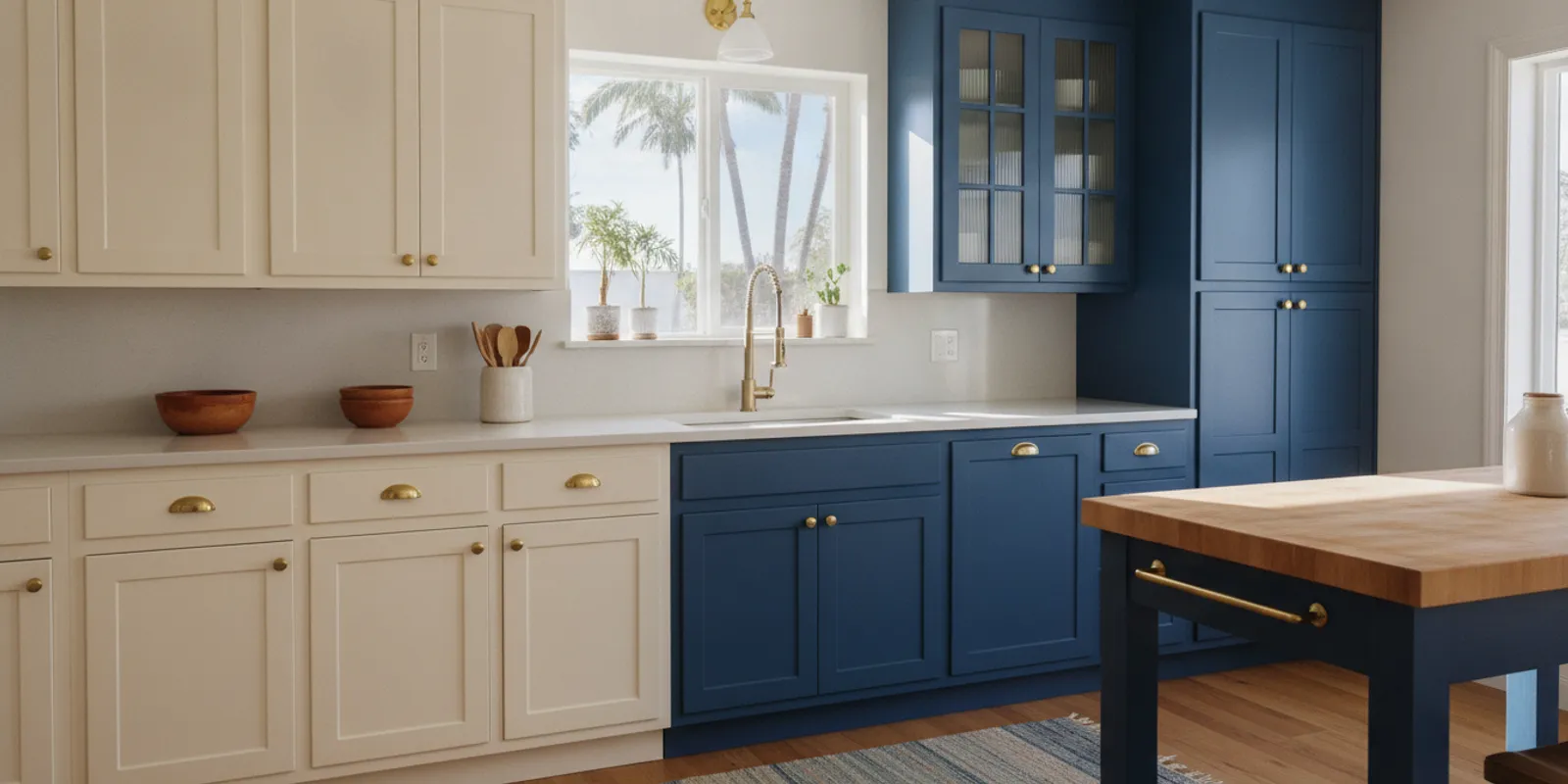
A well-planned kitchen pantry changes the way you cook, shop, and live in your home. Whether you are working with a tight corner or have room for a full walk-in, the right pantry design keeps your kitchen organized and your countertops clear. If you are updating the whole room, pair pantry planning with two-tone kitchen cabinet ideas for a cohesive finish.
Contact King Remodeling for a free kitchen design consultation and find out which pantry style fits your space.
Kitchen pantry ideas range from simple pull-out shelves to full butler pantries with countertops and sinks. The type you choose depends on your floor plan, storage needs, and how you use your kitchen every day. Below, we cover the most popular pantry styles, organization systems, and design tips so you can make an informed decision before your remodel begins.
What Is a Kitchen Pantry, and Why Does It Matter?
A kitchen pantry is a dedicated storage area for food, small appliances, cookware, and dry goods. Unlike standard cabinets, pantries offer deeper shelves, more vertical space, and a single location where everything is visible and accessible. For larger storage upgrades, our custom kitchen cabinetry team can coordinate pantry cabinetry with the rest of the kitchen.
According to the National Association of Home Builders (NAHB) 2024 What Home Buyers Really Want report, a kitchen pantry ranks among the top five most-desired kitchen features for homebuyers. That demand reflects a practical reality: families store more groceries, cooking tools, and specialty appliances than ever, and standard cabinetry cannot always keep up.
For San Diego homeowners planning a kitchen remodel, adding or expanding a pantry is one of the highest-return upgrades you can make. It improves daily function and adds resale appeal at the same time.
Walk-In Pantry Design: The Gold Standard
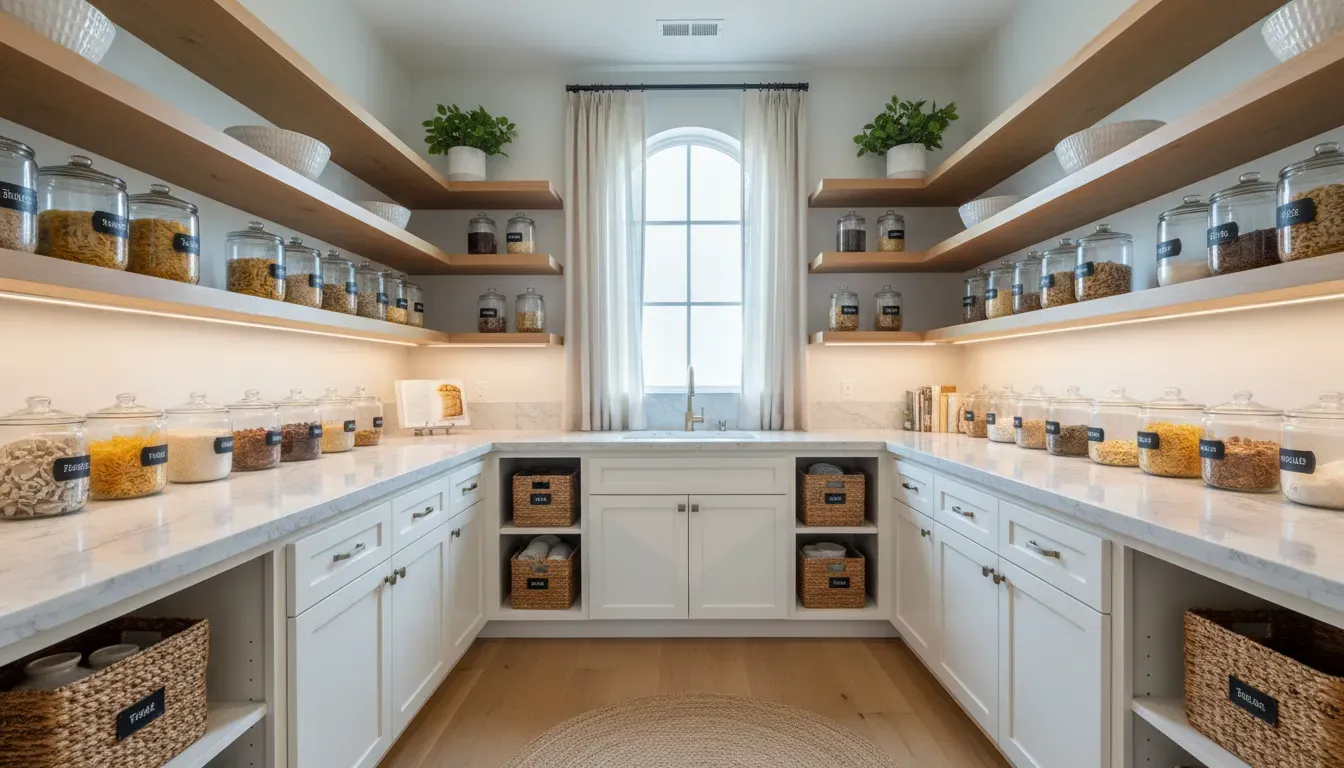
A walk-in pantry is a small room or closet dedicated to food and kitchen storage. Walk-in pantries typically range from 25 to 50 square feet and include shelving on two or three walls, with enough aisle space to stand inside and reach everything without a step stool.
Key Features of a Walk-In Pantry
- Floor-to-ceiling shelving on two or three walls for maximum vertical storage
- A countertop section for small appliance staging (stand mixers, blenders, coffee makers)
- A door or pocket door that keeps the space concealed from the main kitchen
- Interior lighting, often motion-activated LED strips under each shelf
- Electrical outlets inside the pantry for charging devices or running appliances
Who Should Choose a Walk-In Pantry?
Walk-in pantries work best for households that buy groceries in bulk, cook frequently, or own large collections of kitchen gadgets. If your kitchen has an adjacent closet, laundry nook, or underused hallway, a remodeling contractor can often convert that space into a walk-in pantry without changing your home’s footprint.
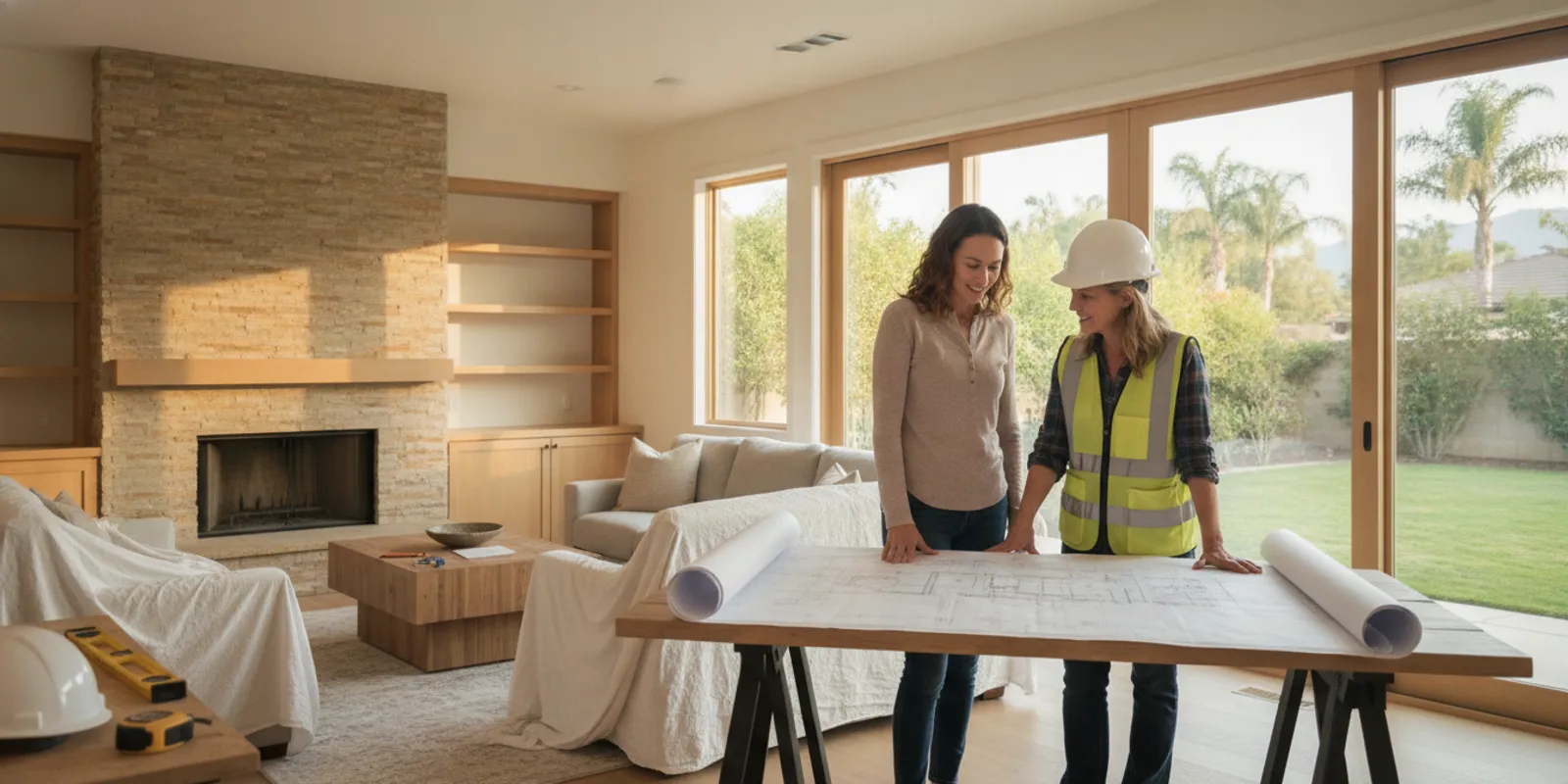
During the design phase, King Remodeling’s team uses 3D renderings to show you exactly how the walk-in will look before construction begins, so you can adjust shelf depths, countertop placement, and lighting before a single wall is moved.
Butler Pantry Ideas for Entertaining and Storage
A butler pantry (sometimes called a butler’s pantry) is a transitional space between the kitchen and the dining room. Traditionally used to store serving ware and prepare drinks, today’s butler pantries serve as secondary prep stations with their own countertops, cabinetry, and sometimes a bar sink.
What Sets a Butler Pantry Apart
- Countertops and cabinetry that mirror or complement the main kitchen finishes
- Glass-front or open shelving for displaying glassware, china, or wine bottles
- A secondary sink for drink prep and cleanup without crowding the main workspace
- Wine storage, either a built-in wine fridge or a rack system
- A passthrough layout connecting the kitchen and dining areas
Butler pantries work especially well in San Diego homes where indoor-outdoor entertaining is common. Having a dedicated prep and serving area near the dining room means you can plate food, mix drinks, and store party supplies without crossing back and forth through the main kitchen.
Schedule a design consultation to explore butler pantry layouts that work with your kitchen floor plan.
Corner Pantry Solutions for Smaller Kitchens
Not every kitchen has room for a walk-in or butler pantry. Corner pantries make use of space that would otherwise sit empty or hold a single cabinet. There are several corner pantry configurations worth considering.
Tall Corner Pantry Cabinet
A floor-to-ceiling corner cabinet with pull-out shelves or a rotating lazy Susan mechanism inside. This option fits into existing cabinetry runs and does not require structural changes. Tall corner cabinets can hold 40% to 60% more than a standard upper-and-lower cabinet pair in the same corner.
L-Shaped Corner Pantry
An L-shaped pantry wraps around two walls in a corner, using pull-out drawers, swing-out racks, and adjustable shelving to make deep corners accessible. This layout is popular in galley kitchens and U-shaped kitchens where every inch counts.
Diagonal Corner Pantry
A diagonal cabinet sits at a 45-degree angle across the corner, creating a wider opening than a standard corner unit. Inside, you get better visibility and easier access to items stored at the back. Diagonal pantries pair well with soft-close doors and interior LED lighting.
If you are working with a limited kitchen remodel budget, a corner pantry upgrade is one of the most cost-effective ways to add storage without expanding your kitchen’s footprint.
Pull-Out Pantry and Slim Storage Ideas
Pull-out pantries are narrow, vertical cabinets fitted with sliding racks or baskets. They fit into gaps as small as six inches wide, which makes them a smart choice for kitchens where a dedicated pantry room is not an option.
Common Pull-Out Pantry Configurations
- Single-column pull-out: A 6- to 12-inch-wide unit with three to five shelves, ideal for spices, oils, and canned goods
- Double-column pull-out: A wider unit (12 to 18 inches) with baskets on both sides, good for snacks and baking supplies
- Base cabinet pull-out: Installed below the countertop, these slide-out drawers replace traditional base shelves with tiered racks
Pull-out pantry systems work well alongside other kitchen remodel upgrades such as drawer organizers, spice racks, and appliance garages. When planned together during a remodel, they create a unified storage system that keeps your counters clean.
How to Organize Your Kitchen Pantry
Even the best pantry design falls short without a good organization system. Here is a step-by-step approach that works for every pantry type.
- Sort by category: Group baking supplies, canned goods, snacks, grains, spices, and beverages into distinct zones. Each zone should occupy its own shelf or section.
- Use clear, labeled containers: Transfer bulk items like flour, rice, pasta, and cereal into airtight containers. Labels eliminate guesswork and make restocking faster.
- Place frequently used items at eye level: Items you reach for daily (cooking oils, salt, coffee) belong between your waist and shoulder height. Heavy or rarely used items go on lower shelves.
- Install shelf risers and turntables: Shelf risers double your visible storage on deep shelves. Turntables (lazy Susans) make corner spots and deep shelves fully accessible.
- Add door-mounted racks: The inside of your pantry door is prime real estate for spice racks, foil and wrap holders, or small basket organizers.
- Keep a running inventory: A small whiteboard or notepad on the pantry door helps you track what needs restocking, reducing duplicate purchases and food waste.
A remodeling contractor can build organization systems directly into your pantry cabinetry. Custom pull-outs, adjustable shelving, and built-in dividers are more durable and space-efficient than aftermarket add-ons.
Pantry Shelving Materials and Options
Choosing the right shelving material affects durability, load capacity, and how the pantry looks and feels over time.
| Shelving Material | Pros | Cons | Best For |
|---|---|---|---|
| Solid wood (maple, birch, oak) | Strong, attractive, supports heavy loads | Higher cost, can warp in humid conditions | Walk-in and butler pantries |
| Plywood with veneer | Strong, moisture-resistant, lower cost than solid wood | Edges need banding to prevent peeling | All pantry types |
| Melamine-coated particleboard | Budget-friendly, easy to clean, many color options | Can sag under heavy loads over time | Reach-in and corner pantries |
| Wire shelving (chrome or coated steel) | Affordable, good airflow, easy to install and adjust | Small items can fall through, less polished look | Utility pantries, garage overflow |
| Stainless steel | Very durable, moisture-proof, commercial look | Expensive, can scratch | Butler pantries, modern kitchens |
For most San Diego homes, plywood shelving with a durable finish offers the best balance of strength, moisture resistance, and appearance. Your remodeling contractor can adjust shelf thickness and bracket spacing based on what you plan to store.
How Much Does Adding a Pantry Cost?
Pantry costs vary widely based on the type, size, materials, and whether structural changes are required. Here are general ranges to help you plan.
| Pantry Type | Typical Cost Range | Includes |
|---|---|---|
| Corner pantry cabinet | $800 – $2,500 | Cabinet, shelving, installation |
| Pull-out pantry system | $500 – $2,000 | Hardware, baskets or shelves, installation |
| Reach-in pantry closet | $1,500 – $4,000 | Shelving, door, lighting, minor framing |
| Walk-in pantry (new build) | $3,000 – $8,000+ | Framing, drywall, shelving, lighting, door, electrical |
| Butler pantry | $5,000 – $15,000+ | Cabinets, countertops, plumbing (if sink), lighting |
These are approximate ranges. The actual cost depends on your kitchen’s existing layout, the materials you select, and whether plumbing or electrical work is needed. A detailed in-home consultation gives you a fixed-bid price before any work begins.
Request a free quote to get a detailed cost estimate for adding a pantry to your kitchen remodel.
Pantry Design Tips for San Diego Kitchens
San Diego’s climate and lifestyle create specific considerations for pantry design.
- Humidity and heat management: San Diego stays relatively dry, but inland areas like Poway and Scripps Ranch can see summer temperatures above 90 degrees. Keep pantries on interior walls away from direct sun, and consider ventilation if the pantry has no airflow.
- Indoor-outdoor flow: Many San Diego homes feature open floor plans that connect the kitchen to outdoor living spaces. A butler pantry near the dining area keeps serving ware and beverages close to the action during backyard gatherings.
- Earthquake readiness: Use shelf lips, guardrails, or soft-close drawers to keep items from sliding off shelves during tremors. This is especially important for upper shelves in walk-in pantries.
- Material durability: Choose moisture-resistant shelving and finishes that hold up in coastal areas. Plywood with a sealed finish performs better than particleboard in homes near the coast (La Jolla, Del Mar, Point Loma).
King Remodeling’s design team works with homeowners across San Diego County, from La Jolla to Scripps Ranch, to create pantries that fit the home’s style and the family’s needs.
How to Plan a Pantry During Your Kitchen Remodel
The best time to add or upgrade a pantry is during a kitchen remodel, when walls are already open and your contractor can adjust the layout efficiently. Here is how to plan for it.
- Audit your current storage: Before your design consultation, take stock of everything in your kitchen. Note what does not fit in your existing cabinets and what you would like within easier reach.
- Set your priorities: Decide whether you need bulk food storage, an appliance garage, a serving prep area, or all three. This shapes which pantry type is the right fit.
- Review your floor plan: Look for underused spaces, dead corners, adjacent closets, or hallway sections that could become pantry space. Your designer can help identify options you might not see on your own.
- Choose your finishes: Visit a showroom to see cabinet styles, shelving materials, hardware, and lighting options in person. Touching and comparing materials leads to better decisions than browsing photos alone.
- Get a detailed estimate: A design-build contractor provides a fixed-bid price that covers design, materials, and construction. No surprises during the build.
King Remodeling’s Design Center in Scripps Ranch gives you the chance to see cabinet finishes, countertop materials, and hardware options before making final selections. Pairing your pantry upgrade with a full kitchen flooring update creates a finished look that ties the entire space together.
Frequently Asked Questions
What is the best pantry layout for a small kitchen?
A corner pantry cabinet or pull-out pantry system is the best option for a small kitchen. These designs use otherwise wasted space without requiring additional square footage. Tall corner cabinets with pull-out shelves can increase your storage capacity by 40% to 60% compared to standard corner cabinets.
How deep should pantry shelves be?
Standard pantry shelves are 12 to 16 inches deep. Shelves deeper than 16 inches make it hard to see and reach items in the back unless you add pull-out baskets or turntables. For canned goods and spices, 12-inch-deep shelves work best. For small appliances and bulk items, go with 16 to 18 inches.
Can you add a pantry to an existing kitchen without a remodel?
Yes, in many cases. A pull-out pantry system can be retrofitted into an existing cabinet slot, and a freestanding pantry cabinet can be placed against an open wall. For walk-in or butler pantries, you will likely need to open a wall or convert an adjacent space, which is more practical during a full remodel.
What is the difference between a walk-in pantry and a butler pantry?
A walk-in pantry is a storage room with shelving for food and supplies. A butler pantry includes countertops, cabinetry, and often a sink, making it a secondary prep and serving station. Butler pantries connect the kitchen to the dining area and are designed for entertaining, while walk-in pantries focus on bulk storage and daily kitchen organization.
How long does it take to add a pantry during a kitchen remodel?
Adding a corner cabinet or pull-out pantry takes one to two days. Converting a closet or hallway into a walk-in pantry typically takes one to two weeks, depending on electrical and shelving work. A full butler pantry with plumbing can add two to three weeks to your project timeline. When the pantry is part of a larger kitchen remodel, much of this work happens in parallel with other construction.
Start Planning Your Kitchen Pantry
The right kitchen pantry turns a cluttered, cramped kitchen into an organized space where cooking and entertaining feel effortless. Whether you are drawn to a spacious walk-in, a functional corner solution, or a butler pantry built for hosting, the design starts with understanding your space and your habits.
King Remodeling has completed over 2,000 kitchen remodels across San Diego County. Our design-build approach means you get a single team handling design, materials, and construction, with a fixed-bid price and a 3-year labor warranty on every project.
Get a free quote or call to schedule your in-home design consultation today.