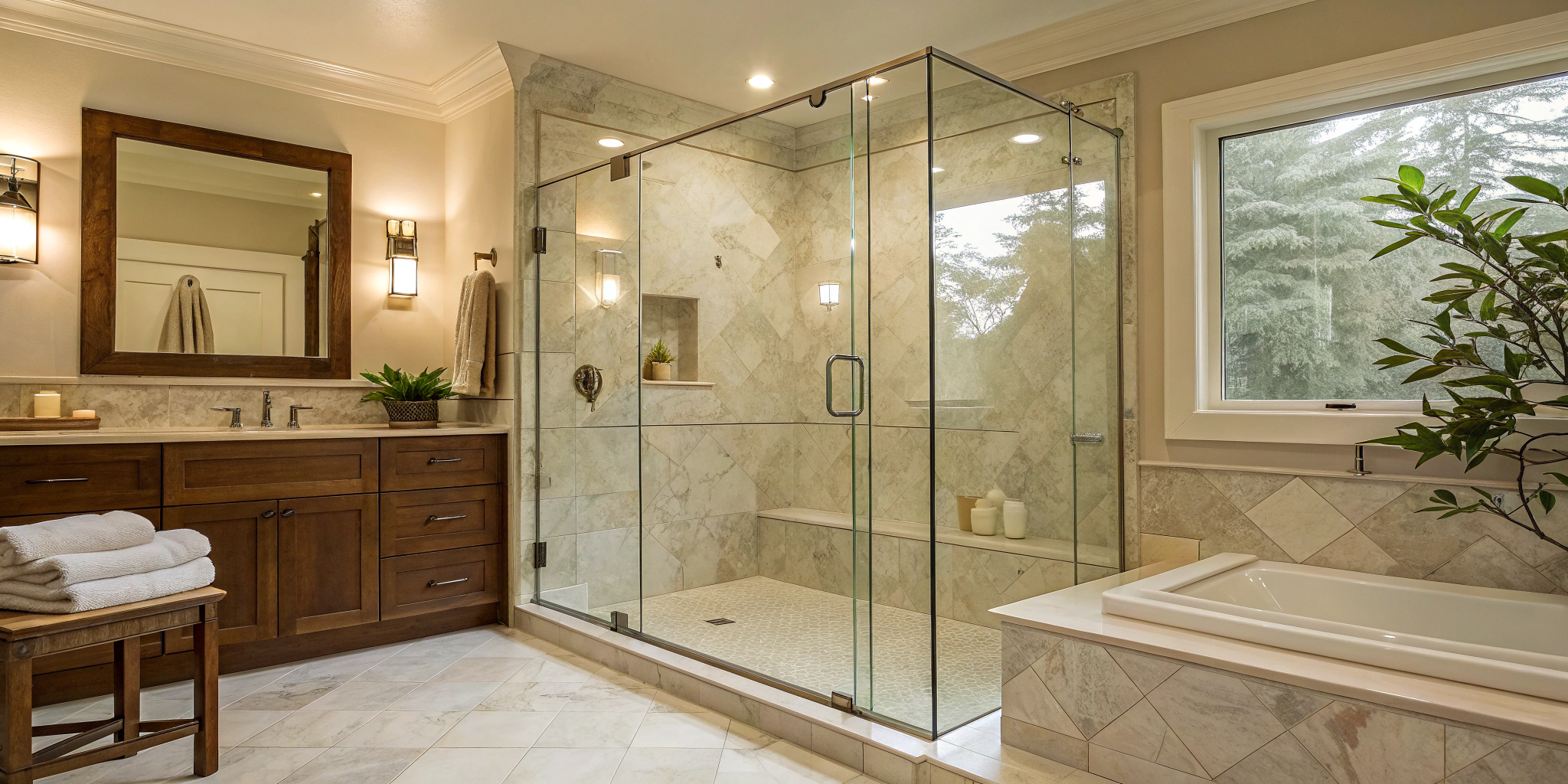
A great bathroom should be a retreat, but for many, it’s a space defined by compromise. The bulky tub you never use, the awkward layout, the constant battle with mildew—it all adds up. A walk-in shower is more than just a design trend; it’s a solution. By replacing an outdated setup, you create a seamless, accessible, and visually open space that transforms your daily routine. It’s a functional upgrade that addresses common pain points while introducing a spa-like feel. If you’re ready to create a space that is both beautiful and practical, a bathroom remodel with walk-in shower is the perfect place to start.
Key Takeaways
- Prioritize the Unseen Foundation: Your shower’s long-term success depends on what’s behind the tile. Ensure your plan includes expert waterproofing and a correctly sloped floor to prevent leaks and water damage before you even think about aesthetics.
- Define Your Space with Two Key Decisions: The entire feel of your shower comes down to the entry and the enclosure. Decide between a seamless, curbless floor for a modern, accessible look or a practical low-threshold curb, then choose between an open, doorless design or a glass enclosure to contain warmth.
- Understand Where Your Budget Goes: The final cost is shaped by three main choices: a custom-built shower versus a standard prefab unit, the quality of your tile and fixtures, and any spa-like upgrades you add, such as a built-in bench or multiple showerheads. For a detailed breakdown of what a full master bath remodel costs in San Diego, see our master bath remodel cost guide.
What Is a Walk-In Shower (and Why Should You Consider One)?
A walk-in shower is exactly what it sounds like: a showering space you can simply walk into without having to step over a high bathtub wall. It’s a design that replaces the traditional tub-and-shower combo with a dedicated, often more spacious, shower area. These showers can be completely open, partially enclosed with a glass panel, or fully enclosed with a glass door. While they’ve become a hallmark of modern bathroom design, their appeal goes far beyond looks.
Walk-in showers are a popular choice for a bathroom remodel because they blend practicality with a clean, high-end aesthetic. They can make a small bathroom feel larger, offer far better accessibility than a traditional tub, and are significantly easier to clean. Whether you’re planning for the future, looking for a spa-like feel, or just tired of scrubbing grout around a clunky tub, a walk-in shower is a functional upgrade that adds lasting value to your home. It’s a versatile choice that can be tailored to fit almost any space and style.
Better Accessibility and Aging-in-Place
One of the most significant benefits of a walk-in shower is safety and ease of use. By removing the high threshold of a bathtub, you eliminate a common tripping hazard, making the bathroom safer for every member of the family—from young children to older adults. This design is a cornerstone of aging-in-place principles, allowing you to enjoy your home comfortably and independently for years to come. A low-curb or zero-threshold entry makes the shower accessible for those with mobility challenges and creates a seamless transition from the main bathroom floor.
A Clean, Modern Aesthetic
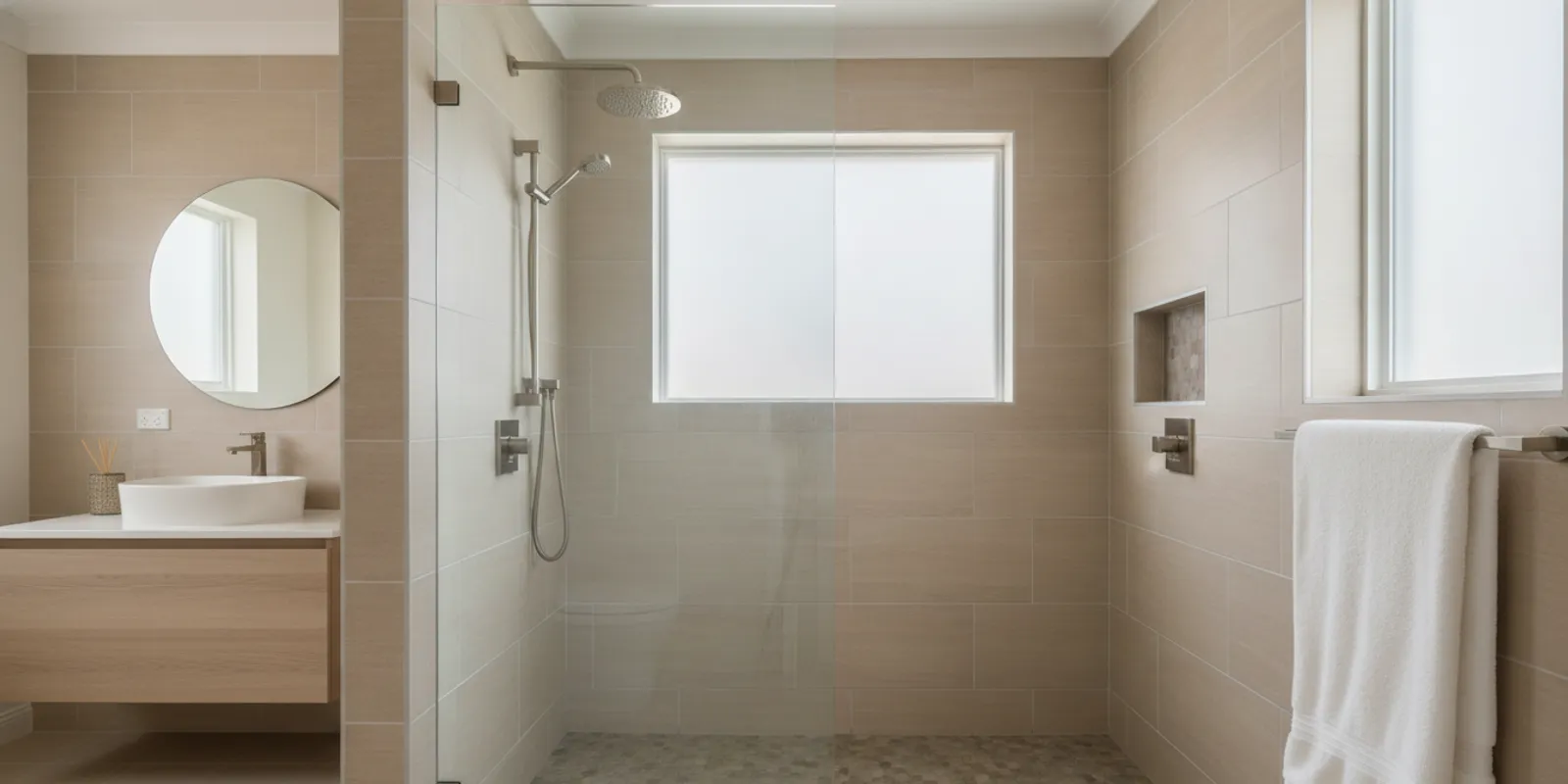
Walk-in showers are a designer’s favorite for a reason. They create a clean, uncluttered, and open feel that can make any bathroom feel more spacious and luxurious. Frameless glass enclosures, in particular, allow light to flow freely and let your beautiful tilework become the star of the show. This minimalist approach turns a purely functional area into a stunning focal point. You can see how we’ve used walk-in showers to transform spaces in our featured projects. The result is a sophisticated, spa-like retreat right in your own home.
Simpler to Clean and Maintain
If you’re tired of cleaning grimy shower curtains or scrubbing around metal tracks, a walk-in shower will feel like a breath of fresh air. With fewer nooks, crannies, and seams than a traditional tub-shower combo, there are simply fewer places for soap scum and mildew to hide. Opting for large-format tiles or solid surface walls further reduces grout lines, making your weekly cleaning routine faster and easier. This practical design means you can spend less time scrubbing and more time enjoying your beautiful new bathroom.
Key Design Choices for Your Walk-In Shower
Once you’ve decided a walk-in shower is right for you, the fun part begins: designing it. The choices you make here will define not only the look of your new bathroom but also how it functions for you every day. From the entry to the enclosure, each detail plays a role in creating a space that feels both beautiful and practical. Let’s walk through the three biggest design decisions you’ll need to make.
Doorless vs. Glass Enclosures
One of the first choices is whether to go completely open-concept with a doorless design or to add a glass enclosure. A doorless, or zero-entry, shower offers a seamless, spa-like feel and is incredibly easy to clean without any tracks or door hardware. It’s also a fantastic option for accessibility. The key is having enough space and a well-designed floor slope to keep water contained.
A glass enclosure, on the other hand, is excellent at trapping steam and warmth while still providing an open, airy look. Frameless glass doors are especially popular because they minimize visual clutter. This option gives you the best of both worlds: a modern aesthetic with practical water containment, which is why you’ll see it in so many of our featured projects.
Curbless vs. Low-Threshold Entry
Next, you’ll decide how you step into your shower. A curbless entry means the bathroom floor flows directly into the shower without any barrier. This creates a sleek, continuous look that makes the entire room feel larger. More importantly, it eliminates tripping hazards, making it the gold standard for aging-in-place design and universal accessibility. Achieving a true curbless design requires expert planning to integrate the drainage into the subfloor.
A low-threshold shower is a great alternative. It features a very small curb—typically just a few inches high—that’s easy to step over but still effectively keeps water inside the shower stall. This is often a more straightforward installation, making it a popular and practical choice for many bathroom remodels.
Finding the Right Size and Layout
While a walk-in shower can be customized to almost any dimension, experts recommend a minimum size of 36×36 inches for comfortable movement. Many homeowners replacing a standard bathtub opt for a spacious 60×30 inch shower. The ideal size for you will depend on your bathroom’s footprint and your personal preferences.
Beyond just the dimensions, the layout is critical. You’ll want to consider the placement of showerheads, controls, and any built-in features like benches or storage niches. A thoughtful layout ensures everything is within easy reach and the water spray is directed away from the entrance. If you’re working with a compact space, our 5×7 bathroom layout with walk-in shower guide shows how to maximize every inch. This is where working with an experienced designer makes all the difference, as they can help you visualize the flow and finalize a plan that perfectly suits your space and routine. Visiting a showroom can also help you see and feel different options in person.
How Much Does a Walk-In Shower Cost?
One of the first questions on every homeowner’s mind is, “What’s this going to cost?” While the final price tag for a walk-in shower can vary, a typical project in San Diego lands somewhere between $6,000 and $12,000. This range covers everything from a straightforward update to a more luxurious custom build. The final cost depends on the path you choose—prefabricated or custom—the materials you fall in love with, and any special features you decide to add. Let’s break down what goes into that number so you can plan your budget with confidence.
Prefab vs. Custom: What’s the Cost Difference?
Your first major decision is whether to go with a prefabricated (prefab) unit or a fully custom-built shower. A prefab kit is a one-piece stall that’s manufactured off-site and installed in your bathroom. It’s the more budget-friendly option, as the unit itself is less expensive and installation is quicker. A custom shower, on the other hand, is built from scratch right in your space. This approach gives you complete creative freedom over the size, layout, and materials, from floor to ceiling. While it requires more skilled labor and higher-end materials, a custom shower delivers a truly seamless, high-end look that perfectly fits your home’s style.
Breaking Down Material and Labor Costs
Materials and labor are the two biggest drivers of your final cost. Tile is a popular choice, with options ranging from affordable ceramics to high-end natural stone. For example, basic tile might cost a few dollars per square foot, while premium marble or granite can be significantly more. This is where visiting a showroom becomes so valuable; you can see and feel the difference for yourself. At our San Diego Design Center, we guide you through curated selections to find the right fit for your aesthetic and budget. Professional labor is the other key piece, ensuring your shower is beautifully built, perfectly waterproofed, and will last for years to come.
Features That Add to Your Budget
This is where you can personalize your shower to create a spa-like retreat. Upgrades like a rainfall showerhead, a handheld sprayer, or multiple body jets can transform your daily routine. Other popular additions include a built-in bench for comfort and accessibility, sleek storage niches for toiletries, and frameless glass doors for an open, airy feel. While these features add to the overall investment, they also add immense value and enjoyment to your bathroom remodel. Thinking through which features will make the biggest difference for you is a key part of the design process.
Must-Have Safety Features for Your Walk-In Shower
A walk-in shower is a fantastic upgrade for any bathroom, but its true value lies in combining beautiful design with practical safety. While we love the clean lines and spa-like feel, ensuring your shower is safe for every member of your family—from kids to grandparents—is the most important part of the design. A thoughtfully planned bathroom remodel integrates safety features so seamlessly that they feel like intentional, luxurious touches rather than afterthoughts.
The best safety features don’t scream “safety.” Instead, they blend into the overall aesthetic, enhancing both the look and function of your space. Things like textured floor tiles, elegant grab bars, and built-in seating contribute to a secure and comfortable experience without compromising on style. By planning for these elements from the start, you create a shower that is not only stunning but also provides peace of mind for years to come. It’s about creating a space where you can relax and unwind, knowing it was built with your well-being in mind.
Non-Slip Floors and Grab Bars
The single most important safety feature in any wet area is a non-slip floor. Water and smooth surfaces are a recipe for falls, but you can significantly reduce this risk by choosing the right materials. Smaller tiles with more grout lines, or larger tiles with a textured, matte finish, provide better grip underfoot. During your material selection, we can guide you toward beautiful porcelain and stone options with high slip resistance.
Strategically placed grab bars offer another layer of stability. Forget the clinical-looking bars of the past; today’s options come in stylish finishes like matte black, brushed gold, and polished nickel to match your fixtures. Installing them near the shower entrance and on the main wall provides a steadying hand when you need it most.
Built-In Benches and Handheld Showerheads
A built-in shower bench is one of those features that adds a touch of luxury while being incredibly practical. It offers a comfortable spot to sit and relax, making tasks like shaving your legs much easier and safer. For anyone with mobility concerns, a bench is a non-negotiable, providing a secure place to rest during a shower. It also doubles as a chic storage ledge for your shampoo and soap.
Pairing a bench with a handheld showerhead completes the setup. This combination allows you to shower comfortably while seated, giving you full control and reach without having to stand or move around. It’s a simple addition that dramatically improves the accessibility and versatility of your shower, making it a more comfortable space for everyone. You can see examples of this pairing in our featured projects.
Smart Drainage and Waterproofing
Proper water management is a safety feature you can’t see, but it’s absolutely critical. A common mistake is creating a completely level shower floor, which leads to pooling water and drainage problems. Your shower floor needs a subtle, carefully calculated slope to guide water directly to the drain, keeping the standing area as dry as possible. This prevents slippery puddles and discourages mold and mildew growth.
Behind the beautiful tile, a robust waterproofing system is your shower’s best defense against leaks and water damage. Our design-build process ensures that every layer—from the substrate to the final grout seal—is installed meticulously. Proper waterproofing protects your home’s structure and ensures your beautiful new shower will last for decades without issues.
Selecting the Right Materials for Your Walk-In Shower
Choosing the right materials is about more than just looks—it’s about creating a shower that stands up to daily use and is easy to care for. The surfaces you select for your walls, floors, and enclosure will define the entire feel of your bathroom, from a bright and airy escape to a warm, spa-like retreat. Durability and water resistance are non-negotiable, but so is finding a style you’ll love. This is where seeing and touching materials makes all the difference. That’s why we guide clients through the selection process in our private Design Center, where you can find the perfect combination of materials for your bathroom remodel.
Tile Options for Walls and Floors
Tile is the foundation of any great shower design. For shower floors, porcelain and ceramic tiles are the go-to choices because they’re incredibly strong, waterproof, and simple to clean—with porcelain being the tougher of the two. For a timeless look, you can’t go wrong with classic subway tiles on the walls. If you want to add more personality, consider handmade Zellige tiles for a unique, organic feel, or use mosaic and hexagon tiles to create eye-catching patterns. A great designer tip is to use different shapes and sizes of the same tile color to add texture without making the space feel too busy.
Glass Types and Finishes
Glass enclosures are key to achieving that clean, modern look in a walk-in shower. Many homeowners are choosing curbless designs where the bathroom floor flows seamlessly into the shower, and a glass partition enhances that open feeling. The type of glass you choose can dramatically change the aesthetic. Clear glass makes the entire bathroom feel larger, while frosted or reeded glass offers more privacy without sacrificing light. Your choice depends on the balance of openness and privacy you want to achieve. You can see beautiful examples in our featured projects.
Natural Stone and Other Luxury Materials
If you’re dreaming of a luxurious, spa-like shower, natural stone is an amazing choice. Using large slabs of marble or quartzite for the walls creates a stunning, high-end look with minimal grout lines, which makes cleaning much easier. This approach delivers a seamless and dramatic visual that feels both timeless and sophisticated. For a unique and eco-friendly option, recycled glass surfaces are also gaining popularity. They offer a durable and beautiful finish while being produced with less energy than traditional materials. These premium materials can transform a functional shower into a personal sanctuary.
Popular Walk-In Shower Design Trends
A walk-in shower is more than just a functional part of your bathroom—it’s a canvas for your personal style. While classic designs are always in fashion, many San Diego homeowners are creating personal retreats that feel both modern and timeless. The focus is on texture, natural elements, and smart features that make daily routines feel a little more luxurious. From artfully combined tiles to spa-like lighting, these trends are about crafting a space that is uniquely yours.
Instead of a one-size-fits-all approach, the best designs blend different ideas to match the home’s architecture and the owner’s lifestyle. Think about how you want the space to feel. Are you looking for a bright, energizing start to your day or a calm, serene place to unwind? The right combination of materials, light, and technology can make all the difference. You can see how these elements come together in some of our recent featured projects. Exploring what’s possible is the first step toward creating a bathroom you’ll love for years to come.
Mixing Tile Patterns and Textures
Gone are the days of using one uniform tile for the entire shower. Today, it’s all about creating visual interest by mixing patterns, shapes, and textures. This doesn’t have to mean a riot of color; in fact, using different shapes and sizes of tiles in the same color can make a space more interesting without being too busy. Imagine large-format porcelain tiles on the walls paired with a detailed mosaic on the shower floor or inside a storage niche. This approach adds depth and a custom feel to your bathroom remodel. You can create a clean, classic look with white subway tiles or go for a Mediterranean style with colorful patterns.
Bringing in Natural Light
Nothing makes a space feel more open and inviting than sunlight. That’s why incorporating natural light into a walk-in shower is such a popular trend. Natural light from windows or skylights can make your shower feel like a spa, turning a routine task into a refreshing experience. If your bathroom layout allows, adding a tall window with frosted or reeded glass provides both light and privacy. For bathrooms without exterior walls, a skylight is a fantastic option that floods the shower with light from above. This connection to the outdoors not only brightens the room but also helps it feel larger and more serene, which is perfect for the relaxed San Diego lifestyle.
Smart Tech and Water-Saving Fixtures
A modern shower can be both luxurious and responsible. Homeowners are increasingly choosing smart features that add convenience and eco-friendly fixtures that conserve resources without sacrificing performance. Think about digital shower controls that set your preferred temperature and pressure with a single touch. You can also pair your new shower with a water-efficient showerhead to get great benefits without compromising comfort. Even your material choices can be sustainable—recycled glass, for instance, is a durable and beautiful option for shower enclosures. Integrating these thoughtful details ensures your new walk-in shower is as smart as it is stylish.
Getting the Layout and Functionality Right
A walk-in shower can be the stunning centerpiece of your bathroom, but its real value comes from how well it works for you every single day. This is where thoughtful planning makes all the difference. Before you fall in love with a specific tile or fixture, it’s essential to map out the practical details of your new space. A functional layout ensures your shower is comfortable, convenient, and built to last.
Getting the footprint right involves more than just measurements; it’s about understanding how you’ll move within the space. Will there be one person or two? Do you need a place to sit or prop a leg for shaving? Answering these questions early on helps our team design a shower that fits your lifestyle perfectly. By integrating these functional elements from the start, we can create a seamless design where every feature feels intentional and every inch is put to good use. This is a core part of our process, ensuring the final result is as practical as it is beautiful.
Space and Plumbing Requirements
First things first: how much room do you actually need? For a comfortable experience, a walk-in shower should be at least 36 by 36 inches. However, many San Diego homeowners prefer a more spacious feel, often opting for dimensions around 60 by 30 inches, which allows for easy movement and features like a bench. During the design phase, we’ll assess your existing bathroom to determine the ideal footprint. We also have to consider the plumbing. Relocating drains or water lines is a significant undertaking that affects both the budget and timeline of your bathroom remodel, so it’s a critical part of the initial plan.
Adding Storage Nooks and Seating
Nothing ruins a clean, modern aesthetic faster than a collection of shampoo bottles cluttering the floor. Built-in storage niches are the perfect solution. These recessed shelves are integrated directly into the shower wall, giving you a designated spot for all your essentials without taking up elbow room. A built-in bench is another feature that adds both luxury and practicality. It offers a comfortable place to sit and relax or a sturdy surface for shaving. We can help you explore different styles and sizes in our Design Center to find the perfect fit for your routine.
Ensuring Proper Ventilation
Proper ventilation is a non-negotiable for any bathroom, especially one with a large walk-in shower. Without a way for steam and moisture to escape, you create the perfect environment for mold and mildew to grow, which can damage your walls and impact air quality. A high-quality exhaust fan is essential. If your shower design includes a glass door, we often recommend leaving a small gap at the top of the enclosure. This simple trick allows steam to escape more easily, helping keep your entire bathroom dry and comfortable. It’s a small detail that makes a big difference in the long-term health of your home.
Common Walk-In Shower Remodel Mistakes to Avoid
A walk-in shower is a fantastic investment in your home’s value and your daily comfort. But because it involves complex plumbing, waterproofing, and tile work, a few small oversights can lead to big headaches down the road. Getting the details right from the start is the key to a shower that looks beautiful and performs flawlessly for years.
The good news is that these common mistakes are entirely preventable with thoughtful planning and professional execution. A successful project depends on a solid technical foundation—things you can’t see, like the slope of the floor and the waterproofing behind the walls. It also requires a design that truly fits your lifestyle, not just one that looks good in a photo. By working with an experienced team, you can ensure every detail is handled correctly. Our design-build process is built to catch these issues long before construction ever begins, giving you peace of mind.
Forgetting About Drainage and Access
Proper drainage is the single most important technical aspect of a walk-in shower, especially for curbless designs. One of the most frequent mistakes we see is an improperly sloped floor. To the naked eye, the floor should look almost level, but it needs a subtle, consistent grade to guide every drop of water directly to the drain. Without it, you’ll end up with pooling water, which can lead to slippery floors, soap scum buildup, and eventually, water damage. An expert installer knows how to create this perfect slope, whether it’s a gentle pitch toward a center drain or a single plane for a sleek linear drain.
Choosing the Wrong Materials (or Skipping Waterproofing)
The materials you can’t see are just as important as the beautiful tile you choose. A walk-in shower must be a completely sealed, waterproof box. Skipping or improperly installing the waterproofing membrane behind the walls and under the floor is a critical error that can lead to hidden leaks, mold growth, and serious structural damage. Beyond that, it’s vital to select materials rated for a wet environment. For example, the tile for your shower floor should have a high slip-resistance rating to prevent falls. Some porous natural stones may look stunning, but they require diligent sealing to resist water stains and are not ideal for every application.
Putting Style Before Function
It’s easy to fall in love with a design trend, but one of the biggest mistakes is prioritizing aesthetics over daily functionality. A beautiful shower that doesn’t work for your routine is a frustrating experience. Think about the little things: Is the niche large enough for your products? Can you easily reach the controls without getting wet? Does that gorgeous rain shower head provide enough pressure for you to rinse your hair? A successful bathroom remodel finds the perfect harmony between form and function, ensuring your new walk-in shower is not only a stunning focal point but also a practical and enjoyable part of your everyday life.
How Long Does a Walk-In Shower Installation Take?
One of the most common questions we get is about the project timeline. It’s completely understandable—you want to know how long your bathroom will be out of commission. While the hands-on construction might be quicker than you think, a successful remodel involves careful planning and coordination that happens long before the first tile is set.
The total timeline for a bathroom remodeling project, from initial design to final walkthrough, can range from a few weeks to a couple of months. The actual on-site installation of the walk-in shower itself typically takes a fraction of that time. The key is having a clear, well-managed plan. A design-build firm streamlines this entire sequence, handling everything from design and material orders to permitting and construction scheduling under one roof. This integrated approach is the best way to keep your project on track and minimize surprises.
A Typical Project Timeline
Let’s break down the phases of a walk-in shower project. While every remodel is unique, most follow a predictable path. The initial design and planning phase, where we finalize layouts and 3D renderings, usually takes one to two weeks. Next comes material selection and ordering. Visiting a showroom helps you make confident choices, and this stage can take two to four weeks, depending on lead times for custom tile or fixtures. Once all materials are on-site, the active construction begins. Demolition of the old space often takes one to three days, followed by any necessary plumbing or electrical updates, which can take another three to five days. Finally, the installation, waterproofing, tiling, and finishing touches bring your new shower to life.
What Can Affect Your Timeline?
Several factors can stretch your project timeline, but good planning can mitigate most of them. The scope of your project is the biggest variable; converting a tub to a shower is different from relocating plumbing across the room. Material availability also plays a huge role. Custom-ordered tile or a vanity from overseas will have longer lead times than in-stock items. Finally, city permits, if required, can add a few weeks to the pre-construction phase. Working with an experienced team that has a clear, step-by-step process helps you anticipate these variables. We manage the schedule, order materials well in advance, and handle all the logistics so you don’t have to.
Ready to Plan Your Walk-In Shower Remodel?
Feeling inspired and ready to take the next step? Turning your vision into a detailed plan is the most critical part of any successful remodel. This is where you move from ideas to actionable decisions about design, materials, and the team that will bring it all to life. A little preparation here goes a long way in ensuring your new walk-in shower is everything you hoped for—and more. It’s about creating a space that not only looks beautiful but also fits perfectly into your daily routine.
The Design and Material Selection Process
This is where the fun really begins. Walk-in showers are incredibly popular because they offer a clean, modern look, are much easier to clean than traditional tub-and-shower combos, and provide safer entry and exit. You can choose from countless designs, from completely open, doorless layouts to sleek glass enclosures. The material choices are just as vast. Tile is a classic for a reason, with options ranging from budget-friendly ceramics to luxurious natural stone. A great way to get a feel for your options is to see, touch, and compare materials in person. This helps you visualize how different textures and colors will work together to create a cohesive, waterproof, and beautiful space.
Why a Design-Build Firm Makes It Easier
While it might be tempting to manage a remodel yourself, a walk-in shower installation is complex. Proper waterproofing and drainage are non-negotiable, and mistakes can lead to serious water damage down the road. This is where working with an experienced team makes all the difference. A design-build firm handles every detail under one roof, from initial concept to final installation. This integrated approach helps you avoid common pitfalls, like choosing style over function or skipping critical planning steps. Instead of juggling a separate designer, contractor, and supplier, you have one dedicated team guiding your bathroom remodeling project. This ensures clear communication, a predictable timeline, and a final result that is both stunning and built to last.
Related Articles
- How to Get a Quote for Bathtub to Shower Remodel
- Master Bathroom Floor Plans: Walk-In Shower, No Tub
- How to Plan a Master Bath Shower Remodel
Frequently Asked Questions
What’s the real difference between a walk-in shower and a regular one? Think of it as the difference between an open-concept living area and a room with four walls. A traditional shower is often a pre-made stall or a tub combo, which can feel a bit boxed in. A walk-in shower is custom-built for your space, removing the high step of a tub and often using glass or an open entry to create a more seamless, integrated part of the bathroom. It’s less of an enclosure and more of a dedicated, spacious zone.
Will a walk-in shower make my small bathroom feel bigger? Yes, it absolutely can. By removing the bulky tub and using a clear glass enclosure or a doorless design, you eliminate major visual barriers. This allows your eye to travel across the entire room, making the whole space feel more open and airy. A curbless design, where the bathroom floor flows directly into the shower, is especially effective at creating this sense of spaciousness.
I’m worried about water getting everywhere with a curbless shower. Is it really waterproof? This is a common and very smart question. A properly built curbless shower is completely waterproof and designed to contain every drop. The secret is in the construction you can’t see. The shower floor is built with a subtle, precise slope that directs all water toward the drain. Beneath the tile, a comprehensive waterproofing membrane creates a sealed, watertight basin, ensuring no moisture can ever reach the subfloor or walls.
Do I have to get rid of my only bathtub to install a walk-in shower? Not necessarily, but it’s a decision worth considering. If you have another full bathroom with a tub, converting your primary bath’s tub into a luxurious walk-in shower is often a great upgrade. If it’s your only tub, think about your lifestyle. For many homeowners, a high-end, accessible shower is far more practical for daily life and just as appealing to future buyers as a tub they rarely use.
What’s the best way to start planning a walk-in shower remodel? The best first step is to think about function. Before you even look at tile, consider what you like and dislike about your current setup. Do you need a bench? More storage for products? Better lighting? Once you have a list of your practical needs, you can start gathering inspiration. Saving photos of showers you love helps our design team understand your style and create a plan that is both beautiful and perfectly suited to your routine.
Planning a South Bay project? King Remodeling also offers a dedicated Chula Vista bathroom remodel page for homeowners comparing walk-in showers, vanities, tile, and complete bathroom renovations in Chula Vista.