A do it yourself bathroom remodel can be a satisfying way to refresh a room, but not every task carries the same level of difficulty or risk. The right choice depends on the scope, your experience, the bathroom’s condition, and how much disruption your household can manage. Some finish updates are reasonable DIY projects; work involving water, electrical systems, waterproofing, or structural changes calls for careful planning and may be better handled by qualified professionals.
Explore bathroom remodeling options
What does a do it yourself bathroom remodel include?
“DIY bathroom remodel” can describe anything from painting the walls to removing a tub, moving plumbing, and rebuilding a shower. Those are not comparable projects. Before deciding who should do the work, break the plan into individual tasks and identify what each task depends on.
A cosmetic refresh might include repainting a dry wall surface, replacing a towel bar, changing a shower curtain, or installing accessories in existing locations. A broader renovation could involve a new vanity, flooring, lighting, shower surround, or plumbing fixtures. A full remodel may require demolition, repairs behind finished surfaces, new waterproofing, changes to electrical or plumbing systems, and coordination among multiple trades.
The visible finish is only part of the job. A bathroom must manage frequent moisture, keep water contained, and maintain safe clearances around fixtures. A project can look complete while concealing a leak or a poorly prepared substrate. Think beyond the shopping list: ask what needs to happen before each new surface or fixture can be installed, and what could be affected if the existing condition is not as expected.
If you are still defining scope, King Remodeling’s bathroom remodel planning guide can help you organize early decisions. For a broader view of how a remodeling project moves from planning into construction, review the remodeling process.
Which bathroom projects are reasonable to do yourself?
DIY is most practical when the task is limited, the existing surfaces are sound, the work does not open or alter concealed systems, and you can follow the product instructions carefully. It also helps if the work can be paused without leaving the bathroom unusable or exposing the home to water damage.
- Painting: Repainting a suitable, dry wall surface can be manageable when you prepare the room, protect fixtures, use products intended for the surface, and allow proper drying time. Peeling paint, recurring moisture, or damaged drywall should be investigated before covering it.
- Accessories: Replacing hooks, towel bars, toilet-paper holders, or a mirror may be straightforward if you know what is behind the wall and can anchor the item securely. Avoid drilling where plumbing or wiring may run.
- Simple decor updates: New textiles, storage, lighting color temperature choices, or a shower curtain can change the room without disturbing the plumbing or waterproofing.
- Small repairs: A minor adjustment or replacement may be suitable if the product instructions are clear and the work does not involve a leak, damaged wiring, a gas line, or an unknown condition.
Skill is only one part of the decision. Consider whether you have the correct tools, a clean work area, enough time to complete the job without rushing, and a plan for protecting the home. A DIY task can become more demanding when old fasteners break, surfaces are uneven, or the replacement product does not fit as expected. Be willing to stop and reassess rather than forcing a quick fix.
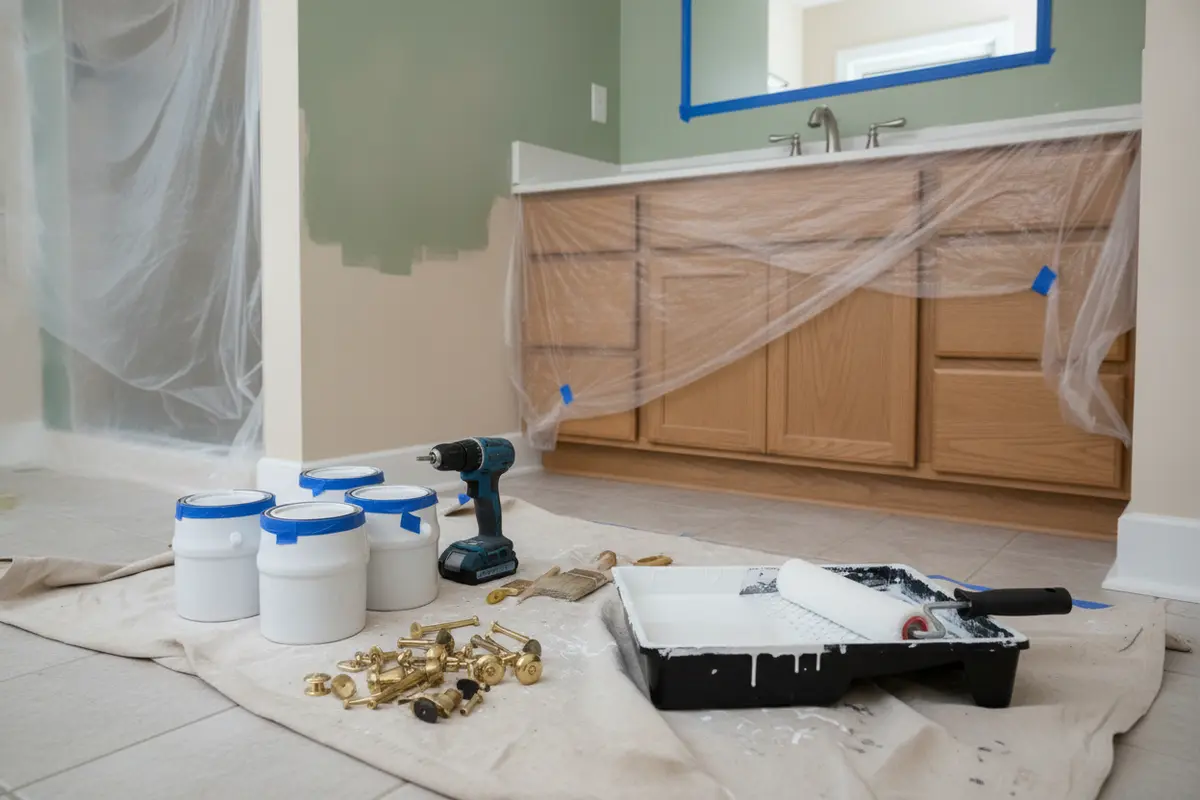
Before starting, read the installation instructions from beginning to end and check whether the task requires preparation or curing time that affects the room’s use. Gather the needed tools and protective materials before removing anything. If you discover damp or unstable material, an unexpected wire or pipe, or a condition the instructions do not address, pause. A tidy, well-planned small project is usually a better DIY choice than a larger task pushed forward without knowing what lies behind the finish.
For inspiration before choosing finishes, browse King Remodeling’s home design ideas and bathroom remodeling information. Ideas are a starting point; verify dimensions, installation needs, and compatibility before buying materials.
When should you bring in a professional?
Professional help becomes more important when a task affects systems that are hidden, safety-critical, or difficult to correct after the walls and floors are closed. Water-related work deserves particular care because small installation errors can lead to damage beyond the bathroom. Experience with the specific task matters more than confidence with general home repairs.
- Plumbing changes: Moving a toilet, shower, or sink changes connections and may involve concealed pipes, drainage, or venting. Replacing a fixture in the same location is still not automatically simple; the condition of the shutoff valves, supply lines, and drain connections matters.
- Shower and tub waterproofing: Waterproofing is a system, not a visible coating applied at the end. The substrate, seams, corners, penetrations, drain, and transition details need to work together. If water escapes the wet area, damage may remain hidden until it becomes extensive.
- Electrical work: Bathroom electrical work can involve wet-area safety, protective devices, ventilation, and local requirements. Do not assume that a light or fan swap is safe merely because the replacement appears to fit. Use a qualified professional when the work reaches wiring or circuits.
- Structural or layout changes: Removing a wall, changing an opening, or altering framing can affect more than the room’s appearance. Get appropriate professional advice before cutting, removing, or relocating building components.
- Unknown damage: Soft flooring, persistent odors, staining, swollen trim, or repeated leaks can signal a condition that needs diagnosis before cosmetic work begins.
Requirements can vary with the work and the location. Homeowners should verify applicable permits and code requirements with the relevant local authority rather than relying on a general online checklist. A licensed contractor can explain the proposed scope and discuss who is responsible for confirming approvals, inspections, and trade work.
Consumer Reports’ bathroom remodeling guide discusses upgrade choices and potential regrets. Use that kind of advice as a planning prompt, then assess your actual room and project requirements instead of assuming every recommendation fits every home.
How can you tell when to pause a DIY job?
Set stop points before you begin. Decide what you will do if you find soft material, active moisture, damaged wiring, corroded connections, or an unexpected difference between the room and the installation instructions. These are not moments to hide the issue or improvise beyond your experience. Stop work, keep the area safe, and ask an appropriate professional to assess the condition before proceeding.
Other warning signs are practical rather than technical: the room is out of service longer than expected, a task repeatedly needs to be redone, the next step depends on a tool or skill you do not have, or the installation instructions do not match the product or existing conditions. Pausing early can prevent one uncertain step from affecting later work. If you seek help after starting, explain what has already been removed or installed and share product information and photos where useful.
Be honest about the time you can devote to the job. A project that fits a confident DIYer with a flexible schedule may not suit a household that needs the bathroom every day or cannot leave materials and tools in the home. Neither choice is a failure: keeping a project smaller or hiring help for selected tasks can be the more workable plan.
How can you divide the work between DIY and a contractor?
You do not have to choose between doing everything yourself and handing over every decision. A homeowner may manage design preferences, product research, purchasing, or simple finish work while assigning technical installation and coordination to professionals. The important part is to define the division before work starts.
For example, a homeowner might choose the color palette, compare vanity styles, and install accessories after the room is complete. A contractor could handle demolition, repairs, plumbing, electrical work, waterproofing, tile installation, and finish coordination. Whether that split is practical depends on the project agreement, the product selections, and the timing. Clarify who measures, orders, stores, checks, and installs each item.
Mixing DIY and contracted tasks can create gaps. If you plan to paint or install accessories yourself, agree on when that work can happen and what surfaces will be ready. If you are supplying materials, confirm dimensions, quantities, delivery timing, and who handles a damaged or incorrect item. Do not assume that a contractor’s scope includes homeowner-supplied products or repair work after a DIY task.
King Remodeling describes its approach as an integrated design-build service, combining design, material selection, and construction. Its San Diego showroom and design center is one place to review selections in person. The company also shares examples in its bathroom and kitchen project gallery, which can help you articulate the look and scope you have in mind. Those resources can inform a conversation; they do not replace a site-specific evaluation.
How should you compare time, cost, and disruption?
DIY work can reduce what you pay for installation, but it is not automatically the least expensive path. Add up materials, tools, delivery, waste removal, and the value of your time. Then consider what it might cost to correct a mistake or hire someone to finish an incomplete task. On the other hand, a contractor’s proposal includes professional labor and project coordination, which may reduce the amount of work you need to manage yourself.
Time estimates also need a realistic buffer. A homeowner might work evenings or weekends, while a bathroom may be unavailable during parts of the job. A delayed delivery, unfamiliar installation step, hidden repair, or failed measurement can extend the project. For a professional project, ask what the proposed schedule assumes, what could change it, and how you will receive updates. Do not compare one confident estimate with another unless both describe the same scope and assumptions.
Disruption depends on the household as much as the construction plan. Think through whether another bathroom is available, where materials and tools can be stored, how dust will be contained, and whether children, pets, or mobility needs affect access. If the home has only one bathroom, the cost of a prolonged interruption may matter as much as the labor cost.
Use a written scope to compare like with like. List the surfaces and fixtures to be removed, what is being installed, whether repairs are included, who supplies each material, and how changes will be approved. Ask how unforeseen conditions are handled and what cleanup is included. A low starting figure can be hard to evaluate if it leaves out essential preparation or relies on assumptions that do not match your bathroom.
For a DIY estimate, make a separate list for each phase: protection and removal, surface preparation, repairs, installation, finishing, and cleanup. Include consumables as well as major items. Allow for waste or a replacement piece if a cut goes wrong, and verify that materials are suitable for the intended use. Check return rules before opening boxes, since special-order or installed products may not be returnable. Keep purchase records and product instructions together, especially for materials that must be installed as a coordinated system.
Then compare the schedule, not just the task count. A weekend project may need several separate visits if products require drying or curing. Consider how you will keep the room safe and usable between work sessions, and whether other household members can adapt to the temporary arrangement. If the project needs continuous access to water or leaves an exposed floor or wall, stopping mid-task may create extra cleanup or risk. Include a contingency plan for these pauses when deciding whether DIY fits your circumstances.
What should you inspect before deciding?
Walk through the room and record what you know, what you suspect, and what you cannot see. This is not a substitute for professional inspection; it helps you ask better questions and avoid treating unknown conditions as settled facts.
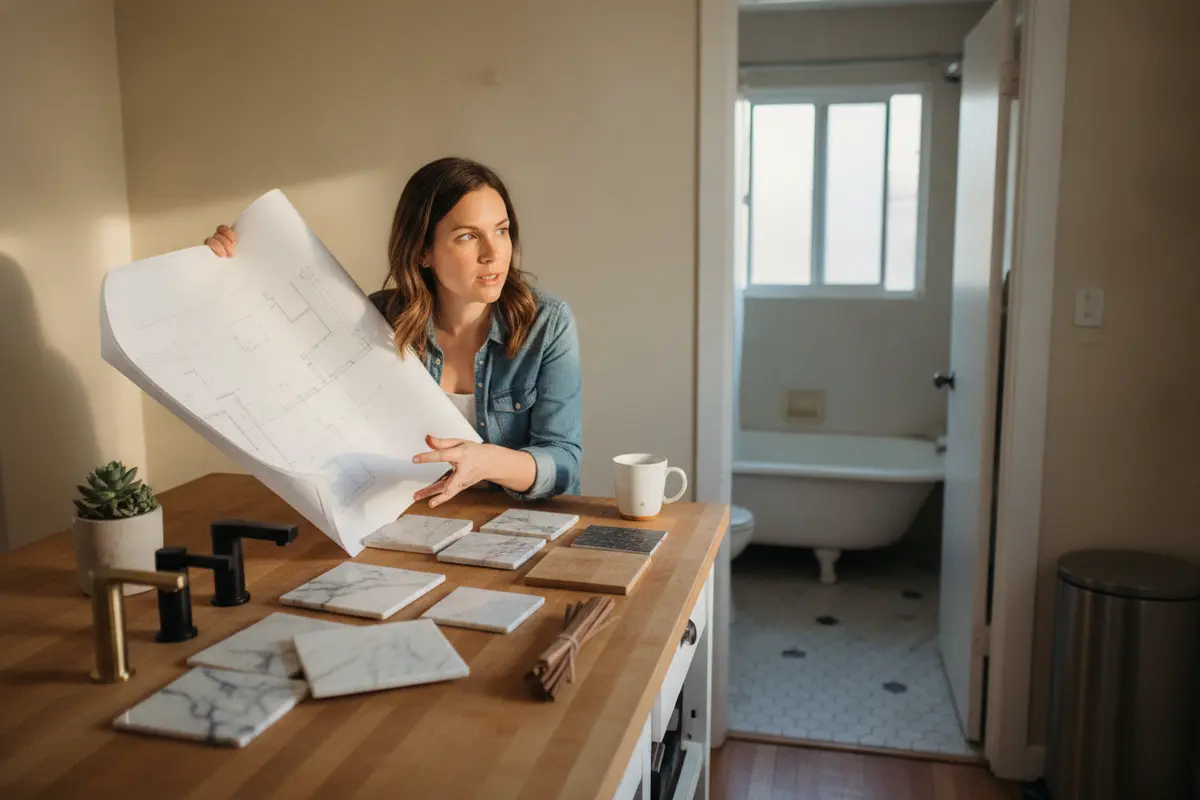
A simple room sketch can make this review more useful. Mark the locations of the toilet, vanity, tub or shower, doors, windows, and visible access panels. Record approximate dimensions and take photos of existing finishes before demolition. Keep notes about when stains or odors appear, whether a fixture drains slowly, and which surfaces feel loose. This record helps you explain the room clearly when asking for advice, and it gives you a baseline for checking that planned changes still fit the space.
- Check the visible surfaces. Note cracked tile, loose flooring, failed caulk, damaged grout, stains, and peeling paint. Photograph the areas and note whether a problem changes after shower use.
- Look for signs of moisture. Check around the tub, shower, toilet, vanity, and nearby walls for discoloration, swelling, softness, or persistent odor. Do not conceal these signs with a new surface before understanding the cause.
- Test the layout on paper. Measure the room and note door swings, fixture locations, storage needs, and clear walking space. If the plan moves plumbing or changes walls, add a professional review rather than assuming the current connections can be reused.
- Separate needs from preferences. Identify what must be repaired or improved for function, then list optional upgrades. This helps keep a project focused if the existing conditions require additional work.
- Set household limits. Decide how long the bathroom can be out of service, what areas must remain accessible, and how much work you can realistically do yourself.
For further planning context, see King Remodeling’s bathroom remodel timeline overview and its guide to custom walk-in showers if your project includes changing the shower. Use both as general reading, not a promise of a particular schedule or a substitute for confirming the conditions in your home.
What questions should you ask before hiring help?
If you decide to bring in a contractor, take time to confirm that the proposed scope matches your goals. Ask who will perform and coordinate each part of the work, how the project will be documented, and what happens if demolition uncovers a problem. Ask whether the agreement identifies materials, allowances or selections, payment terms, schedule assumptions, cleanup, and the process for approving changes.
Request clarification in writing if an answer affects price, scope, or schedule. Ask how communication will work during construction and who your main point of contact will be. Check the contractor’s qualifications and license status through the appropriate state resources, and make sure the written agreement is clear before work begins. Avoid choosing on a single number without understanding what is included.
King Remodeling serves San Diego County and presents its work as a design-build process. Homeowners can learn more about its remodeling services and the company’s general contracting approach. If you are considering several project types, its home remodeling contractor guide offers another starting point for evaluating help. Review the actual scope and agreement for your project before making a decision.
Frequently Asked Questions
Can I remodel a bathroom myself?
You may be able to complete limited cosmetic updates if you have the right skills, tools, and time. Work that involves plumbing changes, electrical systems, shower waterproofing, structural components, or hidden damage is more complex and can have consequences beyond the room. Decide task by task, and bring in qualified help when you are unsure about safety or the installation requirements.
What is the hardest part of a DIY bathroom remodel?
The hardest part depends on the project, but concealed conditions and water management are common challenges. A shower can require careful coordination of the substrate, waterproofing, drain, and finish materials. Layout changes can also expose plumbing, framing, or electrical work that is not apparent before demolition. A realistic plan includes contingencies for what you cannot see yet.
Can I do some bathroom work myself and hire a contractor for the rest?
Often, homeowners can take on selected low-risk finish tasks while professionals handle the technical work. Agree on the division in advance, including who supplies materials, who checks dimensions, and when each task occurs. Clear responsibilities help prevent delays and disagreements about unfinished or damaged work.
How do I know whether my bathroom needs a full remodel?
A full remodel is not automatically necessary because a room looks dated. Start by identifying functional problems, visible damage, moisture concerns, and the changes you want. If repairs affect hidden systems or if you are considering a layout change, ask a qualified professional to assess the scope before choosing between a repair, partial refresh, and larger renovation.
Discuss your bathroom project with King Remodeling
The best approach is the one that fits the actual work, your abilities, and your household’s tolerance for time and disruption. Define the scope first, keep safety and moisture control in view, and get qualified help where the work calls for it.