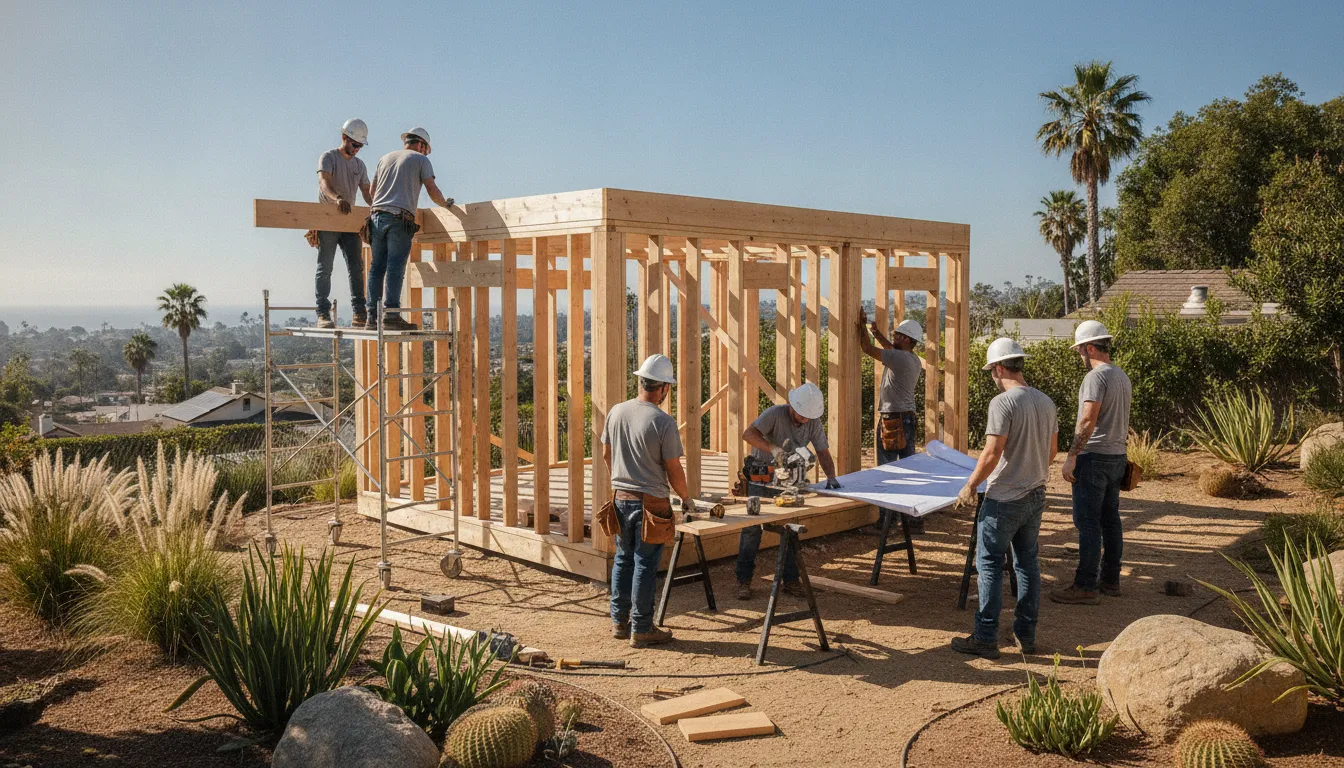
For many San Diego homeowners, an accessory dwelling unit can create needed space without moving. Whether the goal is a private suite for family, a flexible guest home, or future rental income. The challenge is getting a realistic budget before design decisions and site conditions begin to shape the project.
Get a free ADU cost estimate for your San Diego property.
For a turnkey adu cost san diego project, homeowners typically spend about $105,000 to $475,000 or more. A detached ADU may run approximately $375 to $600 or more per square foot, depending on its size, layout, finishes, utilities, and lot conditions. The final figure should account for design, permits, construction, and site preparation rather than only the building itself.
That broad range reflects the difference between adapting an existing structure and building a new detached unit, as well as the level of finish and coordination required. Understanding what is included in an all-in estimate makes it easier to compare options and plan with confidence. The next step is to look at how these costs come together for San Diego projects in 2026.
What Does an ADU Cost in San Diego in 2026?
For a San Diego homeowner planning an accessory dwelling unit, a realistic all-in turnkey budget is about $105,000 to $475,000 or more. A detached ADU typically runs $375 to $600 or more per square foot for turnkey construction, depending on its size, layout, site conditions, and finish level. These ranges are planning benchmarks, not a substitute for a property-specific estimate.
The phrase “all-in” matters. A complete turnkey budget should account for the major stages required to move from an idea to a finished, usable space, including:
- Design, drawings, engineering, and project planning.
- Permit applications and related review fees.
- Site preparation, grading, excavation, and foundation work.
- Utility connections or upgrades for water, sewer, electrical, and gas.
- Structural framing, roofing, windows, insulation, and exterior finishes.
- Interior finishes, cabinets, flooring, plumbing fixtures, appliances, and painting.
That broad range reflects how different two San Diego properties can be. A compact unit with straightforward access and nearby utilities may sit toward the lower end. A detached unit that requires extensive sitework, longer utility runs, difficult access, or higher-end materials can move well above the midpoint. The size of the unit also changes the math. Smaller projects often carry a higher per-square-foot cost because design, permitting, mobilization, and utility work still have to be completed even when the floor plan is compact.
Demand for ADUs has also grown substantially across California. The number of ADUs permitted annually increased from 1,336 in 2016 to 30,354 in 2024, according to the California Department of Housing and Community Development. That growth reflects changing housing needs and more homeowners considering additions for family, guests, or rental income. It also makes early budgeting important, especially when several design and construction decisions can affect the final scope.
Before comparing bids, confirm that each proposal defines the same inclusions. A lower initial number may exclude design, permits, utility work, appliances, or finish allowances. Reviewing the full scope with an experienced remodeling team, alongside your broader San Diego home remodeling guide, helps you compare estimates on an equal basis and plan with fewer surprises.
ADU Cost by Type: Which San Diego ADU Fits Your Budget?
The structure you choose often sets the starting point for your project budget. A JADU or garage conversion can use space that already exists, while an attached or detached ADU may require more design, construction, and utility work. California recognizes both attached and detached ADUs, along with JADUs as a separate small-unit category. Review the options below as planning ranges, not fixed bids, because the existing property and final scope can move the total substantially.
Junior ADU (JADU)
- Cost: $80,000-$150,000.
- Typical size or defining feature: Up to 500 sq ft within the existing home footprint.
Garage Conversion ADU
- Cost: $105,000-$260,000.
- Typical size or defining feature: Uses an existing garage structure.
Attached ADU
- Cost: $150,000-$300,000.
- Typical size or defining feature: Typically 400-800 sq ft.
Detached ADU
- Cost: $200,000-$450,000+.
- Typical size or defining feature: Typically 400-1,200 sq ft; about $375-$600 per sq ft.
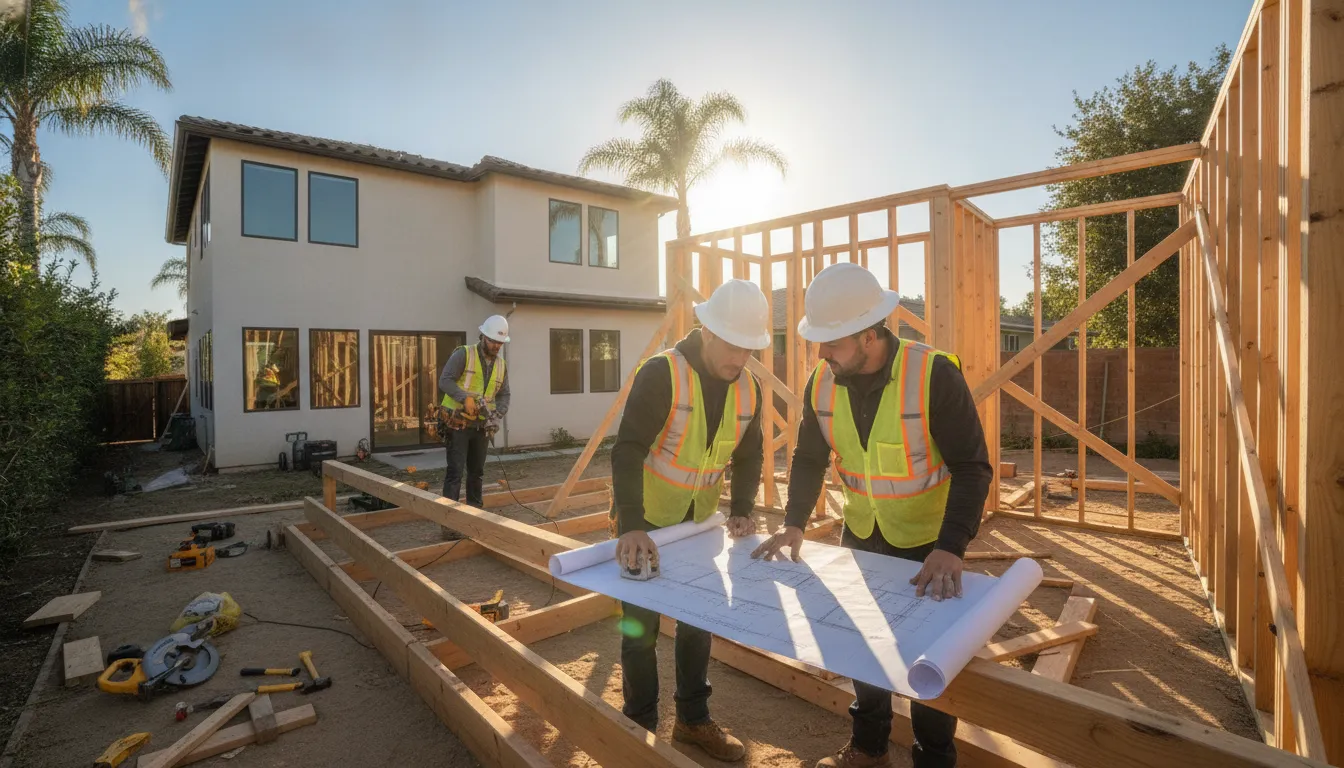
A JADU usually has the lowest entry cost because it stays within the existing home footprint and is limited in size. That does not make it the right fit for every household. It may be practical when the goal is a private sleeping or living area with a compact layout, but it offers less flexibility than a full ADU.
Garage conversions can be efficient when the slab, framing, and utilities are suitable for reuse. The condition of the garage matters, however. Insulation, windows, plumbing, electrical upgrades, waterproofing, and removal of existing finishes can all affect the final scope.
Attached ADUs provide more room while sharing at least one wall with the main house. They can be a strong middle-ground option when the property has limited yard space. Detached units provide the greatest separation and layout freedom, but they also introduce more exterior construction, site work, utility routing, and foundation costs. For that reason, the per-square-foot range is a useful comparison, not a guarantee.
In practice, ADU cost in San Diego is driven by the relationship between type and size. A larger garage conversion may cost more than a small attached unit, and a compact detached ADU can still require substantial site preparation. The most useful early estimate accounts for the property, intended use, floor plan, finishes, and required infrastructure together.
What Factors Drive the Price of an ADU in San Diego?
Two ADUs with similar square footage can have very different budgets because the work behind the walls and beneath the foundation is not always the same. In San Diego, the property itself, the approval process, the material selections, and the labor required all shape the final proposal.
Site preparation and utility connections
Site preparation is often the first major variable. A level, accessible backyard may require relatively straightforward preparation, while a sloped lot can need grading, retaining work, drainage improvements, or more involved foundation planning. The distance between the ADU and existing water, sewer, electrical, or gas connections can also affect trenching and installation costs.
- Grading and foundation preparation for sloped or uneven sites.
- Utility trenching and connections to the main house or service lines.
- Equipment access, material staging, fencing, and site protection.
These conditions are why site preparation should be evaluated before relying on a broad online estimate. It is one of the factors that can significantly affect final pricing.
Design and permit fees
Predevelopment costs include design and permit fees. The complexity of the floor plan, structural requirements, energy documentation, and local review process can all influence the time and professional services required before construction begins. A clear plan helps identify these costs early instead of allowing them to appear as surprises after work has started.
California’s ADU rules have made approvals more accessible in many situations, but each San Diego property still needs a site-specific review. Lot constraints, setbacks, existing conditions, and utility requirements can affect both the design and the approval path. The San Diego County ADU information is a useful starting point for understanding local requirements.
Finishes and construction type
Finishes create one of the widest budget swings. Durable standard cabinets, flooring, fixtures, and appliances produce a different total than custom millwork, premium tile, upgraded windows, and luxury appliances. Choosing where to invest is more useful than assuming every room needs the highest-cost option.
Construction type matters as well. ADUs are often built with cost-effective wood-frame construction, which is significantly less costly than homes in new multifamily infill buildings, according to the California ADU Handbook.
Labor and San Diego market conditions
Labor availability, trade coordination, material pricing, and the timing of the build all influence an ADU estimate. San Diego’s construction market can carry higher costs than other areas of California, so a current, local proposal is more reliable than an outdated national average. A detailed scope should identify allowances, site assumptions, finish levels, and the work included, making it easier to compare bids accurately.
What Do Permits and Soft Costs Add to an ADU in San Diego?
Before construction begins, an ADU budget includes more than framing, plumbing, cabinets, and finishes. Predevelopment costs generally include design and permit fees, along with the professional and administrative work required to turn an idea into an approved project. These costs are part of the investment in a buildable plan, not an optional add-on.
California policy changes have also made ADU permitting more accessible than it was in the past. The California Department of Housing and Community Development reports that the number of ADUs permitted annually increased from 1,336 in 2016 to 30,354 in 2024. That growth reflects a more supportive statewide framework, but each San Diego County property still needs to be evaluated against applicable local requirements.
Which soft costs should you include?
Soft costs vary by the ADU type, property conditions, design complexity, and jurisdiction. A realistic planning budget should account for categories such as:
- Design and architecture: Drawings, layouts, and architectural coordination for the proposed unit.
- Engineering: Structural or site-related design work needed to support the plans.
- Permit fees: Application and issuance costs required for review and approval.
- Impact and utility fees: Charges that may apply based on the project and its connections.
- Plan checks: Review fees and revisions associated with bringing plans into compliance.
- Contingency: A reserve of approximately 8% to 12% can help address design adjustments or site-specific discoveries.
San Diego County regulations may affect decisions involving height, parking, deed restrictions, solar requirements, and other project conditions. The San Diego County ADU information is a useful starting point, but property-specific guidance is still important before finalizing a budget.
Working with a design-build firm in San Diego can consolidate design, engineering, permitting, and construction coordination under one team. That reduces the burden of managing separate vendors and makes it easier to see how predevelopment decisions affect the full project cost.
How to Finance an ADU in San Diego
Financing an ADU usually begins with a realistic project scope, then matches that scope to grants, construction loans, and other local housing programs. Eligibility, application requirements, and funding availability can change, so confirm current terms with the administering agency before relying on a program in your budget.
- CalHFA ADU Grant Program: The California Housing Finance Agency program provides up to $40,000 to reimburse eligible predevelopment costs necessary to build and occupy an ADU. These costs can include design and permit-related work. Review the current requirements through the California Department of Housing and Community Development ADU funding resources, and ask an approved lender or program administrator how reimbursement works.
- San Diego Housing Commission ADU Finance Program: The program offers construction loans of up to $200,000, along with technical assistance at no cost to the homeowner. The San Diego Housing Commission ADU program can help qualified homeowners understand the application process, project requirements, and available support before construction begins.
- CalHome assistance: California’s CalHome Program provides funds to local public agencies and nonprofit organizations for ADU and JADU construction, repair, and reconstruction. It may also support predevelopment and carrying costs during construction, depending on the local program structure and applicant eligibility.
- Local Housing Trust Fund programs: Local Housing Trust Fund resources may be used for the conversion, repair, reconstruction, or construction of ADUs and JADUs. Availability is administered locally, so San Diego homeowners should verify whether an active local offering applies to their property and project.
Some homeowners may combine multiple sources, but the order matters. Start by confirming eligibility and reimbursement rules, then prepare a scope, preliminary budget, and documentation package for the lender or program administrator. Avoid treating a grant as guaranteed cash until the award and payment terms are confirmed.
A design-build firm that provides fixed-bid pricing can make this process more predictable. Instead of asking a lender to evaluate disconnected estimates from separate designers, contractors, and specialty vendors, the homeowner can present one coordinated scope with defined allowances and responsibilities. That clarity helps the financing conversation. While also making it easier to compare the proposed ADU cost in San Diego with the available funding and the homeowner’s own contribution.
Is an ADU Worth the Cost in San Diego?
An ADU can be worth the investment when it solves a real housing need while giving your property more flexibility. The value is not limited to resale potential. A thoughtfully planned unit can support family, create income, and adapt as your household changes.
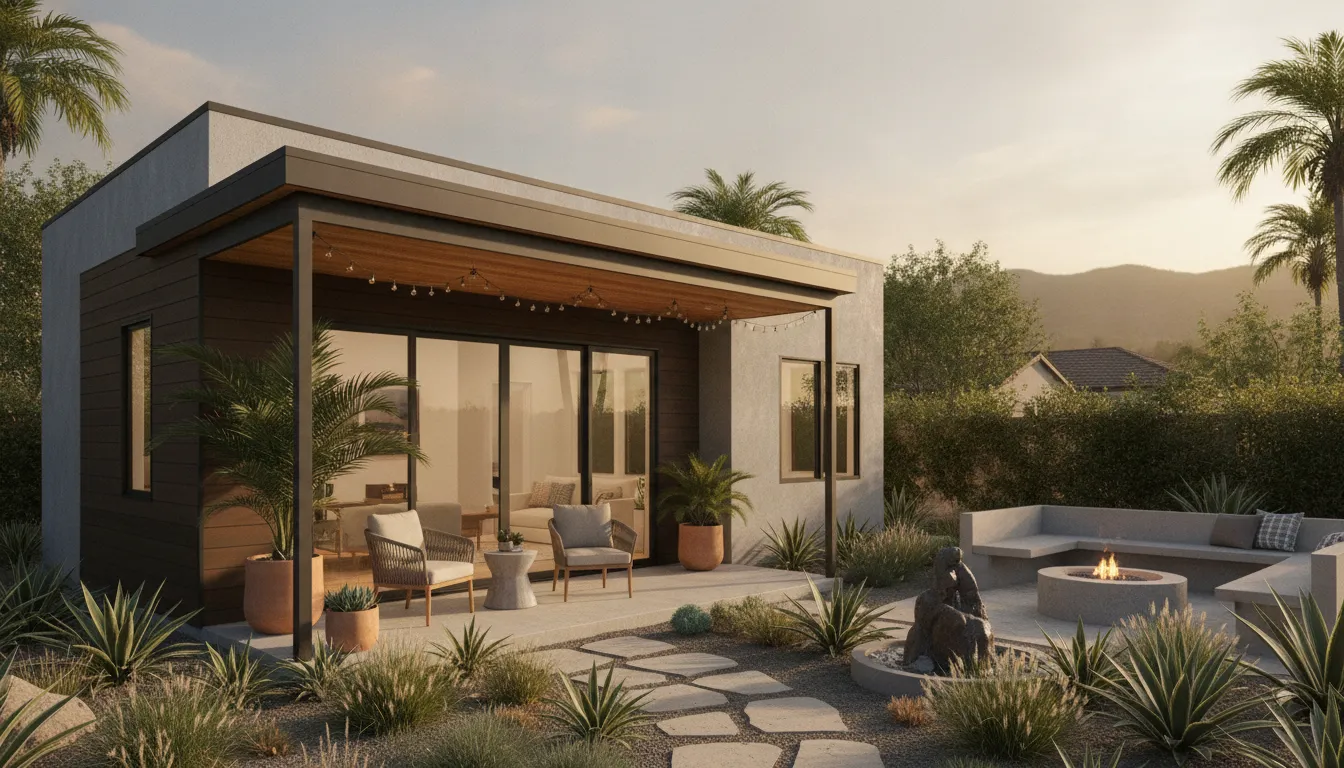
For multigenerational households, an ADU allows extended family members to live nearby while maintaining privacy and independence. A parent, adult child, or visiting relative can have a separate entrance, kitchen, and living area without being far from the support of family. The California Department of Housing and Community Development identifies this proximity-with-privacy benefit as one of the core uses of an ADU. Read the state ADU handbook for additional planning guidance.
- Family support: Create a comfortable nearby home for relatives without requiring everyone to share the main house.
- Potential rental income: An ADU can provide a source of income for homeowners, depending on the unit, local requirements, and rental strategy.
- Property flexibility: Add space that can serve as a guest suite, home for an adult child, workspace, or future housing option as your needs evolve.
Long-term value also depends on how the project is delivered. Cutting the initial price can create problems when plans are incomplete, communication is inconsistent, or the timeline keeps moving. King Remodeling clients prioritize trust, craftsmanship, clear communication, and timeline reliability over the lowest price. Those priorities matter even more when an ADU involves design decisions, permits, construction coordination, and finish selections.
King Remodeling provides a start-to-finish design-build experience under one roof, helping homeowners avoid the burden of coordinating multiple vendors. A fixed-bid proposal also gives you a clearer basis for evaluating the investment before construction begins. You can compare the scope, materials, schedule, and expected function rather than choosing a contractor on price alone. Explore our design-build process to see how the project can stay coordinated from planning through completion.
The right question is not simply whether an ADU costs a lot. It is whether the finished space will deliver dependable value for your family, finances, and future plans. If you are ready to move forward, book a free ADU planning call and get a fixed-bid proposal for your property.
Get a free ADU consultation for your San Diego home online here, or call (858) 299-7700.
The FAQ below addresses several practical questions homeowners ask before taking the next step.
Frequently Asked Questions
How much does it cost to build an ADU in San Diego?
All-in turnkey projects typically range from $105,000 to $475,000 or more. The final budget depends on the unit type, size, site conditions, design and permit work, utility requirements, and finish level. A detailed scope and fixed-bid proposal are the best way to replace a broad planning range with a project-specific number.
What factors impact the cost of an ADU in San Diego?
Site preparation, design and permit fees, the type of ADU, and interior finishes are major cost drivers. A level, accessible lot may require less preparation than a site with grading, retaining walls, or difficult utility connections. Material selections also matter, so compare estimates by looking at the included scope, allowances, and finish specifications rather than comparing totals alone.
How much does a garage conversion ADU cost in San Diego?
A garage conversion generally costs between $105,000 and $260,000. Reusing an existing structure can reduce some construction work, but the space may still need insulation, plumbing, electrical upgrades, windows, a kitchen, a bathroom, and code-related improvements. The condition and layout of the garage determine how much of the existing space can be retained.
Are there financing options for ADUs in San Diego?
Yes. The San Diego Housing Commission ADU Finance Program offers construction loans of up to $200,000 and no-cost technical assistance, subject to program eligibility. California’s CalHFA ADU Grant Program provides up to $40,000 to reimburse eligible predevelopment costs. Confirm current requirements and availability directly with the San Diego Housing Commission and California HCD before relying on either program.
What is the cost per square foot for a detached ADU in San Diego?
Turnkey detached ADU construction typically ranges from $375 to $600 or more per square foot. This figure is a planning benchmark, not a final bid. Because smaller units can have higher costs per square foot and every property has different site, utility, permitting, structural, and finish requirements.
Ready to Plan Your San Diego ADU?
A clear conversation can help you understand which ADU approach fits your property, goals, and budget before design decisions begin. Schedule a free consultation for your San Diego ADU online here. Call (858) 299-7700 if you prefer to talk it through by phone. King Remodeling can help you take the next step with practical guidance and a thoughtful plan for your backyard addition.