Choosing outdoor living contractors is about more than finding someone who can install a patio or build a pergola. The right team should understand how you plan to use the space, explain what is included, account for drainage and site conditions, and put the work in a clear written proposal. San Diego homeowners can use the steps below to compare teams before committing.
Review remodeling services and discuss your project plans
What should you ask outdoor living contractors to include?
Before comparing bids, make sure every contractor is pricing the same basic project. A vague request such as “make the backyard more usable” can lead to proposals with very different assumptions. One team may include demolition and disposal; another may price only new pavers. Write down what you want to change and ask each contractor to identify what is included, excluded, and still undecided.
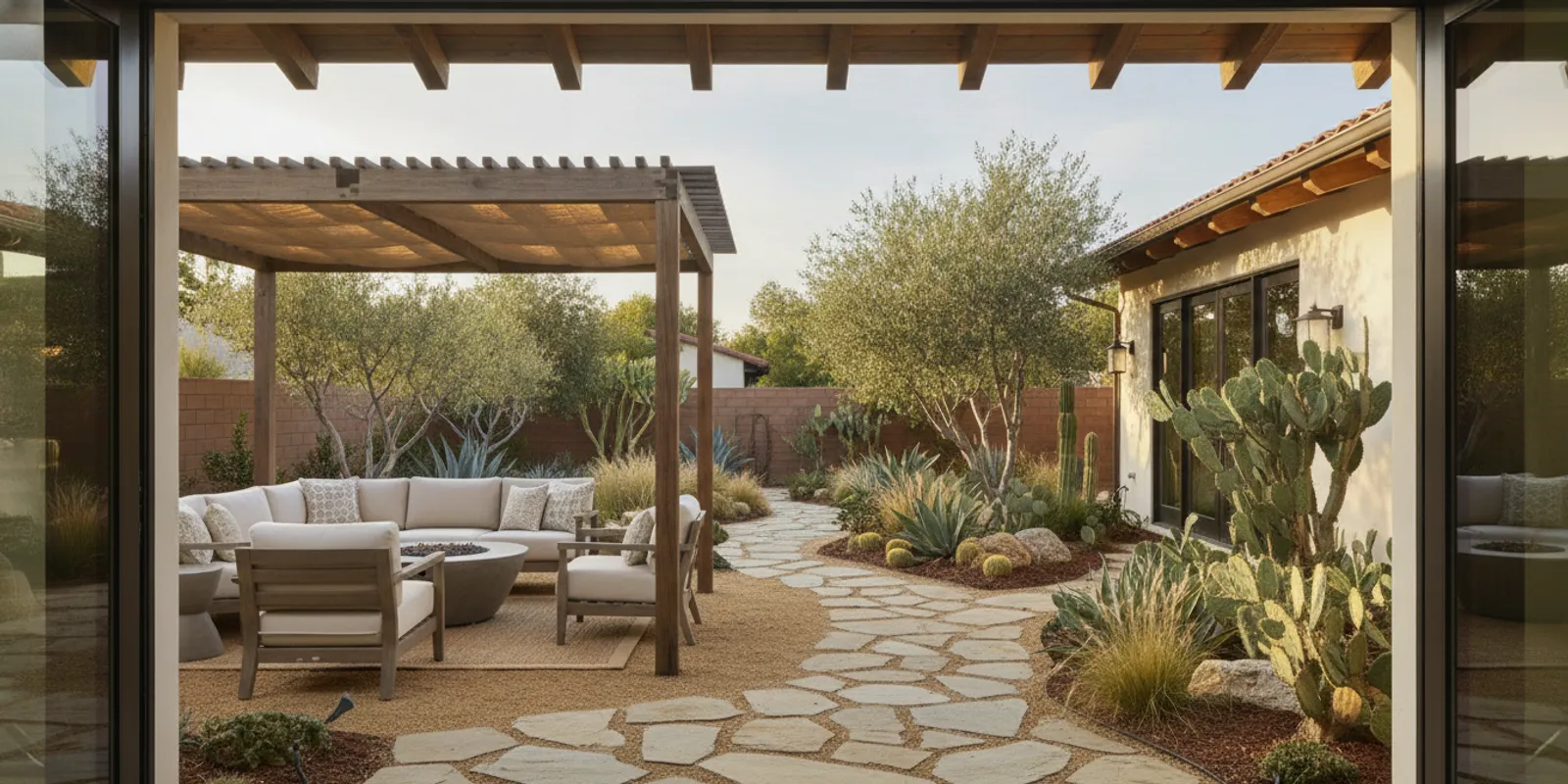
Start with the way you expect to use the space. For example, a family that wants a place to eat outdoors may prioritize a level surface and a route between the kitchen and patio. Someone hoping to create a quiet sitting area may care more about shade, privacy, and how the space looks from inside the home. Write down your top three priorities, then describe what a successful result would let you do. This gives contractors useful context without locking you into a design before the site is assessed.
A useful scope describes the work by area and task. Depending on your project, it may cover:
- Removal and disposal of existing paving, structures, or other materials.
- Site preparation, grading, and any necessary base or soil work.
- Patio, walkway, retaining, shade, or other construction elements you have requested.
- Material types, product selections, finish details, and installation methods.
- Drainage measures and how the work will connect to the existing yard.
- Protection of areas that will remain, cleanup, and final walkthrough.
Do not assume features are included just because they appear in a sketch or conversation. Ask whether lighting, electrical work, irrigation changes, planting, utility relocation, and finishing details are part of the price or require a separate trade. If an item is not part of the contractor’s work, the proposal should say so. For examples of how design choices can shape a home project, browse the company’s design and remodeling ideas, then make a separate list of outdoor requirements to discuss with prospective teams.
Use a written brief to keep the request consistent. It can be simple: note the approximate work area, what should be removed, what features you hope to add, what must remain untouched, and any known concerns. Attach a few current photos and mark the views or routes that matter. Send the same information to each bidder. If a contractor recommends changing the scope after the site visit, ask for the reason and make sure the updated request is reflected in every comparison.
How can you compare design support and communication?
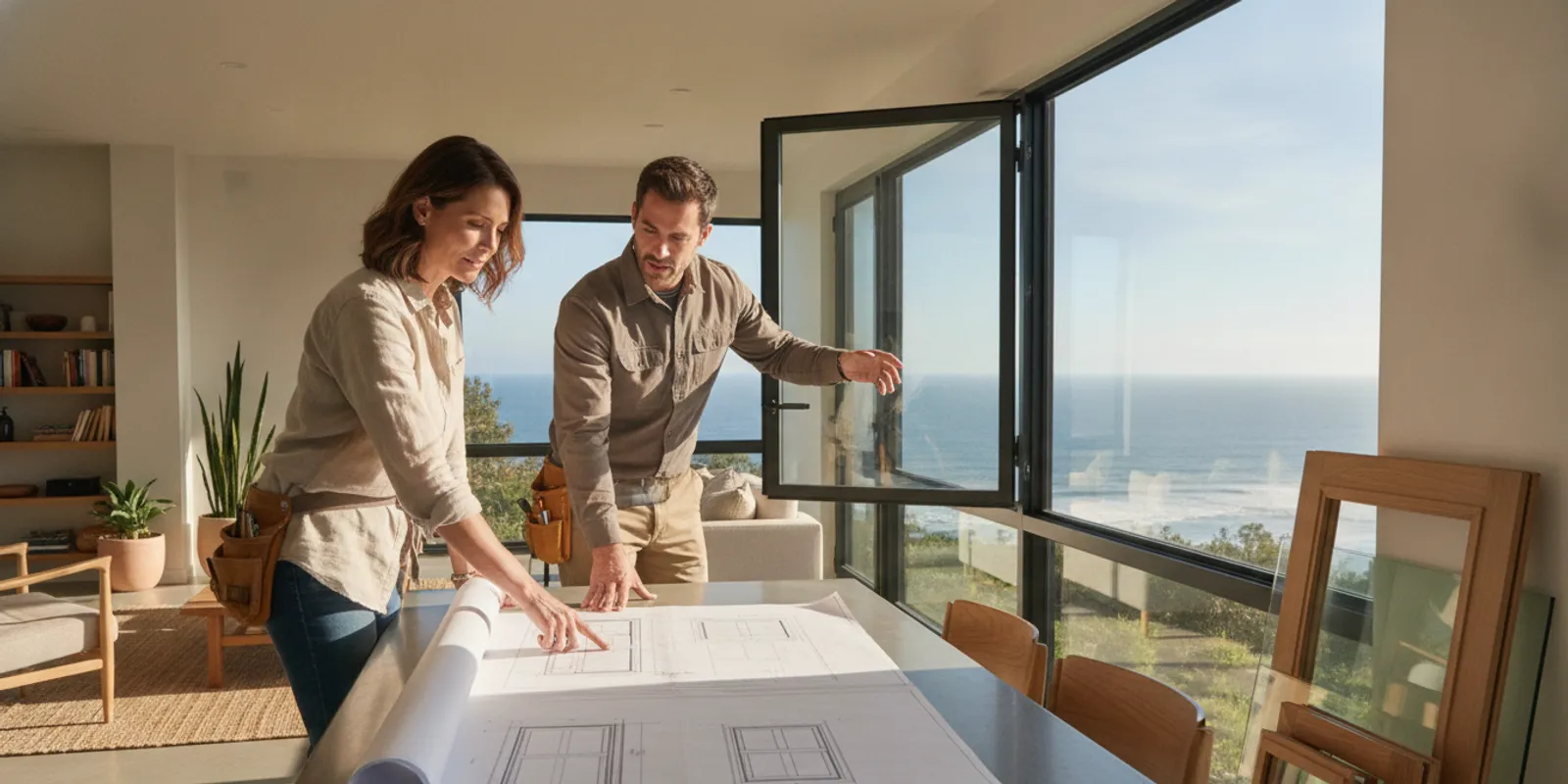
Outdoor projects involve decisions about layout, access, materials, and how the new area connects to the house. Ask each contractor how those decisions will be made and when you will see them in writing. A conversation alone is not a substitute for a plan that both sides can review.
Find out who will guide the design decisions, who will be your day-to-day contact, and how questions or changes are handled during construction. Ask whether you will receive a drawing, dimensioned plan, material schedule, or other visual reference before work begins. The level of documentation should suit the scope: a small straightforward patio may not need the same detail as a complex project with several connected features. Whatever the format, it should be clear enough to show where the work goes and how the agreed pieces relate.
Clear communication also means knowing what happens when a hidden condition or selection change affects the work. Ask the contractor to describe the approval process before extra work begins. For a general example of how a coordinated remodeling project can be organized, review the King Remodeling project process. Use it as a prompt for questions, not as a substitute for confirming the process offered by an outdoor contractor.
Pay attention to whether the contractor listens and follows up. A useful early discussion should clarify your priorities, point out items that need investigation, and distinguish confirmed details from assumptions. If you are still defining the project, a structured remodel planning guide can help you organize goals and decisions before you request final proposals.
Try asking each team to walk you through a likely sequence: what happens before construction, how selections are confirmed, who coordinates the work, and when you will be asked to approve a change. Listen for specific responsibilities. “We will keep you updated” is less useful than knowing who will contact you, how often, and how urgent questions are handled. You do not need a promise of a perfectly predictable project; you need a clear route for decisions when the plan meets real site conditions.
Which site conditions should a contractor evaluate?
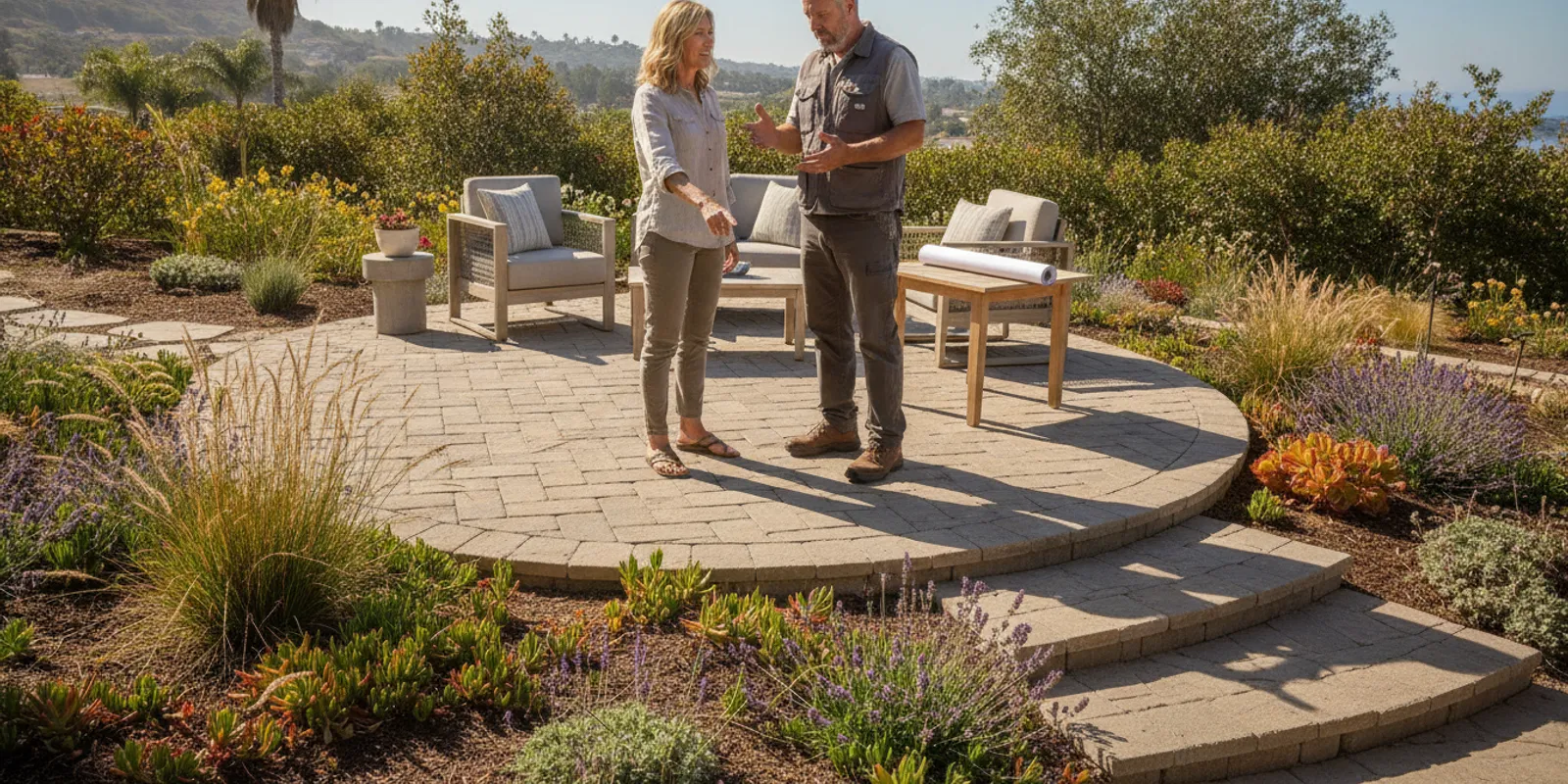
Outdoor construction has to work with the property that is actually there, not just the look of an inspiration photo. Ask the contractor to inspect access, grade changes, existing paving, water flow, nearby structures, and visible utility features before settling on a price and schedule. On a sloped lot or a yard with drainage concerns, ask how the proposed work will direct water and where it will go.
Drainage deserves a specific conversation. A new paved surface can change how water moves across a yard. Ask what slope or drainage provisions are planned, how they relate to the house and neighboring areas, and who will evaluate the design if the site has a known water problem. Get the answer in the proposal or associated plan. Do not rely on an assurance that water will “work itself out.”
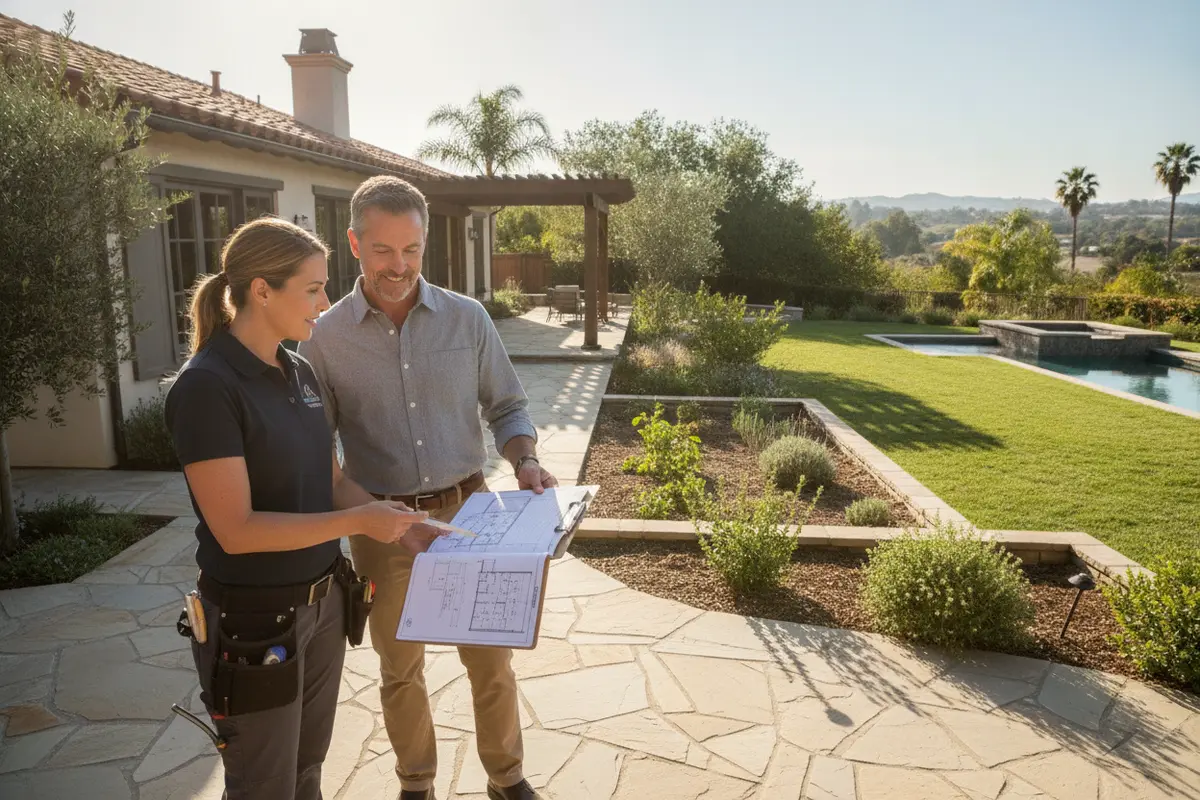
Other questions depend on your property and project. Is there a clear route for bringing materials and equipment into the yard? Could tree roots, existing walls, or underground services affect excavation? Will the work require access through the home? Which areas need protection? Asking these questions early helps reveal whether the contractor has considered practical construction details rather than only the finished appearance.
Take photos of existing conditions and point out recurring issues such as standing water, cracking, or areas that become difficult to access. Share what you know, but ask the contractor to identify what needs professional assessment. Site review is an important step in deciding whether a proposal is complete or still depends on unknown conditions.
Use a short site-walk checklist so details are not lost in conversation:
- Show where water collects after rain and describe how long the condition lasts.
- Point out doors, steps, gates, and narrow passages that affect access or finished heights.
- Identify plants, trees, walls, paving, and fixtures that should be protected or removed.
- Ask how equipment and materials will reach the work area and where they will be stored.
- Record which questions need a follow-up inspection or confirmation from a qualified specialist.
For example, if an existing patio sits close to a doorway, the new surface height and transition deserve explicit discussion. If the yard slopes toward a wall, ask the contractor to explain what the proposal does about runoff before you compare prices. Those details may change the work required, so they should not be left as an informal assumption.
How should you review materials and workmanship details?
Material names alone do not make proposals comparable. Ask for specific product or material descriptions, finish, color, dimensions where relevant, and the location of each selection. Confirm who supplies materials, how substitutions are approved, and whether the quoted amount assumes a particular product or allowance.
Discuss how the chosen materials will be used and maintained. For paving or other hard surfaces, ask about the base preparation, edge restraint, joints, cuts, transitions, and how the surface meets existing paths or thresholds. For structures, clarify the material, finish, connection details, and what routine maintenance may be needed. The goal is not to dictate technical methods you cannot assess; it is to get a clear explanation of what the team proposes and why it suits the project.
Ask what a stated allowance means in practice. If the proposal sets aside a budget for a finish that you have not selected, ask how that amount was chosen, what happens if your selection costs more or less, and whether labor or delivery changes too. An allowance can be a reasonable way to keep planning moving, but it is not the same as a confirmed product selection. Make each open choice visible so that you can see which parts of the price are firm and which may change.
Ask to see relevant completed work and, if possible, examples with similar materials or site conditions. The contractor should be able to explain what the project involved and which portions their team completed. You can browse King Remodeling’s project examples for a sense of how finished remodeling work is presented, while asking outdoor contractors for examples that match your scope.
When reviewing an example, focus on details you can compare rather than overall style alone. Ask how edges were finished, how the new work met existing surfaces, whether the project included drainage or grading, and what maintenance the chosen materials need. A photograph cannot tell you the full construction scope, but it can help you form questions and decide whether a contractor has experience relevant to your priorities.
Explore remodeling services as you plan your next steps
What should a written proposal explain?
A proposal should let you understand the work, price, and responsibilities without relying on memory from a meeting. Read it alongside any drawings, selection sheets, and schedules. If information is missing, ask for clarification before you sign or make a deposit.
- Scope: A description of each included task, plus clear exclusions.
- Materials: Product or material details, allowances, and the process for substitutions.
- Price and payment terms: The total or pricing basis, payment milestones, and any conditions that could change the price.
- Schedule: Expected start, approximate duration, work hours, and factors that could affect timing.
- Site responsibilities: Access, protection, cleanup, disposal, and any homeowner preparations.
- Changes: How changes are documented, priced, and approved before the added work proceeds.
- Closeout: What the final walkthrough covers and how questions about completed work are handled.
Compare the proposals line by line rather than looking only at the bottom-line price. A lower number may reflect a smaller scope, a material allowance, or an unresolved site condition. A more detailed proposal may cost more because it includes work another bidder left out. Ask each contractor to explain differences in writing so you can make an informed comparison.
Consider a simple example. One proposal may list removal, base preparation, paving, edge work, and disposal as separate tasks. Another may say only “install patio.” The second number may look easier to compare, but it leaves you to ask what the contractor assumed about demolition, the base, debris, and transitions. Do not treat the shorter proposal as cheaper until the same tasks and materials are accounted for in both.
Keep a copy of the proposal and all approved changes. If discussions alter the scope, ask for an updated document rather than relying on a text message or a verbal understanding. Written records make it easier for everyone to track decisions.
Before accepting a proposal, read it once for the finished result you expect and again for responsibilities. The first pass checks whether the planned space matches your priorities. The second checks who selects materials, supplies them, confirms approvals, protects existing areas, removes debris, and handles changes. If a responsibility is not assigned, ask who will own it. A clear document should make it possible to spot the gap before the work starts.
How can San Diego homeowners check qualifications and approvals?
Ask the contractor for the legal business name and license information, then verify the details through the California Contractors State License Board. The CSLB website provides information for consumers about California contractor licensing. Confirm that the information matches the business you are considering, and ask what insurance documentation is available for your project.
Do not assume that every outdoor project follows the same approval path. Requirements can depend on the work, property, and local jurisdiction. Ask the contractor which permits or approvals may apply, who will determine what is needed, who will obtain it, and whether related costs are included in the proposal. If the answer depends on project details, ask for those details to be identified rather than accepting a blanket promise.
A useful contractor discussion should make responsibilities clear. Who coordinates inspections if they apply? What work will not start until an approval is obtained? Are there homeowner or association decisions to resolve first? Confirm the answers with the appropriate local authority when needed; an informal estimate is not an official determination.
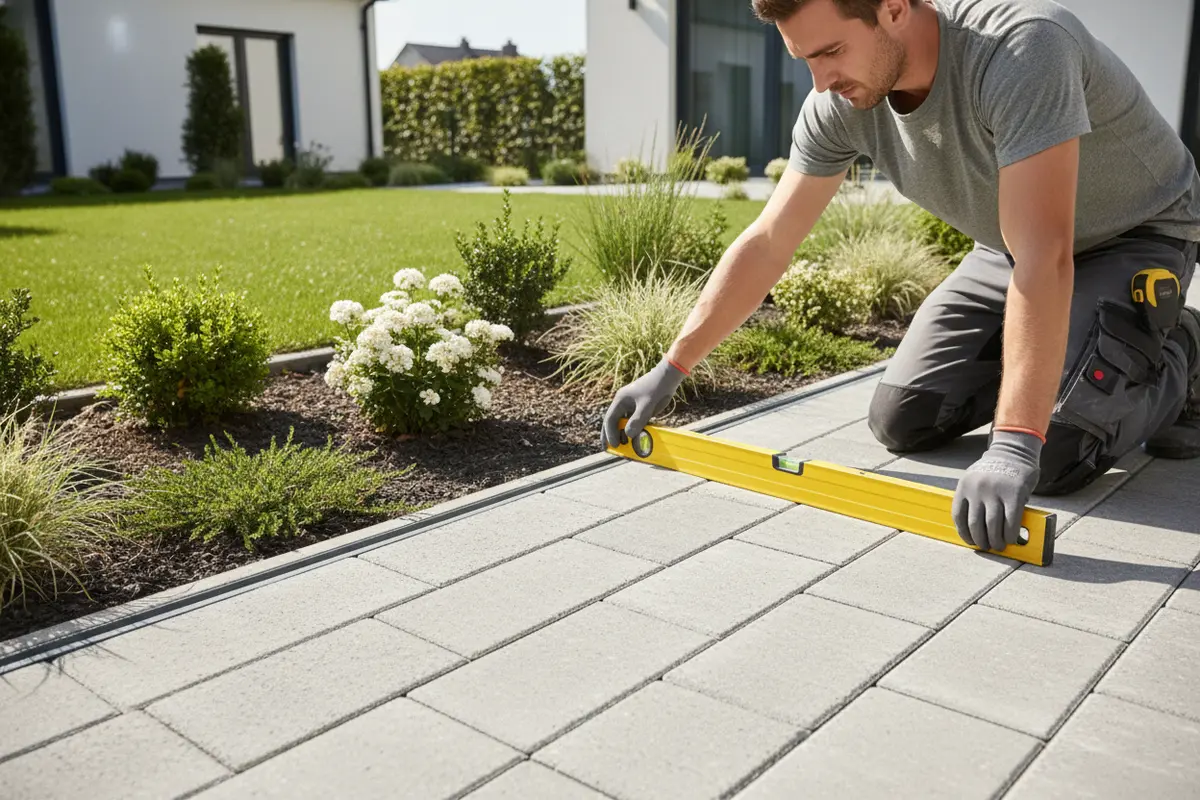
For a project with several features, write down the approval questions next to the feature they relate to. A structure, changes to grading, and electrical work may each raise different questions, so a single general statement about permits may not resolve them. Ask the contractor to identify what is known, what needs confirmation, and who is responsible for checking. Keep the written answer with the proposal so you can refer to it as the project develops.
What questions should you ask before choosing a team?
Use the first meeting to learn how the contractor thinks through the project, not just to collect a price. Ask questions that invite specific answers and follow up when a response is unclear.
- What parts of the requested work do you perform, and which parts would involve another trade?
- What site conditions could affect the scope, schedule, or price?
- How will you plan drainage and protect the home and areas that remain?
- What drawings, selections, or written details will I review before construction?
- Who is my main contact, and how often will I receive updates?
- How do you document a change in materials, price, or scope?
- What approvals may be needed, and who is responsible for confirming them?
- Can I see work similar in scope and materials to my project?
- What is excluded from this proposal, and what assumptions does it use?
Look for direct answers that match the written proposal. A contractor does not need to know every answer during an initial visit, but should identify what must be checked and follow up with a clear response. Be cautious if important details stay vague, the proposed work changes from one conversation to the next, or you are pressured to approve an incomplete scope.
Ask about communication in a practical way. How should you raise a question once work begins? Who can approve a change? How will you know if a delay or site discovery affects the next step? A reliable process does not mean that no surprises will occur. It means the contractor has a clear way to explain a problem, present options, and obtain approval before carrying out changed work.
You can also ask for a sample schedule or a description of the sequence, while recognizing that dates may depend on selections, approvals, weather, and site conditions. The useful comparison is not a guaranteed finish date versus a cautious estimate. It is whether the assumptions are stated and whether the contractor explains what could affect timing.
How do you make a fair comparison between outdoor living contractors?
Use one checklist for every bid. Record what is included, what remains uncertain, who handles each approval, how changes work, and what communication to expect. Then ask bidders to clarify differences using the same written project description. This makes it easier to compare the actual plan rather than different interpretations of an early conversation.
Make a side-by-side list with the following categories. You do not need a complicated spreadsheet; a page of notes can reveal important differences:
- Scope match: Does each proposal include the same removal, preparation, construction, cleanup, and closeout tasks?
- Selections: Which materials are confirmed, which are allowances, and how are substitutions approved?
- Site assumptions: What has been inspected, and what unknown conditions could change the plan?
- Responsibilities: Who coordinates approvals, outside trades, protection, delivery, and disposal?
- Communication: Who is the contact, how are updates shared, and how are changes documented?
- Price and timing: What is the pricing basis, when are payments due, and what schedule assumptions are stated?
Consider the overall fit, not just cost. A strong proposal should reflect your priorities, acknowledge the property conditions, describe materials and tasks, and explain the next steps. The right team is one that can support the project you want and communicate its limits clearly. If you are also exploring broader home improvements, the remodeling services overview and general contractor information offer context about the kinds of remodeling questions to raise with a contractor. Always confirm that a prospective team specifically performs the outdoor work you need.
Give each contractor the same chance to clarify open items. Send a short written list rather than asking one bidder a detailed question and leaving the others to guess. For example, ask all teams whether disposal is included, how the proposal handles an unselected finish, and what site conditions remain unverified. Then compare the answers alongside the revised scope. This keeps a fair comparison from turning into a contest between different project definitions.
A good decision is not necessarily the proposal with the most pages or the lowest total. It is the option whose scope, assumptions, and communication process you understand and are comfortable accepting. If an important detail cannot be explained yet, pause and identify what information would resolve it before making the commitment.
Review remodeling services and prepare your project questions
Frequently Asked Questions
How many bids should I get for an outdoor project?
There is no single number that fits every project. Compare multiple qualified contractors when practical, and give each the same scope information. A smaller set of detailed, comparable proposals is more useful than several prices based on different assumptions.
Should I choose the lowest outdoor contractor bid?
Not without understanding what it includes. Review scope, materials, exclusions, site assumptions, payment terms, and change procedures. Ask the contractor to explain significant price differences and get clarifications in writing before deciding.
When should permit questions be resolved?
Raise them during planning, before work begins. Ask who will confirm what approvals apply and who will obtain them. Because requirements depend on the project and location, verify uncertain points with the appropriate local authority.
What if the contractor’s proposal does not explain drainage?
Ask for a written explanation of how water will move after construction, what drainage elements are included, and whether further site evaluation is needed. Do not proceed with an unresolved water-management question simply because the finished surface looks attractive.