
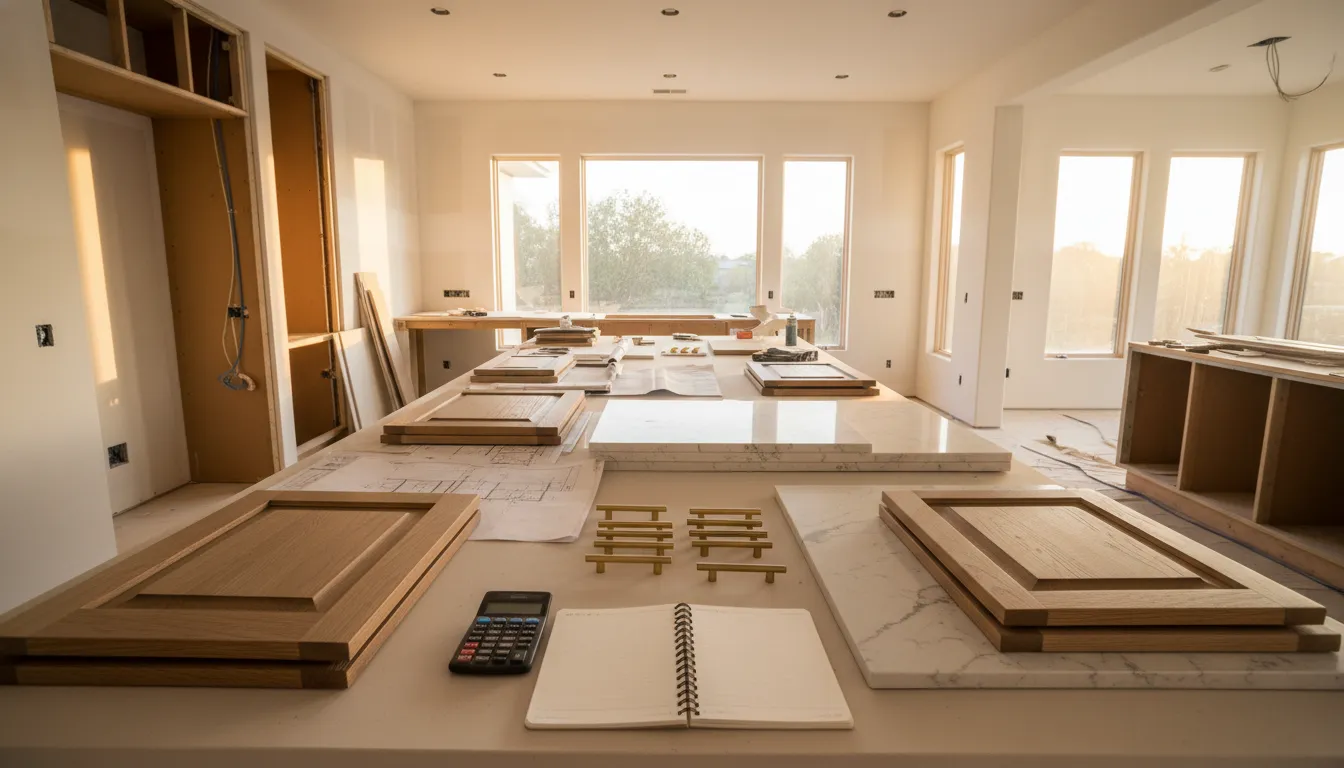
A remodel budget is only real when the monthly payment fits your life. In San Diego, the wrong loan can add cost long after the construction dust clears.
Home remodel financing gives San Diego homeowners several ways to pay for a planned renovation without relying on cash alone. Home equity loans provide a lump sum, while HELOCs let qualified owners borrow as costs arise and may carry changing payments. Personal loans can avoid using the home as collateral, while cash-out refinancing replaces the existing mortgage. Before choosing, compare repayment, rate type, fees, equity, debt load, and risk. A defined scope also helps you request loan amounts that reflect the planned work. The Consumer Financial Protection Bureau explains that HELOCs and equity loans may be second mortgages alongside a first mortgage.
Which option fits your project depends on what you are building, how fixed the price is, and how each payment fits your budget. Home remodel financing starts with a defined project scope, because an accurate plan lets you compare funding on equal terms. Here is how.
Home remodel financing starts with a defined project scope
Home remodel financing works best when it answers a clear plan, not an early guess. In San Diego, a kitchen update, bathroom renovation, and whole-home remodel can involve different rooms, materials, and build needs. Start by deciding what will change, which finishes are included, and what work must be priced.
A lender can tell you what borrowing tools exist. A scoped quote tells you what the project requires. That order helps you compare funds against real work, rather than choose a loan amount before design choices are known.
A scope before an application
Define the rooms first. A whole-home project may connect flooring, cabinetry, surfaces, and more than one kitchen or bath area. A bathroom project has a narrower scope, so a bathroom financing guide serves a more specific need. This guide addresses financing planning for larger or mixed-room remodels.
Before comparing financing options, document requested work, selected materials, site needs, and items that remain undecided. King brings design, material selection, and construction into one process. Homeowners can also create a realistic renovation budget before they match borrowing to the completed scope.
A fixed-bid baseline
After design, King Remodeling provides a fixed-bid contract for the planned project. This gives the financing conversation a defined baseline. It sets out the selected kitchen, bathroom, or whole-home work before funding is chosen. It also makes lender comparisons easier to organize.
Once you have that baseline, compare repayment terms and how funds become available. The Consumer Financial Protection Bureau says a home equity loan pays a lump sum. A HELOC permits repeated draws from an available amount. A defined quote helps show whether staged access or a set sum fits the work plan.
Design, materials, and build alignment
For a San Diego remodel, choices made in design shape the quote that follows. Seeing material options before construction planning is complete can reduce open questions about the scope. King’s integrated design, materials, and build process carries those choices into one fixed-bid plan.
This sequence keeps financing tied to the remodel you intend to build. It applies whether the plan centers on a kitchen, several bathrooms, or a larger home update. Begin with the project and quote; then review financing choices against the same defined scope.
Comparing the main home remodel financing options
Choosing home remodel financing starts with knowing what part of your budget is certain. Costs, timing, and comfort with debt can point households toward different choices. Before comparing funding, create a realistic renovation budget that covers the planned work and room for changes.
What each choice changes
Cash savings avoids a lender payment, but it can leave less cash on hand for surprises. Borrowed funds preserve savings, yet loan terms shape the monthly obligation and the risk tied to the home.
A home equity loan gives a lump sum, while a HELOC permits repeat draws from an available limit. The Consumer Financial Protection Bureau explains these differences and notes that both commonly sit beside an existing first mortgage.
| Option. | Payment pattern. | Collateral and flexibility. | Possible fit. |
|---|---|---|---|
| Cash savings. | No loan payment. | No pledged asset; limited to cash set aside. | Defined scope with reserve left over. |
| Home equity loan. | Lump sum; review repayment terms. | Home equity backs the loan. | A priced scope needing one amount. |
| HELOC. | Payment may change with use and terms. | Home equity backs a credit line. | Costs or draw timing may shift. |
| Personal loan. | Confirm payment schedule. | Ask whether collateral applies. | Comparing choices without drawing equity. |
| Cash-out refinance. | Compare the new mortgage payment. | Review approved loan structure. | Ready to compare mortgage changes. |
| Contractor or lender plan. | Confirm schedule in writing. | Confirm provider, fees, and security. | A confirmed plan has been reviewed. |
Predictability versus flexibility
For a priced scope, a lump sum can be easier to map against the contract amount. For work with decisions spread over time, a reusable credit line can allow draws as bills come due.
The CFPB notes that HELOC payments can vary with the balance and adjustable rate. A defined construction scope can clarify what must be funded. It does not set loan terms.
A large remodel may include design choices made before building and payments made later. Match the funding method to that schedule, not just the first amount needed. Keep a separate reserve for household needs.
Before selecting a payment path
King Remodeling does not promise a financing option unless it is confirmed for a specific project. Homeowners should ask the lender or contractor for written terms before relying on any payment plan.
Bring the same project budget to each lender or plan provider. Ask each one to explain required payments under the scope you plan to build. Review collateral, possible payment changes, fees, payoff rules, and available funds before signing.
How do home equity loans and HELOCs finance remodeling?
How the two options release funds
A home equity loan gives you one lump sum secured by equity in your home. A HELOC provides a credit line, so you can draw, repay, and draw again up to the available limit. The Consumer Financial Protection Bureau explains both structures in its comparison of home equity borrowing options.
For home remodel financing, the key difference is timing. One option provides approved funds at closing, while the other allows draws as bills arise. Because your home backs either product, the financing choice deserves the same care as the remodeling plan.
Neither option turns equity into free project cash. If you still have a mortgage, either product is generally a second mortgage. You repay it in addition to your first mortgage. That extra obligation belongs in the budget before design choices become purchase orders.
Matching funds to the remodel scope
A home equity loan may suit a defined project with an agreed scope and planned payment schedule. When selections and costs are known, one lump sum can be easier to map to planned invoices. San Diego homeowners can consider this while reviewing King Remodeling’s general remodeling services and setting their project scope.
A HELOC may fit work that unfolds in phases, such as one room now and a later project. You borrow when a covered expense arrives, subject to loan terms and available credit. That flexibility does not mean the cost is fixed, or that every change should be financed.
Start by separating planned design decisions from unplanned additions. Set materials, labor, and expected payment points against a written project scope. With that scope, you can ask how each payment date would be funded and repaid.
Questions to review before borrowing
HELOCs usually carry adjustable rates, and payments vary with the balance, according to the CFPB. A draw during construction can affect later monthly payments if the balance or rate changes. Ask the lender how draws, repayment periods, fees, rate changes, and payment examples work before signing.
For either option, compare expected remodel spending with the new payment and your current housing obligations. Review the final scope, contract payment points, and a buffer for changes before choosing how much to borrow. Use written terms and a practical schedule, not a best-case timeline.
A lender can explain loan terms; a contractor can explain scope and payment timing. If mortgage payments are difficult, the CFPB recommends speaking with a housing counselor before taking out either product. This section is educational and does not replace financial advice for your situation.
When might a personal loan or cash-out refinance fit?
Home remodel financing should fit the project plan, not force the plan to fit the loan. Two options homeowners may compare are a personal home improvement loan and a cash-out refinance.
Personal loans without home collateral
A personal or home improvement loan may suit a defined project when a homeowner does not want to borrow against home equity. Many personal loans are unsecured, which means the home is not pledged as collateral for that loan.
This option can be worth reviewing for a kitchen update, bathroom project, or other planned scope with a clear budget. Before borrowing, create a realistic renovation budget that includes labor, materials, permits, and room for changes during construction.
Not using the home as collateral does not remove financial risk. A borrower still needs to review the payment, term, fees, funding time, and what happens if the project scope changes.
Cash-out refinance and the mortgage
A cash-out refinance may be considered for a larger remodel when a homeowner wants to access equity through a new mortgage. It replaces the current mortgage with a larger one, and the homeowner receives the difference in cash.
That structure matters because the decision applies to the full mortgage balance, not just the remodel cost. Homeowners should review closing costs, payment terms, payoff timing, and the risk of securing more debt with the home.
This is different from adding a home equity loan or HELOC while keeping an existing first mortgage. The Consumer Financial Protection Bureau explains that these equity products are generally second mortgages paid in addition to the first mortgage.
A comparison tied to the remodel plan
Start with the project scope and the cash amount needed. A planned, fixed scope may lead to a different choice than a phased remodel with uncertain timing or added design decisions.
Ask a qualified lender to compare total borrowing cost, monthly payment, fees, timeline, and home-related risk for each available option. Use the same remodel budget in each comparison, so the choices reflect the same work and materials.
Financing is one part of a smooth renovation plan. Clear design choices, a written scope, and clear contract terms help homeowners judge whether a loan fits the project before construction starts.
How can you prepare before choosing remodeling financing?
Your project brief and budget
Home remodel financing is easier to compare when the project itself is clear. Before a consultation, list the rooms involved, the work you want done, and the materials that matter most. Note what is essential and what could wait. In San Diego, also bring questions about permit steps, HOA review, and scheduling needs for your property.
Build a working budget before you review funding choices. Include design, materials, labor, permits, and a reserve for changes or hidden conditions. King Remodeling’s guide can help you create a realistic renovation budget before a design conversation turns your ideas into a defined scope.
Your financing readiness checklist
Use this checklist to prepare facts, not to predict approval or terms. A lender decides qualification and offers based on its review. Your remodeling team can define the project scope and timing, while you compare financing with the lender or financial adviser you choose.
-
Define the scope. Write down each room, must-have improvement, preferred finish level, and any work that can be phased. Photos and a simple priority list help a design meeting stay focused.
-
Set a budget and reserve. Choose a comfortable spending range and leave room for changes found during planning or construction. Keep your desired monthly payment separate from your full project budget.
-
Gather financial details. Have recent income records, current debts, a credit snapshot, mortgage information, and an estimate of available equity ready. These details help lenders review options, but they do not promise approval.
-
Compare cost and stability. Ask each lender about interest, fees, loan term, total repayment, and payment changes. The Consumer Financial Protection Bureau explains that HELOC payments may vary with the outstanding balance and an adjustable rate.
-
Match funding to construction. Ask when funds become available and how payments fit design, material orders, and building milestones. This check can prevent a financing schedule from working against the project plan.
-
Schedule a consultation. Bring your scope, budget range, financing questions, and timing goals. A visit to the King Remodeling showroom and design center can help you compare materials before plans are finalized.
A useful consultation conversation
During the meeting, ask for a clear scope, the decision points that affect cost, and a proposed schedule. Then compare lender terms against the same project plan. This helps you judge home remodel financing on total cost, payment fit, and construction timing. It is more useful than a headline payment alone.
Which financing option fits your remodeling plan?
After you know a realistic budget, home remodel financing becomes a fit question, not a search for the largest approval. Start with the work you intend to build, when bills are due, and how much change your household can absorb.
Defined scope and funding shape
A defined scope makes financing easier to compare. If design choices, materials, and labor are settled, a lump-sum funding option may track a set contract well. Before comparing options, create a realistic renovation budget that keeps permits, fixtures, and reserve funds visible.
A project with phased choices may need access to funds in stages. The Consumer Financial Protection Bureau explains that a HELOC lets borrowers draw money more than once from available credit. It also states that a home equity loan provides funds in one lump sum. Both use home equity, so review the risk with a qualified lender.
Payment comfort and collateral
Next, compare the payment pattern with your normal cash flow. A fixed payment may be easier to plan around than one that may change. For a longer build with several draws, flexibility can help. It also calls for careful payment planning.
Collateral comfort matters just as much as monthly cost. Equity-based borrowing places your home behind the debt. An unsecured route may avoid that pledge, but compare rates, fees, term length, and total repayment with your lender.
Also match the build schedule to how contractors will be paid. A single-room remodel may have a simpler payment path than a broad renovation with several phases. Ask when deposits, material orders, and progress payments are expected before you select funding.
If the payment only works when every cost stays exact, pause. A remodel plan should leave room in your monthly budget and in your cash reserves. This is where a clear scope is useful: it shows what belongs in the project now and what can wait.
Reserves and project readiness
Keep cash reserves separate from the planned construction spend. Savings left for moving costs, temporary meals, or surprises can stop a manageable project from becoming a strained one. Do not assume available credit should cover every possible change.
Before you apply, place the bid, draw schedule, payment estimate, closing costs, and reserve amount on one page. Compare the same details for each funding choice. This helps you talk with a lender using a real project plan, rather than a wish list.
If your scope is still shifting, clarify it before choosing financing. A showroom visit can help narrow finishes for kitchen, bathroom, or multi-room work. You can schedule a consultation to discuss project planning before you seek loan advice from a lender.
Turn a financing plan into a remodel-ready budget
A budget tied to project scope
A useful remodel budget starts with choices, not a loan estimate. Before you seek home remodel financing, define the rooms, materials, labor, and work included in the plan. That scope gives you a clear project amount to discuss, rather than a broad request based on early ideas.
Begin by separating needs from optional upgrades. A layout change, new cabinets, or a larger shower can shape the work and the budget. It also helps to create a realistic renovation budget before comparing loan terms or setting your preferred monthly payment.
Design choices before lender conversations
King Remodeling develops the project through an integrated design-build process. Design, material planning, and construction are connected, so choices can be reviewed as parts of one scope. In the showroom and design center, homeowners can compare materials before the plan is finalized.
This matters because surface choices affect what is included in a bid. Cabinet styles, tile, flooring, fixtures, and finishes can be discussed during design instead of guessed later. When selections are defined, a homeowner can speak with a lender about a project-specific amount tied to planned work.
After the design phase, King provides a fixed-bid contract for the defined remodel scope. That document creates clarity about the construction budget at that stage. It can help you keep a financing request aligned with the remodel you intend to build. Keep the selected scope and bid as you compare lender responses.
The lender’s decision remains separate
A contractor can define a remodel scope and bid, but cannot decide whether financing is available. Lenders set their own review standards, loan terms, rates, and approval decisions. For some home repair loan programs, eligibility can depend on income, credit score, and debt-to-income ratio. See USA.gov’s home repair program guidance for program details.
Take the fixed bid and your selected scope to lenders when you are ready to compare options. Ask what documents they require, how funds are paid, and what repayment terms may apply. If approved, choose a funding plan only after you understand its cost and obligations.
If your San Diego remodel is taking shape, schedule a consultation with King Remodeling. Discuss the rooms, materials, and design choices involved. A defined scope and fixed-bid contract can start your lender conversation on clear terms. The lender retains full control over financing approval.
Frequently Asked Questions
How do I get a home improvement loan?
Start by defining your remodel scope and requesting a detailed estimate, so you know the amount needed. Lenders may review income, credit history, debt-to-income ratio, and available equity for secured options. The USAGov home repair programs guide also outlines assistance programs and eligibility paths. Compare rates, fees, term length, payment changes, and collateral risk before applying.
What is the difference between a personal loan for home improvements and a home equity loan?
A personal loan for a remodel is often unsecured, so it may not place your home behind the debt. A home equity loan uses equity as collateral and pays borrowed funds in one lump sum. According to the Consumer Financial Protection Bureau, an equity loan is usually a second mortgage when a first mortgage remains. Compare total costs and repayment risk carefully.
How do home improvement loans work?
Home improvement financing provides funds for labor, materials, or related renovation costs, then requires repayment under agreed terms. A personal loan may offer a fixed payment without home collateral. A HELOC lets homeowners draw and repay funds repeatedly, often with changing payments. The Consumer Financial Protection Bureau explains that HELOC credit is replenished as payments are made. The right structure depends on scope, timing, equity, and comfort with risk.
What is the 30% rule for home renovation?
The 30% rule is a budgeting guideline that suggests keeping a renovation below 30% of a home’s value. It is not a lender requirement or a guarantee that improvements will recover their cost. San Diego homeowners should also account for materials, labor, permits, financing charges, and reserves for changes. For more budget context, review the 30% rule for remodeling before comparing loan payments.
Ready to plan your San Diego remodel with clarity?
Waiting to choose a financing path can keep your remodel on hold and make each design decision harder to finalize with confidence. Starting now gives you time to compare payments, prepare questions, and set a budget range before committing to construction. An early conversation can also help you align the project scope with the financing approach you prefer.
Ready to move from financing research to a remodeling plan that fits your priorities? You can use the consultation to clarify the rooms involved, must-have updates, timing concerns, and questions about payment planning. Prepare your preferred budget range and project goals, then schedule a remodeling consultation to discuss practical next steps with King Remodeling.