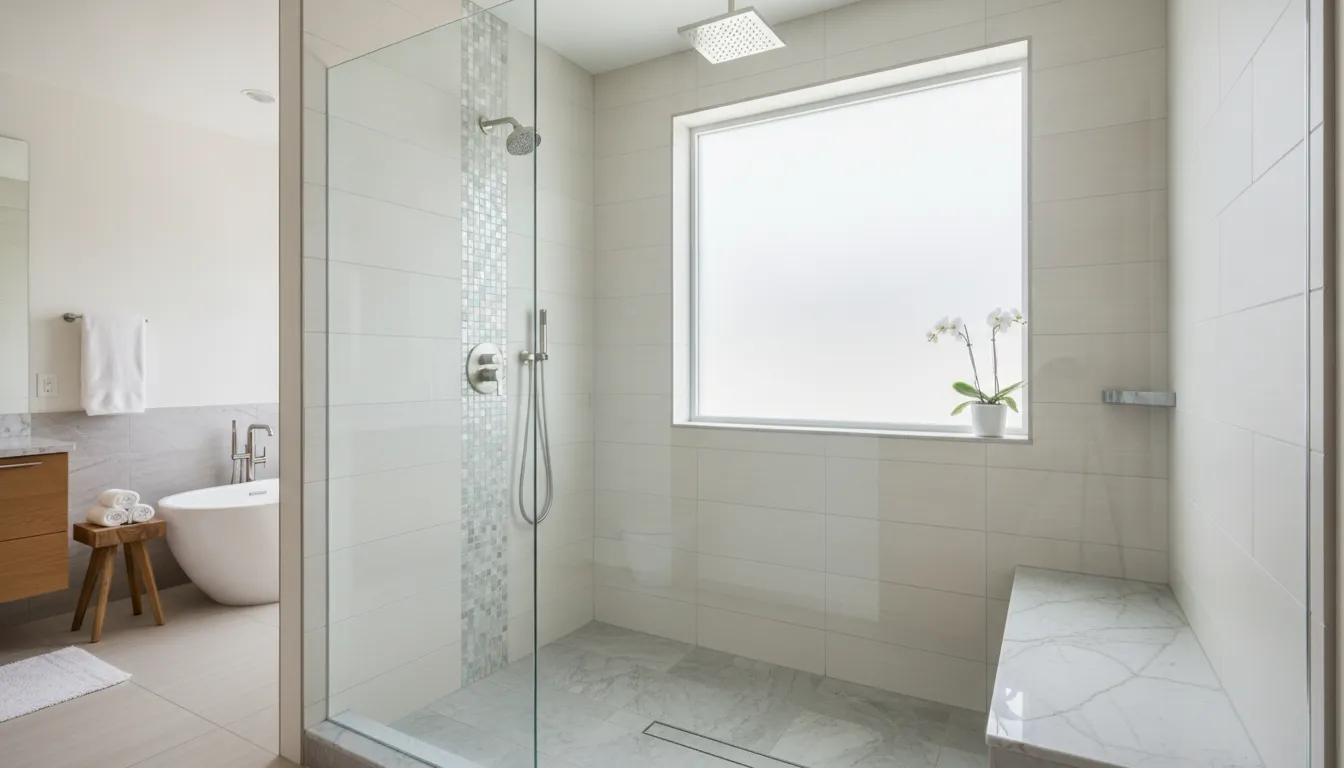
Replacing a bulky bathtub with a walk-in shower can make a small bathroom feel twice as large. This simple change improves safety and speeds up your morning routine. It is one of the top upgrades for modern San Diego homes.
The walk-in shower vs bathtub choice depends on your floor plan, family needs, and local San Diego real estate market trends. Walk-in showers use roughly 46 percent less floor space than standard tubs per Beams Renovation. They also offer better safety by eliminating the high tub wall. Tubs remain essential for families with young children and can protect resale value in family-oriented neighborhoods. King Remodeling has completed over 1,500 bathroom projects including tub-to-shower conversions and custom shower builds throughout San Diego County.
Schedule your free bathroom remodeling consultation today and let our design team help you choose the perfect layout for your home.
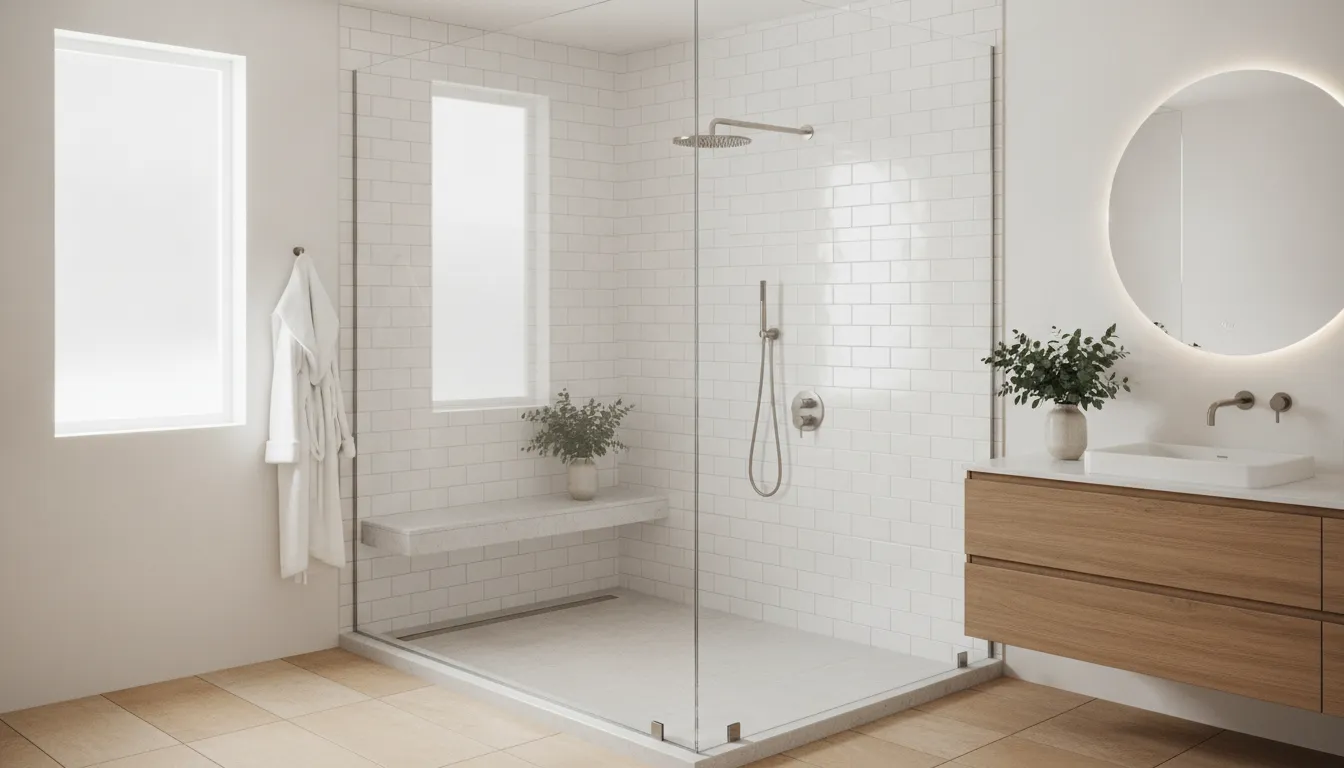
Walk-In Shower vs Bathtub: Pros, Cons, and Best Uses
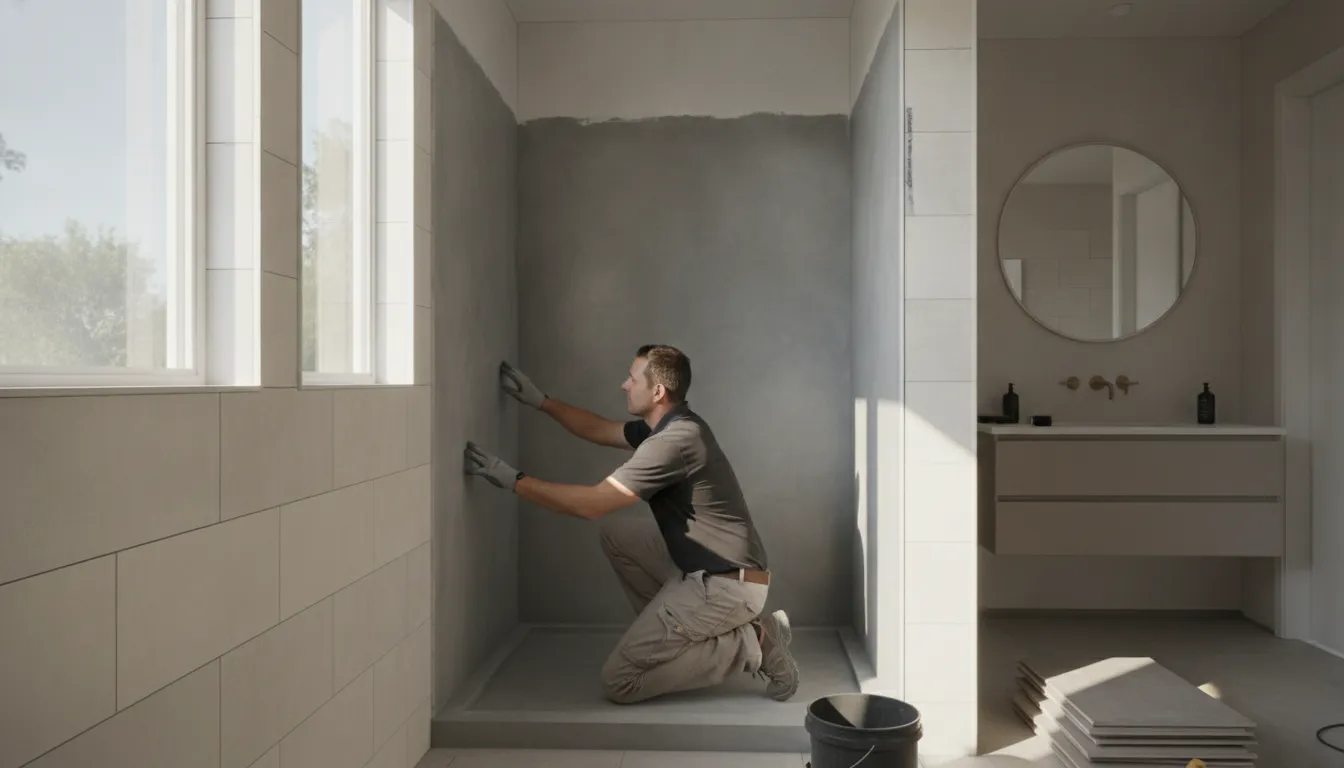
A walk-in shower is a top choice for San Diego homeowners who want to update their space. These showers offer a clean look and high utility. King Remodeling has finished over 1,500 bathroom renovations in the area. We often help clients pick between a walk-in shower and a bathtub for their unique layout.
Benefits of choosing a shower
Walk-in showers use space well. They take about 46% less floor space than a standard tub, making them a great pick for small rooms where every inch counts. Showers also save water. Most showerheads use about 2 gallons of water per minute, while filling a bathtub uses 30 to 50 gallons. That difference adds up on your water bill and helps the environment.
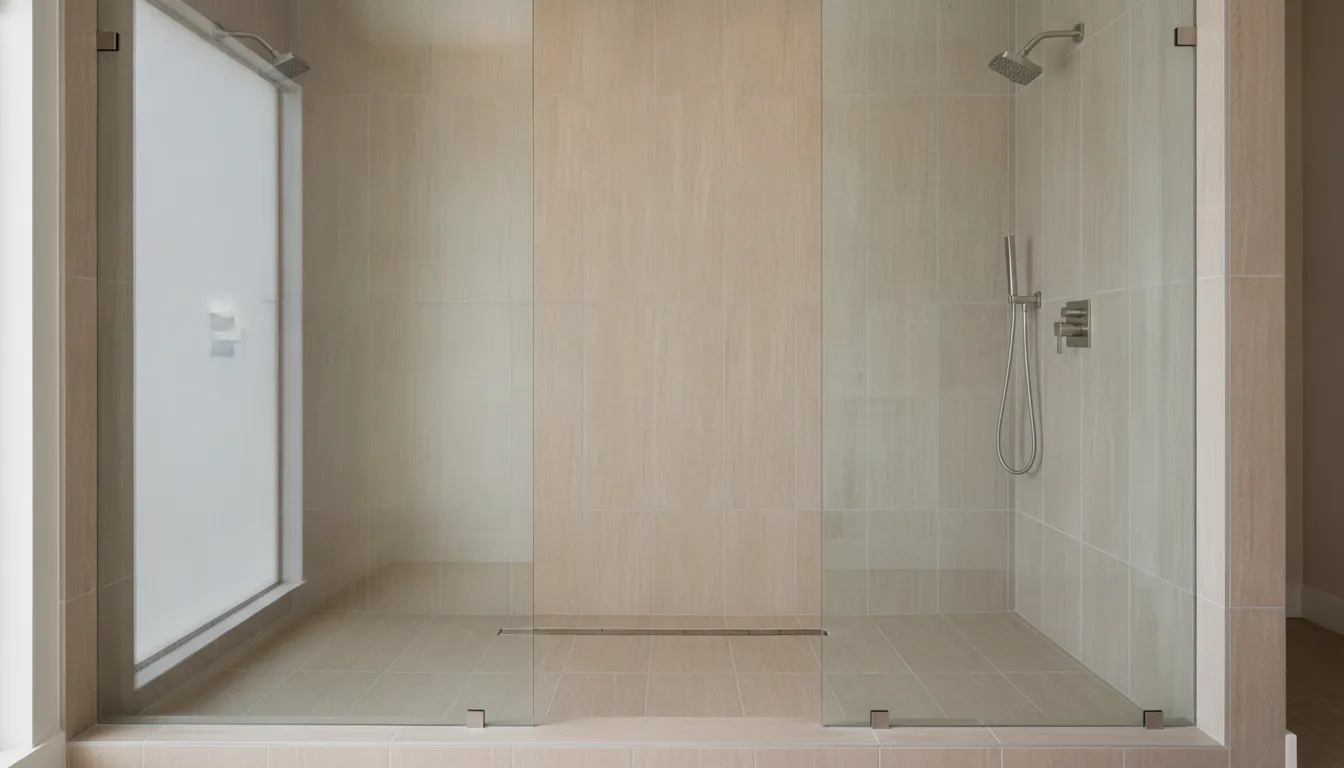
Design is another big plus. You can customize your shower with glass enclosures, multiple showerheads, and custom tile. Check out some tile design ideas to make the space feel like a spa. According to the Centers for Disease Control and Prevention, falls in the bathroom are a common safety risk. Walk-in showers reduce this risk with low thresholds that are easy to step over.
Potential drawbacks to consider
While walk-in showers have many pros, there are some cons. One main concern is resale value. Families with small children often want at least one tub in the house for bath time. If you remove the only tub, your home may be harder to sell later. Steam can also be a factor. Open showers let heat escape, so the room may feel cool during your shower. Plan for good ventilation to manage moisture.
Best uses for walk-in showers
Walk-in showers are perfect for primary suites where a spa feel is the goal. They also work well in guest baths used by adults. If you plan to stay in your home as you age, a low-entry shower is a smart investment. This type of accessible bathroom design keeps your home safe and functional for years to come.
What Are the Main Benefits of a Walk-In Shower?
Many San Diego homeowners ask this question when planning a bathroom remodel. Walk-in showers deliver several clear advantages that make them the preferred choice for modern bathrooms.
- Space efficiency: Walk-in showers use roughly 46% less floor space than a standard tub. This opens up the room and creates a more spacious feeling, especially in bathrooms under 40 square feet.
- Water savings: A typical shower uses 2 gallons per minute versus 30 to 50 gallons to fill a bathtub. Over a year, that difference can save hundreds of gallons of water and lower your utility bills.
- Safety improvements: Low-threshold entries eliminate the need to step over a high tub wall. The CDC reports that bathroom falls are a leading cause of home injuries, making this a meaningful safety upgrade.
- Design flexibility: Walk-in showers accommodate custom tile patterns, frameless glass, built-in benches, and multiple showerheads. You can create a spa-like experience tailored to your style.
- Easier cleaning: Fewer nooks and corners mean less scrubbing. Large-format tiles reduce grout lines and simplify maintenance.
Get a free quote for your custom walk-in shower design and see how we can transform your bathroom.
Bathtubs: Pros, Cons, and Best Uses
Picking a walk-in shower vs bathtub is a key part of any bathroom remodel. Tubs offer a relaxing soak that a shower cannot match. While many San Diego homeowners use a shower daily, the tub remains important in most homes. Consider the benefits and drawbacks before starting your project.
Perks of a deep soak
After a long day, a hot bath helps you unwind. Many homeowners choose large soaking tubs to create a spa-like retreat in their primary bathroom. Tubs are also essential for homes with young children. It is much easier to bathe a child in a tub than in a shower. For this reason, buyers often want at least one tub when shopping for a home.
Space and safety needs
The main drawback of a tub is the space it occupies. A standard alcove tub sits in a space measuring 60 by 30 inches, which can make a small bathroom feel cramped. Tubs also consume more water. A full bath uses 30 to 50 gallons, which increases your water bills over time.
Safety is a real concern. Tubs have high sides that you must step over to enter and exit. The Centers for Disease Control and Prevention notes that falls are a leading cause of home injuries. A low-entry shower is a safer choice for many homeowners, especially those planning for future mobility needs.
Home value and placement strategy
Most real estate agents recommend keeping at least one tub in your home to maintain broad buyer appeal. Removing the only tub could reduce your home value by 2 to 5 percent. The smart strategy is to keep a tub in a guest or hall bathroom while installing a custom walk-in shower in the primary suite.
Cost Comparison: Walk-In Shower vs Bathtub
When you plan a bathroom remodel in San Diego, the cost often depends on your current layout. Converting a tub into a walk-in shower typically ranges from $4,000 to $10,000. This project is a popular way to modernize a space without a full renovation. A new walk-in shower installation usually costs between $3,000 and $8,000 depending on your material choices.
Standard bathtub and luxury options
Standard alcove bathtubs are the most affordable choice for guest baths. Basic tub units cost $400 to $1,500 before labor. Freestanding tubs offer a classic look but cost more. These range from $1,500 to $5,000 plus installation and plumbing work. Freestanding tubs often serve as a visual centerpiece in a large primary suite.
Full bathroom remodel costs
A full bathroom remodel with a custom shower ranges from $15,000 to $35,000. These projects often involve moving plumbing lines or expanding the room footprint. Many homeowners invest in custom showers with built-in benches and grab bars for long-term safety. King Remodeling provides fixed-bid pricing so you know the cost upfront with no surprises.
| Option | Typical Cost Range | Best For |
|---|---|---|
| Standard Alcove Tub | $400 – $1,500 + Install | Guest baths and rental homes |
| Tub-to-Shower Conversion | $4,000 – $10,000 | Modernizing existing layouts |
| Walk-In Shower (New) | $3,000 – $8,000 | Small bathrooms and accessibility |
| Freestanding Bathtub | $1,500 – $5,000 + Install | Luxury primary suites |
| Full Custom Remodel | $15,000 – $35,000 | High-end renovations |
Best value in small spaces
Walk-in showers are often the best choice for bathrooms under 40 square feet. These designs visually open the room and typically cost less in materials for tight spaces. Using larger tiles reduces grout lines and makes cleaning easier. Visit the San Diego showroom to see and feel different materials before making your final decision.
Does Removing the Bathtub Hurt Your Home’s Resale Value?
This is one of the most common questions San Diego homeowners ask during a bathroom remodel. The answer depends on your home type, neighborhood, and target buyer. Most real estate experts recommend keeping at least one full tub in the home to reach the widest pool of potential buyers.
Impact on family home buyers
Families with young children consider a bathtub essential for bath time. Homes with no bathtub can see a value reduction of 2 to 5 percent, especially in family-friendly neighborhoods. Keeping a tub in at least one guest bath or shared hallway bath is a smart move. This allows you to install the shower you want in your primary suite while maintaining broad buyer appeal.
Luxury showers for primary suites
Empty nesters and downsizing buyers often prefer walk-in showers over bathtubs. These homeowners value ease of use and modern design. A high-end shower with custom tile and frameless glass can raise the perceived value of your primary suite. Adding a built-in bench and low-threshold entry creates a spa-like feel while improving safety. According to the CDC, fall prevention is a growing concern for older adults, making accessible design an attractive selling point.
Smart strategies for San Diego homeowners
The best approach is often a balanced one. In larger San Diego homes, having both a separate tub and shower in the primary bathroom appeals to the widest range of buyers. In smaller homes, consider your neighborhood demographics. In areas with many retirees, a luxury walk-in shower may outperform a tub. In family-oriented neighborhoods, keeping one tub is almost always the right call for resale value.
Accessibility and Safety Considerations
As we age, the bathroom can become a place where slips and falls happen more frequently. Many San Diego homeowners are now designing their bathrooms with long-term safety in mind. Planning for the future often means choosing a bathroom layout that works for every stage of life. When you compare a walk-in shower vs bathtub, the ease of entry is one of the most important factors.
Planning for future mobility
Aging in place involves making home modifications that keep your living space safe and accessible as your mobility needs change. A bathroom that is easy to navigate helps you stay in your home longer and provides peace of mind for your family. Modern safety features do not have to look clinical. You can find stylish grab bars, non-slip flooring, and curbless shower designs that blend seamlessly with your decor.
- Curbless showers: Zero-threshold entry eliminates tripping hazards and accommodates wheelchairs and walkers.
- Built-in seating: A shower bench allows you to sit while bathing, reducing fatigue and fall risk.
- Grab bars: Strategically placed bars near the entry and controls provide extra stability.
- Non-slip flooring: Textured tile or matte finishes reduce slipping on soapy surfaces.
- Handheld showerheads: Adjustable heads make bathing easier for people with limited mobility.
Walk-in tub alternative
For those who love to soak, a walk-in bathtub offers a safety-focused alternative. These tubs have a side door that opens so you do not climb over a high wall. They include built-in seats and grab bars for stability. However, you must wait for the tub to drain before opening the door to exit, which is an important consideration for daily use. For most homeowners, a curbless walk-in shower provides the best balance of safety, convenience, and style.
Which Bathroom Fixture Is Right for Your San Diego Home?
Choosing between a walk-in shower vs bathtub depends on your room size, daily habits, and future plans. Every home in San Diego has unique needs. Weigh these factors carefully before starting your project.
Evaluate your space and layout
Start by measuring your bathroom floor area. Bathrooms under 40 square feet benefit most from a walk-in shower that opens up the room. Spaces over 60 square feet can typically accommodate both a tub and a separate shower. For bathrooms between 40 and 60 square feet, a tub-shower combination unit may be the most practical choice.
Consider your lifestyle and family needs
Think about how your household uses the bathroom today and how those needs may change. Families with young children need a tub for bath time. Homeowners planning for retirement benefit from the safety and accessibility of a walk-in shower. The CDC notes that most home falls happen in the bathroom, making fall prevention a key consideration for any remodel.
- Assess your space. Measure the floor area to see what will fit. Bathrooms under 40 square feet work best with a walk-in shower. Spaces over 60 square feet can hold both a tub and shower. Between 40 and 60 square feet, consider a combination unit.
- Consider your lifestyle. Families with children need a tub. Homeowners with safety goals benefit from a low-entry shower. Think about how you will use the room in five or ten years.
- Think about resale value. Keep at least one bathtub in the house to maintain broad buyer appeal. Keeping a tub in the hall bath while upgrading the primary suite is a common and effective strategy.
- Set your budget. Decide between a simple tub-to-shower conversion or a full renovation. King Remodeling offers fixed-bid pricing so you know the cost upfront. Read about our remodeling process to see how we manage each step of the project.
- Visit the showroom. Seeing materials in person helps you make the best choice. Visit the King Remodeling showroom to explore tile options, fixtures, and finishes. Our team will create 3D renderings so you can visualize your new bathroom before construction begins.
Frequently Asked Questions
How much space does a walk-in shower need?
A walk-in shower needs at least 36 by 36 inches to stay safe and easy to use. For a roomier feel, many owners choose a size of 42 by 48 inches. Based on Beams Renovation, these showers use about 46 percent less floor space than a standard tub, making them a smart pick for small San Diego bathrooms.
Can I put a bathtub and a walk-in shower in the same bathroom?
You can put both a separate tub and a walk-in shower in your room if you have the space. Most plans that use both need at least 40 to 60 square feet of floor area. This setup appeals to the widest range of home buyers. King Remodeling can design a great layout that fits both fixtures well.
Does removing a bathtub lower home value?
Removing the only bathtub in your home can lower resale value by 2 to 5 percent. This is mainly true in family-focused neighborhoods where buyers expect at least one tub. Real estate experts recommend keeping at least one tub in the home. Adding a walk-in shower in the primary suite while keeping a tub in a guest bath is a smart middle ground.
What is the cost difference between a shower and a bathtub?
Standard alcove tubs cost $400 to $1,500 plus installation labor. Walk-in showers range from $3,000 to $8,000 for a new build. A tub-to-shower conversion costs $4,000 to $10,000. Freestanding soaking tubs cost $1,500 to $5,000 plus installation. A full custom bathroom remodel runs $15,000 to $35,000 depending on your choices.
Ready to Transform Your Bathroom? Schedule Your Free Consultation Today
Choosing between a walk-in shower and a bathtub is a big decision for your San Diego home. King Remodeling has guided over 1,500 homeowners through this exact choice. Our design team will listen to your needs, measure your space, and recommend the layout that works best for your family and your budget.
Contact us today to schedule your free bathroom remodeling consultation and receive a custom 3D rendering of your new bathroom.