KING REMODELING

Replace Kitchen Countertops: A Complete Guide

Find out how to replace kitchen countertops with this step-by-step guide, including material options, costs, and tips for a smooth installation.
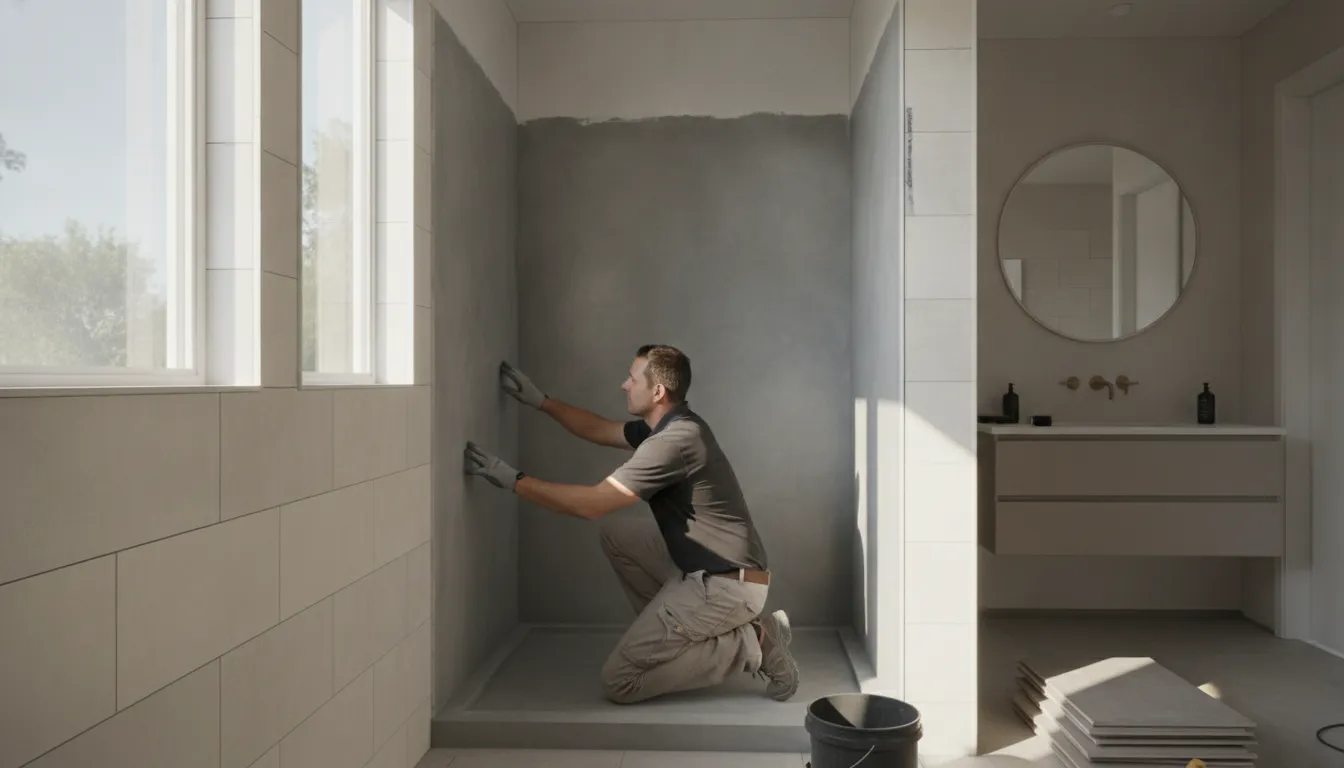
A professional replacing old kitchen countertops with new white quartz.

Your countertops should work for you, not against you. A surface that stains easily might be a constant source of stress for a family with young kids, while a material prone to scratching won’t suit an avid home chef. Your daily habits are the most important factor when selecting a new surface. The opportunity to replace kitchen countertops is your chance to choose a material that truly fits your lifestyle, making your time in the kitchen easier and more enjoyable. This guide will help you look beyond aesthetics to consider durability, maintenance, and functionality, ensuring you select a beautiful countertop that can handle your real-world, everyday routine for years to come.

Key Takeaways

  • Prioritize function over trends: The best countertop for you is one that stands up to your daily life, whether that means choosing stain-resistant quartz for a busy family or durable granite for a passionate home cook.
  • A professional installation is non-negotiable: Countertop replacement is a precise job involving heavy materials and custom cuts, making expert templating, fabrication, and installation essential for a seamless, lasting result.
  • Look beyond the price per square foot: A complete budget includes not just the material but also fabrication, installation, old countertop removal, and plumbing, so be sure to get a comprehensive quote to avoid surprises.

Is It Time for New Kitchen Countertops?

Your kitchen countertops are more than just a surface for chopping vegetables; they’re the centerpiece of the room. They set the tone for your kitchen’s entire look and feel. But when they start showing their age or just don’t fit your lifestyle anymore, it can throw the whole space off. Deciding to replace them is a big step, but often, the signs are clear. Whether it’s visible damage, a layout that hinders your daily routine, or a style that’s stuck in the past, new countertops can completely transform your kitchen.

Scratches, Stains, and Other Visible Damage

Let’s start with the most obvious signs. If your countertops are covered in deep scratches, chipped at the edges, or plagued by stubborn stains that no amount of scrubbing will remove, it’s time for an upgrade. Damage like cracks, burns, or separating seams isn’t just an eyesore; it can also create hygiene issues by trapping food and bacteria. Water damage around the sink is another red flag, as it can lead to more serious problems beneath the surface. Investing in a full kitchen remodeling project that includes new countertops restores the beauty and safety of your space, making it a more enjoyable and functional place to cook and gather.

When Your Layout Just Doesn’t Work

Sometimes, the problem isn’t damage, but design. Does your kitchen lack adequate prep space? Are your countertops made from a material that can’t handle your family’s daily routine? The way you use your kitchen should guide your material choices. For example, a porous surface like marble might not be the best fit for a home with kids who are prone to spilling juice. A remodel gives you the chance to rethink your entire layout. You can add an island for more workspace or choose a durable, low-maintenance material that better suits your lifestyle. A well-planned design makes your kitchen work for you, not against you.

Your Countertops Look Dated

Nothing dates a kitchen faster than old countertops. Think peeling laminate, chipped 80s tile with grimy grout lines, or colors that clash with your current style. Even if they’re in decent condition, outdated surfaces can drag down the value and appeal of your entire home. Swapping them out is one of the most impactful updates you can make. Replacing worn-out counters with a fresh, modern material like quartz or granite can instantly brighten the room and make it feel brand new. To see what’s possible, you can explore a wide range of modern materials and finishes at a professional design showroom to find a look that truly reflects your taste.

Comparing the Best Kitchen Countertop Materials

Choosing the right countertop is one of the most important decisions you’ll make for your kitchen. It’s the workhorse of the room, where you’ll prep meals, gather with family, and set down countless grocery bags. The best material for you will strike a balance between your daily habits, your design vision, and your budget. While photos are a great starting point, nothing compares to seeing and touching the materials in person. Visiting a showroom lets you compare the subtle veining in a slab of marble to the consistent pattern of quartz, helping you feel confident in your final choice.

From timeless natural stone to modern engineered surfaces, each option has its own unique set of benefits and maintenance needs. Understanding these differences is the key to selecting a countertop that you’ll love for years to come. We’ll walk through the most popular choices for San Diego homes, breaking down what makes each one special so you can find the perfect fit for your lifestyle.

Granite: Classic and Durable

Granite has been a top choice for kitchens for decades, and for good reason. As a natural stone, each slab is completely unique, with its own distinct colors, flecks, and veins. It brings an organic, high-end feel to any space. Granite is also incredibly durable and resistant to heat, so you don’t have to panic if you accidentally set a hot pan down for a second.

The main thing to remember with granite is that it’s porous, which means it can absorb liquids and stain if not properly cared for. To keep it looking its best, it needs to be sealed upon installation and typically resealed every year or so. While this is a straightforward process, it’s a maintenance step you’ll want to plan for.

Quartz: Low-Maintenance and Modern

If you love the look of stone but want something a bit more hands-off, quartz is an amazing option. As an engineered material made from crushed quartz, resins, and pigments, it’s non-porous and never needs sealing. This makes it highly resistant to stains from coffee, wine, or oil. It’s also incredibly durable and easy to clean with just soap and water.

Because it’s manufactured, quartz offers a huge range of colors and patterns, from solid bright whites to designs that perfectly mimic the look of marble or concrete. This consistency is a major plus for a kitchen remodel where you need a predictable, uniform look across a large island or multiple counter spaces.

Marble: Timeless Luxury

There’s no denying the elegant, luxurious look of marble. Its soft, luminous appearance and classic veining can make any kitchen feel like it belongs in a design magazine. For bakers, its naturally cool surface is perfect for rolling out dough. Each slab is a unique piece of art created by nature, offering a truly one-of-a-kind finish for your home.

However, that beauty comes with significant upkeep. Marble is a softer, more porous stone than granite, making it prone to scratching, etching, and staining. It requires diligent sealing and immediate cleanup of spills, especially acidic ones like lemon juice or vinegar. For many homeowners, the patina it develops over time is part of its charm, but it’s best for those who are prepared for a higher-maintenance relationship.

Laminate: Budget-Friendly and Versatile

Laminate countertops have come a long way. Once known for their visible seams and limited patterns, today’s high-pressure laminates (HPL) offer an impressive variety of styles that can convincingly replicate the look of stone, wood, or quartz at a fraction of the cost. This makes them an excellent choice if you’re working with a tighter budget but don’t want to sacrifice style.

Laminate is also lightweight and relatively easy to install. While it’s fairly durable and stain-resistant, it is not heat-proof and can be scratched or chipped by knives. Unlike stone, damage to laminate is usually not repairable, so using cutting boards and trivets is a must.

Butcher Block: Warm and Inviting

For a warm, natural, and slightly rustic feel, butcher block countertops are a fantastic choice. Made from pieces of wood bonded together, they bring an inviting and functional element to the kitchen. They are gentle on knives, making them a great surface for chopping and food prep. Plus, if they get scratched or nicked over time, the surface can often be sanded down and refinished to look like new.

The trade-off is that wood requires regular maintenance to stay protected from moisture and stains. You’ll need to oil your butcher block countertops periodically to keep the wood conditioned and create a protective barrier. Without proper care, wood can warp or harbor bacteria, so it’s best for homeowners who don’t mind a little routine upkeep.

How Much Will New Kitchen Countertops Cost?

Let’s talk about the number one question on every homeowner’s mind: the budget. The final price for new countertops depends on three main things: the material you choose, the size and complexity of your kitchen, and the labor required for a perfect installation. While every project is unique, understanding these components will help you set a realistic budget and make choices you feel great about. A design-build partner can give you a fixed-price proposal that covers every detail, so you know the total investment before any work begins.

Breaking Down Material Costs

The material you select is the biggest factor in your countertop budget. Prices are typically calculated by the square foot and can vary widely. For a high-end look, natural stone and engineered quartz are San Diego’s most popular choices. Here’s a general idea of what to expect for installed materials:

  • Laminate: $25 to $65 per sq. ft.
  • Butcher Block: $55 to $100 per sq. ft.
  • Granite: $45 to $200+ per sq. ft.
  • Quartz: $55 to $175+ per sq. ft.
  • Marble: $70 to $250+ per sq. ft.

Seeing and touching these materials is the best way to decide what’s right for your home. Visiting a design showroom lets you compare options side-by-side and get a feel for their true color, texture, and durability.

Factoring in Labor and Installation

A flawless countertop installation requires more than just heavy lifting. The cost of labor covers several critical steps, including a precise digital measurement (templating), custom cutting of the slab (fabrication), and the final installation. This is skilled work that ensures level surfaces, nearly invisible seams, and perfect cutouts for your sink and cooktop. While labor rates vary, they are a crucial part of your investment. A professional team protects your home, handles the logistics, and guarantees the finished product, which is why our end-to-end process includes expert installation from our vetted crews.

Other Costs to Keep in Mind

Beyond the stone and the installation, a few other items can affect your total cost. First is the removal and disposal of your old countertops, which is often a separate line item. You’ll also need to account for plumbing work to disconnect and reconnect your sink and faucet, and potentially your garbage disposal. If you’re adding a new tile backsplash at the same time, that will be an additional cost for materials and labor. A detailed project plan for your kitchen remodel should outline these costs clearly, preventing any last-minute budget surprises.

Your Countertop Replacement, Step-by-Step

Replacing your countertops can feel like a huge undertaking, but it’s much more manageable when you break it down into a clear, step-by-step process. From picking the perfect slab to the final installation, each phase builds on the last to create a stunning new centerpiece for your kitchen. Understanding the journey ahead helps you plan effectively and know exactly what to expect.

At King Remodeling, we guide you through every stage, ensuring a smooth and predictable experience. Our integrated design-build process means one team handles everything from precise measurements to flawless installation, so you can relax and watch your vision come to life. Let’s walk through the four key stages of a professional countertop replacement.

Step 1: Planning and Measuring

This is where the fun begins. The first step is choosing your material, and the best way to do that is by seeing your options in person. Visiting a showroom allows you to touch the surfaces, compare colors, and see how different slabs look under proper lighting. At our private San Diego showroom, our designers help you compare granite, quartz, and marble side-by-side to find the perfect match for your style and cabinets.

Once you’ve selected a material, we handle the critical task of measuring. We use precise laser technology to capture every angle and dimension of your kitchen, ensuring your new countertops will be a perfect fit. This professional measurement is far more accurate than a DIY estimate and is essential for creating a seamless final product.

Step 2: Removing the Old Countertops

Before the new surfaces can be installed, the old ones have to go. This step requires care and precision to avoid damaging your existing cabinets, backsplash, or walls. Our professional crew handles the demolition process cleanly and efficiently, protecting your home and minimizing disruption to your daily life.

While some materials like old laminate are relatively easy to remove, heavier materials like granite or tile require specialized tools and expertise. We manage the entire removal and disposal process, clearing the way for a clean slate. This careful approach ensures the underlying cabinets are level and ready for the new installation, preventing issues down the road.

Step 3: Templating and Fabrication

After your old countertops are gone and final measurements are confirmed, we create a template. This is a full-size physical or digital model of your countertop layout, including exact locations for the sink, cooktop, faucets, and any custom curves or angles. The template acts as the blueprint for cutting your chosen slab of stone or quartz.

This detailed pattern is then taken to our fabricators, who use it to cut the material with incredible precision. The fabrication process is where your slab is transformed into a custom-fit countertop, complete with finished edges and polished cutouts. This meticulous step is key to achieving the high-end, seamless look every homeowner wants.

Step 4: Installation Day

This is the day your kitchen transformation becomes real. Our installation experts will bring the fabricated countertops to your home and begin the final fitting. The process involves carefully placing each piece, leveling it with shims, and creating tight, nearly invisible seams between sections. Because materials like granite and quartz are incredibly heavy and costly, having a skilled team is essential.

Once everything is perfectly positioned, the countertops are secured to the cabinets with a strong adhesive. Finally, we install your sink, seal the seams, and apply any necessary sealant to the stone itself. A professional kitchen remodeling team can typically complete the installation in just a few hours, leaving you with a beautiful, durable, and perfectly installed new surface.

Should You DIY or Hire a Professional?

The idea of a DIY countertop installation can be tempting, especially when you’re focused on the budget. Watching a few online tutorials can make it seem straightforward enough, and the thought of saving on labor costs is appealing. However, replacing countertops isn’t like painting a room or swapping out a light fixture. It’s a complex job that requires precision, specialized tools, and a lot of heavy lifting. One wrong move can damage a pricey slab of quartz or your new cabinets, turning your money-saving project into a costly mistake.

Before you commit to doing it yourself, it’s important to weigh the potential savings against the very real risks. This decision is about more than just money; it’s about ensuring the final result is beautiful, functional, and built to last. A professional installation provides peace of mind, guaranteeing that your investment is protected and the job is done right the first time. Let’s break down what each path really looks like.

The Reality of a DIY Installation

The biggest hurdle in a DIY installation is often the sheer weight of the material. A single slab of granite or quartz can weigh hundreds of pounds, making it nearly impossible for one person to handle safely. You’ll need a team of strong helpers just to get it into your house, let alone position it perfectly on your cabinets. Beyond the muscle, you also need the right tools for cutting sink openings, creating faucet holes, and finishing edges. Mistakes are not only costly but can also be dangerous. An improperly installed countertop can be uneven, unstable, or have poorly sealed seams, leading to bigger problems down the road.

The Benefits of Working with a Pro

Hiring a professional team takes the guesswork and risk out of the equation. Experts handle everything from precise digital templating to flawless fabrication and installation. They have the experience to create nearly invisible seams, ensure the surface is perfectly level, and properly seal the material to protect it from stains and damage. A professional installer also manages all the tricky details, like reconnecting your plumbing and ensuring a secure fit around your sink and appliances. When you work with an integrated team, the entire remodeling process is streamlined, giving you a single point of contact and a guarantee of quality craftsmanship from start to finish.

Common DIY Mistakes to Avoid

One of the first mistakes homeowners make happens long before installation: choosing a material that doesn’t fit their lifestyle. It’s easy to fall in love with a look without considering the maintenance involved. Another frequent error is inaccurate measuring. Even a tiny miscalculation can result in ugly gaps or a slab that doesn’t fit at all. During the installation itself, improper sealing can leave your new countertops vulnerable to stains, while uneven surfaces can cause issues with appliances and create drainage problems around the sink. Visiting a professional showroom first can help you avoid these pitfalls by getting expert advice on both material selection and the technical requirements for a perfect installation.

How to Choose the Right Countertop for Your Lifestyle

Choosing a new kitchen countertop is one of the most exciting parts of a remodel, but it’s also a decision you’ll live with for years. It’s easy to get swept up by a beautiful slab of marble or a sleek quartz design, but the best choice goes deeper than looks. The right countertop should be a true partner in your kitchen, one that fits your daily routines, complements your existing style, and makes sense for your budget.

Think of it as finding the sweet spot where beauty meets practicality. A surface that looks stunning but stains easily might not be the best fit for a busy family with young kids. Likewise, a material that’s incredibly durable but clashes with your cabinetry can throw off the whole room’s design. Before you fall in love with a specific material, it’s helpful to think through three key areas: how you use your kitchen, how the new surface will pair with your cabinets, and how it fits into your overall budget. This approach ensures your new kitchen countertops are not only gorgeous but also perfectly suited to you.

Match the Material to How You Live

One of the biggest mistakes homeowners make is choosing a countertop based on aesthetics alone. Your lifestyle should be the primary guide. Are you an avid home chef who needs a surface that can handle hot pans and resist scratches from chopping? Or do you have a busy family, making stain resistance and easy cleanup your top priorities? A material that requires frequent sealing might be a hassle for some, while others might not mind the upkeep for the look they love. Getting honest about your daily habits will help you narrow down the options. The best way to understand how a material feels and holds up is to see it in person at a design showroom, where you can compare textures and talk to experts about durability.

Pair Your Countertops with Your Cabinets

Unless you’re doing a full gut remodel, your new countertops need to work in harmony with your existing cabinets. The color, pattern, and finish of your counters should complement the style and shade of your cabinetry to create a cohesive look. A busy, veined granite might overwhelm simple, modern cabinets, while a minimalist quartz could look stunning against ornate, traditional ones. A great tip is to bring a sample of your cabinet door with you when you shop for slabs. This simple step helps you visualize the pairing and avoid a costly mismatch. Looking through a portfolio of featured projects can also give you fantastic ideas for combinations that work well together.

Balance Your Budget with Long-Term Value

Countertop replacement costs can vary widely, with most homeowners spending between $2,000 and $4,500 for the project. While it’s tempting to go with the least expensive option, it’s important to think about long-term value. A cheaper material that scratches or stains easily might need to be replaced sooner, costing you more in the long run. Investing in a quality, durable surface protects your investment and adds lasting value to your home. When planning your budget, make sure you’re getting a clear, all-inclusive quote that covers the material, fabrication, and installation. A transparent remodeling process ensures there are no hidden fees or surprises along the way.

What to Expect on Installation Day

Installation day is when all the planning and design choices finally come to life. It’s one of the most exciting parts of a remodel, where you see your vision start to take physical shape. While it might seem like a day of controlled chaos, a professional team makes it a seamless and well-orchestrated experience. When you work with an end-to-end firm like ours, the crew arrives with a clear plan, ready to transform your space efficiently. We handle the heavy lifting, the precise cuts, and the detailed finishing work, all while protecting your home as if it were our own. Your main job is simply to get excited for your new kitchen.

Knowing what to expect makes the process feel much more manageable. Our entire remodeling process is built on clear communication, and installation day is no exception. Your dedicated project manager will be your point of contact, keeping you informed of our progress and answering any questions that come up. They ensure the right materials are on-site, the crew knows the exact specifications from the template, and that everything runs on schedule. From a few simple prep steps to understanding the timeline, being in the loop helps the day go smoothly. Here’s a general overview of what you can expect when your beautiful new countertops arrive.

How to Prep Your Kitchen

A little preparation goes a long way in making installation day a success. Before our team arrives, we’ll ask you to clear everything off your existing countertops and empty the lower cabinets. This gives our crew easy access and protects your dishes and cookware from dust. It’s also a good idea to clear a path from the front door to the kitchen so the installers can carry in the heavy slabs safely. While our team takes great care to protect your home by covering floors and adjacent areas, these simple steps help us get straight to work. We’ll handle disconnecting the plumbing and moving appliances, so you can focus on the fun part: watching the transformation happen.

Handling Common Installation Hiccups

Even with the best planning, homes can have their quirks. Walls aren’t always perfectly straight, and floors aren’t always level. These are the kinds of common installation challenges that can cause issues for a less experienced installer. An expert team, however, knows how to anticipate and solve these problems on the spot. For example, if cabinets are slightly uneven, we can shim them to create a perfectly level surface for the new countertop. Our integrated design-build process helps us catch potential plumbing or electrical conflicts early on, but if anything unexpected comes up, our crew has the expertise to make adjustments without delaying your project. This is where hiring a seasoned professional really pays off.

Understanding the Timeline

The actual installation of your new countertops is a surprisingly quick part of the overall remodel. For a standard kitchen, the process typically takes one to two days. On the first day, our team will handle the tear-out of the old countertops, ensure the cabinets are prepped and level, and then carefully place the new slabs. The second day is often for the finer details: seaming joints, mounting the sink, drilling faucet holes, and applying any necessary sealants. We work efficiently to minimize disruption to your daily life. You’ll be able to see and use your stunning new kitchen countertops before you know it.

Caring for Your New Kitchen Countertops

Your new countertops are finally installed, and they look incredible. Now, the goal is to keep them looking that way for years to come. Proper care is simpler than you might think, but it does vary depending on the material you chose. A little daily attention and long-term maintenance will protect your investment and ensure your kitchen remains the beautiful, functional heart of your home. Following a few basic rules will prevent stains, scratches, and dulling, keeping that just-installed shine alive.

Whether you have durable quartz or elegant marble, we’ve put together some straightforward tips to help you care for your new surfaces. Think of this as your go-to guide for everything from daily wipe-downs to long-term protection.

Daily Cleaning Tips for Every Material

The best way to keep your countertops looking great is with a simple daily cleaning routine. For most materials, including quartz and sealed granite, a gentle approach is best. Just mix a few drops of mild dish soap with warm water in a spray bottle. Lightly spray the surface and wipe it clean with a soft microfiber cloth. This is usually all you need to handle everyday crumbs and spills.

It’s important to avoid abrasive cleaners or scrub brushes, as these can create tiny scratches that dull the finish over time. If you have a tougher spot, like dried-on food, let the soapy water sit for a minute before wiping. Quickly cleaning up acidic spills from things like wine, coffee, or lemon juice is also a key habit to build.

Sealing and Long-Term Maintenance

While engineered materials like quartz are non-porous and never need sealing, natural stones are a different story. If you chose a beautiful slab of granite or marble for your kitchen remodeling project, sealing is your best defense against stains. A quality sealer acts as a barrier, preventing liquids from seeping into the stone’s pores. A well-sealed countertop will cause water to bead up on the surface.

When we install your countertops, we’ll let you know if they require sealing and what the ideal schedule is. Different stones have different needs, but many granites only need to be resealed every few years. When it’s time, we can recommend the right product to use to ensure your natural stone stays protected and beautiful.

How to Protect Your Investment

Beyond cleaning and sealing, a few good habits will go a long way in protecting your countertops. Always use a cutting board when chopping vegetables or slicing bread. While materials like granite and quartz are very scratch-resistant, it’s still possible to damage them with a sharp knife. It’s also a great way to keep your knives from getting dull.

Similarly, get in the habit of using trivets or hot pads for pots and pans coming straight from the stove or oven. Sudden, extreme temperature changes can cause thermal shock, which can crack even the most durable stone. By taking these small, simple steps, you ensure the beautiful countertops you selected will remain a stunning feature in your kitchen for a lifetime.

Ready to Plan Your Countertop Project?

Thinking through the final details before your project begins is the best way to ensure a smooth and stress-free installation. A little bit of planning goes a long way, helping you align all the moving parts of your remodel. When you work with an experienced team, you’ll have a clear roadmap from the start. Our design-build process is built around clear communication and predictable timelines, so you always know what to expect. By thinking through the timeline, coordinating with other updates, and running through a final checklist, you can feel confident and prepared for a beautiful kitchen transformation.

Set a Realistic Timeline

One of the most common questions we get is, “How long will my kitchen be out of commission?” When you’re only replacing the countertops, the actual installation is surprisingly fast. The process of removing your old counters and installing the new ones typically takes one to three days. This window allows our crew to handle the demolition carefully, prepare the cabinet base, set the new slab perfectly, and manage any final seam and sealing work. While the on-site work is quick, remember to account for the time needed for templating and fabrication before installation day arrives.

Coordinate with Other Kitchen Updates

If new countertops are part of a larger kitchen remodel, coordination is everything. Your cabinets, for instance, must be fully installed and perfectly level before we can create a template for your new countertops. Their stability is the foundation for a flawless fit. This is also the perfect time to think about your sink and faucet. A new undermount sink or a different faucet style might require a specific type of cutout in the countertop slab. Planning these elements together ensures every component of your new kitchen works in harmony.

Your Final Pre-Installation Checklist

Before the installation team arrives, it’s smart to run through a few final checks. Confirm that your existing plumbing and electrical outlets will align with your new countertop and sink layout. Sometimes, a new sink depth or garbage disposal placement requires small adjustments to the pipes under the cabinet. It’s also important to double-check that your chosen material and design can accommodate special features, like an integrated drainboard or a full-height backsplash. Visiting a design showroom with your designer is the best way to finalize these details and prevent any last-minute surprises.

Related Articles

Frequently Asked Questions

How long does the entire countertop replacement process take? While the actual on-site installation is quite fast, usually taking just one to three days, the complete process is a bit longer. From your initial material selection to the final installation, you should typically plan for a few weeks. This timeline allows for a professional site measure, the creation of a precise digital template, and the custom fabrication of your chosen slab before our installation team ever arrives at your home.

Can I install new countertops on my existing kitchen cabinets? Yes, you absolutely can, provided your current cabinets are in good shape. The most important factors are that they are structurally sound and perfectly level. Heavy materials like quartz and granite require a solid, stable foundation. As part of our process, we always assess the condition of your cabinets to ensure they can safely support the weight of your beautiful new countertops.

What is the most durable and low-maintenance countertop for a busy family? For homeowners who need a surface that can stand up to daily life with kids, spills, and constant use, quartz is almost always the top recommendation. Because it’s an engineered, non-porous material, it resists stains from things like juice or coffee and never needs to be sealed. It’s incredibly tough and easy to clean, giving you the look of natural stone without the routine upkeep that materials like granite or marble require.

Do I need to hire my own plumber or arrange for the disposal of my old countertops? When you partner with a design-build firm, you don’t have to worry about managing any of those details. Our end-to-end service includes everything from the careful removal and disposal of your old surfaces to coordinating the plumbing work for your sink and faucet. We handle all the logistics so you have a single, reliable point of contact and a seamless, stress-free experience.

Why is it so important to see countertop materials in a showroom? Computer screens and photos can be misleading, as they can’t accurately show a material’s true color, texture, or sheen. Visiting a showroom allows you to see and touch full slabs, so you can appreciate the subtle veining in a piece of granite or the way light reflects off a quartz finish. It helps you confidently compare options side-by-side and ensures the countertop you choose is exactly what you envisioned for your space.

Categories

[simple_tax]

Related Posts

The dry-fit step of a freestanding tub installation, using a level for accuracy.
3 Mar

Freestanding Tub Installation: A Step-by-Step Guide

Get expert tips for a smooth freestanding tub installation. Learn what tools you need, how to prep your space, and
Minimal decor ideas for a modern kitchen island with stylish pendant lighting.
3 Mar

9 Kitchen Island Decor Ideas for Style & Function

Find kitchen island decor ideas that blend style and function. Get practical tips for choosing decor that keeps your island
Seamless white solid surface countertops in a modern kitchen with wood cabinets and fixtures.
3 Mar

Solid Surface Countertops: A Homeowner’s Guide

Get the facts on solid surface countertops, including pros, cons, costs, and care tips to help you choose the best

Rediscover Your Home’s Possibilities.

Request a quote today to see how we can transform your space

Get Your Free Quote

Tell us what you need—we’ll send you a quick, no-obligation estimate.

"*" indicates required fields

Step 1 of 2
1. Contact Basic Info

First Name*
Last Name*