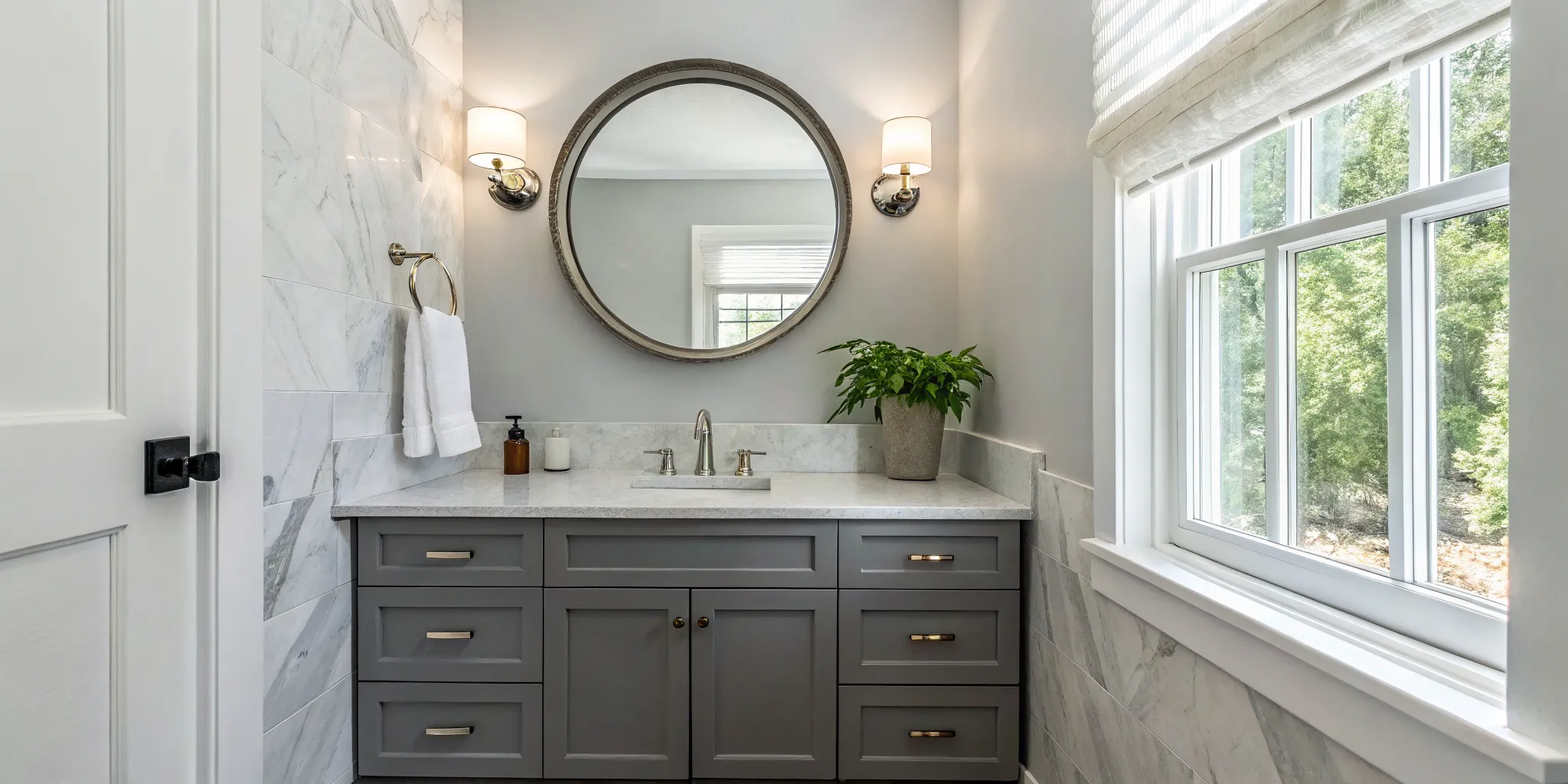
That tiny bathroom in your home has so much hidden potential. It’s easy to see it as a cramped, purely functional room, but with the right approach, it can become a stylish and surprisingly spacious retreat. The secret isn’t about knocking down walls; it’s about using clever design to trick the eye and improve the flow. By focusing on smart material choices, strategic lighting, and efficient layouts, you can completely transform the feel of the space. This article is your roadmap to unlock that potential. We’ll show you how to remodel very small bathroom layouts to feel airy, organized, and perfectly suited to your daily routine, proving that great design isn’t measured in square feet.
- Get the foundation right with a smart layout: Maximize your floor plan by choosing compact fixtures like a floating vanity and keeping your plumbing in its original spot to control costs. A functional layout is the most important decision you’ll make.
- Make the room feel bigger with strategic design: Use a light color palette, an oversized mirror, and a frameless glass shower door to create an open, airy feel. These choices manipulate light and sightlines to visually expand the space.
- Solve storage challenges by thinking vertically: Use your walls for storage with floating shelves, recessed niches, and over-the-toilet cabinets. This keeps your floor clear and makes the room feel taller and less cluttered.
Where to Start with a Small Bathroom Remodel
A small bathroom remodel is a puzzle where every piece matters. Before you start picking out tile or dreaming of a new vanity, a little prep work goes a long way. Taking the time to plan ensures every square inch is used effectively, creating a space that feels functional and stylish, not cramped. Getting these first few steps right sets the foundation for a smooth project, helping you avoid surprises and create a bathroom you’ll love. It all starts with understanding your space, your goals, and your budget.
Assess Your Layout and Plumbing
First, take a hard look at your current layout. What’s working and what isn’t? Maybe the door swings awkwardly, or the toilet feels too close to the vanity. While you can move fixtures, remember that relocating plumbing lines for a toilet or shower adds complexity and cost to the project. Limited space requires careful consideration of how you can maximize functionality. Think about your daily routine and identify the pain points. This initial assessment is a critical part of our bathroom remodeling process and helps us design a layout that truly fits your life, whether we stick with the existing plumbing footprint or create something entirely new.
Measure Your Space Accurately
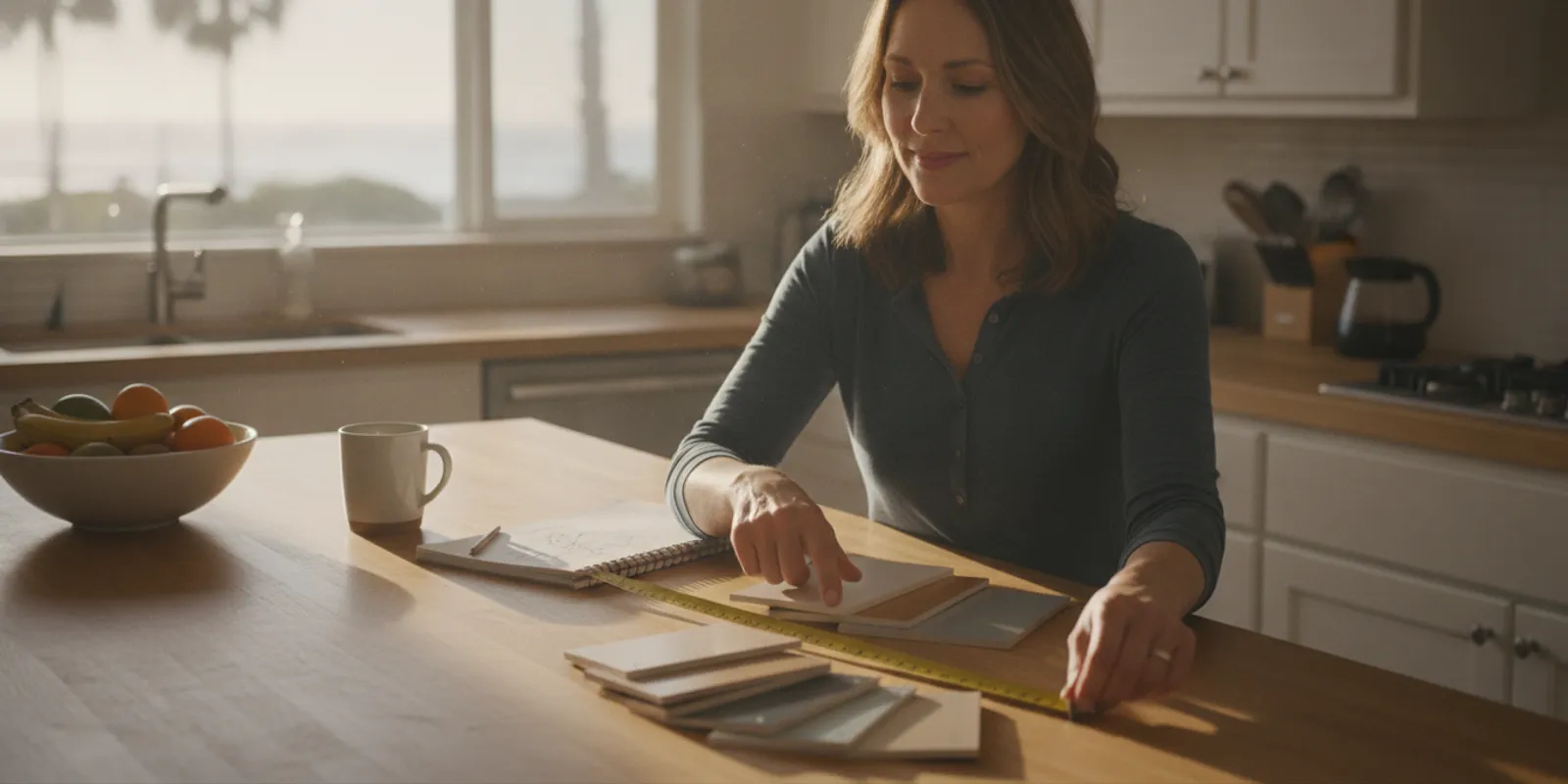
Grab a tape measure and get to know your bathroom’s exact dimensions. Measure the length and width of the room, the ceiling height, and the size and location of windows and doors. Note the current placement of your vanity, toilet, and shower. These numbers are the blueprint for your entire project. Accurate measurements are essential for selecting the right-sized fixtures and ensuring everything fits without feeling crowded. While our team will take precise, professional measurements during the design phase, having your own set of numbers is incredibly helpful for initial planning and when you start exploring materials.
Set a Realistic Budget and Timeline
Let’s talk numbers. Before you get too far, it’s important to set a realistic budget. Consider all potential costs, including materials, labor, and any necessary permits. Budgeting challenges can quickly derail a project, so having a clear financial plan helps you make informed decisions about where to splurge and where to save. A well-defined budget is the best tool for keeping your project on track. Once you have a number in mind, you can
schedule a consultation to get a detailed estimate and a clear timeline, turning your vision into an actionable plan with no financial surprises.
How to Make a Small Bathroom Feel Bigger
A small bathroom doesn’t have to feel cramped. With a few smart design choices, you can create a space that feels open, airy, and much larger than its actual footprint. It’s not about knocking down walls; it’s about using visual tricks to fool the eye. By focusing on light, reflection, and scale, you can transform a tight powder room or a compact guest bath into a comfortable and functional retreat.
The key is to make every choice count. From the color on the walls to the style of your vanity, each element can either contribute to a sense of spaciousness or make the room feel more closed-in. We’ve guided countless San Diego homeowners through this process, and these four strategies consistently deliver the biggest impact. Think of them as your go-to playbook for maximizing a small space during your
bathroom remodeling project.
Use Light and Bright Paint Colors
Color is one of the most powerful tools for changing the perception of a room. Light and bright colors are your best friends in a small bathroom because they reflect light, making the walls seem to recede. This creates an open, airy feeling that instantly makes the space feel bigger. Think soft whites, pale grays, and even light blues or greens. To amplify the effect, consider a paint with a semi-gloss or satin finish, which will bounce even more light around the room than a flat matte paint. You can explore a curated selection of finishes and palettes at our
San Diego showroom to see how different colors interact with light.
Choose the Right Mirror
A well-placed mirror can work wonders in a compact bathroom. Because mirrors reflect both light and the room itself, they create an illusion of depth that can visually double the size of your space. Instead of a small, standard medicine cabinet, consider installing a larger mirror. A mirror that stretches from the vanity to the ceiling or even wall-to-wall can make a dramatic difference. It not only makes the room feel more expansive but also serves as a beautiful focal point. You can see how we use oversized mirrors to enhance small bathrooms in our
featured projects.
Opt for a Glass Shower Door
Shower curtains or frosted doors create a solid visual barrier, effectively cutting your bathroom in half and making it feel much smaller. A clear, frameless glass shower door, on the other hand, keeps the sightlines open. This allows your eye to travel all the way to the back wall of the shower, making the entire room feel like one continuous space. It’s a simple swap that adds a touch of modern elegance while making the bathroom feel significantly more spacious and bright. This one change is often a game-changer in a
small bathroom remodel.
Install a Floating Vanity
Traditional vanities that sit on the floor can feel heavy and bulky in a small bathroom. A floating, or wall-mounted, vanity is a fantastic alternative that creates a more open feel. By lifting the cabinet off the ground, you expose more floor space, which tricks the eye into seeing a larger room. This clean, contemporary look not only adds visual space but also makes cleaning the floor much easier—a win-win! You still get the storage you need without sacrificing precious square footage. It’s a sleek and practical solution for any compact bathroom.
Smart Ways to Remodel on a Budget
A beautiful bathroom transformation doesn’t have to come with a shocking price tag. With some strategic planning and smart choices, you can create a space you love while keeping costs in check. The key is knowing where to spend your money for the biggest impact and where you can save without sacrificing quality. These tips will help you get the most value out of every dollar you invest in your small bathroom remodel.
Keep Your Current Plumbing Layout
If you want to make one decision that saves you the most money, this is it. Keeping the original layout of your bathroom—meaning the toilet, sink, and shower stay in their current locations—can save you thousands of dollars. Moving plumbing fixtures requires a licensed plumber to open up walls and floors to re-route pipes, which significantly increases labor costs and project complexity. By working with your existing footprint, you can focus your budget on the elements you see and touch every day, like new tile, a modern vanity, and beautiful fixtures.
Decide What to DIY vs. Hire Out
You can definitely save on labor costs by doing some of the work yourself, but it’s important to be realistic about your skills and time. Simple tasks like painting the walls, swapping out cabinet hardware, or even handling some of the demolition can be great DIY projects. However, leave the technical jobs to the professionals. Electrical wiring, plumbing, and intricate tile installation are best handled by experienced crews who can ensure the work is done correctly and safely. Understanding
our process can help you see where a professional team adds the most value.
Refresh Instead of Replacing Fixtures
Before you decide to gut everything, take a look at what you can salvage with a simple refresh. A dated oak vanity can look brand new with a few coats of paint and some modern handles. An old but functional bathtub can be professionally reglazed for a fraction of the cost of a replacement. Even smaller items like light fixtures and faucets can often be updated with spray paint designed for metal. These cosmetic updates can dramatically change the look and feel of your space without the expense of buying all new items.
Consider Budget-Friendly Finishes
High-end materials are beautiful, but you don’t need them to create a stylish bathroom. There are fantastic, durable, and affordable alternatives available today. For example, luxury vinyl tile can give you the look of hardwood or stone flooring without the high cost and maintenance. Classic ceramic subway tile is another timeless and budget-friendly choice for shower walls. Visiting a design showroom can help you explore these options and find materials that fit your budget while still achieving the aesthetic you want for your new bathroom.
Clever Storage Solutions for Small Spaces
Let’s be honest: the biggest challenge in a small bathroom is figuring out where to put everything. Towels, toiletries, cleaning supplies—it all adds up. But a lack of square footage doesn’t have to mean a lack of storage. The key is to get creative and make every inch count. With a few clever strategies, you can create a space that feels organized, functional, and surprisingly spacious. It’s less about owning less and more about storing smarter.
Think Vertically: Use Your Wall Space
When floor space is at a premium, the only way to go is up. Your walls are some of the most underutilized real estate in a small bathroom. Instead of a wide, bulky vanity, consider a taller, more narrow linen cabinet that draws the eye upward and makes the ceiling feel higher. Floating shelves are perfect for storing neatly folded towels or decorative items, adding personality without taking up any floor space. We often design bathroom remodels with recessed wall niches, both in the shower and near the vanity, to create seamless, built-in storage that looks clean and intentional.
Add Over-the-Toilet Storage
That empty wall space above your toilet is a golden opportunity. It’s the perfect spot to add storage without getting in the way of traffic flow. You can install a shallow cabinet with doors to hide away extra toilet paper and less-attractive toiletries. For a more open, spa-like feel, consider a few floating shelves to display pretty perfume bottles, a small plant, and rolled-up hand towels in a basket. There are also plenty of attractive, freestanding shelving units designed to fit perfectly around the base of a toilet. This simple addition can instantly solve some of your most pressing storage problems.
Find Multi-Functional Pieces
In a small room, every piece of furniture should work hard. Look for items that serve more than one purpose. A vanity, for example, isn’t just a place to house your sink; it’s your primary storage workhorse. Opt for a model with deep drawers over cabinets, as they make it easier to see and access everything inside. A mirrored medicine cabinet gives you a place to get ready while hiding your daily essentials. A
floating vanity is a fantastic multi-functional choice because it provides storage while also making the room feel bigger by showing more floor space.
Incorporate Hidden Storage
The secret to a serene, clutter-free bathroom is having a designated place for everything—preferably out of sight. Hidden storage keeps your countertops clear and creates a calm, streamlined look. Think about a recessed medicine cabinet that sits flush with the wall, offering deep storage without protruding into the space. Inside your vanity, you can add custom pull-out organizers for hair tools or tiered drawers for makeup. One of our favorite tricks is the toe-kick drawer: a shallow drawer built into the base of your vanity, perfect for storing extra soap or a digital scale. Planning for these custom touches is a key part of
our design process.
Choosing the Right Materials and Fixtures
When you’re working with a small footprint, every choice counts. The right materials and fixtures can make the difference between a bathroom that feels cramped and one that feels cleverly designed. A successful
bathroom remodel hinges on these key selections.
Select a Compact Vanity or Sink
The vanity is a prime spot to reclaim space. Opting for a smaller or wall-mounted vanity frees up valuable floor space, creating a more open feel. A floating vanity is a fantastic choice because it exposes the floor underneath, making the room feel larger and easier to clean. If storage isn’t a top priority, a pedestal sink is an elegant alternative. Seeing options in person at our San Diego
showroom can help you visualize the scale and find the perfect fit.
Find a Space-Saving Toilet
Every inch matters, especially with your toilet. Modern designs offer great space-saving alternatives to bulky models. Look for a compact toilet with a round-front bowl instead of an elongated one to save floor space. For an even sleeker solution, consider a wall-mounted toilet. These designs conceal the tank inside the wall, freeing up nearly a foot of room. It’s a smart upgrade that delivers a clean, modern aesthetic, which you can see in our
featured projects.
Decide Between a Shower and a Tub
The shower-versus-tub debate is central to a small bathroom plan. If you rarely take baths, a walk-in shower is the more space-efficient choice. Paired with a clear glass door, it creates an uninterrupted line of sight that makes the room feel much larger. However, if a tub is a must-have for your family, a tub-shower combo is a practical workhorse. You can find compact tubs designed for smaller spaces. The right choice depends entirely on your lifestyle.
Pick Durable, Low-Maintenance Materials
In a small, high-moisture space, your material choices are critical. Durable, low-maintenance materials ensure your bathroom remains stylish and functional for years. Think large-format porcelain tiles for the floor and shower walls—fewer grout lines mean less cleaning and a more expansive look. For the vanity, quartz is a fantastic countertop because it’s non-porous and stain-resistant. Investing in quality
flooring and surfaces from the start pays off.
Design Tricks to Create More Space
A small bathroom doesn’t have to feel cramped. With a few clever design strategies, you can trick the eye and create a space that feels open and airy. It’s all about making intentional choices with light, color, and materials to maximize the sense of space. These professional tricks will help you transform your bathroom into a functional and beautiful retreat.
Layer Your Lighting
A single overhead fixture can cast shadows and make a room feel smaller. Instead, layer your lighting. Combine a central fixture with task lighting, like sconces beside your mirror, to eliminate shadows. For a modern touch, add accent lighting with LED strips under a floating vanity. Dimmers give you complete control over the mood. A thoughtful lighting scheme is a key part of any successful
bathroom remodeling project.
Be Strategic with Tile
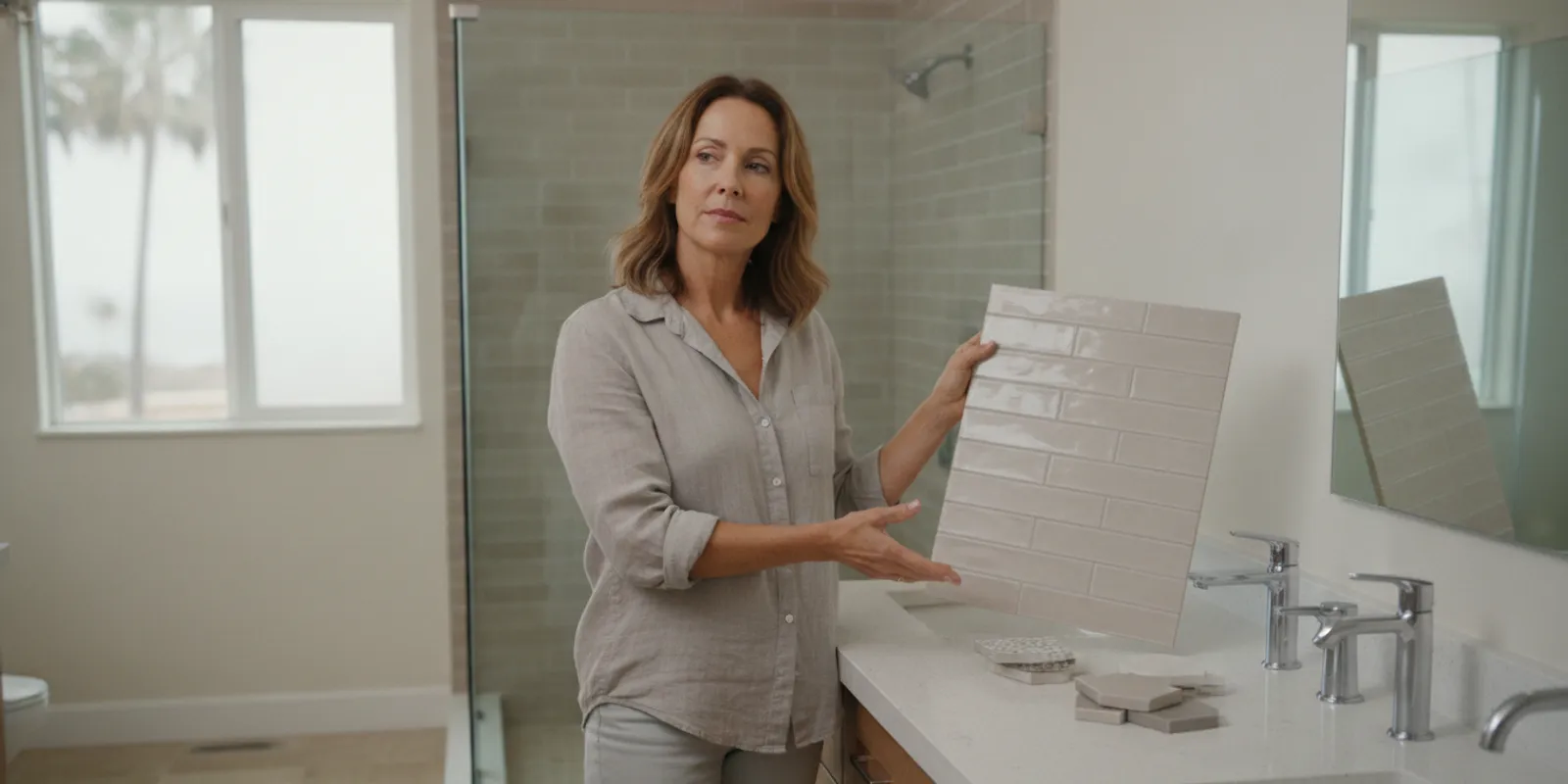
Your tile choices greatly impact how spacious your bathroom feels. Use large-format tiles on the floor and walls to minimize grout lines, creating a less busy, seamless surface. For even greater effect, use the same tile on the floor and up the shower walls. This continuity blurs the lines between zones, making the space feel like one cohesive unit. Visiting our
design showroom can help you visualize how different tile sizes and finishes will work together.
Create a Cohesive Color Palette
Light and bright color palettes are your best friend in a small bathroom. Soft whites, pale grays, and light blues reflect light, making walls seem to recede and the room feel more open. Sticking to a monochromatic color scheme creates a serene, uncluttered look. By keeping your walls, tiles, and vanity in the same tonal family, you create a seamless flow that enhances the sense of space. You can see beautiful examples in our
featured projects.
Use Open Shelving to Reduce Bulk
Bulky cabinets can overwhelm a small bathroom. Open shelving provides storage without the visual weight. Installing floating shelves above the toilet or adding a recessed niche in the shower utilizes vertical space while keeping the room feeling airy. Because you can see the wall behind them, the space feels more open. This approach lets you display your most beautiful essentials, adding function and style without sacrificing precious square footage.
How to Plan an Efficient Layout
In a small bathroom, the layout isn’t just about where things go—it’s about creating a space that feels intuitive and comfortable to use every day. A smart floor plan can make a compact room feel surprisingly open, while a poor one can make it feel cramped and awkward, no matter how beautiful the finishes are. For specific dimensions, check out our
5×7 bathroom with walk-in shower layout ideas. This is where careful planning makes all the difference. Before a single tile is laid, we map out every square inch to ensure the final space is as functional as it is stylish. It’s about more than just fitting everything in; it’s about arranging the elements so they work in harmony.
Thinking through the flow from the sink to the shower or how the door swings open can prevent daily frustrations down the road. A well-designed layout considers traffic patterns, clearance space, and the placement of every fixture to maximize usability. For example, is there enough elbow room at the sink? Can you step out of the shower without bumping into the toilet? These are the practical questions that define a truly great design. It’s a foundational step in
our design-build process that sets the stage for a successful remodel, ensuring your new bathroom works for you, not against you.
Make the Most of Corners
Corners are often the most underutilized areas in a small bathroom. Instead of letting that valuable real estate go to waste, you can use it to your advantage. A corner-fit vanity or a neo-angle shower stall can be a game-changer, tucking major fixtures neatly out of the main traffic path. This simple move frees up central floor space, making the entire room feel more open. Opting for a smaller, wall-mounted vanity also creates the illusion of a larger room by exposing more of the floor. You can then make use of vertical space by installing floating corner shelves for towels or decorative items, turning a forgotten spot into a functional feature.
Rethink Your Door
A standard door that swings into the bathroom can claim up to nine square feet of precious floor space. When you’re working with a tight layout, that’s a huge sacrifice. It’s worth considering an alternative that gives you that space back. A pocket door, which slides discreetly into the wall, is a fantastic solution that completely eliminates the door swing. If your wall structure doesn’t allow for a pocket door, a sliding barn door mounted on the outside wall adds a stylish, rustic touch while achieving the same space-saving goal. Even a bi-fold door can be a better option than a traditional one. This small change can dramatically improve the flow of your
bathroom remodel.
Prioritize Fixture Placement
With limited space, the placement of your toilet, sink, and shower is a puzzle that requires careful thought. The goal is to create a functional and visually appealing oasis, which means every fixture needs to be positioned for optimal flow and clearance. Think about your daily routine. You don’t want to be squeezing past the toilet to get to the sink or have the vanity door bang into the shower. We always recommend placing the most-used fixture, the vanity, in a prime location, with the toilet tucked into a less prominent spot. Visiting a design showroom can help you visualize the actual size of fixtures and make smarter choices for your layout.
Where to Splurge and Where to Save
A small bathroom remodel is a balancing act. You want a beautiful, functional space, but you also have a budget to stick to. The key is knowing where a little extra investment will make a big impact and where you can be savvy to save a few dollars. It’s not about cutting corners; it’s about making smart, strategic decisions that give you the best possible outcome for your money. By focusing your spending on the elements you’ll see and use every day, you can create a high-end feel without a high-end price tag.
What’s Worth the Investment?
In a compact space, certain features do the heavy lifting to make the room feel more luxurious and spacious. A high-quality vanity is one of them. Opting for a smaller or wall-mounted vanity frees up valuable floor space, creating a more open and spacious feel. This is a great place to splurge on a piece with excellent craftsmanship and smart storage. Another worthy investment is tile. Since you don’t need a large quantity, you can choose a premium tile for the floor or a shower accent wall. It adds a custom touch that makes the whole room feel more thoughtfully designed. Finally, don’t skimp on lighting and plumbing fixtures—these are the functional workhorses of your bathroom, and quality here pays off in durability and daily enjoyment.
You can absolutely achieve a stunning remodel without draining your bank account. The single biggest way to save is by keeping the original layout. Moving plumbing and electrical lines can add thousands to your budget, so if your current layout works, stick with it. You can also save money by doing some of the work yourself, like demolition, painting, or installing simple fixtures like a towel bar. Instead of crowding the floor with bulky storage, make use of vertical space with elegant shelving. Visiting a design showroom can also help you find beautiful, budget-friendly materials that look more expensive than they are, like luxury vinyl tile that mimics high-end stone or wood.
Know When to Call a Pro
While a bit of DIY can be empowering, it’s important to know your limits. For bigger remodels, it’s best to hire professionals. Tasks involving plumbing, electrical work, and intricate tile setting require expertise to ensure they’re done safely and correctly. A licensed contractor also understands local building codes and permit requirements. For instance, San Diego’s permit regulations can impact your project’s timeline and design, and a professional can help you manage these complexities smoothly. A design-build firm can manage the entire project, ensuring every detail is handled correctly from the initial design to the final walkthrough, saving you from costly mistakes and headaches down the road.
How to Add Style Without the Clutter
A small bathroom doesn’t have to be boring. The challenge is adding personality without making the space feel cramped or chaotic. The secret isn’t about avoiding decor altogether; it’s about making deliberate, high-impact choices that enhance the room instead of overwhelming it. By focusing on a few key design principles, you can create a bathroom that’s both stylish and serene.
Think of it as curating your space. Instead of filling every surface, you’ll choose specific elements to shine. This approach ensures every item has a purpose, whether it’s a functional fixture or a beautiful piece of decor. From a striking vanity to a carefully chosen tile, a few thoughtful details can define the entire room. We guide our clients through this process in our
Design Center, helping them find the perfect balance between function and beauty. Let’s look at three simple strategies to add style without adding clutter.
Choose a Single Focal Point
Every great design has a focal point—one feature that immediately draws the eye and sets the tone for the space. In a small bathroom, a single bold element can define the style without overwhelming it. This could be a beautifully crafted vanity, a mirror with an interesting frame, a vibrant piece of art, or a stunning tile pattern in the shower. By giving one element the spotlight, you allow the rest of the room to be simple and supportive. This creates a sense of intention and prevents the space from feeling busy. You can see how we create visual anchors in our
featured projects, where one key feature often becomes the star of the show.
Use Pattern and Color Sparingly
Color and pattern are powerful tools, but in a compact room, a little goes a long way. Light and bright colors are your best friends for making a space feel larger. Soft whites, pale blues, and light grays reflect light and make the walls seem to recede. If you love a bold pattern—like a geometric floor tile or a colorful wallpaper—commit to it in one area only. Let that be your focal point and keep the other surfaces neutral. This creates a stylish statement without visually shrinking the room. A well-planned
bathroom remodel balances color and texture to create a space that feels both personal and spacious.
Select Scale-Appropriate Decor
When you’re working with limited square footage, scale is everything. Bulky furniture and oversized fixtures can quickly consume a small bathroom, making it feel tight and difficult to use. Opting for a smaller or wall-mounted vanity is a classic move that frees up valuable floor space and creates a more open feel. The same principle applies to everything else: choose a slim-profile toilet, minimalist faucets, and decor that fits the room’s proportions. Instead of a large plant, try a few small succulents. Instead of a chunky soap dispenser, find a sleek, simple one. Every piece should feel like it belongs.
A small bathroom remodel is a fantastic way to add value and function to your home, but its limited footprint presents unique challenges. It’s easy to get caught up in beautiful finishes and forget the practical details that make or break the space. With a little foresight, you can sidestep the common missteps that leave homeowners feeling cramped and frustrated. Planning ahead helps ensure every square inch works for you, creating a bathroom that feels open, airy, and perfectly suited to your daily routine. Let’s walk through a few key mistakes to watch out for.
Choosing Fixtures That Are Too Big
It’s tempting to pick a grand vanity or a standard-sized toilet, but in a small bathroom, scale is everything. Bulky fixtures eat up precious floor space and create awkward traffic patterns, making the entire room feel smaller than it is. A vanity that juts out too far can turn a simple trip to the sink into a clumsy shuffle. Instead, look for fixtures designed for compact spaces. Opting for a smaller or wall-mounted vanity frees up the floor, creating a more open and spacious feel. A floating vanity is a perfect example of a stylish solution that gives you storage without the visual weight. Our bathroom remodeling team can help you select compact toilets and sinks that fit your layout perfectly.
Forgetting About Ventilation
Ventilation might not be the most glamorous part of a remodel, but it’s one of the most important. A small, enclosed bathroom can quickly become a breeding ground for mold and mildew without proper airflow. This can damage your new paint, warp cabinetry, and create an unhealthy environment. A high-quality, quiet exhaust fan is an absolute must-have. It protects your investment by whisking away moisture and odors. Plus, proper ventilation is often a requirement to meet local building codes here in San Diego. When you work with an experienced team, we handle all the technical details, ensuring your beautiful new bathroom is also safe and compliant from day one.
Ignoring Your Vertical Space
Storage is often the biggest challenge in small bathrooms. When floor space is at a premium, the only way to go is up. Too many people focus on what they can fit on the floor and completely forget about the empty walls above. Instead of crowding the floor with bulky cabinets, make use of your vertical space. You can install wall-mounted cabinets, recessed medicine cabinets that sit flush with the wall, or elegant floating shelves above the toilet for towels and decor. This strategy not only provides essential storage but also draws the eye upward, making the room feel taller and more open. You can see great examples of this in our featured projects.
Related Articles
Frequently Asked Questions
How long does a small bathroom remodel usually take from start to finish? While every project is unique, a full small bathroom remodel typically takes several weeks. This includes the initial design and planning phase, ordering and receiving all your materials, and the actual construction. The construction itself might only be a few weeks, but the thoughtful preparation beforehand is what ensures the project runs smoothly, on time, and without surprises.
I love these ideas, but will my bathroom still feel small no matter what I do? It’s a fair question! While we can’t change the actual square footage without moving walls, a smart design can completely change how a room feels. By using strategies like a floating vanity, a glass shower door, and a cohesive color palette, you create an illusion of depth and openness. The goal isn’t just to make it feel bigger, but to make it function better and feel more serene and intentional. A well-designed small space is far more enjoyable than a poorly planned large one.
You mentioned keeping the plumbing layout to save money. Will the room still feel completely different? Absolutely. It’s amazing how transformative a remodel can be even when the toilet and sink stay in the same spots. The layout is just the foundation. When you replace dated tile, install a new vanity with modern fixtures, upgrade the lighting, and introduce a fresh color scheme, the entire character of the room changes. You get a space that feels brand new without the added cost and complexity of re-routing pipes.
I’m overwhelmed by all the material choices. How do I create a cohesive look? You are not alone—this is one of the most common feelings homeowners have. The best way to move forward is to work with a designer. Having a professional guide you through a curated selection of materials in a showroom setting makes all the difference. You can see how different tiles, countertops, and finishes look together in person, which helps you make confident decisions and ensures every element works together beautifully.
What’s a realistic budget for a project like this in San Diego? The final cost of a bathroom remodel can vary quite a bit because it depends entirely on your specific project. The scope of work, the types of materials you select, and the complexity of the installation all play a major role in the total investment. The best way to get an accurate number is to schedule a consultation. This allows a professional to see your space, understand your goals, and provide a detailed, fixed-price proposal based on what you want to achieve.