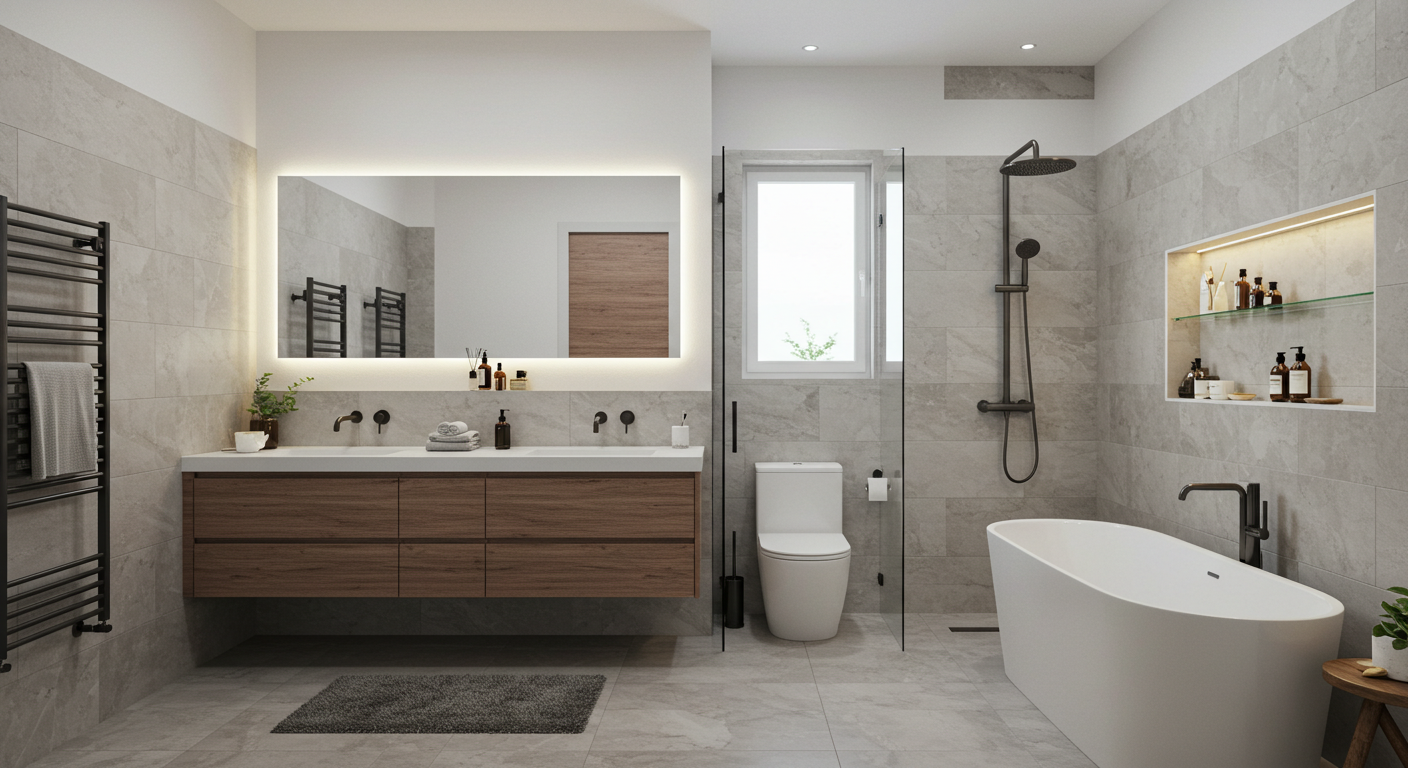
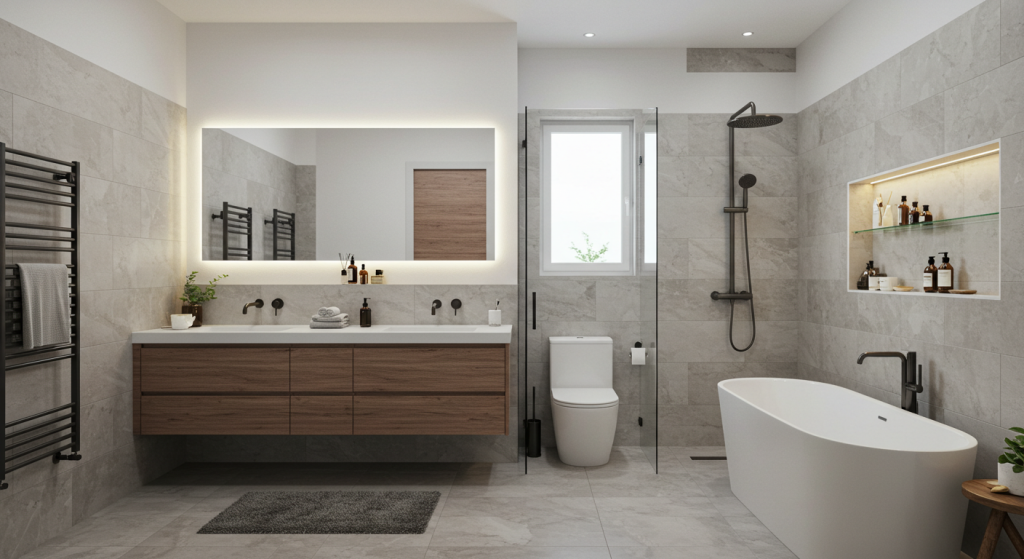
Bathroom remodeling trends for 2026 prioritize wellness, practical technology, accessible layouts, water-conscious features, and personalized finishes. The strongest ideas are not simply decorative. They help make a bathroom calmer, safer, easier to maintain, and better suited to everyday routines. For San Diego homeowners, the right mix depends on the room, the household, and long-term plans for the home.
If you are considering bathroom remodeling in San Diego, start by identifying the problems the new room should solve. A clear design plan makes it easier to choose trends that will remain useful after the initial excitement fades.
What Is Shaping Bathroom Design in 2026?
Bathrooms are becoming more personal and purpose-driven. Industry research, including the NKBA Bath Trends research, points to wellness, technology, accessibility, sustainability, layout changes, and personalization as important design themes. In practice, that means pairing comfortable, natural-looking finishes with thoughtful storage, flexible lighting, easy-to-use fixtures, and layouts that support movement.
The best 2026 bathroom designs balance current ideas with durable choices. Instead of adding every new feature, homeowners can select a few improvements that work together and fit the way they use the room.
1. Wellness-Focused Bathroom Retreats
Wellness-focused bathrooms create a calmer start and finish to the day. Warm lighting, uncluttered surfaces, comfortable showers, and natural-looking materials can make a practical room feel restorative without turning it into an impractical showpiece. A planned place for towels, toiletries, and daily essentials also reduces visual clutter.
Comfort features should support the household’s real routine. A generous shower bench may be more useful than a large tub, while easy-to-clean surfaces can reduce ongoing maintenance.
Best for: Homeowners who want a peaceful room that still performs well during busy mornings.
2. Natural Materials and Warmer Color Palettes
Warm neutrals, wood-inspired cabinetry, stone textures, and softly colored tile are replacing colder, all-gray rooms. These finishes add depth while remaining flexible enough to work with changing accessories and decor. Natural materials can be used selectively, while durable look-alike surfaces may be appropriate in areas exposed to frequent moisture.
Rather than matching every finish, build a coordinated palette with a clear dominant tone and a small number of complementary accents. Comparing samples under the room’s actual lighting helps prevent surprises.
Planning note: Consider maintenance, slip resistance, and moisture exposure alongside appearance.
3. Curbless Showers and Wet-Room-Inspired Layouts
Curbless showers create a clean visual line and can make movement into the shower easier. Wet-room-inspired planning can also give showers more breathing room, especially when glass and tile choices support an open feel. These layouts require careful waterproofing, drainage, slope, and splash-control planning.
A fully open wet room is not the only option. Fixed glass panels, well-positioned fixtures, and thoughtful shower dimensions can capture the spacious look while helping contain water.
Best for: Remodels where easier entry, a more open layout, and a streamlined appearance are priorities.
4. Better Lighting and Brighter Bathrooms
Layered lighting makes bathrooms more useful throughout the day. General lighting supports cleaning and movement, focused lighting improves visibility at the vanity, and softer accent lighting creates a calmer atmosphere. Controls that separate these layers let homeowners adjust the room rather than relying on one bright fixture.
Good mirror lighting should illuminate the face evenly. Decorative fixtures can add character, but their placement should complement practical task lighting rather than replace it.
Planning note: Plan fixture locations, switching, and mirror dimensions together before walls and finishes are finalized.
5. Smart Features That Solve Everyday Problems
Smart bathroom features are most valuable when they solve a recurring problem. Examples include mirrors with integrated lighting, easy-to-set temperature controls, and lighting controls that support different routines. Technology should be simple to operate and should not create unnecessary maintenance.
Before choosing a connected feature, ask who will use it, how often it will be used, and what happens if the technology changes. Practicality matters more than novelty.
To compare finishes and see how practical features can work together, visit the King Remodeling showroom and explore completed remodeling projects.
Best for: Households that value convenient controls and will use the selected features regularly.
6. Water-Conscious Fixtures and Durable Materials
Water-conscious bathroom planning pairs efficient fixtures with surfaces selected for durability and maintenance. Faucets, shower fixtures, and toilets should be evaluated for performance as well as appearance. Meanwhile, tile, counters, grout, and cabinetry should suit the moisture and cleaning demands of the room.
Durability can also support a timeless design. Materials that age well and are easy to care for reduce the pressure to remodel again simply because a finish has become difficult to maintain.
Planning note: Review product care requirements and fixture performance before making final selections.
7. Accessibility That Blends Into the Design
Accessibility-focused details can look intentional and refined. Curbless entries, wider clearances, comfortable fixture heights, better lighting, and support options can make a bathroom easier to use now and over time. Planning these features early gives the design team more flexibility to integrate them naturally.
Even homeowners who do not need every feature today may benefit from a layout that can adapt later. The goal is a room that supports independence without feeling clinical.
Best for: Homeowners planning for long-term comfort, multigenerational use, or changing mobility needs.
8. Personalized Tile, Vanities, and Statement Details
Personalization remains an important counterpoint to simple, functional layouts. A distinctive vanity color, textured tile, patterned niche, or carefully selected fixture finish can give a bathroom identity. The most successful statement details have room to stand out because the surrounding palette is restrained.
Choose one or two focal points rather than asking every surface to compete. This keeps the design visually clear and makes individual selections feel more deliberate.
Planning note: View tile, countertop, cabinetry, and fixture samples together before approving the final palette.
How to Choose the Right Trends for Your San Diego Home
Trends are useful starting points, but a successful remodel should reflect the existing home and the people who use it. Prioritize improvements that solve layout, storage, lighting, safety, or maintenance concerns. Then use finish choices to express the style you want.
Start With Function and Long-Term Needs
List what is not working in the current bathroom and rank those issues. Consider who uses the room, when it becomes crowded, what needs to be stored, and whether needs may change. This establishes a practical foundation before decorative decisions begin. For early budget context, review the guide to bathroom remodel cost in San Diego.
Compare Materials in Person
Digital images do not always show a material’s true color, texture, or scale. Comparing samples in person makes it easier to see how tile, counters, cabinetry, and fixtures relate. A guided showroom visit can also help narrow a large number of options into a coordinated palette.
Plan the Whole Room Before Selecting Finishes
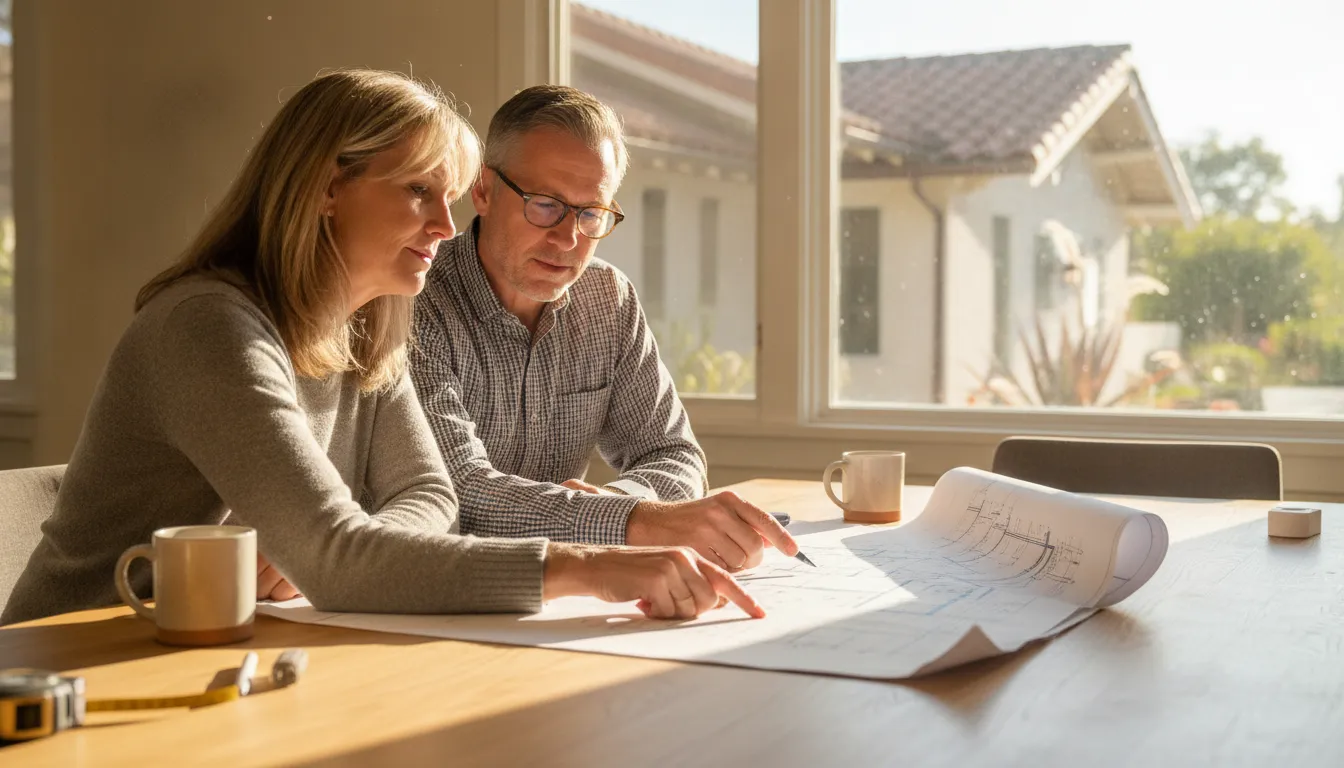
Layout, plumbing locations, storage, lighting, ventilation, and finish selections affect one another. Planning the complete room first reduces the chance that one decision creates a problem elsewhere. It also helps ensure that statement features support the design rather than distract from it.
Frequently Asked Questions About 2026 Bathroom Trends
What are the biggest bathroom trends for 2026?
The leading themes include wellness-focused spaces, warmer natural-looking materials, curbless or wet-room-inspired showers, layered lighting, practical smart features, water-conscious fixtures, accessible layouts, and personalized details. The best choices are the ones that improve daily use and fit the home’s overall style.
Are curbless showers a good choice for a bathroom remodel?
Curbless showers can create easier entry and a more open appearance. Their success depends on careful planning for drainage, waterproofing, slope, and splash control. A design-build team can assess whether the existing room and planned layout support the approach.
Which bathroom trends are most likely to feel timeless?
Functional layouts, durable materials, layered lighting, comfortable clearances, and warm neutral palettes tend to have lasting value. Personalized accents can still be included, but limiting them to a few intentional focal points helps the overall room remain flexible.
How can I choose bathroom materials before remodeling?
Begin with the room’s functional needs and a clear palette, then compare tile, countertop, cabinetry, and fixture samples together. Reviewing the options in person can reveal differences in color, texture, scale, and maintenance requirements that are difficult to judge from a screen.
Plan Your Bathroom Remodel With King Remodeling
A strong bathroom remodel combines thoughtful planning with selections that work as a complete system. King Remodeling brings design, materials, and construction together for San Diego homeowners, helping turn practical goals and preferred styles into a coordinated plan.
Ready to discuss your space and priorities? Schedule a consultation with King Remodeling.