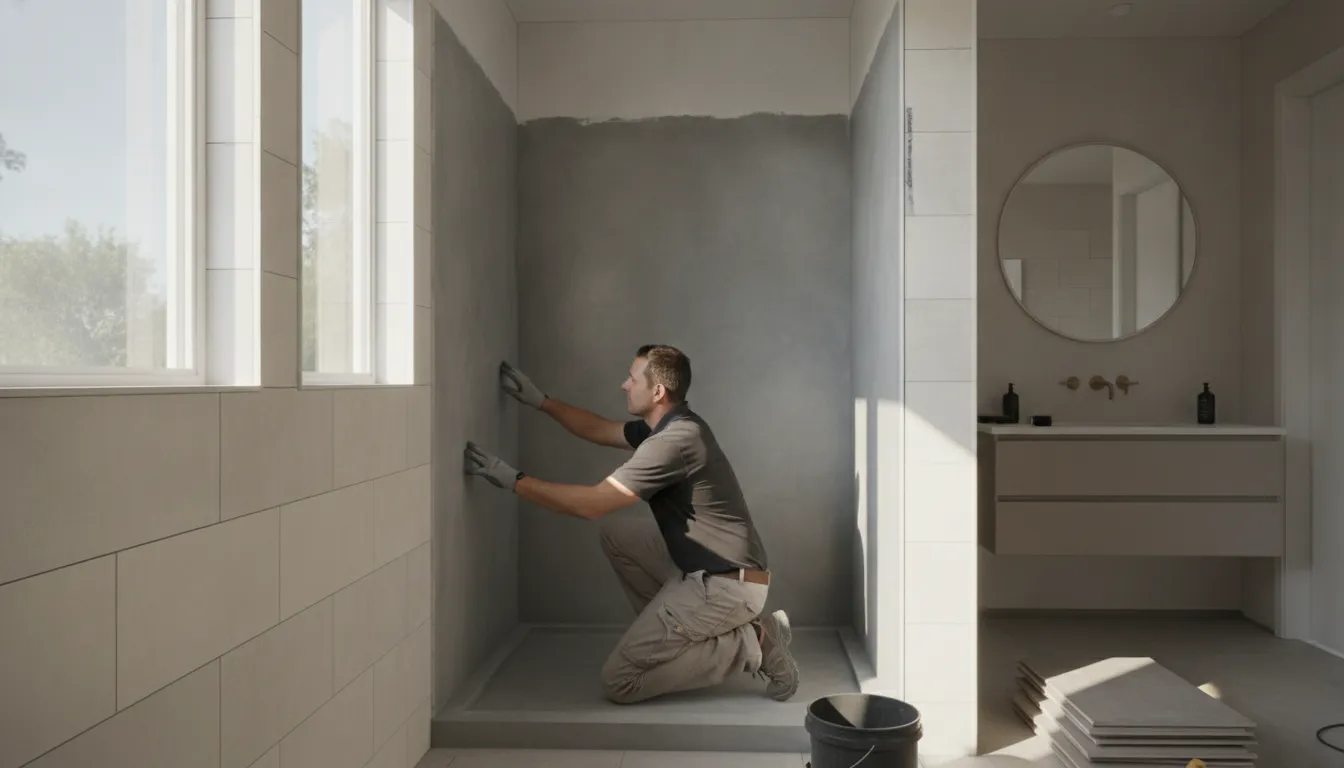
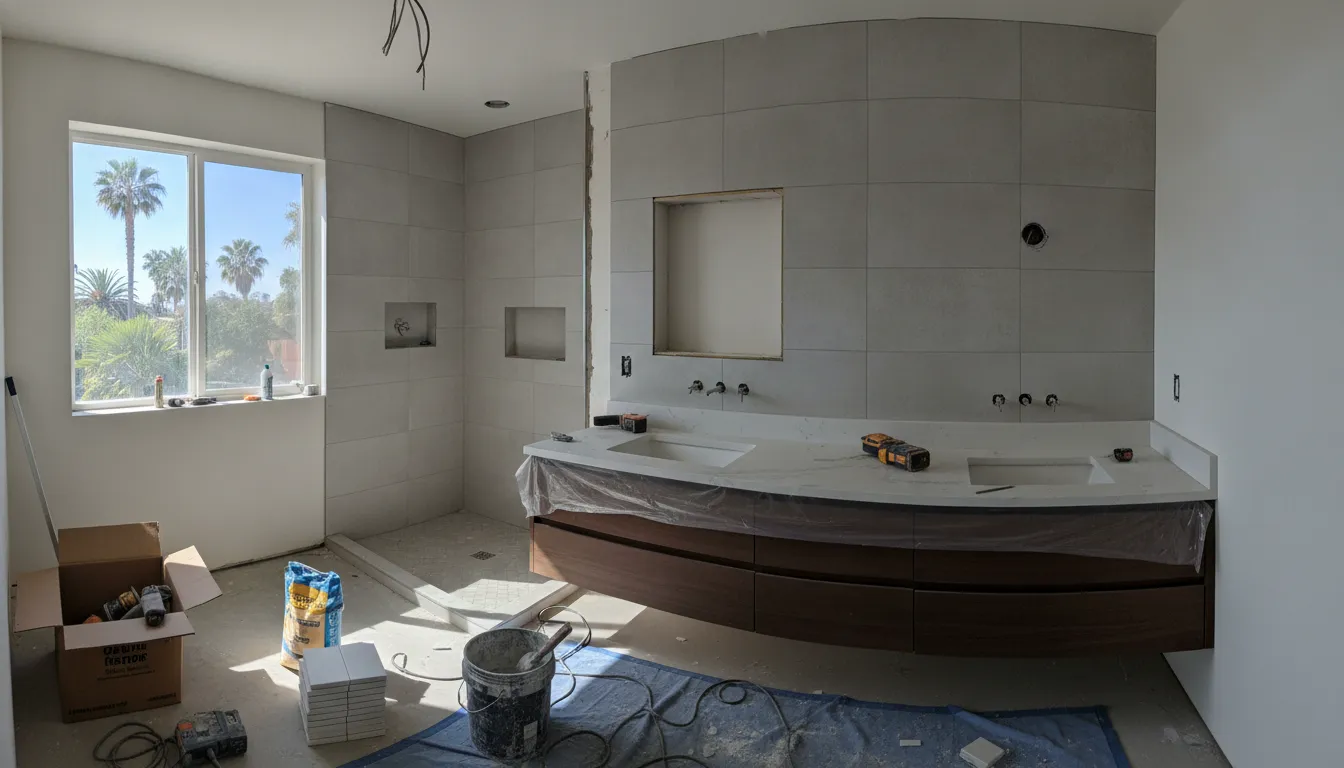
A professional San Diego bathroom remodel takes six weeks to three months from start to finish. This schedule ensures high-quality work while keeping your home life running smoothly.
A realistic bathroom remodel timeline ranges from one week for basic cosmetic refreshes to eight weeks or more for full-scale custom layout changes. According to professional home renovation data from Sweeten, the active construction phase of a bathroom remodel usually averages 20 to 30 working days. However, the complete project timeline from first design and planning through the final punch list usually spans anywhere from six weeks to three months. Pre-construction phases like custom design work, local city permit approvals, and custom material orders are critical factors that influence your project start date. Partnering with an experienced local design-build team ensures proper scheduling and professional trade coordination to keep your custom San Diego project on track.
Knowing how long a project takes helps you prepare your household for the work. To plan your remodel, you should start with our Bathroom Remodel Timeline: Overview by Project Scope. This guide outlines standard times for each type of project, and here is how they break down.
Ready for a free quote? Call (858) 299-7700 or contact us online to discuss your project.
Bathroom Remodel Timeline: Overview by Project Scope
Planning a home remodel is a big step. A standard San Diego bathroom remodeling company project often takes between 6 weeks and 3 months to finish. This time covers all parts from your first design ideas to the final list of tasks. The exact span depends on what you want to change. If you keep the layout the same, the work goes faster. If you move walls or pipes, the job takes longer.
Cosmetic updates and quick refreshes
A simple refresh is the fastest way to update your space. A small cosmetic update often takes just 1 to 2 weeks. In this time, you might swap the vanity, put in a new faucet, or paint the walls. You can also replace the light fixtures or lay new flooring over the old base. These changes do not need you to move any pipes or open up the walls.
Doing this work on your own takes more time than hiring a pro. A DIY small bath project often takes 2 to 3 weeks. A pro team can finish the same small update in just 1 to 2 weeks. Pros have the right tools and skills to get the job done fast. They also know how to avoid mistakes that can slow down your schedule.
Small bathroom and powder room projects
Small guest bathrooms and powder rooms need careful work. For these compact spaces, you can expect a pro team to take about 2 to 4 weeks. This timeline is a bit longer than a cosmetic update because it has more steps. You might replace the toilet, set up a new sink, and put down fresh tile. Even in a small space, the work must follow a strict order to ensure quality.
One step that you cannot rush is waterproofing. Proper waterproofing in wet areas is a multi-step process. The items need time to cure and dry before tiling can begin. This key step prevents water damage but often adds a few days to your timeline. Rushing this work can lead to mold and costly repairs later on.
Full-scale and gut renovations
A full remodel involves a complete change of your bathroom. When you do not change the layout, a pro full remodel often takes 3 to 4 weeks. On the other hand, a DIY project of this size usually takes 4 to 6 weeks. This work includes tearing out old fixtures, updating the wiring, and putting in new tile. It takes deep skill and solid project control to keep the schedule on track.
If your project includes layout changes, the timeline will expand. Moving plumbing lines is a major task. A full gut remodel with layout changes can easily take 8 weeks or more. This process involves opening the walls and floors to move pipes. Working with a skilled local builder is the best way to handle these tough steps safely.
Small Bathroom vs. Full Gut Renovation: Timeline Comparison
Project scope and layout factors
The scope of your project is the main factor that shapes your bathroom remodel timeline. Small changes do not take as long as a full tear down. If you want to move pipes, build walls, or shift the layout, the work will take more weeks. To get the best results, you should first plan your San Diego bathroom remodel with care.
When you change the layout of a bathroom, you are not just swapping fixtures. You must move the drain lines, water supply pipes, and vent stacks. This often needs cutting into the subfloor or framing new support structures. These hidden tasks can add several days or weeks to the project. You must finish these tasks before you can install any tile or wood.
A simple cosmetic update might take just one to two weeks. But a full-scale remodel with layout changes can easily stretch to eight weeks or more. Moving load-bearing walls and plumbing lines adds a lot of labor. These structural tasks demand careful steps and local permits.
Professional vs DIY timelines
For a small bathroom or powder room, a professional crew takes about two to four weeks. Doing this work yourself will take more time. A DIY small bathroom remodel often takes two to three weeks. By comparison, a pro small bathroom remodel is often done in just one to two weeks.
For larger projects, a pro full-scale bathroom remodel usually takes three to four weeks. A similar DIY project often takes four to six weeks. The table below compares the timeline and scope for these different project types.
| Scope | Typical Timeline | Key Work Included | DIY vs. Professional |
|---|---|---|---|
| Cosmetic Update (keep layout) | 1 to 2 weeks | Faucet, lighting, and fresh paint | DIY: 1 to 2 weeks; Pro: 3 to 5 days |
| Small Bathroom (under 50 sq ft) | 2 to 4 weeks | New tile, vanity, and simple plumbing | DIY: 2 to 3 weeks; Pro: 1 to 2 weeks |
| Full Gut (layout changes) | 4 to 8 weeks | Moving plumbing, framing, and drywall | DIY: 4 to 6 weeks; Pro: 3 to 4 weeks |
| Master Suite (custom layout) | 8 to 10+ weeks | Large tiled shower and custom vanity | DIY: Not advised; Pro: 6 to 10 weeks |
Waterproofing and curing steps
Many homeowners think that tile work is quick. But proper waterproofing is a multi-stage process that must be done with great care. Waterproofing layers and tile mortar need time to dry and cure before the next step starts.
You cannot rush these curing times. Studies show that rushing the drying times of adhesives or mortar can cause early tile failure. Proper curing often adds several days to your bathroom remodel timeline, but it prevents costly water damage.

Call today at (858) 299-7700 to discuss your project timeline and schedule your free in-home consultation with our team.
The 5 Key Phases of a Bathroom Renovation Timeline
Planning a home update
Planning a home update takes time before work starts on site. If you buy a new house, the pre-construction phase can begin early. For instance, closing on a property can take one to three months. During this time, you can start dreaming about your new space, browse design ideas, and set your budget. Once you own the home, you can hire a local builder.
Overall timeline expectations
A common bathroom renovation takes time to plan and build. This standard bathroom remodel often takes between six weeks and three months to complete. This span includes your early design steps and the final punch list. Your home will not be a construction zone the whole time. In fact, the active construction phase of a bathroom remodel averages 20 to 30 working days. Knowing what to expect at each step helps you stay calm.
The five key phases
A good remodel follows a clear order. Working with a skilled team ensures each phase is done in the right order. Here are the five key phases of a standard bathroom remodel timeline:
- Phase 1: Design and Planning (1 to 3 weeks). You work with a designer to draw your plans. You will select your layout and pick your materials during this step. This includes choosing your flooring, cabinets, and paint colors. Making choices now keeps the project on time and avoids delays once work starts.
- Phase 2: Permits and Material Procurement (2 to 6 weeks). Your team submits plans to get building permits from the city. At the same time, your contractor orders your tile, tub, and vanities. Some custom items can take weeks to arrive. Physical work on your home does not start until these items are in hand.
- Phase 3: Demolition (1 to 5 days). Workers tear out the old tub, toilet, tile, and drywall. They clean the space down to the wood studs. Demolition is fast but creates dust and noise. Your team should set up dust walls and plastic sheets to protect your home and keep your air clean.
- Phase 4: Rough-In: Plumbing, Electrical, HVAC (1 to 2 weeks). Workers run new pipes and wires behind your walls. They move drains if you changed the room layout. If you want to know the physical steps, check the bathroom remodel order of installation. City inspectors must check this work before walls are closed.
- Phase 5: Finishing: Tile, Fixtures, Paint, Trim (2 to 3 weeks). Drywall goes up first. Next, workers lay tile and install your vanity, sink, and toilet. They also paint and add trim. Keep in mind that curing times for tiling adhesives must not be rushed. For example, rushing the drying time of tile mortar can cause cracks and leaks.
Once finish work wraps up, your contractor does a final walk-through with you. They will fix any small paint spots or tight doors on a punch list. After this final step is done, your new bathroom is ready to use.
What Factors Can Delay Your Bathroom Renovation?
A bathroom renovation is an exciting home project. But many things can shift your plans and drag out the work. When you plan your bathroom remodel timeline, you must look at what can go wrong behind the walls. Knowing these risks helps you stay calm when issues pop up.
Hidden site issues and water damage
Demolition is the phase where secrets come to light. Workers often find mold or rotted wood under old tiles and tubs. Fixing these issues takes extra time because you cannot build on bad framing. You must deal with water damage first to keep your home safe.
Tearing down walls also creates a lot of dust and debris. Proper dust control keeps the air clean for you and your family. The National Institute for Occupational Safety and Health guidance stresses the need to manage these air quality hazards during home work. Handling these steps safely can add some days to the schedule but prevents health risks.
Material lead times and supply chains
Waiting for materials is a common source of project delays. Custom items like stone tile, special vanities, or premium fixtures often take weeks to ship. If a custom order is backordered, the whole project can grind to a halt. You cannot tile a shower if the plumbing valves have not arrived yet. This is why ordering materials before construction starts is so vital.
To keep the work on track, you should handle planning and ordering early. Our team focuses on these pre-construction tasks to ensure everything is on site before we start. We also manage trade partners so that plumbers, electricians, and tilers show up at the exact right times. Good trade coordination prevents gaps where no work is being done on your home.
Permit approvals and plan changes
Getting the right building permits from local offices can take some time. Every city has its own rules and review speeds. Unplanned structural changes or code updates can slow this down even more. When you make changes to your plans mid-project, it needs new approvals and rescheduled work. These reviews can add weeks of waiting if your team does not submit the paperwork correctly.
Homeowners often want to add new features once they see the space taking shape. These change orders can reset your schedule and budget. A smart way to manage your stress is to use our design-build remodeling approach to plan every detail first. We also advise adding a 15% time buffer to your project schedule to handle these shifts without stress.
How to Avoid Common Bathroom Renovation Delays
You can keep your project on track by planning well. Many delays come from simple mistakes that you can avoid. Knowing must first plan your San Diego bathroom renovation before you start will help you set realistic goals. Let us look at key ways to keep your schedule moving on time.
Material orders and early choices
One big mistake is starting demolition before all your materials arrive at your home. If you must wait for a custom vanity, special tile, or plumbing valves, your project will grind to a halt. You should buy and check all items before any work begins on site. This step is a core part of our design-build project management system to prevent empty days.
You must also lock in all your design choices early. Changing your mind mid-project leads to extra costs and long delays. Mid-job changes force trade partners to stop, adjust plans, and wait for new items to arrive. Make your decisions clear and final before the crew starts so work does not stall.
Avoiding mid-project change orders is also vital for your timeline. A change order happens when you ask for a different layout or material after work has begun. This change resets the schedule because the contractor must write a new contract, order new items, and reschedule trades. Sticking to your main plan is the fastest way to cross the finish line.
Trade partners and local permits
An experienced contractor knows how to schedule and manage trade partners. If plumbers, electricians, and tile workers do not work in the right order, you will lose many days. Managing these partners well keeps the daily workflow smooth. A professional team keeps the project moving without gaps in the schedule.
Getting your building permits early is another vital step to avoid project stalls. Local permit offices can take weeks or even months to approve construction plans. You should submit your paperwork early to prevent a painful bottleneck. Starting work without permits can shut down your project and cause major legal delays.
Time buffers and clean communication
Even with the best planning, renovations often bring surprises. You might find hidden water damage or mold behind old walls once demolition is done. Contractors recommend adding a time buffer of at least 15% to your bathroom remodel timeline to handle these unexpected issues. This buffer lets your crew fix problems without ruining your main schedule.
Keeping clear communication with your builder helps resolve these issues quickly. According to the Centers for Disease Control and Prevention, proper project management is needed to control dust and keep homes safe during work. Managing these hazards well keeps your household healthy and ensures the crew can work without stops.
Can You Remodel a Bathroom in a Week?
Many homeowners hope to finish their renovation in just a few days. But can you really do this in one week? For a full gut job, the answer is no because a complete rebuild requires too many steps. But you can do a quick cosmetic refresh in about five to seven days.
Cosmetic updates in five to seven days
If you want to update your space in a single week, you must limit the scope. You can paint the walls, replace the light fixtures, and install a new mirror. You can also swap out the faucet and the toilet since these simple updates do not require moving pipes or tearing down walls. They can make a guest bath look new without the long wait of a full project.
For a simple powder room, a quick update can go fast. Owners often use these visual changes to refresh a small bath before guests arrive. But even for a minor update, you should plan for a few days of work. You will need to buy supplies and schedule the trade partners to ensure the project goes smoothly.
The risks of rushing curing times
Some owners ask if they can speed up a full renovation to fit a one-week schedule. Doing so is highly risky because some steps cannot be rushed. For example, waterproofing systems and tile work require specific times to dry. Rushing these steps can cause long-term failures in your home.
Trying to finish a full project in a week also risks your home’s structure. For instance, drying times for adhesives, mortar, and sealants are non-negotiable, so rushing these steps can lead to major failures. Studies hosted by the National Center for Biotechnology Information show that rushing curing times causes tile failure and severe waterproofing issues. These curing tasks simply take time to cure safely.
Real timelines for full renovations
A real bathroom remodel timeline is much longer than a single week. If you choose a DIY approach, a small bathroom remodel often takes two to three weeks to complete. But if you hire a pro team, they can often finish in one to two weeks. These timelines apply to simple spaces with no major layout changes.
For a more complete small bathroom remodel, you should expect a pro timeline of two to four weeks. This is true if you must replace old plumbing, install custom cabinets, or remodel a larger space. Working with a pro team that offers professional bathroom remodeling in San Diego in San Diego is helpful because a full-scale remodel requires careful planning. They can manage the entire process, schedule the trade partners, and keep your project on schedule.
Frequently Asked Questions
What is the 30% rule in remodeling?
The 30% rule is a smart guideline used by home appraisers and real estate experts. It advises that you should not spend more than 30% of your home’s total market value on a single renovation project. Spending more can lead to over-improving your home for your local neighborhood. This makes it hard to get your full investment back when you sell the property.
How long should it take a contractor to remodel a bathroom?
For a standard home, the active build phase of a bathroom remodel often averages 20 to 30 working days. This estimate comes from construction data published by Sweeten. This timeframe does not include early design stages. Understanding the bathroom remodel order of installation helps you see why each step needs dedicated time.
Why does changing the bathroom layout increase the timeline?
Changing the layout of your room adds a lot of time because plumbers must move the supply and drain lines. According to timeline details from Realm, layout changes need much more work than simple cosmetic updates. Your team must open up walls and floors to run new pipes. This extra plumbing work and leak testing can add weeks to the project schedule.
How does ordering materials affect the bathroom remodel timeline?
Ordering custom items like vanities, cabinets, or special tile late in the project can cause major delays. Industry experts at Builders Surplus state that long delivery times for custom goods are a very common reason projects stall. To keep your project on schedule, you should choose and purchase all materials during the design-build process before construction begins.
Ready to Start Your San Diego Bathroom Remodel?
Waiting to start your project can lead to higher supply costs, sudden shipping delays, and longer wait times for top local builders. Setting up your design phase now lets you secure your chosen fixtures early and lock in a firm start date on our schedule. Our custom design-build process handles everything from permits to final builds, saving you weeks of stressful phone calls and planning. We guide you through every step of your project, ensuring your vision becomes a reality without any extra stress. This early planning keeps your remodel moving forward without delays so you can enjoy your beautiful new space on time and on budget.
Ready to start? Call (858) 299-7700 to schedule a free consultation.