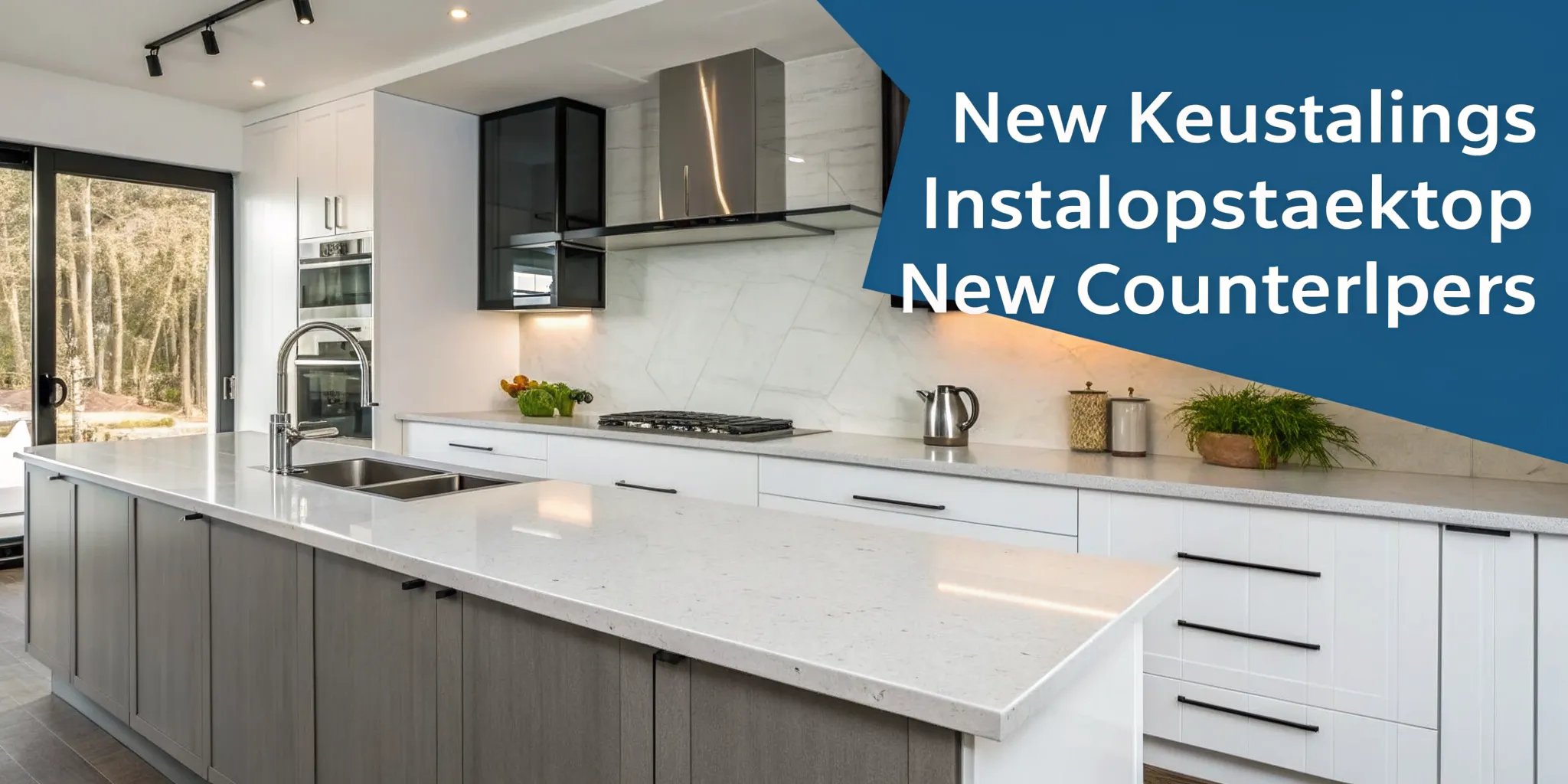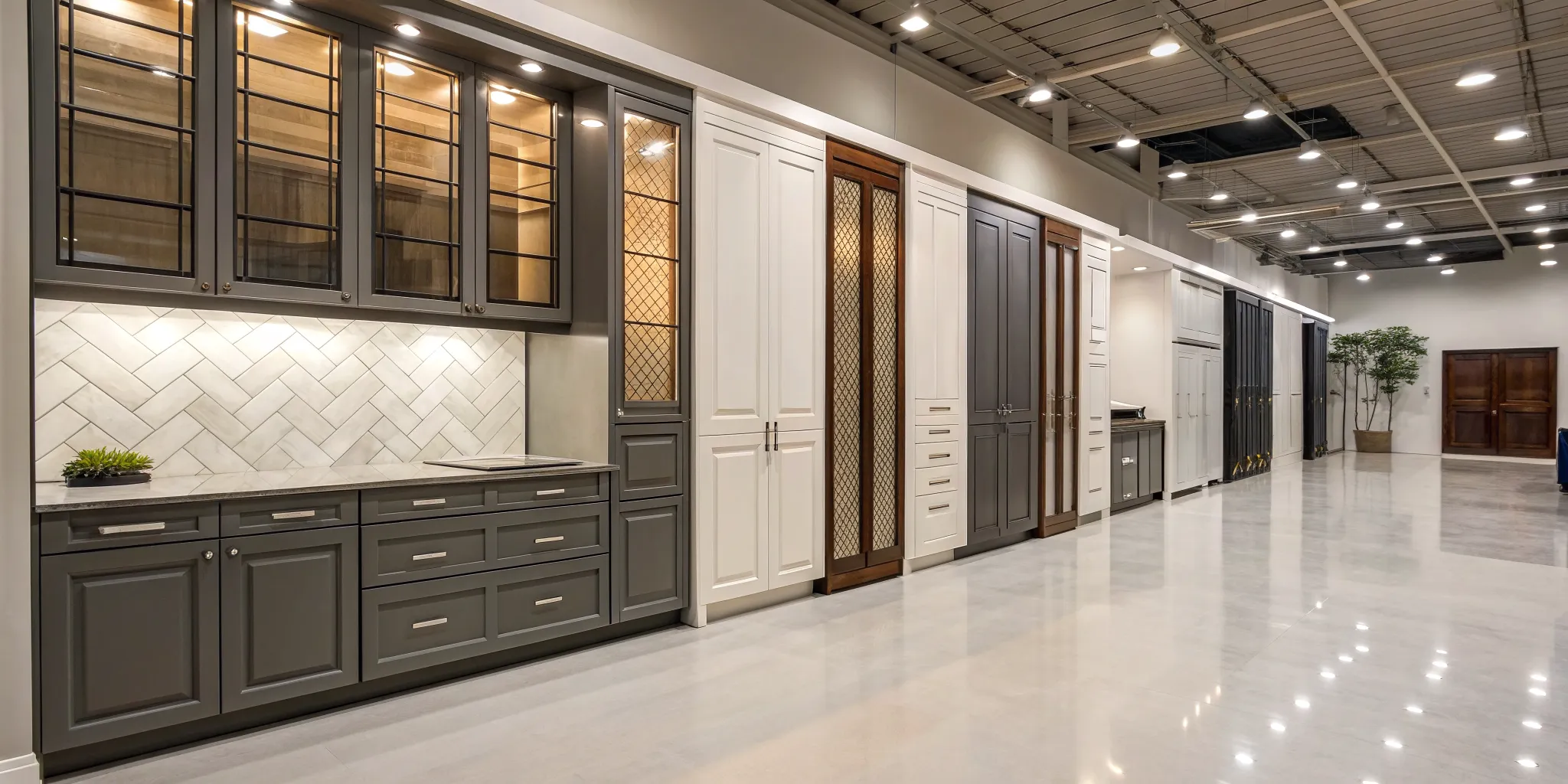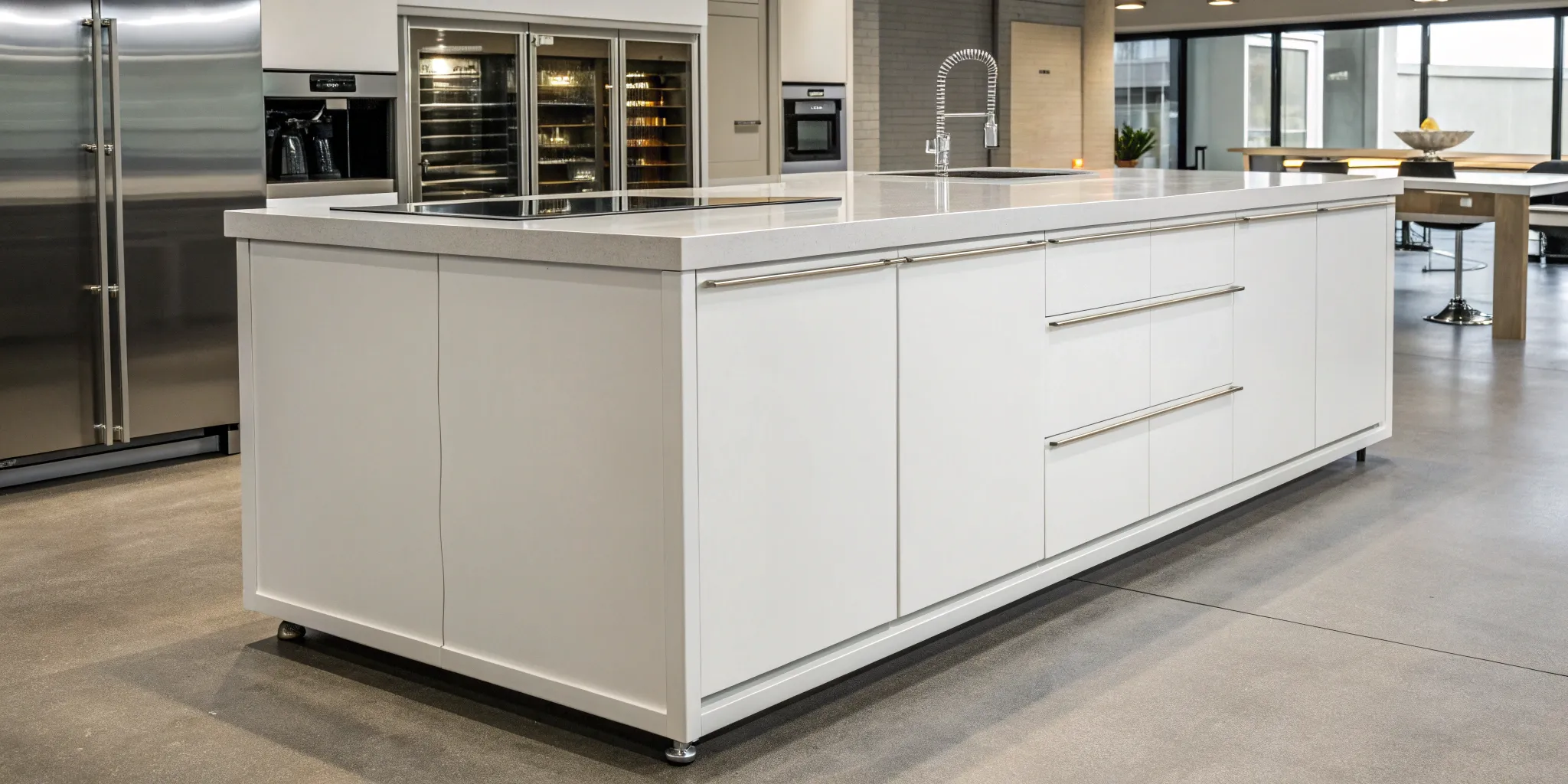
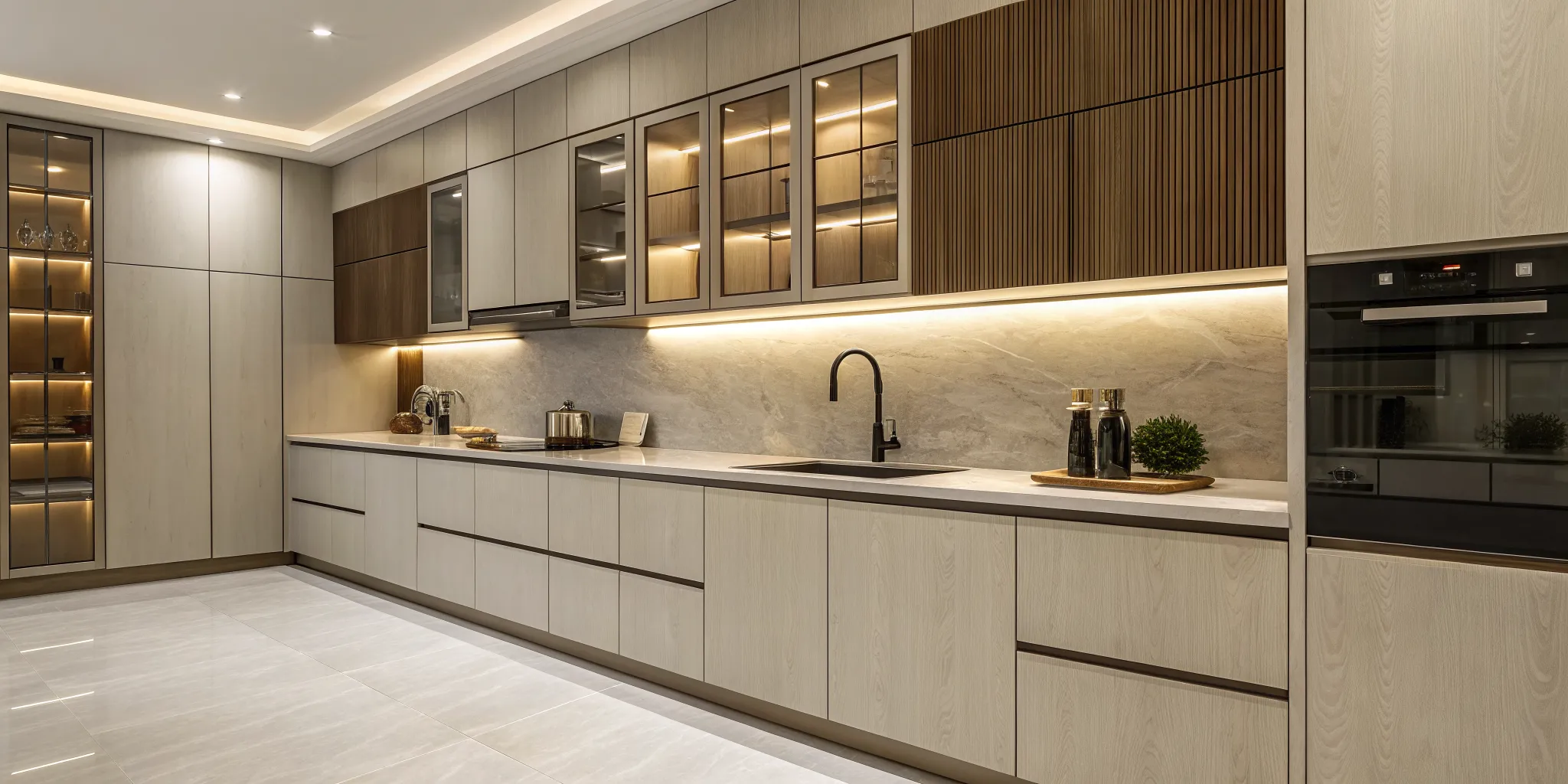
The cabinet under your sink is one of the hardest-working pieces in your entire home. It supports a heavy basin filled with water, houses a web of plumbing, and often stores harsh cleaning supplies. Because it endures so much, its quality is non-negotiable. A standard cabinet simply isn’t built for this tough job. A well-made sink base is designed to handle moisture, weight, and constant use without warping or failing. This guide will walk you through what separates high-quality kitchen cabinets with sink bases from the rest, helping you make a smart investment that protects your kitchen for years to come.
Key Takeaways
- Look beyond the doors: A sink cabinet is specially built for its job with an open back for plumbing access, a false drawer front to fit the sink bowl, and a reinforced frame to support the weight of heavy materials like stone countertops and cast iron sinks.
- Choose a style that fits your routine: The right cabinet improves your kitchen’s workflow, whether it’s a double-bowl base for multitasking, a corner unit for a tricky layout, or an apron-front style for a large farmhouse sink. Just be sure the cabinet is at least three inches wider than the sink itself.
- Invest in quality construction: Prioritize durable materials like plywood boxes, smooth soft-close hardware, and water-resistant finishes. These details are your best defense against the moisture and heavy use that sink cabinets face every day, preventing damage and ensuring longevity.
What Is a Kitchen Sink Cabinet, Really?
When you’re planning a kitchen remodel, you spend a lot of time thinking about countertops, backsplashes, and appliances. But what about the cabinet that holds one of your kitchen’s most-used features? The kitchen sink cabinet, also called a sink base, is more than just a box under your sink. It’s a specialized piece of cabinetry engineered to support the sink, conceal plumbing, and anchor the look of your entire workspace. Getting this foundational piece right is a key step in creating a functional and beautiful kitchen design.
The Anatomy of a Sink Base Cabinet
From the outside, a sink base cabinet is designed to blend seamlessly with your other kitchen cabinets. It can feature the same door style, finish, and hardware, which you can explore at a design showroom to ensure a perfect match. But behind that pretty face, it’s built differently. Instead of functional top drawers, you’ll find false drawer fronts. These are fixed panels that mimic the look of drawers but don’t open, leaving room for the deep sink bowl right behind them. The cabinet doors below open to a large, empty space, intentionally designed without shelves to accommodate water lines, the drain, and a garbage disposal.
Sink Cabinets vs. Standard Cabinets: Key Differences
So, what truly separates a sink base from a standard cabinet? The biggest difference is structural. A standard base cabinet has a full back panel, which adds rigidity and closes off the space. A sink cabinet, however, is built with an open back. This design isn’t a shortcut; it’s essential for giving your plumber easy access to install and service the water lines and drain. The other key distinction is storage. Standard cabinets are optimized for it, with shelves or pull-out drawers. A sink base cabinet sacrifices that built-in organization for the open space needed to house a deep sink basin and all its related plumbing.
Find Your Fit: Common Types of Sink Cabinets
The sink cabinet is the anchor of your kitchen’s wet zone, so its style and function are key. It needs to support your sink, hide the plumbing, and fit seamlessly into your daily routine. From minimalist designs to multitasking powerhouses, the right cabinet sets the tone for your entire kitchen. Let’s walk through the most common types to help you find the perfect match for your space and workflow.
Single Bowl Base Cabinets
If you love a clean, uncluttered look or frequently wash large pots and pans, a single bowl base cabinet is a fantastic choice. This design is built to house one large sink basin, creating a simple and streamlined focal point. Because the standard sink in most kitchens is a top-mount or drop-in style, these cabinets are incredibly versatile and work well in almost any layout. They’re an excellent option for smaller kitchens where you want to maximize counter space, but they also look sleek and modern in larger, more open-concept designs.
Double Bowl Base Cabinets
For the ultimate multitasker, the double bowl base cabinet is a classic for a reason. This setup supports a sink with two separate basins, allowing you to soak dishes on one side while rinsing vegetables on the other. It’s the most popular style because it offers incredible flexibility for busy households. Whether you’re prepping a big meal or tackling cleanup, having two distinct work zones can make your kitchen process much more efficient. This practical design is a staple in many of our San Diego kitchen remodeling projects.
Farmhouse (Apron-Front) Sink Cabinets
A farmhouse sink cabinet is more than just a functional piece; it’s a design statement. Built to accommodate a deep, wide apron-front sink, this cabinet has a cutout in the front to show off the sink’s signature look. The rustic farmhouse style has become incredibly popular, bringing warmth and character to kitchens of all kinds, from traditional to contemporary. These sinks are not only beautiful but also highly practical, offering ample space for large items. Choosing an apron-front sink requires a dedicated cabinet base designed specifically for its dimensions and weight.
Corner Sink Cabinets
Have an awkward corner in your kitchen layout? A corner sink cabinet is a brilliant solution that turns unused space into a fully functional area. These cabinets are specifically designed to fit into a 90-degree corner, often with an angled front that makes accessing the sink comfortable. This is an incredibly efficient kitchen layout choice for L-shaped or U-shaped kitchens, helping you make the most of every square inch. It frees up valuable counter space along the main walls and can create a unique and practical kitchen workflow you might not have considered otherwise.
Island Sink Cabinets
Placing a sink in your kitchen island transforms it from a simple prep surface into a dynamic, central hub for cooking and socializing. Island sink cabinets are becoming a go-to feature in modern kitchens because they create such a convenient workspace. You can use it as your primary sink or as a secondary prep sink, perfect for rinsing produce or filling pots. This setup allows you to face your family or guests while you work, making the kitchen feel more connected and open. You can see how we’ve integrated them into some of our featured projects.
What Makes a Sink Cabinet So Different?
At first glance, a sink base cabinet might look just like any other cabinet in your kitchen. It has the same door style, the same hardware, and the same finish. But beneath the surface, it’s a highly specialized piece of furniture engineered for a tough job. Unlike a standard cabinet designed for storing plates or pantry items, a sink cabinet is built to handle water, weight, and a web of plumbing.
These differences aren’t just for show; they’re essential for the long-term function and durability of your kitchen. A well-designed sink cabinet makes installation easier for your plumber, prevents moisture damage, and safely supports the heavy sink you’ll use every day. Understanding these unique features will help you appreciate the craftsmanship that goes into a quality kitchen remodel and ensure you choose a cabinet that’s built to last.
Open Back for Easy Plumbing Access
One of the first things you’ll notice about a sink base cabinet is what’s missing: a full back panel. This isn’t a manufacturing shortcut; it’s a thoughtful design feature. The open back provides clear, easy access for plumbers to connect the water supply lines, drain pipes, and garbage disposal without having to cut into the cabinet themselves. This not only simplifies the initial installation but also makes future repairs or maintenance much less of a headache. You’ll be grateful for that open space if you ever need to fix a leak or replace a faucet down the road.
The Classic False-Front Drawer
Ever wondered why the top of a sink cabinet looks like a drawer but doesn’t open? That’s a “false drawer front,” and it serves a crucial purpose. The deep basin of your kitchen sink takes up the space where a functional drawer would normally go. To maintain a cohesive and balanced look across your entire run of cabinetry, designers use these fixed panels. It’s a clever trick that creates a seamless aesthetic, ensuring your sink cabinet blends in perfectly with the adjacent drawer bases while accommodating the sink itself.
Reinforced to Support Heavy Sinks
Your kitchen sink has to hold up to a lot, and that starts with its own weight. Materials like cast iron, fireclay, and natural stone are incredibly heavy, even before you add a garbage disposal and a faucet, or fill the basin with water and dishes. A standard cabinet isn’t built to handle that kind of load. High-quality sink cabinets are constructed with reinforced corners and sturdy framing to provide the structural support needed. This ensures your sink stays securely in place for years, preventing sagging that could damage your countertops or plumbing. You can see examples of beautifully integrated sinks in our featured projects.
Built-In Moisture Protection
The area under your sink is ground zero for moisture, from minor splashes and condensation to the occasional leaky pipe. Because of this, sink cabinets need extra protection against water damage. Quality cabinets are often built from water-resistant materials like plywood and finished with durable, multi-layer coatings that seal the wood from humidity. Some even include features like polymer floor liners to contain small spills. This focus on moisture management is key to preventing warping, rot, and mold, preserving the beauty and integrity of your investment. Visiting a design showroom is a great way to see and feel these durable materials for yourself.
How to Spot a High-Quality Sink Cabinet
The cabinet under your sink is one of the hardest-working pieces in your kitchen. It supports a heavy sink filled with water, houses bulky plumbing, and stores harsh cleaning supplies. Because it endures so much, its quality matters more than most. When you’re comparing options, you can’t just look at the price tag or the color. You have to know what to look for inside and out. A well-made sink cabinet will resist moisture, operate smoothly, and make your daily routines easier for years to come.
Durable Construction and Materials
The foundation of any great cabinet is its construction. Look for cabinet boxes made from high-quality plywood rather than particleboard. While solid wood is a premium material, plywood is often a better choice for a sink base because it’s more dimensionally stable. As one guide notes, “Plywood cabinets resist warping and cracking better than solid wood, making them ideal for areas with fluctuating humidity levels.” The way the box is joined together also matters. Look for sturdy joinery like dovetail or dowel joints instead of simple staples, which can loosen over time. These details ensure your cabinet can handle the weight and moisture it will inevitably face in your kitchen remodel.
Smooth, Reliable Hardware
You’ll open and close your sink cabinet doors thousands of times, so the hardware needs to be up to the task. Test the hinges and drawer glides. Do they feel flimsy or solid? High-quality cabinets feature smooth, soft-close hinges that prevent doors from slamming shut. For any drawers, look for full-extension glides that allow you to access the entire drawer without reaching into a dark corner. This hardware not only feels more luxurious but also holds up better to daily use. The best way to judge hardware is to try it yourself, which is why we encourage clients to visit our San Diego showroom and get a feel for the different options available.
Water-Resistant Finishes
A sink cabinet’s biggest enemy is water. A durable, factory-applied finish is your first line of defense. The finish should be smooth, consistent, and completely sealed to protect the wood underneath from drips, spills, and humidity. The interior is just as important as the exterior. A quality cabinet will have a non-porous, easy-to-clean interior surface, like a melamine or a sealed veneer. Some premium cabinets even include a waterproof mat or a polymer liner on the bottom shelf for an extra layer of protection against leaks from the plumbing or spills from cleaning bottles. This attention to detail prevents minor issues from turning into major damage.
Smart Storage and Organization
A high-quality sink cabinet is not just built to last; it’s designed to be useful. Since the plumbing takes up so much space, smart organization is key. As experts point out, “Good storage in a kitchen goes beyond merely having plenty of cabinets.” Look for clever solutions that maximize the awkward space around the pipes. This could include pull-out trays for sponges and soaps, door-mounted storage for cleaning supplies, or even integrated pull-out trash and recycling bins. Some designs feature U-shaped drawers that wrap around the plumbing, giving you functional storage where you’d normally have none. These features show that a manufacturer has thoughtfully designed their cabinetry solutions for real-world use.
Sourcing Your Cabinet: Custom, Semi-Custom, and Stock
Once you know what you need from a sink cabinet, the next question is where to get it. The world of cabinetry is generally broken down into three categories: custom, semi-custom, and stock. Each path offers a different balance of personalization, timeline, and budget. Understanding these options will help you decide which route is the best fit for your project goals and your home’s unique character.
Your choice will influence everything from the initial design phase to the final installation. A fully custom cabinet offers limitless possibilities, while a stock cabinet provides speed and affordability. Semi-custom options land somewhere in the middle, giving you a blend of flexibility and value. Exploring these choices is a key part of any successful kitchen remodeling project, ensuring your new sink base not only functions perfectly but also integrates seamlessly with your overall design.
Custom-Built Solutions for a Perfect Fit
If your kitchen has an unusual layout, specific dimensions, or you simply want a one-of-a-kind look, custom cabinetry is the ultimate solution. Custom cabinets are designed and built from scratch to your exact specifications. This means every inch of your space is used effectively, eliminating awkward gaps or fillers. Brands like GoldenHome and KraftMaid are known for providing tailored solutions that match unique layouts and personal styles perfectly. This route gives you complete control over the material, finish, hardware, and internal storage features, resulting in a sink cabinet that is truly made for you and your home.
Semi-Custom Options for a Balanced Approach
Semi-custom cabinets offer a fantastic middle ground, giving you more creative freedom than stock options without the full investment of custom work. These cabinets start with standard sizes but allow for a range of modifications. You can often adjust dimensions like depth or width, choose from a wider variety of finishes and door styles, and add organizational features. This approach allows for a more personalized fit in your kitchen. Visiting a design showroom is the best way to see these options firsthand, letting you compare finishes and styles to find the perfect combination for your space.
Stock Cabinets for Speed and Budget
For homeowners working with a tight timeline or a strict budget, stock cabinets are a practical and popular choice. These cabinets are mass-produced in standard sizes and styles and are often available for immediate purchase from big-box retailers. While you’ll have fewer choices for finishes and dimensions, modern stock cabinets have come a long way in terms of quality and design. Brands from major retailers offer surprisingly durable and stylish options that can be installed quickly. This makes them an excellent option for straightforward projects where speed and cost-effectiveness are the top priorities.
What to Expect: Sink Cabinet Costs
Understanding the cost of a sink base cabinet is a key part of planning your kitchen budget. Prices can swing dramatically based on a few important factors: the materials used, the level of customization, the brand, and the cabinet’s size and features. A simple, off-the-shelf unit will cost far less than a custom-built cabinet designed to fit a unique corner or hold a heavy farmhouse sink.
As you explore your options, you’ll find cabinets fall into three main categories: stock, semi-custom, and custom. Stock cabinets are the most affordable and are ready to ship, but they offer limited sizes and styles. Semi-custom cabinets provide a great middle ground, giving you more flexibility with finishes and dimensions without the full custom price tag. Custom cabinets are built from scratch to your exact specifications, offering endless possibilities for a truly personalized kitchen remodel. Knowing where your project fits helps you set a realistic budget from the start.
Entry-Level Price Points
If you’re working with a tight budget or updating a secondary space, entry-level stock cabinets are a practical choice. You can find these at big-box retailers, and they offer a straightforward solution without many frills. For example, prices for these cabinets can start around $76 for a basic frame and go up to over $500 for more complex units like corner cabinets with pull-out fittings. These units are typically made from materials like particleboard with laminate or thermofoil finishes. While they don’t offer much customization, they get the job done for anyone needing a quick and affordable fix.
Mid-Range and Semi-Custom Pricing
For most homeowners, the mid-range and semi-custom category offers the perfect blend of quality, style, and value. These cabinets provide more durability and design flexibility than stock options. You’ll find better construction, often with plywood boxes and solid wood face frames, plus a wider selection of door styles, finishes, and sizes. Individual sink base cabinets in this range can cost from about $282 to $434, depending on the specific dimensions and color you choose. This tier allows you to create a more personalized look that fits your kitchen’s aesthetic without the expense of a fully custom build.
The Investment for Premium and Custom
When your kitchen design demands a perfect fit or a one-of-a-kind look, premium and custom cabinets are the way to go. This is where you can get a cabinet built to precise measurements, accommodating unique layouts or specific sink styles. These tailored solutions are designed to fit your personal style perfectly. The investment is higher because you’re paying for superior materials, expert craftsmanship, and a piece that is truly made for your space. This approach is a hallmark of a comprehensive design-build process, ensuring every detail is just right.
How to Get the Best Value
Getting the best value isn’t just about finding the lowest price; it’s about making a smart investment that will last. When choosing your sink cabinet, it’s important to consider three key factors: quality, aesthetics, and price. A cheap cabinet that needs replacing in a few years isn’t a good deal. Instead, look for durable construction and a style that complements your overall kitchen design. The best way to assess quality is to see it for yourself. Visiting a local showroom allows you to touch the materials, test the hardware, and get expert advice to find the perfect balance for your home and budget.
Planning Your Sink Cabinet Installation
Once you’ve found a sink cabinet you love, the next step is planning for its arrival. A successful installation comes down to careful preparation. Getting the details right before the cabinet shows up ensures everything fits perfectly and functions flawlessly from day one. It’s about more than just sliding a box into place; it involves precise measurements, coordinating with your plumbing and electrical systems, and deciding on the best installation approach for your project.
Taking the time to plan these three key areas will save you from common headaches and help your kitchen remodeling project run smoothly. This preparation gives you a beautiful and functional sink area you can enjoy for years.
Getting the Dimensions Right
Accuracy is everything when it comes to your sink cabinet. A sink base cabinet is specifically designed to house a sink and its plumbing, which is why it typically has an open back for easy access. Before you order anything, measure the intended space meticulously: width, height, and depth. The cabinet’s width is especially important because it determines the maximum size of the sink you can install. A good rule of thumb is to choose a sink that is at least three inches narrower than the cabinet itself. This leaves enough room on either side for the mounting clips and proper support, preventing any issues with fit or stability.
Plumbing and Electrical Needs
Your sink choice directly influences your cabinet and utility needs. As experts note, “The type of sink you choose will affect the kind of cabinet you need.” An undermount sink requires sturdy countertop support, while a heavy farmhouse sink needs a special base cabinet with a cutout front. Beyond the sink itself, consider your plumbing and electrical requirements. The cabinet needs to align with your existing water supply lines and drain. You’ll also need to plan for any appliances that require power, like a garbage disposal or an instant hot water dispenser. Mapping these technical details is a core part of our process to ensure everything integrates seamlessly.
Deciding Between DIY and Professional Installation
While a DIY installation can seem like a great way to save money, installing a sink cabinet is a job that requires precision. It involves leveling the cabinet perfectly, securing it to the wall and adjacent cabinets, and making exact cutouts for plumbing. Any mistakes can lead to bigger problems, like leaks or an unstable countertop. Working with a professional ensures the job is done right. An experienced team handles the entire process, from confirming measurements to making the final plumbing and electrical connections safely. When you partner with a design-build firm, you get the peace of mind that every detail is managed for you. If you’re ready for a flawless installation, contact us to discuss your project.
How to Choose the Perfect Size and Style
Choosing a sink cabinet isn’t just about picking a style you like; it’s about finding the right fit for your space, your sink, and your daily routine. A cabinet that’s too large can overwhelm the room, while one that’s too small creates functional headaches. The goal is to find that perfect balance where form and function meet. By thinking through measurements, style, and compatibility ahead of time, you set your project up for a smooth installation and a final look you’ll love for years.
Measuring Your Kitchen Space Accurately
Before you fall in love with a specific cabinet, grab a tape measure. Accurate measurements are the foundation of a successful kitchen remodel. Measure the width, height, and depth of the area where the sink base will go, accounting for plumbing lines. Then, think about the surrounding space. Will the cabinet doors open without hitting the dishwasher or an island? Is there enough clearance for comfortable movement? Getting this right from the start prevents costly surprises and ensures your new cabinet fits perfectly into your kitchen’s layout.
Matching Cabinets to Your Kitchen’s Design
Your sink cabinet should feel like a cohesive part of your kitchen, not an afterthought. The style you choose can either tie the room together or create a beautiful focal point. Shaker-style cabinets are a popular choice because they work well in both modern and traditional kitchens. Many homeowners are also blending styles for a personalized look. To find what resonates with you, spend some time exploring our portfolio of kitchen remodels. Seeing how different styles and colors come to life in real San Diego homes can help you visualize the perfect design for your own space.
Ensuring Your Sink and Cabinet Are Compatible
Not all sinks and cabinets are created equal. The type of sink you choose directly impacts the kind of cabinet you need. A heavy fireclay farmhouse sink, for example, requires a special apron-front base with reinforced support. An undermount sink needs a cabinet that allows for secure installation from below. A standard sink base is designed for this job, with an open back and false drawer front for the sink bowl and plumbing. Confirming compatibility early in our design-build process is a critical step that prevents installation delays and ensures everything functions flawlessly.
Keeping Your Sink Cabinet Looking New
Your sink cabinet is arguably the hardest-working cabinet in your kitchen. It holds heavy sinks, houses plumbing, and endures constant exposure to water, soap, and cleaning supplies. With just a little routine care, you can protect your investment and keep it looking beautiful for years. A high-quality cabinet is built to last, but these simple habits will ensure it stands up to daily life without showing wear and tear.
Simple Daily Care and Cleaning
The golden rule for sink cabinet care is simple: wipe up spills immediately. Water is the biggest threat, so don’t let drips or splashes sit on the surface or seep into seams. For daily cleaning, a soft, damp microfiber cloth is all you need to wipe down the doors and frame. If you encounter tougher grime, use a mild solution of dish soap and warm water, then dry the surface completely with a separate cloth. Avoid abrasive scrubbers or harsh chemical cleaners, as they can damage the cabinet’s finish over time.
How to Prevent Water Damage
Prevention is always easier than repair. The best defense starts with choosing the right materials during your kitchen remodel. Combining durable materials, like solid wood doors with high-quality plywood boxes, creates a cabinet that’s built to resist moisture. Once installed, place a waterproof mat or tray on the bottom shelf. This simple addition will catch any minor drips from pipes or cleaning bottles before they can cause damage. It’s also a good idea to periodically check the plumbing connections under the sink for any signs of a slow leak. Catching a small issue early can save you a major headache down the road.
Tips for Long-Term Maintenance
Beyond daily wipe-downs, a few occasional checks will keep your cabinet in prime condition. Inspect the finish for any nicks or scratches, especially around the edges of the doors and frame. Touching these up promptly with a manufacturer-approved kit will prevent moisture from penetrating the wood. Also, check that your cabinet hardware is tight and functioning correctly. For a truly low-maintenance solution, consider modern materials like high-pressure laminates, which offer excellent durability. Exploring these options in a design showroom can help you find the perfect balance of style and practicality for your home.
Related Articles
- Labor Cost to Install Cabinets Per Box: 2026 Guide
- Brilliant Small Kitchen Cabinet Design Ideas
- The Complete Kitchen Cabinet Replacement Guide
- Custom Cabinet Installation: A Start-to-Finish Guide
Frequently Asked Questions
What should I choose first, the sink or the cabinet? It’s best to think of them as a pair and select them together. However, if you fall in love with a sink first, that’s perfectly fine. The sink’s dimensions, weight, and style (especially if it’s a heavy farmhouse sink) will dictate the exact specifications of the cabinet required to support it properly. Finalizing the sink early on ensures your cabinet will be a perfect match in both form and function.
Can I just use a standard base cabinet for my sink? I strongly advise against it. A standard cabinet isn’t designed for the unique demands of a sink area. It lacks the open back needed for plumbing access, which means it would have to be cut on-site. More importantly, it isn’t reinforced to support the heavy load of a sink filled with water and dishes, and it typically lacks the moisture-resistant finishes needed to prevent long-term water damage.
How much bigger does the sink cabinet need to be than the sink itself? A good rule of thumb is to choose a cabinet that is at least three inches wider than your sink. For instance, if you’re planning to install a 30-inch sink, you should look for a 33-inch sink base cabinet. This buffer provides the necessary clearance for the mounting hardware and gives your plumber enough room to work comfortably during installation.
What’s the most durable material for a cabinet that’s always around water? For the cabinet box itself, high-quality plywood is the superior choice. It holds up against moisture and humidity far better than particleboard, which can swell or warp when exposed to leaks. A cabinet with a solid plywood box and a durable, factory-applied finish provides the best protection against the challenging environment under a kitchen sink.
Do I absolutely need a special cabinet for a farmhouse sink? Yes, a dedicated cabinet is non-negotiable for a farmhouse sink. These sinks are significantly heavier and deeper than typical drop-in or undermount models. A proper farmhouse sink base is built with extra structural reinforcement to handle the weight. It also features a shorter front panel, creating the signature cutout needed to show off the sink’s beautiful apron front.