You’ve gathered a few quotes for your cabinet installation, and the numbers are all over the place. Why is one bid thousands of dollars higher than another? The difference almost always lies in the details. A low price might not include essential tasks like demolition, wall prep, or hardware installation, leaving you with surprise costs later. To compare apples to apples, you need to know what to look for in an estimate, including specifics like the labor cost to install cabinets per box. This guide will teach you how to read between the lines of a proposal, what questions to ask, and how to identify a quote that reflects true quality and a comprehensive end-to-end process.
Key Takeaways
- Your cabinet style and kitchen layout drive the cost: The price to install custom cabinets in a complex, U-shaped kitchen will be much higher than for basic stock cabinets along a single wall due to the added time and precision required.
- Demand a detailed, all-inclusive quote: A trustworthy bid will itemize every task—from demolition and wall prep to hardware installation and cleanup—so you can accurately compare proposals and prevent surprise charges.
- A single, fixed-price plan prevents costly errors: Choosing a design-build approach ensures your entire project is managed under one comprehensive price, eliminating coordination issues and mistakes like mis-measured appliance openings.
How Much Does It Cost to Install Kitchen Cabinets?
Let’s get straight to it: how much should you budget for kitchen cabinet installation? It’s one of the first questions every homeowner asks. Nationally, the total cost for a full kitchen remodeling project’s cabinet installation can land anywhere between $4,000 and $13,000. That’s a huge range, I know. A more typical project often falls around the $7,500 mark. The labor itself is a big piece of that puzzle. Installers often charge per cabinet, or “per box,” and that rate usually runs from $100 to $300 per cabinet.
However, as one industry report notes, this can swing from as low as $75 to over $600 depending on the cabinet style and your kitchen’s specific needs. This variability is why getting a clear, itemized quote is so important. The type of cabinets you choose (stock vs. custom), the complexity of your kitchen’s layout, and even where you live all play a role in the final number. Think of these figures as a starting point. Understanding what goes into the price will help you have a much more productive conversation with your contractor. Before we get into the nitty-gritty of what changes your cost, let’s look at how installers actually structure their pricing.
Per Box vs. Per Linear Foot: What’s the Difference?
When you start getting quotes, you’ll likely see labor priced in one of two ways: per box or per linear foot. Charging “per box” is exactly what it sounds like—the installer sets a price for each individual cabinet they hang. This rate typically falls between $100 and $300. The other common method is charging “per linear foot,” which is a price based on the length of the wall space your cabinets will cover, often ranging from $50 to $200 or more. Some installers might also charge an hourly rate, but it’s less common for a full project. Knowing the difference helps you compare estimates accurately and understand exactly what you’re paying for.
How San Diego Prices Compare
Here in San Diego, local factors can definitely influence your final installation cost. The high demand for skilled craftspeople and regional overhead can mean our prices trend toward the higher end of the national average. According to Homewyse, project complexity and the need for a dedicated project manager can also add to the budget. This is where working with an integrated team makes a huge difference. A design-build firm bundles design, materials, and installation into one clear, fixed-price proposal. This approach simplifies budgeting and ensures there are no surprises, which is a core part of our process. You get a predictable timeline and a single point of contact, which is invaluable in a busy market like ours.
What Factors Change Your Installation Cost?
Think of a “per-box” installation price as a starting point, not the final number. The true cost of your project depends on the specifics of your kitchen and the cabinets you’ve chosen. Several key factors can add time, complexity, and expense to the job. Understanding these variables ahead of time will help you create a more realistic budget and ask contractors the right questions. From the style of your cabinets to the quirks of your home’s construction, here’s what will really shape your final installation bill.
The Type and Style of Your Cabinets
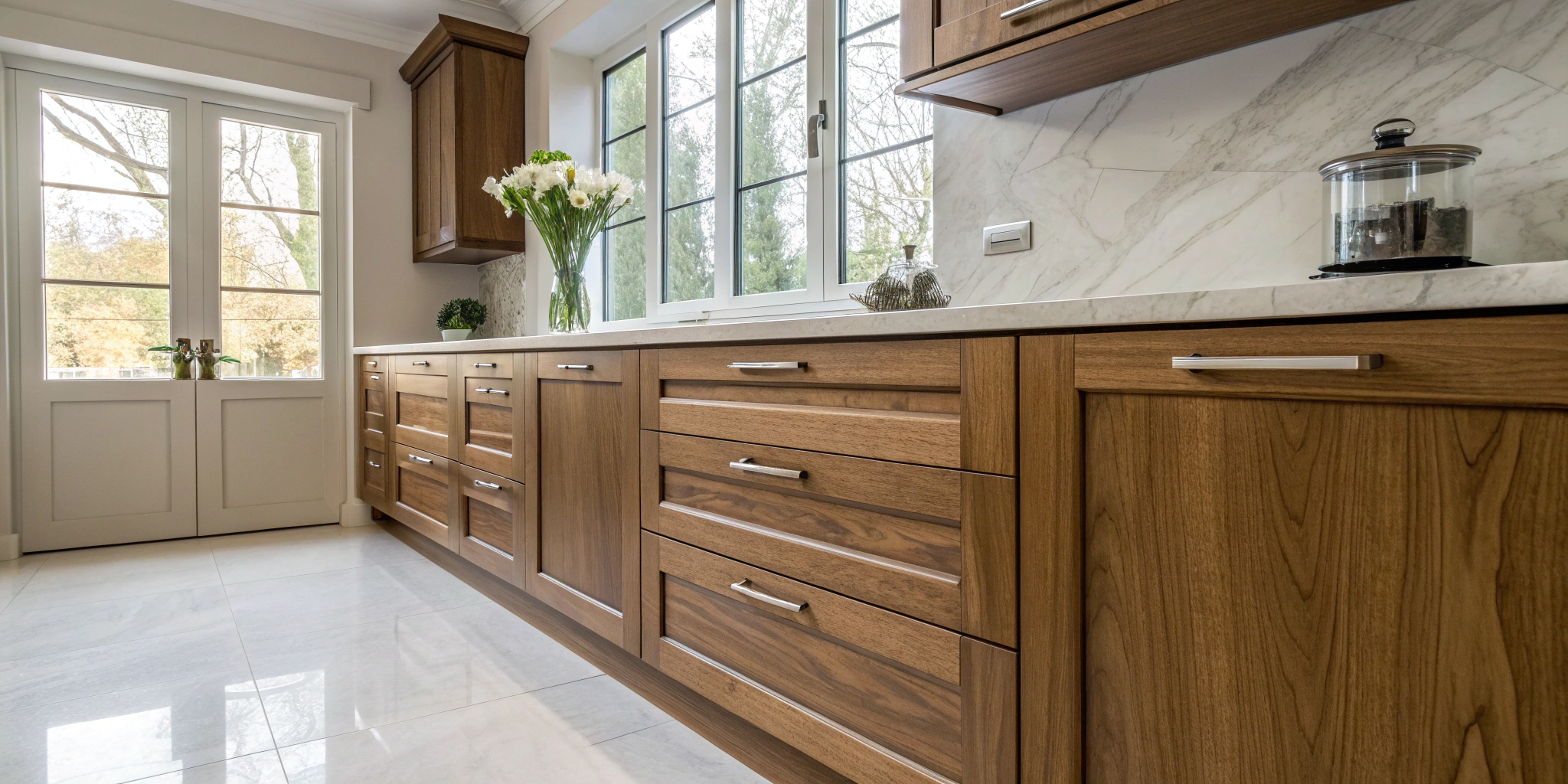
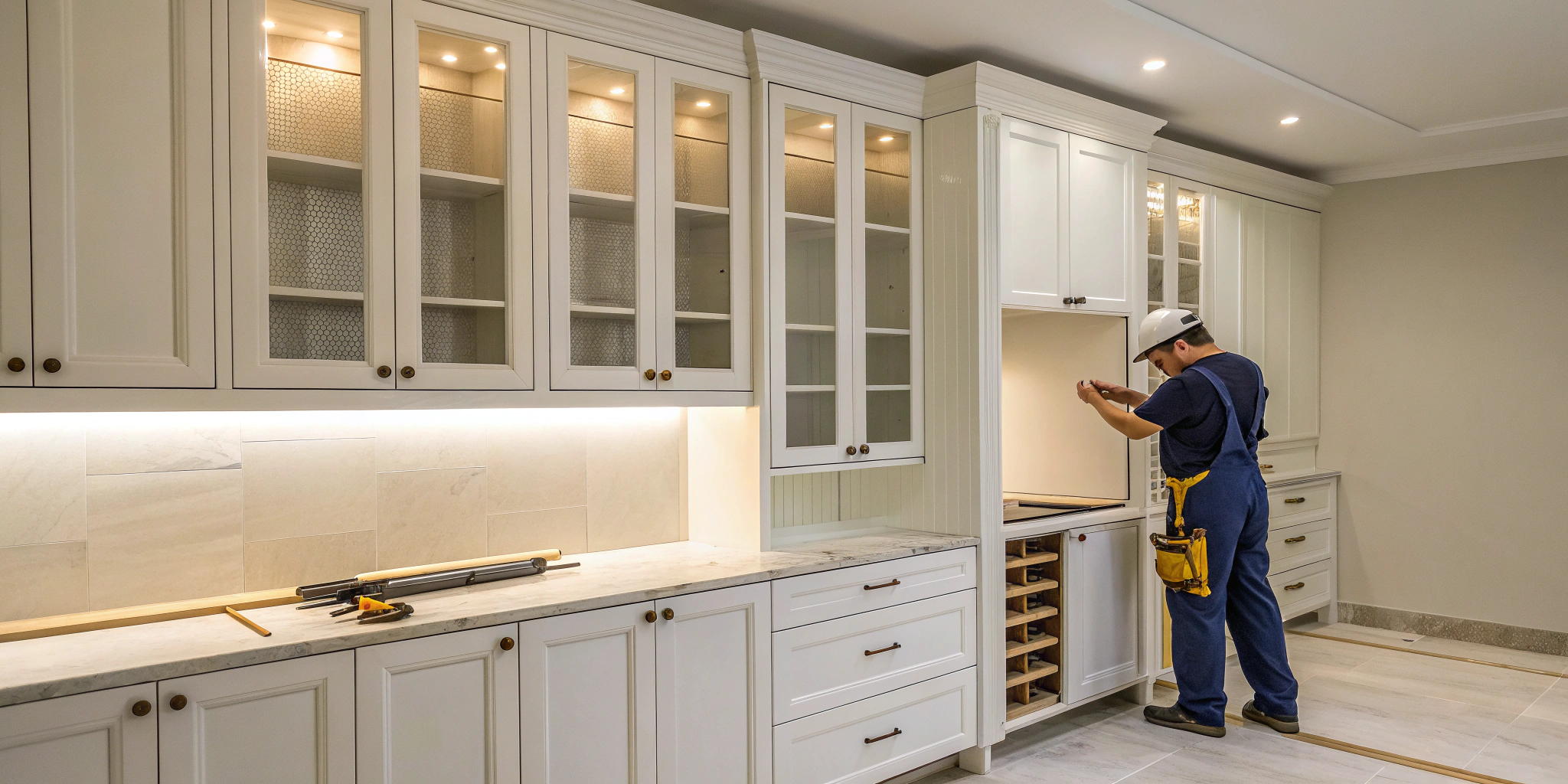
The single biggest factor influencing labor cost is the type of cabinets you select. Installing basic, stock cabinets from a big-box store is straightforward. But if you opt for semi-custom or fully custom cabinetry, the job becomes more complex. These often require more precise measurements, scribing to fit perfectly against uneven walls, and specialized techniques to ensure a flawless finish. Intricate details like crown molding, light valances, and glass-front doors also add significant time to the installation process. A professional installer will need to be meticulous, which is why a high-end kitchen remodeling project with custom cabinets carries a higher labor cost.
Your Kitchen’s Layout and Quirks
No two kitchens are exactly alike, and your room’s specific layout plays a big role in the installation price. A simple, straight run of cabinets along one wall is the easiest and least expensive to install. A U-shaped or L-shaped kitchen with multiple corner cabinets, however, requires more skill and time to get right. Older San Diego homes often come with their own quirks, like walls that aren’t perfectly plumb or floors that aren’t level. An experienced crew will need to account for these imperfections by shimming cabinets and scribing filler pieces for a seamless look. This extra work is essential for a professional result and will be factored into your quote.
Assembling Flat-Pack vs. Pre-Assembled Cabinets
Choosing flat-pack cabinets can seem like a great way to save money on materials, but don’t forget to account for assembly. This task alone can add 30% to 50% to your total installation cost. Assembling cabinets correctly is a time-consuming job that requires precision; if boxes aren’t perfectly square, doors and drawers won’t align properly. While pre-assembled cabinets cost more upfront, they save a tremendous amount of on-site labor. When you work with a design-build firm, this is all handled for you. We specify and order pre-assembled cabinets, ensuring they arrive ready for a smooth and efficient installation without any surprise assembly fees.
Moving Wires and Pipes
Are you planning to change your kitchen’s layout? If your new design involves moving the sink, dishwasher, or refrigerator, you’ll need to budget for plumbing and electrical work. Cabinet installers are not licensed to move water lines or electrical outlets. This work requires hiring separate, qualified tradespeople. Coordinating plumbers and electricians adds another layer of complexity and cost to your project. This is a major advantage of our end-to-end process, where we manage all the necessary tradespeople for you, ensuring everything is moved to the right place before the cabinets even arrive.
Tearing Out Your Old Cabinets
Before the new cabinets can go in, the old ones have to come out. Demolition and disposal are almost always billed as a separate line item from the installation itself. This process involves more than just brute force; it requires carefully disconnecting plumbing, removing countertops without damaging the walls, and detaching cabinets methodically. The cost to remove and dispose of old cabinets can range from a few hundred to over a thousand dollars, depending on the size of your kitchen and the complexity of the job. A detailed quote should always clarify whether demolition and haul-away services are included.
How Cabinet Quality Affects the Price Tag
When you’re budgeting for a kitchen remodel, it’s easy to think of cabinets as just boxes you buy and hang on the wall. But the quality of those boxes—from their construction to the materials used—has a huge impact on your project’s total cost. The price tag isn’t just for the product itself; it also reflects the skill and time required for a flawless installation. A heavier, more complex cabinet simply takes more work to install correctly than a lightweight, basic one.
Understanding the three main tiers of cabinetry—stock, semi-custom, and custom—is the first step to setting a realistic budget. Each level offers a different balance of price, personalization, and performance. Choosing the right one depends on your design goals, your home’s specific needs, and how you plan to use your kitchen every day. As you move up in quality, you gain more control over the final look and function, ensuring your new kitchen is a perfect fit for your life.
Installing Stock Cabinets
Stock cabinets are the most straightforward and affordable option. They are mass-produced in standard sizes and styles and are often available for quick delivery from big-box stores. Because they’re pre-made, they are a go-to for homeowners with tight budgets or timelines. However, that convenience comes with a trade-off: your design choices are limited. You’ll have fewer options for colors, door styles, and finishes. Since they only come in fixed dimensions, installers often have to use filler strips to close gaps between cabinets and walls, which can disrupt the clean, built-in look you’re hoping for.
Installing Semi-Custom Cabinets
Semi-custom cabinets offer a fantastic middle ground between the one-size-fits-all approach of stock and the bespoke nature of custom. They start with standard cabinet sizes but give you a much wider range of modification options. You can choose from more door styles, finishes, and materials, and even add functional upgrades like pull-out spice racks or soft-close drawers. This flexibility allows you to get a more personalized look that fits your kitchen’s layout better than stock, all without the higher price tag and longer lead times associated with fully custom work. For many homeowners, this is the sweet spot for value and design.
Installing Custom Cabinets
If you want a kitchen that is truly your own, custom cabinets are the ultimate choice. They are designed and built from scratch to your exact specifications, meaning they can be made to fit any space perfectly—no matter how quirky the corner or how high the ceiling. With custom, you have complete control over the material, style, finish, and hardware, allowing you to create a one-of-a-kind kitchen remodeling project. While they are the most significant investment, custom cabinets deliver superior craftsmanship and a seamless, integrated look that’s impossible to achieve with off-the-shelf options. The result is a beautiful and highly functional space built just for you.
Why Cabinet Materials Matter for Labor
The material your cabinets are made from does more than just define their look and durability—it also affects the installation process. Cabinets built from solid wood, for example, are significantly heavier than those made from MDF or particleboard with a laminate finish. Heavier cabinets require more manpower and care to lift, level, and secure to the walls, which can increase labor time. Similarly, cabinets with delicate veneers or high-gloss finishes demand more meticulous handling to avoid scratches and scuffs during installation. Being able to see and touch the materials in person can help you understand how your choice will impact the final look and the work involved.
What “Hidden” Costs Should You Budget For?
When you get a quote for cabinet installation, it’s easy to assume it covers everything from start to finish. But often, the number on the page only accounts for the labor of hanging the boxes. Several other tasks are essential for a complete and professional installation, and they can add up if you haven’t planned for them. A great contractor will outline these costs in their proposal, but it’s always smart to know what to look for. Here are a few common expenses that can feel “hidden” if they aren’t discussed upfront.
Cabinet Removal and Disposal
Before your beautiful new cabinets can go in, the old ones have to come out. This isn’t just a simple task; it requires careful work to avoid damaging your walls, plumbing, and electrical lines. Once they’re detached, they have to go somewhere. The cost to have a professional handle the removal and disposal typically runs between $350 and $800. For a large or complex kitchen, that figure can climb even higher. This is a crucial step that a full-service team manages for you, ensuring your old materials are disposed of properly and your space is ready for the next phase.
Prepping and Repairing Walls
Once the old cabinets are gone, the walls behind them are exposed—and they’re rarely in perfect shape. You’ll likely find holes from old screws, uneven paint, and maybe even some drywall damage that needs attention. Prepping these surfaces is non-negotiable for a clean installation. This can involve patching holes, sanding, and applying a fresh coat of primer. While the cost varies, it’s an essential step for ensuring your new cabinets sit flush against a smooth, stable surface. A thorough kitchen remodeling plan always includes time and budget for this necessary wall prep.
Installing Knobs, Pulls, and Trim
The cabinet boxes themselves are just the beginning. The finishing touches—like crown molding, light rail molding, toe kicks, and decorative hardware—are what give your kitchen a polished, high-end look. These details require precision and time to install correctly. Hardware like knobs and pulls can add anywhere from $20 to $200 per cabinet, and the labor to install them is often a separate line item. When you’re selecting materials in our San Diego showroom, we help you account for these finishing elements so they’re part of your plan from the start.
Permits and Inspections
Depending on the scope of your remodel, you might need a permit from the city. If your new cabinet layout requires moving electrical outlets, plumbing lines, or gas lines, a permit is almost always required to ensure the work is done to code. These permits can cost between $50 and $400 and involve scheduling inspections. While it might seem like a hassle, this step is critical for your safety and your home’s value. Working with an experienced design-build firm means we handle all the paperwork and coordination with local inspectors for you.
Making Sure Your Appliances Fit
One of the most common—and costly—oversights is failing to plan for your appliances. If you’re getting a new refrigerator, dishwasher, or range, their exact dimensions must be factored into the cabinet design. A miscalculation of even half an inch can create a major headache, potentially requiring expensive cabinet modifications on-site. This is a classic example of why an integrated design and build process is so valuable. We confirm every appliance specification before a single cabinet is ordered, preventing these costly installation mistakes and ensuring a perfect fit.
How to Compare Quotes from Installers
Getting multiple quotes for your cabinet installation is a smart move, but it’s only the first step. The real work is figuring out how to compare them fairly. A low bid can be tempting, but it often hides incomplete work, surprise fees, or subpar craftsmanship. To make a confident decision, you need to look beyond the final number and understand exactly what each contractor is promising to deliver. A thorough, well-defined quote is the hallmark of a professional, and it’s your best tool for protecting your investment and ensuring a smooth project.
Ask for a Detailed, Written Estimate
Comparing kitchen cabinet quotes seems simple until you’re actually doing it—and suddenly one quote is $6,800 and another is $12,900. Why the huge difference? It almost always comes down to the details. A single-line estimate for “cabinet installation” is a major red flag because it leaves too much open to interpretation.
Instead, insist on an itemized bid that breaks down the costs. A professional quote should clearly list line items for labor, specific materials, cabinet removal and disposal, hardware installation, and site cleanup. This level of detail not only shows you where your money is going but also reflects the contractor’s thoroughness. A transparent and detailed proposal is a core part of a predictable remodeling process.
Know What’s Included (and What’s Not)
Once you have a detailed estimate, your next job is to confirm what’s covered. A clear checklist prevents surprises and helps you understand the true value of each offer. Don’t assume anything is included. Get clarification in writing by asking specific questions.
For example:
- Does your quote include the removal and disposal of my old cabinets?
- Is wall preparation, like patching small holes, part of the price?
- Does the labor cost cover installing crown molding, light rail, and toe kicks?
- What about installing knobs and pulls on the doors and drawers?
- Is daily job site cleanup included in your service?
A comprehensive kitchen remodeling plan accounts for these tasks from the beginning, ensuring there are no loose ends or unexpected costs when the project is underway.
Check Their Credentials and Past Work
Choosing the right cabinet installer can make all the difference in your remodeling project. The most beautiful cabinets can be ruined by a poor installation, resulting in uneven doors, crooked lines, and a finish that just looks off. Before you sign a contract, do your homework to verify that the installer is qualified, insured, and has a history of happy clients.
Start by asking for their contractor’s license number and confirming it’s active and in good standing. They should also be able to provide proof of general liability insurance and workers’ compensation. Next, take a close look at their featured projects. Do the finished kitchens show attention to detail? Finally, read online reviews and ask for a few recent references you can call. A reputable installer will be proud to share their work and connect you with past customers.
Watch Out for Common Pricing Myths
It’s easy to get tripped up by misconceptions about installation costs. The biggest myth is that an unusually low bid is a great deal. More often than not, it’s a sign that the contractor is cutting corners—they might be uninsured, using inexperienced labor, or planning to add costs through change orders later.
Remember, the main factors affecting the cost to install cabinets are your kitchen’s size, the type of cabinets you choose, and local labor rates. Skill and experience also play a huge role. A seasoned craftsman who guarantees their work will naturally charge more than a handyman, but the peace of mind and quality finish are worth it. Always get every detail of the scope and cost in a signed contract. Working with a long-standing, trusted local company helps ensure the price you’re quoted is the price you’ll pay.
How to Save Money on Cabinet Installation
Everyone loves finding ways to save on a big project, and your kitchen remodel is no exception. While cabinet installation is a job best left to the pros, you can still make smart choices that keep your budget in check without compromising on the final result. It’s all about knowing where your involvement can make a real difference and how to partner with your contractor to prevent unnecessary costs. From a little prep work to asking the right questions, here are a few practical ways to manage your cabinet installation expenses.
Prep Your Kitchen Before the Crew Arrives
If you’re comfortable with some light demolition, you can save a bit on labor costs before the installers even arrive. The most common task homeowners take on is removing the old cabinets. This step alone can save you between $300 and $500 in labor fees. Before you start swinging a hammer, make sure you know how to disconnect any plumbing or electrical lines safely—or leave that part to a professional. Simply clearing out all your dishes, food, and countertop appliances and giving the space a good cleaning will also help the installation team get straight to work, making their time on-site more efficient.
Choose the Right Pricing Model for Your Project
Cabinet installers typically price their work in a few different ways: per cabinet, per linear foot, or by an hourly rate. While an hourly rate might seem fair for complex or unpredictable jobs, it can also make your final cost hard to pin down. For a full kitchen remodel, a fixed-bid price often provides the most peace of mind. This means you agree on a total cost for the entire installation upfront. This approach protects you from unexpected labor overages and helps you stick to your budget, which is a core part of our design-build process.
Get Clear Pricing with a Design-Build Firm
No matter the pricing model, you should always get a detailed, written quote before work begins. A trustworthy professional will provide an itemized estimate that clearly outlines what’s included—and what isn’t. This is a major advantage of working with a design-build firm. We manage your entire kitchen remodeling project from the initial design to the final installation, so your proposal covers everything. You get one clear, comprehensive price for design, materials, and labor, which eliminates the stress of juggling multiple vendors and wondering if you’ve missed a hidden cost. This transparency is key to a smooth and predictable project.
Avoid These Costly Installation Mistakes
A botched installation can lead to expensive repairs down the road. Simple errors like failing to inspect materials upon delivery or not protecting your new floors and countertops can add hundreds or even thousands to your bill. An experienced installer knows to check that all cabinets have arrived undamaged, confirm that walls are plumb and floors are level before starting, and take meticulous care to protect finished surfaces. These are the details that separate a professional job from a DIY disaster. Investing in a skilled team ensures your cabinets are installed correctly the first time, saving you money and headaches.
Related Articles
- Kitchen Remodeling 2 – King Remodeling
- 12 Smart Small Kitchen Remodel Ideas on a Budget
- Average Cost to Replace Kitchen Countertops: 2025 Guide
- Small Kitchen Remodel Cost in San Diego: A Guide
- How Much Does a Custom Kitchen Island Cost?
Frequently Asked Questions
Why is there such a wide price range for cabinet installation? The broad cost range you see reflects the huge difference between a simple project and a complex one. A lower-end quote typically assumes you’re using standard, pre-assembled stock cabinets installed along a single, straight wall. The price climbs as you add complexity. Things like custom or semi-custom cabinets, intricate crown molding, layouts with tricky corners, and homes with uneven walls all require significantly more time, skill, and precision from the installation team, which is reflected in the final cost.
Can I save money by buying my own cabinets and just hiring someone to install them? While it can seem like a good way to cut costs, this approach often creates more problems than it solves. When you source your own materials, you become the project manager responsible for ensuring every measurement is perfect, all the right pieces are delivered undamaged, and the installer’s schedule lines up with the delivery. If a cabinet arrives wrong or a filler piece is missing, the project can come to a halt, leading to costly delays. Using an integrated team that handles design, ordering, and installation ensures everything fits perfectly and the process is seamless.
Does a quote for installation typically include things like removing old cabinets and installing hardware? This is a critical question to ask because it varies from one contractor to another. A basic installation quote might only cover the labor to hang the new cabinet boxes on the wall. A truly comprehensive proposal, like the kind we provide, will include everything as separate line items: demolition of old cabinets, wall preparation, installation of the new cabinets, all trim and molding, hardware attachment, and daily site cleanup. Always get written confirmation of what is and isn’t included to avoid surprise charges.
How much of my total kitchen remodel budget should I set aside for cabinets and installation? As a general rule of thumb, you can expect cabinets and their installation to be the largest single investment in your kitchen remodel. They often account for 40% to 50% of the total project cost. This is because cabinets are the functional and aesthetic foundation of the entire room. They take up the most visual space and are the primary workhorse of your kitchen, so investing in quality materials and professional installation pays off in the long run.
What’s the single biggest mistake to avoid when comparing installation quotes? The most common mistake is choosing a quote based on the lowest price without scrutinizing the details. An unusually low bid is often a red flag that the contractor has left crucial items out of the scope, is uninsured, or is using inexperienced labor. Instead of focusing on the bottom-line number, compare the level of detail in each proposal. A professional’s quote will be thorough and transparent, clearly defining the work to be done and protecting you from unexpected costs later on.