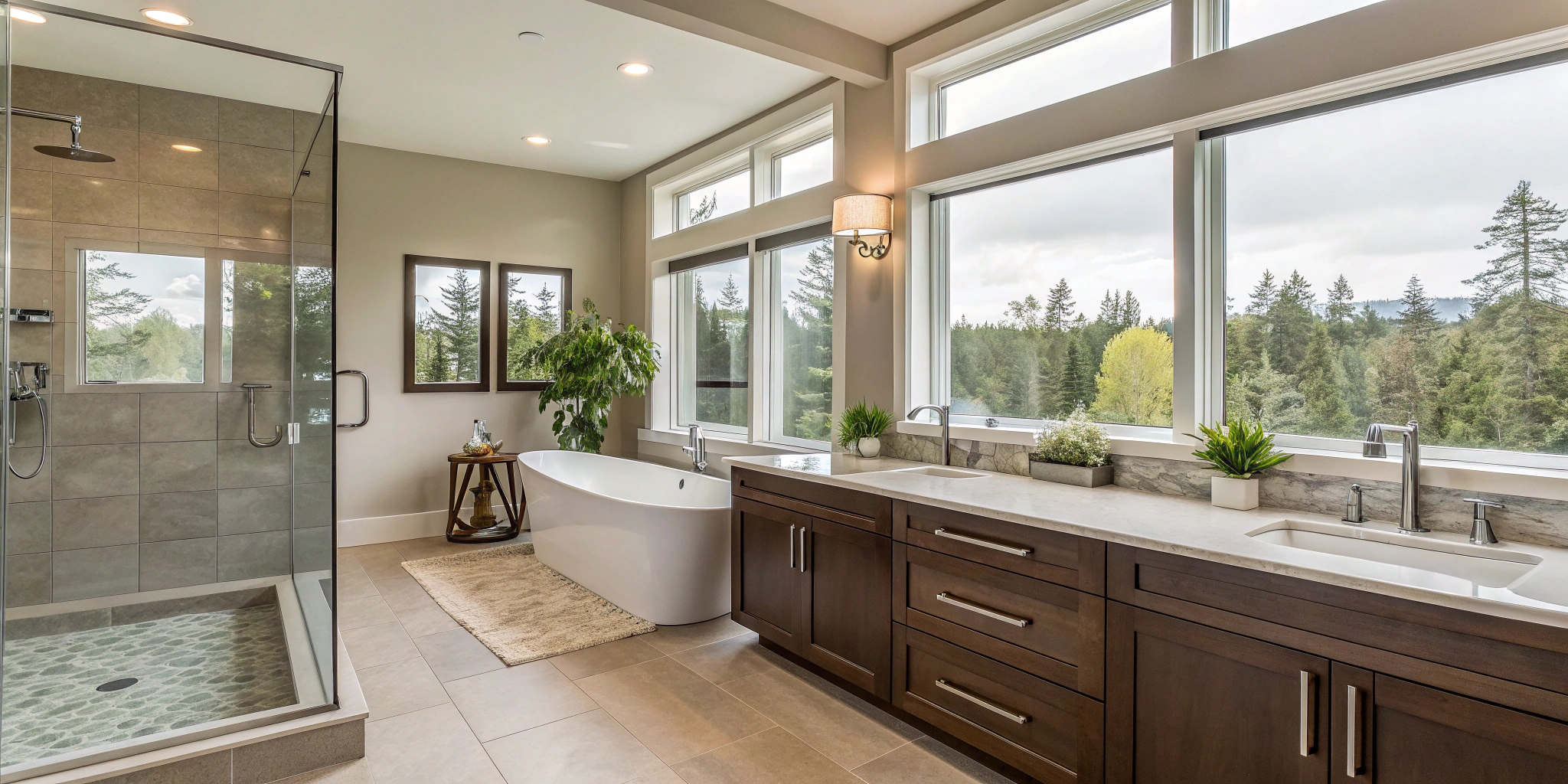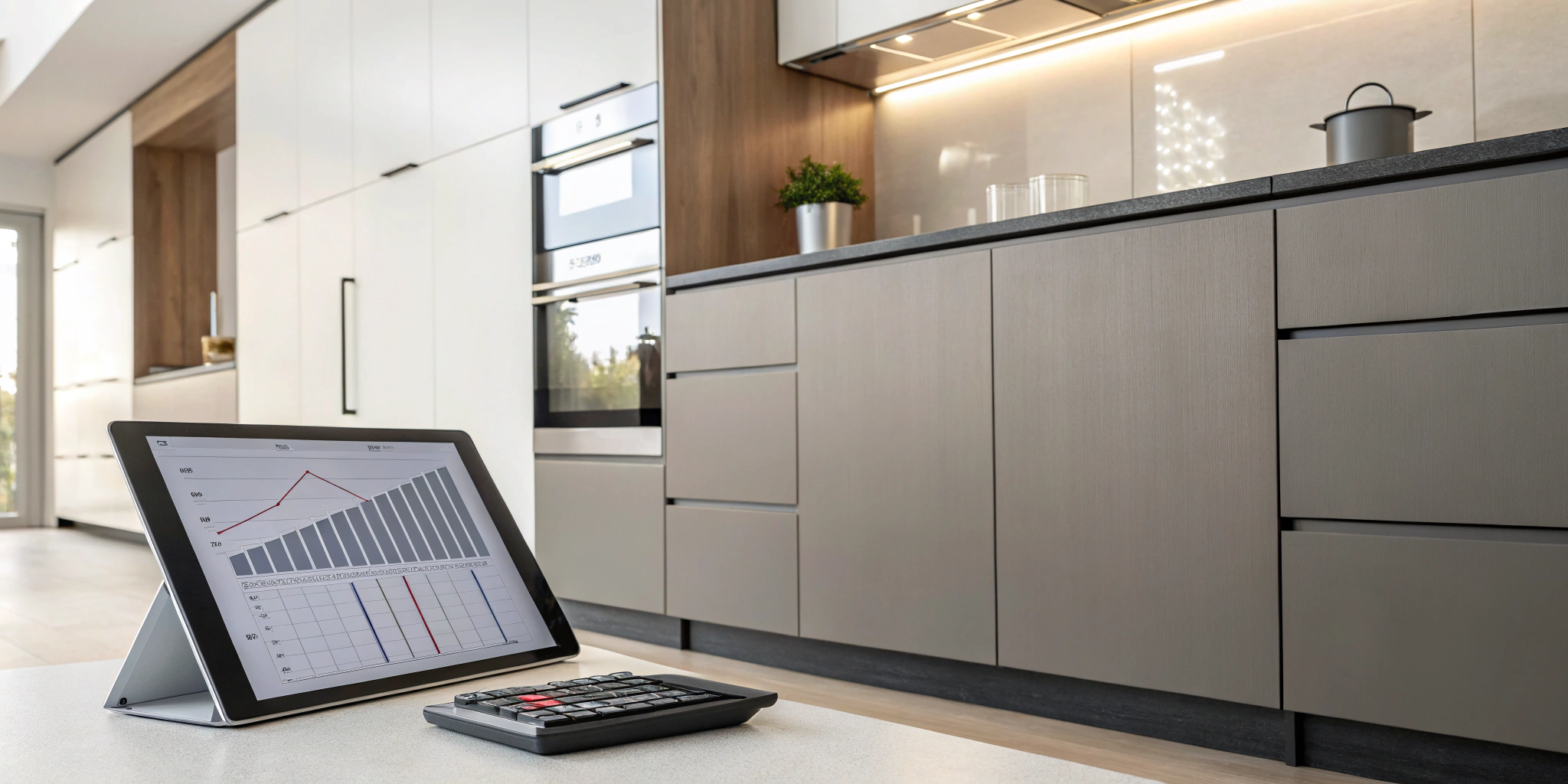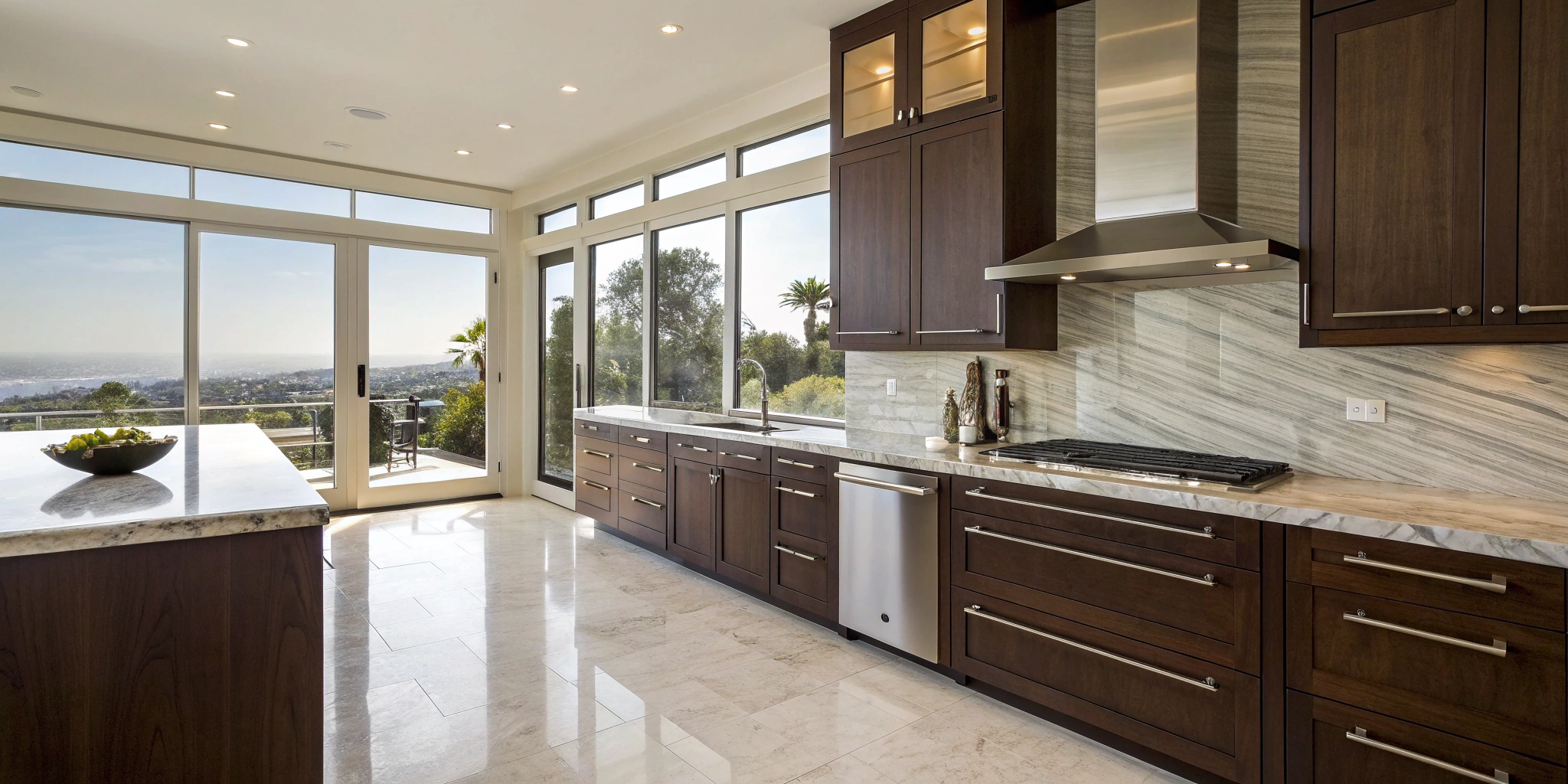
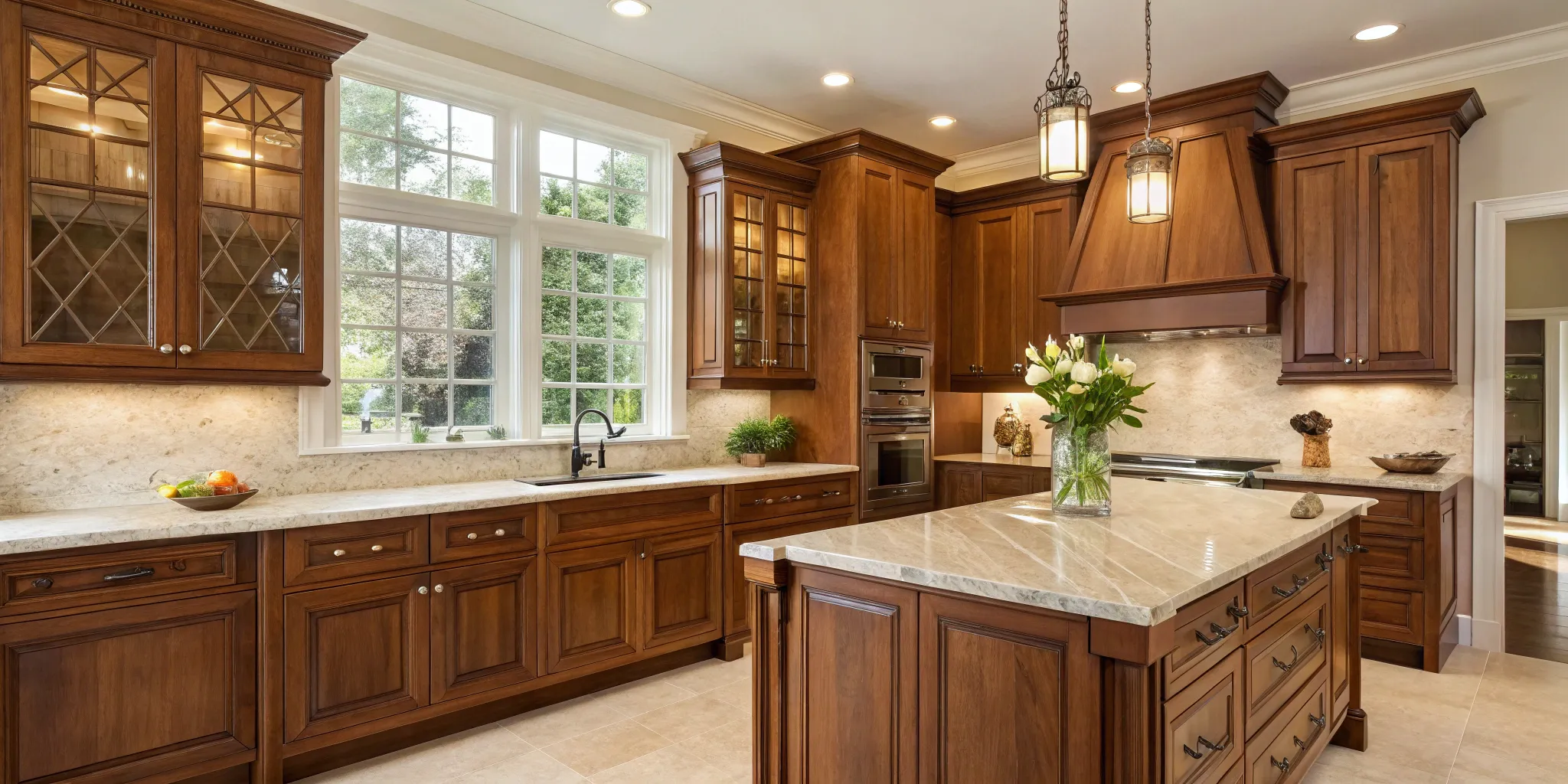
Few homes are perfectly square. Walls can be bowed, floors may be uneven, and corners are rarely a perfect 90 degrees. This is where off-the-shelf solutions often fall short, leaving awkward gaps and a less-than-perfect finish. True custom cabinet installation is a craft of precision, where an expert installer scribes and fits each piece to the unique character of your space. This skill turns your home’s architectural quirks into seamless, integrated features. It’s a detailed process that honors the reality of your home, ensuring your new cabinets look like they were always meant to be there.
Key Takeaways
- Understand What You’re Paying For: The cost of custom cabinets reflects superior materials, expert craftsmanship, and a design tailored specifically to your home, ensuring a functional and beautiful result that stock options can’t replicate.
- Vet Your Installer as Carefully as Your Materials: The final quality of your project depends entirely on the installer’s skill. Prioritize hiring a licensed, insured professional with a proven track record of solving common issues like uneven walls and floors.
- Choose a Partner Who Manages Everything: Working with a single design-build team eliminates the risk of miscommunication between designers, suppliers, and installers, ensuring a smoother timeline and a single point of accountability for your entire project.
What Exactly Is Custom Cabinet Installation?
When you hear “custom cabinet installation,” you might picture someone simply hanging new cabinets on the wall. But it’s so much more than that. Custom cabinet installation is the final, crucial step in bringing a personalized kitchen or bathroom design to life. Unlike off-the-shelf options, custom cabinets are built from scratch, specifically for your home. They are tailored to fit your design preferences, storage needs, and unique style.
The installation process itself is a craft that requires precision and expertise. It involves meticulously measuring your space, accounting for every quirk in your walls and floors, and then perfectly fitting each handcrafted piece. A professional installer ensures that every door hangs straight, every drawer glides smoothly, and every cabinet is perfectly level and secure. It’s the difference between a kitchen that looks good and one that feels completely integrated, functional, and built to last for decades. This attention to detail is what transforms a standard room into a truly custom space.
Custom vs. Stock: Why Choose Custom?
Let’s be direct: stock cabinets from a big-box store are often less expensive upfront. But when you compare them to custom options, you’re talking about two completely different products. While stock cabinets are mass-produced in standard sizes, custom cabinets offer unparalleled value in quality and personalization. They provide a perfect blend of form and function, designed around your specific lifestyle—not the other way around. Think of that awkward corner you’re not sure what to do with, or your desire for a pull-out spice rack right next to the stove. Custom makes it possible.
Choosing custom means you get to select the exact wood, finish, hardware, and interior features you want. This level of control ensures your new kitchen or bathroom cabinets not only fit your space perfectly but also reflect your personal taste. You can see how this plays out in our featured projects, where every cabinet solution is unique to the homeowner. It’s an investment in quality craftsmanship that pays off in daily enjoyment and long-term home value.
A Quick Look at the Installation Process
The installation process for custom cabinets is where design meets reality. It’s a meticulous job that a skilled team makes look easy. The first step is preparing the space, ensuring the walls and floors are ready. Even in a perfectly built home, walls are rarely perfectly straight and floors are seldom completely level. A professional installer knows how to scribe cabinets to fit snugly against uneven surfaces, creating a seamless, built-in look.
Once the area is prepped, the team begins carefully setting the cabinet boxes. Getting everything aligned and level is key for a flawless result, as this foundation affects how the doors, drawers, and countertops will fit. Common challenges like measurement discrepancies or minor transit scuffs are handled on the spot by an experienced crew. Our process is designed to manage these details smoothly, so all you see is the beautiful final product taking shape in your home.
Breaking Down the Cost of Your Custom Cabinets
When you’re planning a remodel, the budget is always top of mind. Custom cabinets are an investment, but they’re also one of the most impactful elements in your kitchen or bathroom, defining the room’s style and functionality for years to come. Understanding where your money goes is the first step to making confident decisions. The final price tag isn’t just one number; it’s a combination of the materials you choose, the skilled labor required for a perfect fit, and the special design features that make the space uniquely yours.
Think of it less as a simple purchase and more as commissioning a piece of bespoke furniture for your home. The cost reflects the craftsmanship, the quality of the raw materials, and the precision needed to create something that fits your space flawlessly. While the total investment for a full kitchen remodel can range from $6,300 to over $40,000, custom cabinets typically account for a significant portion of that. Let’s break down the three key factors that shape your final quote so you know exactly what to expect.
How Materials Impact Your Budget
The material you choose is the foundation of your cabinet’s look, feel, and cost. Custom cabinets typically run between $600 to $1,200 per linear foot, and the specific wood, finish, and hardware you select are major drivers of that price. A classic hardwood like oak or maple will have a different price point than a more exotic or specialty wood. This investment ensures you get durable, high-quality materials that are built to last. Seeing these options in person is the best way to understand the difference, which is why visiting our showroom can help you connect the price to the actual quality you’ll be getting in your home.
Understanding Labor and Complexity Costs
Beyond materials, you’re investing in the expertise of the craftspeople who build and install your cabinets. Professional installation labor can range from $40 to $80 per hour, and for good reason. Custom work isn’t about simply hanging boxes on a wall. It requires meticulous skill to ensure every cabinet is perfectly level, plumb, and scribed to fit snugly against uneven walls—a common surprise in many homes. This precision is what creates those seamless, high-end results. With an integrated team, these labor costs are part of a clear, upfront plan, so you don’t have to worry about coordinating separate contractors or dealing with surprise fees.
Design Details That Add to the Price Tag
The final piece of the cost puzzle comes down to the details that elevate your cabinets from standard to stunning. Features like soft-close hinges, intricate crown molding, pull-out pantry shelves, and integrated under-cabinet lighting all contribute to the final price. While these elements add to the budget, they also add immense value to your daily routine. Our design-build process helps you prioritize which features will make the biggest impact on your lifestyle, ensuring you invest in the details that truly matter to you. It’s all about finding that perfect balance between your dream design and your budget.
How to Choose the Right Cabinet Installer
Even the most beautiful, high-end cabinets can look cheap if they’re installed poorly. The person or team you hire to install your cabinets is just as important as the cabinets themselves. A great installer ensures everything is level, plumb, and secure, with seamless joints and perfectly aligned doors. They anticipate challenges with your home’s unique quirks—like slightly uneven floors or walls—and know how to solve them. Choosing the right partner for your kitchen remodeling project means finding a team that combines technical skill with a commitment to craftsmanship. This is where vetting your options becomes critical to getting the result you’ve envisioned.
Must-Have Qualifications and Credentials
When you start your search, look for an installer with a solid, verifiable track record. Don’t just take their word for it—do a little digging. A reputable installer will have a portfolio of completed work you can review, showcasing their style and quality. Check for a strong presence in the San Diego area and look for consistent, positive customer reviews on trusted sites. A history of successful projects and happy clients is one of the best indicators you’ve found a professional. At King Remodeling, we pride ourselves on our extensive portfolio of featured projects that demonstrates our commitment to quality and attention to detail for homeowners across the county.
Smart Questions to Ask Every Contractor
Before you commit, have a direct conversation with any potential installer. This is your chance to gauge their professionalism, experience, and communication style. Come prepared with a list of questions to ensure you’re making an informed choice.
Start with these:
- Can you walk me through your installation process from start to finish?
- Are you licensed and insured in California?
- How do you protect my home (floors, walls, etc.) during installation?
- Who will be my main point of contact?
- Can you provide documentation on the materials and finishes you use?
A trustworthy contractor will answer confidently and provide clear, detailed information. Their answers should align with a professional and transparent remodeling process that puts you at ease.
Red Flags to Watch Out For
Just as important as knowing what to look for is knowing what to avoid. Keep an eye out for red flags that could signal future headaches. Be cautious if a contractor is vague about timelines, provides a quote that’s drastically lower than others, or pressures you to make a quick decision. During the consultation, pay attention to how they assess your space. Do they take precise measurements? Do they notice that your floor isn’t perfectly level? A lack of attention to detail at this stage can lead to common installation issues later, like misaligned doors or drawers that don’t close properly. Trust your gut—if something feels off, it probably is.
Choosing Your Cabinet Style and Materials
Once you’ve found the right installer, you get to the really fun part: deciding what your new cabinets will actually look like. This is where your vision for a new kitchen or bathroom starts to take shape. The style and materials you choose will define the room’s character, functionality, and durability for years to come. From the classic warmth of solid wood to the sleek appeal of modern metals, your options are wide open. The key is to find a combination that not only matches your home’s aesthetic but also stands up to your daily life.
Finding a Style That Fits Your Home
The first step is to land on a style that feels like you and complements your home’s architecture. Are you drawn to the clean, timeless lines of Shaker cabinets? Or maybe the minimalist, unadorned look of flat-panel doors for a more modern feel? Custom cabinetry gives you the freedom to get this just right, creating a look tailored to your specific taste. A great way to gather inspiration is to look through portfolios of completed kitchen and bathroom remodels to see how different styles look in real San Diego homes. Think about the overall vibe you want to create—calm and serene, bright and airy, or warm and cozy—and choose a cabinet style that helps you get there.
A Guide to Woods, Finishes, and Durability
The material you choose for your cabinets is a major decision that impacts both your budget and the longevity of your investment. Solid wood is a classic choice, loved for its strength, durability, and natural beauty. It’s highly resistant to damage but is also the most expensive option. For a great balance of cost and durability, plywood is an excellent choice. It’s made from layers of wood veneer, making it strong and less susceptible to warping. If you’re planning on painted cabinets, Medium-Density Fiberboard (MDF) is a popular, budget-conscious pick. Its smooth surface is ideal for a flawless paint finish, though it’s less water-resistant than wood. Each material offers distinct advantages for your kitchen remodeling project.
Exploring Alternative Materials
Wood isn’t your only option. Alternative materials can create a unique look and offer different functional benefits. For a sleek, contemporary aesthetic, stainless steel cabinets are a fantastic choice. They are incredibly durable, resistant to water damage and stains, and easy to keep clean. On the other end of the spectrum, laminate and thermofoil cabinets are cost-effective and incredibly versatile. They are made by bonding a layer of laminate or vinyl to a substrate like MDF, which allows for a massive range of colors and patterns. The best way to decide is to see and feel these options in person. Visiting a design showroom lets you compare materials side-by-side and get expert advice on what will work best for your space and lifestyle.
Your Custom Cabinet Installation Timeline: What to Expect
Seeing your vision for a new kitchen or bathroom come to life is incredibly exciting, but it doesn’t happen overnight. A custom cabinet project follows a clear, structured timeline from the first sketch to the final knob. While the exact duration depends on the complexity of your design and material lead times, the journey is much smoother when you know what’s coming next.
Working with a design-build firm simplifies this timeline significantly. Instead of you juggling a designer, a cabinet maker, and an installer, one cohesive team manages the entire flow. This integrated approach, which we call our process, minimizes delays, prevents miscommunication, and ensures every detail from the design phase translates perfectly to the final installation. Let’s walk through the three main stages so you can feel confident and prepared for your home’s transformation.
Step 1: Design and Planning
This is where your dream takes shape. The design and planning phase is a collaborative effort between you and your designer to create a blueprint for your new space. You’ll discuss everything from the overall layout to the specific function of each cabinet. Will you need deep drawers for pots and pans, a pull-out pantry, or specialized storage for your laundry room? This is the time to decide. We’ll take precise measurements and create 3D renderings so you can visualize exactly how your new kitchen remodeling project will look and feel. Finalizing every detail now—from wood species to hardware—ensures a seamless transition to the next stage.
Step 2: Cabinet Crafting and Delivery
Once you’ve signed off on the designs, your custom cabinets go into production. Unlike stock cabinets pulled from a warehouse, yours are built to order to your exact specifications. The crafting time can vary depending on the materials and complexity of your design. During this period, your remodeling team will be preparing the site for installation. When your cabinets are ready, they are carefully packaged and delivered to your home. A professional team coordinates this step to ensure everything arrives safely and is stored properly, ready for the big day.
Step 3: The Big Day—Installation
This is when the magic happens. The installation team gets to work bringing the design to life. The process starts with preparing the walls and floors to ensure a perfectly level foundation. This is where expertise truly matters, as installers often have to solve for challenges like uneven walls or floors to get a flawless fit. Each cabinet box is meticulously aligned, leveled, and secured before the doors, drawers, and hardware are installed. It’s a job that requires precision and an eye for detail, but the result is a beautiful, functional space built to last. Once everything is perfect, you’re ready to start enjoying your new room.
Common Installation Challenges (and How to Avoid Them)
Even with a perfect plan, a remodel can reveal a few surprises. Older San Diego homes, in particular, often have their own unique character and quirks. The difference between a stressful project and a smooth one isn’t avoiding challenges altogether—it’s having an experienced team that can anticipate and solve them without missing a beat. A true professional has seen it all and knows how to handle the unexpected with skill and efficiency.
Most installation hiccups fall into three categories: measurements that don’t quite line up, materials that don’t perform as they should, and structural surprises hidden behind the walls. While these can be major roadblocks for a DIY project or a less-seasoned contractor, a design-build firm has the integrated expertise to manage them seamlessly. When your designer, project manager, and installer are all part of one team, communication is constant. There’s no blame game between separate vendors; there’s just a single, accountable team focused on finding the right solution. This approach is how we prevent minor issues from turning into major delays, keeping your remodel on track and delivering the quality you expect.
Solving Measurement and Fitting Issues
You’ve probably heard the saying, “measure twice, cut once.” In remodeling, it’s more like measure five times, account for uneven floors and walls, and then plan every cut with precision. One of the most common installation issues arises when custom cabinets meet a house that isn’t perfectly square—which, by the way, is most houses. Uneven floors, bowed walls, and subtle measurement discrepancies can turn a straightforward installation into a puzzle. Getting cabinet boxes perfectly aligned and level is essential for a beautiful result and for ensuring doors and drawers function properly for years to come. The key is having a team that follows a meticulous design and planning process from the very beginning, creating a flawless fit no matter what your home throws at them.
Avoiding Common Material Mistakes
The quality of your cabinets goes beyond the wood they’re made from. It’s also in the hardware, the finish, and the construction. A frequent problem we see in kitchens and bathrooms is failing hardware—drawers that come off their tracks, hinges that break, or pulls that loosen over time. This almost always comes down to choosing subpar materials to save a few dollars upfront. A durable, lasting installation starts with selecting high-quality products. That’s why we guide our clients through material selection in our private showroom, where you can see and feel the difference premium hardware and finishes make. By choosing proven materials from trusted suppliers, you avoid the frustration of premature wear and tear.
Dealing with Unexpected Structural Surprises
Sometimes, the biggest challenges are the ones you can’t see until demolition begins. Behind your old drywall, there could be outdated plumbing, unconventional electrical wiring, or framing that isn’t up to modern standards. For an unprepared installer, these discoveries can bring a project to a grinding halt. An experienced design-build team, however, plans for these possibilities. When we undertake a full kitchen remodel, we have the in-house expertise and trade relationships to address whatever we find. Whether it’s rerouting a pipe or updating a circuit, we can manage the solution efficiently, ensuring the work is done right without derailing your timeline. This ability to pivot and solve problems is a core benefit of working with a single, accountable team.
How to Prep Your Home for Installation Day
The big day is almost here! Your custom cabinets are ready, and soon they’ll be the centerpiece of your new kitchen or bathroom. A smooth installation starts with a little preparation on your end. Taking a few simple steps before the crew arrives helps them work safely and efficiently, keeping your project on track. It also protects your belongings and minimizes disruption to the rest of your home. Think of it as rolling out the welcome mat for your new cabinetry—a clear space and a simple plan make all the difference.
Clearing and Preparing the Space
First things first, you’ll want to create a blank slate for the installation team. Start by completely emptying your old cabinets and clearing off all countertops. It’s a good idea to pack these items in labeled boxes and move them to another room where they’ll be out of the way. Next, remove any furniture, rugs, or wall hangings from the room and the surrounding area. This creates a wide, clear path for our team to carry in large cabinet boxes and equipment without risking damage to your things. A clutter-free zone allows our installers to confirm measurements and get straight to work on your kitchen remodeling project.
Keeping Your Home Clean and Safe
Remodeling can get a little dusty, but we take every precaution to protect your home. Our team sets up plastic dust barriers and covers your floors to contain the mess. You can help by closing the doors to adjacent rooms to keep dust from traveling. For everyone’s safety, please make sure children and pets are kept securely away from the work area. With tools, materials, and a busy crew, the installation zone is no place for little ones or furry friends. Following our process for jobsite protection ensures the project runs smoothly and your home stays as clean and safe as possible throughout the installation.
Working with Your Remodeling Team
Clear communication is key to a stress-free installation day. Before we arrive, please let your project manager know the best place for our crew to park and unload. It’s also helpful to be available for the first hour or so to answer any initial questions the team might have. Before we begin, our lead installer will walk through the space to confirm the plan and check for any potential issues. This is the perfect time to ask any last-minute questions you might have. Once we get started, you can relax knowing your project is in expert hands. We’re always here to help, so please don’t hesitate to contact us with any concerns.
Finding a Cabinet Installer You Can Trust
Your custom cabinets are a major investment, and the quality of the installation is just as important as the cabinets themselves. A flawless fit, perfectly aligned doors, and level surfaces all depend on the skill of the person doing the work. The search for a qualified installer can feel like a job in itself, involving vetting multiple people, checking references, and managing schedules. This is one of the biggest advantages of working with a design-build firm. Instead of you having to find and manage a separate installer, the entire process is handled by one cohesive team.
When you partner with a firm that manages everything from design to installation, you’re not just getting cabinets; you’re getting a team of vetted, experienced craftspeople who work together seamlessly. Our installers are an integral part of our team, familiar with our products and committed to our standards of quality. This integrated approach eliminates the communication gaps and coordination headaches that can happen when you’re juggling different vendors. It ensures everyone is on the same page, working toward the same goal: a beautiful, functional kitchen or bathroom that you’ll love for years to come.
Where to Find Verified Online Reviews
Before you hire anyone, it’s smart to see what past clients have to say. Online reviews are a great starting point for gauging a company’s reputation. Look for reviews on sites like Google, Yelp, and Houzz. Don’t just glance at the star rating; read the actual comments. Are clients happy with the communication, cleanliness, and final result? Look for detailed descriptions of the experience and photos of the finished work. A strong portfolio of featured projects combined with glowing reviews is a clear sign that a company consistently delivers quality results and a positive customer experience.
Getting Local Recommendations
There’s a lot of value in a good old-fashioned word-of-mouth referral. Ask friends, family, or neighbors in your San Diego community who they’ve used for remodeling work. People are usually happy to share their experiences—both good and bad. You can also ask for recommendations in local online groups. A company with deep roots in the community and a long list of happy local clients is often a safe bet. It shows they have a reputation to uphold and are committed to serving their neighbors well, which is a core part of our philosophy.
How to Check Credentials and Insurance
This step is non-negotiable. Any professional you allow to work in your home must have the proper credentials. First, verify they have a valid contractor’s license from the California Contractors State License Board (CSLB). Next, ask for proof of both general liability insurance and workers’ compensation insurance. Liability insurance protects your property from damage, while workers’ comp covers the crew in case of injury. A reputable company will provide these documents without hesitation. This is another area where an all-in-one firm provides peace of mind, as they ensure every person who steps onto your property is properly licensed and insured.
Keeping Your New Cabinets Looking Great
You’ve invested in beautiful custom cabinets that perfectly fit your space and style; now, let’s make sure they stay that way. Protecting this investment is easier than you might think and doesn’t require a lot of heavy lifting—just a few consistent habits. The high-quality materials and professional finish on your new cabinets give you a huge head start, making them durable and resilient from day one. With the right care, they’ll look just as stunning years from now as they did on installation day.
Think of it as simple upkeep that protects your investment and keeps your kitchen or bathroom feeling fresh and new. These straightforward tips will help you maintain that day-one glow without adding a major chore to your list. A little attention goes a long way in preserving the beauty and function of your cabinetry for the long haul. We want you to love your new space for years to come, and a simple care routine is the best way to ensure that happens. It’s about creating small habits that prevent bigger issues down the road, so you can focus on enjoying your beautifully remodeled room instead of worrying about wear and tear.
Simple Daily Care Tips
Spills are inevitable, especially in a busy kitchen. The key is to act fast. Wipe up any splatters from cooking or splashes from the sink immediately with a soft, damp cloth. This prevents moisture from seeping into the wood or finish, which can cause stains or long-term damage. For daily upkeep, a quick dusting with a microfiber cloth is all you need. It gently removes dust and debris without scratching the surface, keeping your cabinets looking clean and preserving their sheen. Avoid using harsh chemical cleaners or abrasive sponges, as they can strip the finish over time.
Long-Term Care for Lasting Beauty
For a deeper clean every few months, use a mild soap and water solution, but always remember to dry the surface completely with a separate, lint-free cloth. This simple step prevents water spots and protects the finish. It’s also important to remember that different materials require different care. The gentle cleaner that works for painted cabinets might not be right for a natural wood finish. When you work with our design team on your kitchen remodeling project, we’ll guide you on the best practices for the specific materials you choose, ensuring you have everything you need for lasting beauty.
Related Articles
- Custom Kitchen Cabinets San Diego: A Complete Guide
- Kitchen Remodeling 2 – King Remodeling
- Bathroom Vanity Installation: The Complete DIY Guide
Frequently Asked Questions
How long does a custom cabinet project usually take from start to finish? While every project is unique, a good rule of thumb is to plan for several weeks from the initial design consultation to the final installation. The timeline depends on a few key things: how quickly you finalize your design and material choices, the production time for your specific cabinets, and the complexity of the installation itself. Working with an integrated team helps keep this process moving smoothly because the design, ordering, and installation are all coordinated under one roof.
Is it cheaper to hire my own installer instead of using a design-build firm? While it might seem like you could save money by managing different vendors yourself, it often introduces hidden costs and headaches. When you hire a separate installer, you become the project manager responsible for coordinating schedules, solving measurement discrepancies, and handling any issues that arise. A design-build firm provides a single point of accountability. Our designers and installers work together from the start, ensuring the plan is executed perfectly without communication gaps or surprise problems that can lead to costly delays.
What happens if you find an issue like old plumbing or uneven walls during installation? This is a common concern, especially in older homes, and it’s exactly where an experienced team makes a difference. Our crews are prepared to handle the unexpected. Because we manage the entire remodel, we have the in-house expertise and trade relationships to address structural surprises efficiently. If we discover outdated wiring or a crooked wall, we don’t have to halt the project to find another contractor; we simply solve the problem and keep things moving forward.
Do I really need to see materials in a showroom before deciding? I can’t recommend this enough. Photos online can be deceiving, and the way a finish looks and feels in person is completely different. Visiting a showroom allows you to touch the materials, compare different wood grains side-by-side, and see how finishes look under real lighting. It helps you make confident decisions about quality and style, ensuring the final result is exactly what you envisioned without any regrets.
Besides the materials, what are the biggest factors that affect the final cost? After the materials themselves, the two biggest cost drivers are labor complexity and design details. An intricate layout with lots of custom angles requires more installation time and skill than a simple, straight run of cabinets. Likewise, features like pull-out pantry systems, soft-close hardware, crown molding, and under-cabinet lighting add to the price but also significantly improve the function and feel of your space. We help you balance these details to fit your budget and lifestyle.