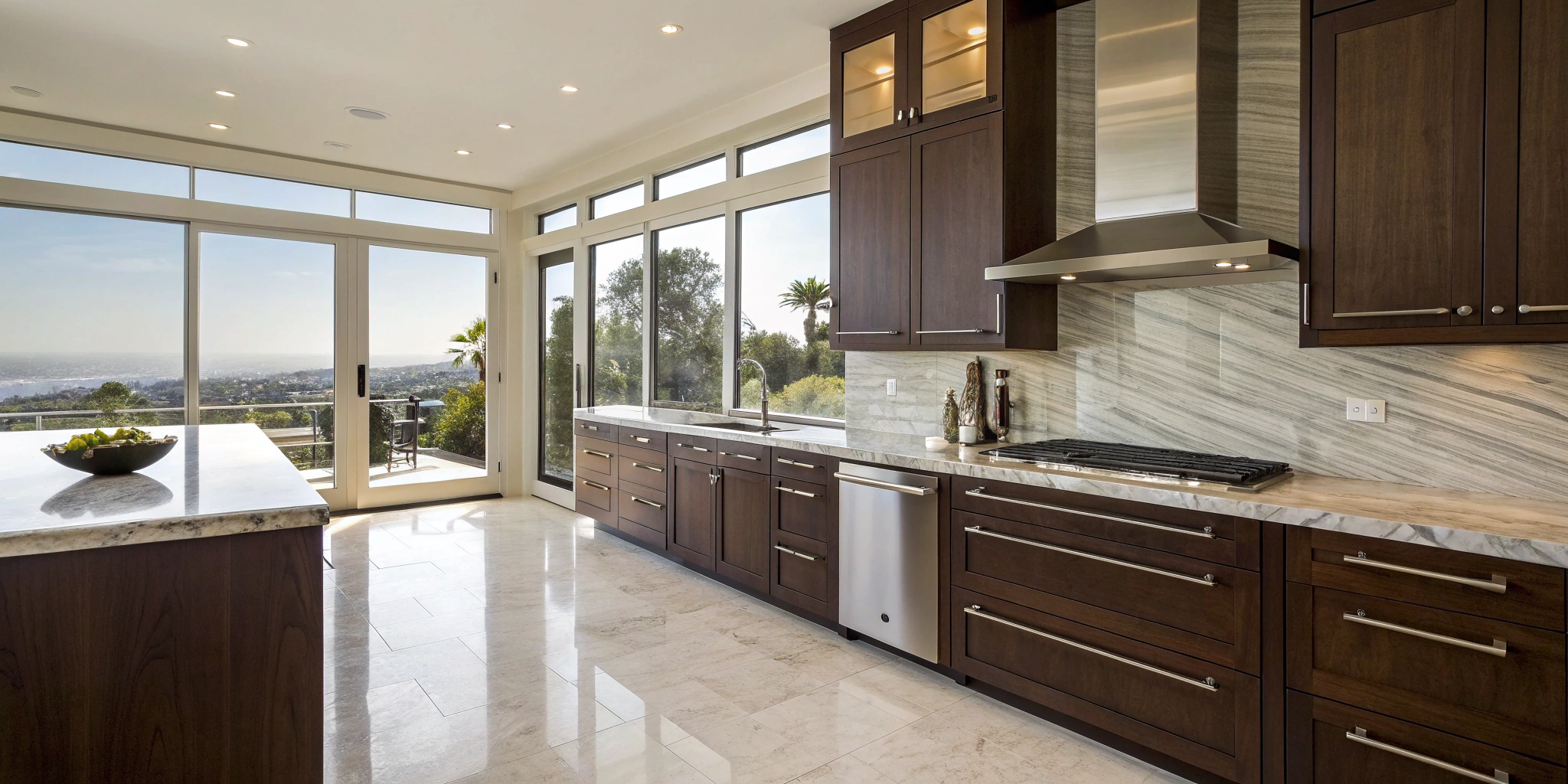
One of the biggest anxieties for any homeowner starting a remodel is the fear of a runaway budget. Hidden fees and unexpected charges can turn an exciting project into a stressful one. This is especially true for a major investment like cabinetry. Getting a clear, upfront understanding of the custom cabinet installation cost San Diego is the best way to feel confident and in control from day one. This article is your roadmap to financial clarity. We’ll pull back the curtain on how professionals price their work, what’s included in a comprehensive quote, and how to avoid common budgeting mistakes.
Key Takeaways
- Understand What Shapes the Price: Your final cost is directly tied to your choices. Premium materials like solid hardwood and complex features like pull-out organizers will increase the price per linear foot, while options like painted MDF and simpler layouts help manage the budget.
- Look Beyond the Sticker Price: A complete budget includes more than just the cabinets. Factor in costs for removing old cabinetry, potential permits, and always set aside a 15-20% contingency fund to handle any surprises without stress.
- Insist on a Detailed Plan: A quality installation is non-negotiable for a polished result. Partner with a contractor who provides a fully itemized quote and a clear timeline, as this transparency is the best way to ensure your project stays on track and on budget.
How Much Do Custom Cabinets Cost in San Diego?
Let’s get right to the big question: What’s the investment for custom cabinets in San Diego? While there’s no single price tag, understanding the typical cost ranges can help you set a realistic budget for your project. The final price depends on your material choices, the complexity of your design, and the total size of your kitchen.
Think of cabinet pricing in two main ways: the overall installation cost and the price per linear foot. Both give you a different angle on how your budget will take shape. A full kitchen remodel is a significant undertaking, and cabinets are one of the most impactful components, so it’s smart to know the numbers before you start.
A Look at Average Installation Costs
When you look at general cabinet installation in San Diego, the costs can vary quite a bit. Averages often include everything from basic, off-the-shelf stock cabinets to semi-custom options. For a standard installation, homeowners might see costs ranging from about $150 to $500 per linear foot. This usually covers both the materials and the labor involved.
However, it’s important to remember that these numbers are just a starting point. Custom cabinetry is a different category altogether. It involves a level of design, material quality, and craftsmanship that goes far beyond standard options. So, while it’s helpful to know the general market rate, you should expect custom work to land at the higher end of—and often beyond—this spectrum.
Pricing by the Linear Foot
For true custom cabinets, pricing per linear foot is the industry standard. In San Diego, you can expect the cost to range from $500 to $1,200 per linear foot. This price reflects the entire process: designing cabinets specifically for your space, using high-quality materials, and ensuring a perfect, professional installation.
Why the wide range? It all comes down to your choices, which we’ll explore in the next sections. A simple shaker-style cabinet made from a cost-effective wood will be closer to the $500 mark, while an intricate design with premium walnut, custom pull-outs, and specialty finishes will be closer to $1,200 or more. This investment ensures you get the exact look, function, and quality you envision, resulting in the kind of custom craftsmanship that truly transforms a space.
What Drives the Cost of Custom Cabinets?
When you’re planning a remodel, “how much will it cost?” is usually the first question. For custom cabinets, the answer is: it depends. Unlike off-the-shelf options, custom cabinetry pricing is tailored to your specific project. The final cost comes down to a handful of key decisions you’ll make with your design team. Understanding these factors helps you see exactly where your investment is going and allows you to prioritize what matters most for your new kitchen or bathroom. Let’s walk through the four main elements that shape the price of your custom cabinets.
Your Choice of Materials
The material you choose for your cabinet boxes and doors has the single biggest impact on your total cost. Options range from budget-conscious engineered woods like MDF and particleboard to premium solid hardwoods like oak, maple, or cherry. While solid wood offers timeless beauty and durability, it also sits at the higher end of the price spectrum. Plywood and wood veneers provide a fantastic middle ground, giving you the look of real wood with excellent stability. Seeing and touching these options in person is the best way to decide, which is why we guide every client through the selections at our private San Diego showroom.
Design Complexity and Custom Features
This is where the “custom” part really comes to life. A simple wall of standard shaker cabinets will cost less than a design filled with intricate details and clever storage solutions. Features like pull-out spice racks, corner lazy Susans, built-in drawer organizers, or a custom appliance garage add incredible functionality but also increase labor and material costs. Every drawer, door style, and decorative element contributes to the final price. Think of these additions as long-term investments in a kitchen that works exactly how you want it to. You can see how we integrate these features into our featured projects to create truly personalized spaces.
Cabinet Size and Layout
It might seem obvious, but the more cabinets you need, the higher the cost. Pricing is often calculated by the linear foot, so a large kitchen with both upper and lower cabinets will naturally be a bigger investment than a small bathroom vanity. The layout itself also plays a role. A straightforward galley kitchen is simpler to build for than a U-shaped kitchen with complex corner units or an island with custom paneling. Our design process starts with precise measurements and space planning to ensure every inch is used effectively, giving you a clear picture of the scope and cost from the very beginning.
Hardware and Finishes
Think of hardware and finishes as the finishing touches that complete the look. The knobs and pulls you select can range from a few dollars each to high-end designer pieces that cost $50 or more. The finish on the cabinets—whether it’s a simple stain, a durable paint, or a multi-step glaze—also affects the price. More complex finishes require more time and skill from the craftsmen. These details might seem small, but they make a huge difference in the final aesthetic of your kitchen or bathroom remodel. They are the perfect place to add a touch of personal style to your new space.
How Materials Affect Your Cost Per Linear Foot
The material you choose for your custom cabinets is one of the biggest factors driving the final price tag. It’s not just about looks—your choice impacts durability, longevity, and how your cabinets hold up to daily life in a busy kitchen or bathroom. Think of it as a spectrum, with budget-friendly engineered woods on one end and premium solid hardwoods on the other. Each has its place, and the right one for you depends on your goals, style, and budget. For example, a material that’s perfect for a sleek, painted finish might not be the best choice if you want a warm, natural wood grain to be the star of your design.
Making this decision can feel overwhelming, which is why seeing and touching the materials is so helpful. When you can compare a painted MDF door to a solid walnut one side-by-side, the differences in texture, weight, and finish become clear. Visiting a place like our Design Center allows you to explore these options with expert guidance, ensuring you find the perfect fit for your home and feel confident in your investment. Our designers can walk you through the pros and cons of each material in the context of your specific project, helping you balance aesthetics with performance. From there, we can build a precise quote based on your final selection.
Budget-Friendly Options: MDF & Particleboard
If you’re looking for a cost-effective solution, especially for painted cabinetry, Medium-Density Fiberboard (MDF) and particleboard are excellent choices. These engineered wood products are made from recycled wood fibers and resin, pressed into dense, stable sheets. Because they have a smooth, uniform surface without any wood grain, they are the ideal canvas for a flawless paint finish that won’t crack or warp with changes in humidity. While they are the most affordable materials, they are less resistant to moisture than plywood or solid wood, so they’re best used in dry areas or with high-quality, water-resistant finishes.
Mid-Range Choices: Plywood & Wood Veneers
For many San Diego homeowners, plywood offers the perfect balance of durability, quality, and value. Plywood is constructed from multiple thin layers of wood veneer glued together, creating a strong, stable, and moisture-resistant material that’s less likely to warp than solid wood. It serves as an excellent core for cabinet boxes. To get the look of solid wood without the premium price, these plywood boxes are often finished with wood veneers—thin slices of real hardwood applied to the surface. This combination gives you the timeless beauty of woods like oak or maple and is a fantastic, reliable choice for a full kitchen remodel.
Premium Picks: Solid Hardwoods
When you want timeless beauty and unmatched durability, nothing compares to solid hardwood. Woods like maple, cherry, oak, and walnut bring natural warmth, character, and strength to your cabinetry, making them a true long-term investment in your home. Each species has a unique grain, color, and texture, allowing for a truly custom look. While solid wood is the most expensive option per linear foot, its longevity and classic appeal are undeniable. It can be sanded and refinished over the years, adapting to new styles and repairing any wear and tear. You can see beautiful examples of hardwood cabinetry in many high-end kitchen and bathroom designs.
Understanding Cabinet Installation Labor Costs
The price of your custom cabinets isn’t just about the wood and hardware; a significant portion of your investment covers the skilled labor required to install them perfectly. This is where craftsmanship truly makes a difference. A flawless installation ensures your drawers glide smoothly, your doors hang evenly, and every piece fits together seamlessly for a polished, professional look. The cost of this labor can vary based on how installers price their work, the complexity of your project, and local requirements. Let’s break down what you can expect.
How Professionals Price Installation
When you receive a quote, you’ll likely see labor priced in one of two ways: per linear foot or by the hour. The most common method is charging per linear foot, which typically ranges from $50 to over $200 in the San Diego area. This pricing structure helps contractors estimate the job’s scope based on the total length of cabinetry being installed. An hourly rate might be used for smaller, more intricate jobs or for projects with unpredictable challenges. With a design-build firm, all these costs are calculated upfront and included in a comprehensive proposal, so you get a clear, fixed price. This approach, which is central to our process, helps you avoid surprise fees and budget with confidence.
What Makes Installation More Complex
Not all installations are created equal. The cost of labor increases with the project’s complexity. For example, installing basic stock cabinets in a simple galley kitchen is far less time-consuming than fitting custom inset cabinets in a space with uneven walls and floors. Features like intricate crown molding, under-cabinet lighting, and custom appliance panels require more precision and time, driving up the cost. The materials themselves also play a role; heavy solid wood cabinets are more difficult to handle and secure than lighter-weight options. An experienced installation team is prepared to handle these challenges, ensuring your kitchen remodel is executed flawlessly, regardless of the complexity.
Permits and Local Requirements
For any significant kitchen remodel in San Diego, you’ll likely need to secure permits, especially if you’re moving plumbing, electrical lines, or walls. The process of pulling permits involves city fees and scheduling inspections, which adds another layer to your project’s total cost and timeline. While it might seem like a hassle, this step is crucial for ensuring your remodel is safe and compliant with local building codes. A full-service firm manages this entire process for you, from submitting plans to coordinating with city inspectors. This not only saves you a major headache but also ensures your project moves forward smoothly without costly delays or compliance issues.
Don’t Forget These Additional Costs
When you’re budgeting for custom cabinets, it’s easy to focus on the price of the cabinets themselves and the installation labor. But a truly realistic budget accounts for the full scope of the project. Several other costs can influence your final total, and knowing them upfront prevents surprises down the road. A trustworthy contractor will include these in a detailed proposal, but it’s always smart to know what to look for. From removing the old to adding the final touches, here are the additional costs to keep on your radar.
Removing and Disposing of Old Cabinets
Before your beautiful new cabinets can be installed, the old ones have to go. This isn’t just a matter of pulling them off the wall; it requires careful work to avoid damaging drywall, plumbing, and electrical lines. The process includes the labor for demolition and the fees for hauling away and properly disposing of the old materials. According to industry estimates, removing old cabinets can add between $350 and $800 to your project. A full-service firm handles this entire step for you, ensuring a clean slate for your new installation without you having to lift a finger or coordinate a separate disposal service.
Design and Consultation Fees
Great design is the foundation of a functional and beautiful kitchen or bathroom. That’s why a realistic budget must factor in all costs, including potential design consultation fees. Some contractors charge for this service separately, while design-build firms like ours integrate it into the project. This fee covers the designer’s expertise in space planning, material selection, and creating 3D renderings that help you visualize the final result. Our integrated process ensures the design is perfectly aligned with your budget and the build team’s capabilities, creating a seamless transition from concept to completion.
Delivery, Permits, and Potential Surprises
A few logistical items can also impact your budget. Custom cabinets require careful transportation, so you’ll see a line item for delivery fees. Depending on the scale of your remodel, you may also need permits from the city, especially if you’re moving walls or altering plumbing and electrical systems. An experienced contractor will manage the permitting process for you. It’s also wise to plan for the unexpected. Once walls are opened, we might find outdated wiring or plumbing that needs to be brought up to code. A contingency fund of 10–15% is standard practice to cover these surprises without derailing your project.
Popular San Diego Customizations
Custom cabinets open up a world of possibilities beyond simple storage. Many San Diego homeowners choose to include clever features that make daily life easier and more organized. Semi-custom and custom cabinet lines offer incredible flexibility for built-in features like pull-out spice racks, integrated trash and recycling centers, or dedicated pantry storage. These thoughtful additions are what make a kitchen remodel feel truly personal. While these customizations add to the initial cost, they also add immense long-term value and functionality to your home. Discussing these options during the design phase is the best way to integrate them seamlessly into your layout.
Common Budgeting Mistakes to Avoid
A clear budget is your best friend during a remodel. But even with the best intentions, a few common missteps can throw your numbers off track. Planning for these ahead of time ensures your project stays smooth, predictable, and free of unwelcome surprises. At King Remodeling, we guide our clients through a transparent financial plan from day one, but it always helps to know what to watch out for. Here are the most frequent budgeting mistakes we see homeowners make—and how you can steer clear of them.
Underestimating the Total Scope
It’s easy to focus on the big-ticket items like cabinets and countertops, but smaller costs add up. Think about demolition, plumbing adjustments, electrical work, new paint, and hardware. One of the biggest mistakes is failing to include a contingency fund. We always recommend setting aside an extra 15–20% of your total budget. This buffer is crucial, especially in older San Diego homes where we might uncover unexpected plumbing or structural issues once the walls are open. A contingency fund isn’t a sign of poor planning; it’s smart protection for your investment and peace of mind.
Ignoring Measurements and Timelines
When it comes to custom cabinets, precision is everything. “Eyeballing it” or using rough measurements can lead to costly mistakes, like cabinets that don’t fit or appliances that can’t be installed. Professional measurements are non-negotiable. Similarly, a poorly planned timeline can lead to rush fees and expensive delays. Our design-build process maps out every step, from initial measurements to final installation, ensuring every piece fits perfectly and the project moves forward efficiently without costly downtime. This detailed planning saves you both time and money.
Choosing Materials on Price Alone
It’s tempting to choose the cheapest material option to save money upfront, but this can cost you more in the long run. Lower-quality materials may not withstand the daily wear and tear of a busy kitchen or bathroom, leading to premature warping, chipping, or damage. When you visit our showroom, you can see and feel the difference between materials like solid hardwood and particleboard. We help you find the best-quality options within your budget, focusing on durability and long-term value so you’ll love your new space for years to come.
Cutting Corners on Installation
Beautiful, high-end custom cabinets can be completely undermined by a shoddy installation. A rushed or inexperienced installer can leave you with uneven doors, crooked lines, and functional problems that are difficult and expensive to fix. The quality of the installation is just as important as the quality of the cabinets themselves. Our in-house team of skilled craftspeople ensures every cabinet is installed with meticulous care and precision. Investing in professional installation protects your investment and guarantees the flawless finish your custom kitchen remodel deserves.
How to Get an Accurate Quote for Your Cabinet Project
Getting a quote for your custom cabinet project should feel less like a mystery and more like the first step in a clear, collaborative plan. An accurate quote isn’t just a number; it’s a detailed roadmap that outlines every material, labor cost, and timeline milestone. It’s your best tool for preventing surprise expenses and ensuring the final result matches your vision. A trustworthy contractor will take the time to understand your goals, inspect your space, and provide an itemized proposal that leaves no room for guesswork.
The process starts with a thorough consultation where you can share your ideas and ask critical questions. This initial conversation sets the tone for the entire project. From there, it’s about understanding exactly what’s included in the price and recognizing the value of a streamlined process. Choosing a partner who can manage every detail from design to installation not only simplifies your life but also leads to a more cohesive and predictable outcome. By taking these steps, you can move forward with confidence, knowing your investment is in good hands.
What to Expect During a Consultation
Think of your initial consultation as a strategy session for your new kitchen or bathroom. It’s a chance for you to share your inspiration photos, discuss your daily routines, and explain what isn’t working in your current space. We’ll talk through your goals, measure the room, and explore potential layouts. When you’re ready to see cabinet options in person, you can schedule a visit to our San Diego showroom. Our designers will help you fine-tune your selections, compare materials, and create a palette that fits your home’s style. The goal is to leave with a clear understanding of the possibilities and the next steps in our process.
Key Questions to Ask Your Contractor
To ensure you’re comparing apples to apples, it’s important to ask every potential contractor the same set of questions. This helps you vet their process and understand exactly what you’re paying for.
Here are a few key questions to get you started:
- Is your quote fully itemized with a breakdown of materials, labor, and permits?
- What is the estimated timeline from start to finish?
- How do you manage project communication and updates?
- What kind of warranties do you offer on your craftsmanship and the cabinet materials?
- Are your installation crews in-house employees or subcontractors?
A professional contractor will have ready answers and will welcome your diligence.
The Advantage of a Design-Build Firm
Cabinets are a significant part of any kitchen remodeling budget, so it’s crucial to have a seamless process. A design-build firm like King Remodeling offers a single point of contact for your entire project—from the initial design concepts to the final installation. This integrated approach eliminates the headaches of coordinating separate designers, suppliers, and installers. Because our design, materials, and construction teams work together under one roof, communication is streamlined, and accountability is clear. This is especially valuable for complex projects that involve moving walls or reconfiguring plumbing. Our end-to-end remodeling process ensures every detail is managed cohesively, delivering a beautiful result on time and on budget.
Related Articles
- Small Kitchen Remodel Cost in San Diego: A Guide
- Bathroom Vanity Installation Cost San Diego Guide
- Full Kitchen Remodel Cost in San Diego: 2025 Guide
- Kitchen Cabinets, Contractor, San Diego, | King Remodeling SD
Frequently Asked Questions
Why is there such a wide price range for custom cabinets? The final cost of custom cabinets is a direct reflection of your personal choices. Think of it less like buying a product off the shelf and more like commissioning a piece of furniture for your home. The price varies based on the materials you select, the complexity of your design, and the overall size of your kitchen. A simple layout with painted shaker doors will naturally have a different price point than a large kitchen with solid walnut cabinets, intricate molding, and custom pull-out storage.
Does the “per linear foot” price include everything? Typically, the price per linear foot refers to the cost of the cabinet boxes and doors themselves. A complete and accurate project quote will also include separate line items for other crucial services. This includes the cost of professional installation, the labor for removing and disposing of your old cabinets, your chosen hardware, delivery fees, and any necessary city permits. A trustworthy contractor will provide a detailed breakdown so you can see exactly where your investment is going.
How can I make sure my cabinet budget is realistic? A realistic budget accounts for the entire scope of the project, not just the visible parts. The most important step is to include a contingency fund of 15–20% of your total project cost. This buffer gives you peace of mind and protects you from surprises, like discovering outdated wiring once the walls are open. A solid budget also starts with professional measurements to avoid expensive mistakes and considers all the smaller costs, like hardware and paint, from the very beginning.
Is solid wood always the best material for custom cabinets? While solid wood is a fantastic, durable choice for many styles, it isn’t automatically the best fit for every project. For instance, if you want a perfectly smooth, painted finish, an engineered wood like MDF is often a superior choice because it provides a stable surface that won’t expand or contract with humidity changes. The “best” material truly depends on your aesthetic goals, your lifestyle, and your budget, which is why it helps to compare options in person.
What’s the benefit of getting a quote from a design-build firm? The primary benefit is having a single, cohesive plan where design, materials, and construction are all managed by one team. This eliminates the risk of miscommunication between a separate designer and contractor, which can lead to costly errors. A design-build firm provides one comprehensive proposal that ensures the design is buildable within your budget from day one. This integrated approach creates a smoother process with clear accountability and fewer surprises.