Online estimators seem to promise a simple answer to a complex question. Just plug in a few details, and a walk-in shower cost calculator spits out a number. But how much can you really trust that figure? While these tools are useful for initial research, they often overlook the most critical parts of a remodel. They don’t account for demolition, waterproofing, or the cost of permits right here in San Diego. The final price of your project is driven by much more than square footage and tile choice. We’ll explore the hidden variables that these calculators often forget, helping you understand the difference between a rough online estimate and a firm, all-inclusive quote from a professional design-build team.
Key Takeaways
- Treat online calculators as a starting point: These tools are helpful for getting a general budget idea, but they don’t include essential costs like permits, demolition, or plumbing updates. For an accurate number, you’ll need a detailed, fixed-price proposal from a professional.
- Understand what shapes your budget: The final cost of your walk-in shower is determined by three main things: its size and layout, your choice of materials like tile and fixtures, and the complexity of the installation, especially if you’re moving plumbing.
- Invest in professional installation for peace of mind: A shower remodel is more complex than it looks. Hiring an experienced team ensures critical steps like waterproofing and permits are handled correctly, protecting your home from future leaks and costly repairs.
What Is a Walk-In Shower Cost Calculator?
If you’re starting to plan a bathroom remodel, one of the first questions you probably have is, “How much will this cost?” A walk-in shower cost calculator is an online tool designed to give you a preliminary answer. Think of it as a digital estimator that helps you get a ballpark figure for your project before you start talking to contractors. You can input details about your project, like your location and the features you want, and the calculator provides a rough cost estimate based on generalized data.
These tools are a great starting point for anyone in the early research phase. They can help you see how different choices, like tile versus a solid surface, might impact your budget. However, it’s important to remember that these are just estimates. A calculator can’t see the unique conditions of your home or account for the level of craftsmanship and service that goes into a high-quality bathroom remodel. For a precise, fixed-price quote, you’ll always need a detailed consultation with an experienced design-build team.
How Do These Calculators Work?
Most online cost calculators function like a simple questionnaire. They typically start by asking for your zip code to adjust for local labor and material costs. From there, you’ll select the options that best match your vision. You can often specify the size of the shower, the type of materials for the walls and floor, the style of the shower door, and the kind of fixtures you want, like the showerhead and faucets.
Once you’ve made your selections, the tool uses pre-loaded, industry-standard cost data to generate an estimated price range. It’s a straightforward way to see how different components contribute to the overall cost. This process gives you a foundational understanding of the budget required, which is a key part of our design-build process where we establish a clear budget from the start.
Why Use One Before Your Project Starts?
Using a cost calculator early on is a smart move for a few reasons. First, it helps you set a realistic budget. Understanding the potential costs from the beginning ensures you’re financially prepared and can avoid surprises down the road. It gives you a baseline that you can use to explore different material options and features without feeling completely in the dark about pricing.
Second, having a rough estimate empowers you to have more productive conversations with contractors. You’ll have a better sense of what’s reasonable and can ask more informed questions. While a calculator can’t replace a professional quote, it serves as a valuable educational tool. Once you have your initial numbers, the next logical step is to schedule a consultation to get a firm, detailed proposal tailored to your specific space and goals.
What Factors Drive Up Walk-In Shower Costs?
While online calculators provide a helpful starting point, they can’t capture the full picture of your specific project. The final price tag for a walk-in shower remodel is shaped by a few key variables that go beyond simple square footage. Understanding these factors will help you set a realistic budget and make informed decisions as you plan your new space. From the size of the shower to the tile you choose, every detail plays a role in the total investment. Let’s break down the four main elements that influence the cost of your project.
Size and Layout
It makes sense that the bigger the shower, the higher the cost. A larger footprint requires more materials, from waterproofing membranes and tile to glass panels and fixtures. It also takes more time and labor to build. A small, 32-by-32-inch walk-in shower might start in the $4,500 to $7,000 range, while a more spacious 48-by-60-inch design can easily climb to $12,000 or more. The layout also matters. A simple corner unit will be more budget-friendly than a custom-shaped enclosure. Our team can help you plan a bathroom remodel that maximizes your space without overextending your budget.
Your Choice of Materials
The materials you select are one of the biggest drivers of your final cost. The options for tile, flooring, and fixtures are nearly endless, and they come at vastly different price points. For example, classic ceramic or porcelain tiles are often the most affordable choices, while natural stone like marble or intricate glass mosaics sit at the higher end. It’s not just the cost of the material itself; complex patterns require more precise, time-consuming labor to install. Visiting a design showroom is a great way to see and feel these options in person, helping you balance the look you want with the budget you have.
Plumbing and Electrical Needs
What’s happening behind the walls is just as important as what you see on the surface. If you’re keeping the plumbing in the same location as your old tub or shower, the cost will be much lower. However, moving the shower drain or reconfiguring water lines for a rain showerhead and body sprays requires a licensed plumber and adds to the expense. The same goes for electrical work. Adding features like recessed waterproof lighting or a ventilation fan will require an electrician. Our end-to-end process coordinates all these trades seamlessly, so you don’t have to worry about it.
Labor and Installation Complexity
Professional installation is not the place to cut corners, and it typically accounts for about half of your total project cost. Proper installation ensures your shower is completely waterproof, has the correct slope for drainage, and will last for years without issues. A simple installation is straightforward, but more complex features demand specialized expertise and more labor hours. For instance, building a curbless, zero-threshold entry is a detailed process that requires recessing the shower floor. Seeing a portfolio of featured projects can give you confidence that your team has the skill to handle these complexities.
What Can You Expect to Pay for a Walk-In Shower?
Walk-in shower costs can vary widely, so it helps to think about them in terms of investment levels. The final price tag depends on the size, materials, and complexity of your project. While a basic, pre-fabricated unit offers a simple solution, a custom-tiled shower provides lasting value and a look that’s uniquely yours. Understanding the typical price ranges will help you set a realistic budget for your bathroom remodeling project.
To give you a clearer picture, we’ve broken down the costs into three common categories. These figures represent a general guide for the San Diego area. For a precise, fixed-price quote tailored to your home and vision, the best approach is always a detailed consultation and proposal from an experienced design-build team. This process ensures there are no surprises and that every detail is accounted for before any work begins.
Budget-Friendly Installations
If you’re looking for the most straightforward upgrade, a basic walk-in shower installation can start on the lower end of the price spectrum. This typically involves a pre-fabricated shower kit made from acrylic or fiberglass. While it’s a functional choice for a secondary bathroom or a rental property, it offers very little room for customization in terms of size, color, or features. This approach is best for homeowners who prioritize speed and minimal cost over a personalized design and long-term durability.
Mid-Range Remodels
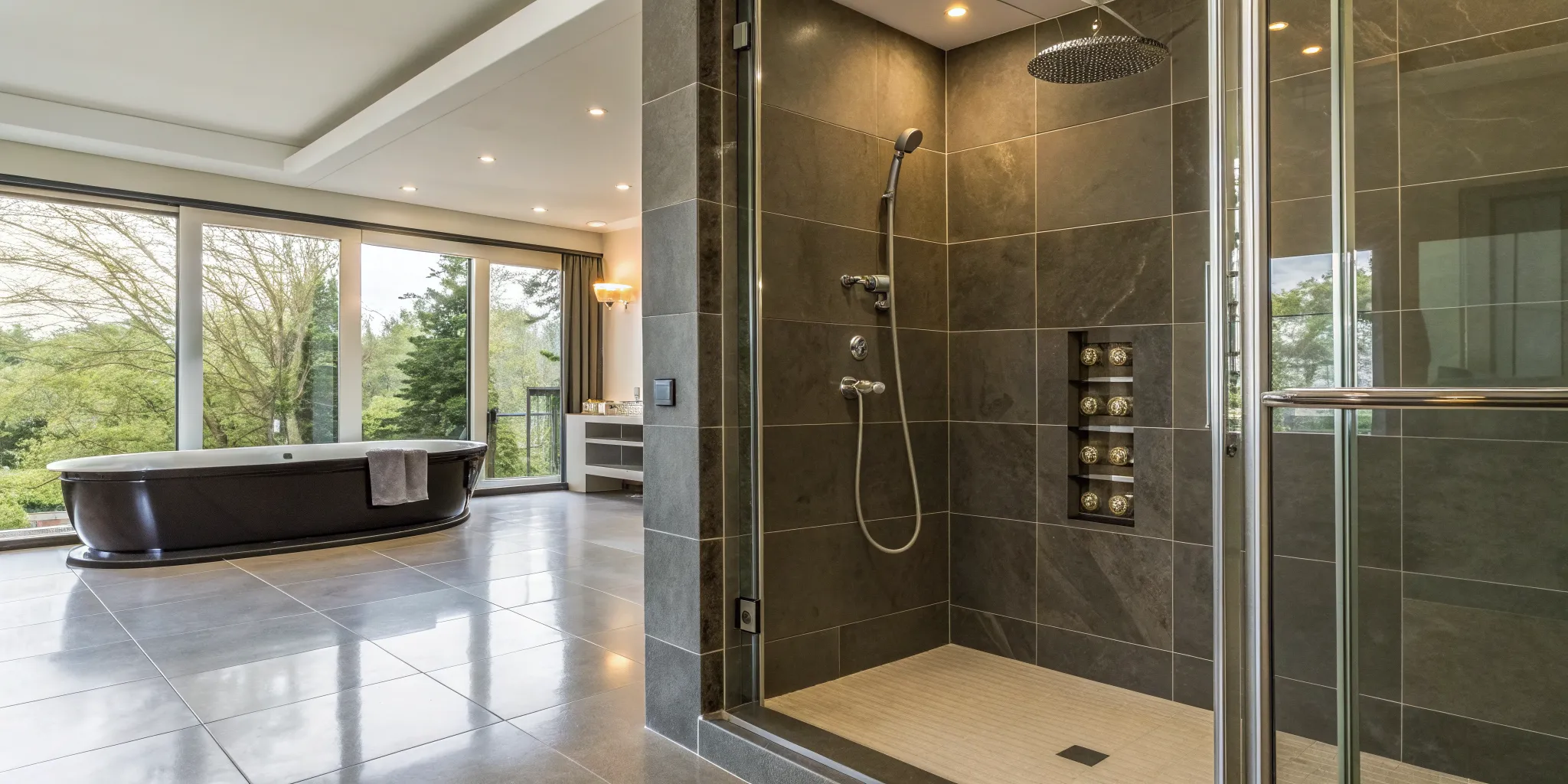
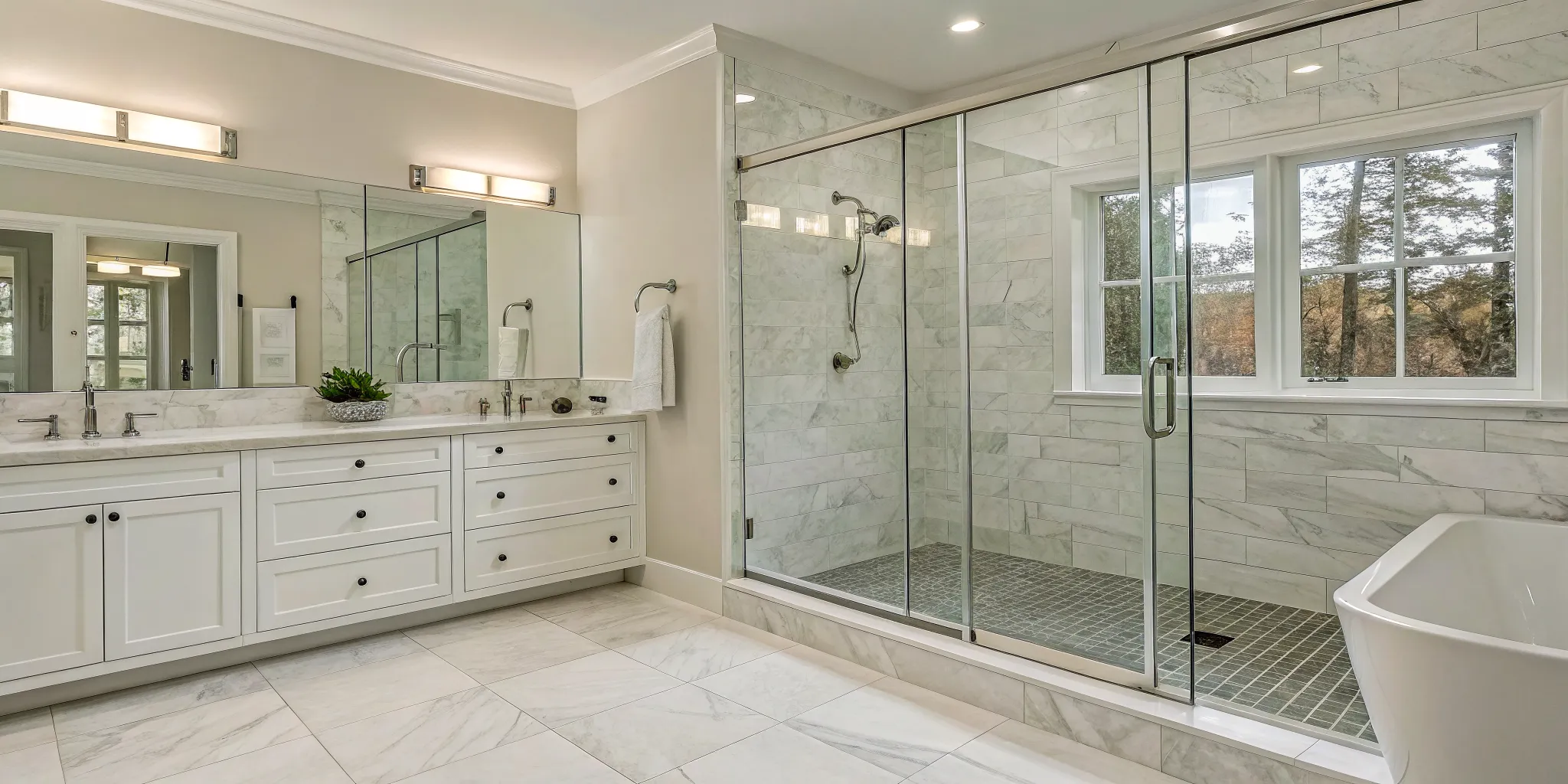
This is where most custom bathroom remodels land, with homeowners typically investing between $4,500 and $15,000. This price range opens up a world of possibilities, allowing for a fully tiled shower with durable porcelain or ceramic tile, a sleek frameless glass enclosure, and high-quality fixtures. You can also incorporate features like a built-in niche for storage or a comfortable bench. This level of investment delivers a beautiful, personalized result that significantly improves your daily routine and adds real value to your home. You can see several examples of these transformations in our featured projects.
High-End Custom Showers
For a truly luxurious, spa-like experience, you can expect to invest $15,000 or more. A high-end custom shower is defined by premium materials and sophisticated features. Think floor-to-ceiling natural stone like marble or travertine, multiple showerheads, body jets, and advanced steam systems. These projects often include custom-built benches, expansive niches, and curbless, zero-entry designs for a seamless look. Visiting a design showroom is the best way to see, touch, and compare these premium materials to create a shower that is both stunning and perfectly suited to your lifestyle.
How Accurate Are Online Cost Calculators?
Think of an online cost calculator as a helpful starting point, not a final quote. It’s a great way to get a general idea of what your walk-in shower project might cost, but its accuracy depends entirely on the information you provide and the assumptions baked into its programming. These tools are designed to give you a ballpark figure, but they can’t see your bathroom, understand your home’s unique quirks, or account for the specific quality of materials and craftsmanship you expect.
While they’re useful for initial research, these calculators often simplify a complex process. They can’t factor in the cost differences between San Diego neighborhoods or the specific structural needs of your home. The best way to use them is to explore different scenarios and see how your choices impact the estimated price. Then, you can take that baseline understanding into a detailed conversation with a design-build expert who can provide a firm, all-inclusive quote based on your actual space and goals.
Key Inputs for a Realistic Estimate
To get the most out of an online calculator, you need to be as specific as possible. The best tools will ask for more than just basic dimensions. Look for calculators that let you input your zip code, as labor and material costs can vary significantly right here in San Diego County. You’ll also get a more accurate number if you can specify your preferences for key components. This includes the shower base material, the type of wall surrounds (like tile or a solid panel), the style of the glass door, and the finish on your faucets and showerhead. The more detail you can provide, the closer the estimate will be to reality.
Hidden Costs Most Calculators Forget
This is where most online estimators fall short. They often calculate the cost of the visible materials and basic installation but completely miss the other essential expenses that are part of a professional remodel. A reliable quote should always account for demolition and removal of your old tub or shower, any necessary updates to existing plumbing or electrical systems, and the cost of city permits and inspections. Calculators rarely include sales tax or the price of dealing with unexpected issues, like hidden water damage. A truly comprehensive plan, like the one outlined in our process, accounts for these details upfront to prevent surprises.
How Customizations Change the Price
Every choice you make has an impact on the final cost. The total price for a walk-in shower is driven by three main things: the base, the walls, and the extras. A simple, pre-fabricated shower kit might be on the lower end of the price spectrum, but a fully custom-tiled shower with a built-in bench, multiple niches, and a frameless glass enclosure will be significantly more. High-end materials like natural stone, luxury fixtures, and advanced features like steam systems can easily double or triple the cost. You can see how these choices come to life in our featured projects, where every detail is tailored to the homeowner’s vision and budget.
Common Budgeting Mistakes to Avoid
An online calculator is a great starting point, but a realistic budget goes beyond materials and labor. A few common oversights can quickly inflate your costs and add stress to your project. The best way to protect your investment is to know what these pitfalls are ahead of time. A detailed, professional proposal will account for these variables, but it’s smart to have them on your radar from the very beginning. Understanding the full picture helps you compare quotes accurately and plan with confidence.
Underestimating the Full Project Scope
A walk-in shower is much more than what you see on the surface. It’s easy to budget for beautiful tile and a sleek glass door, but the real work happens behind the walls. A complete installation often involves demolition, moving plumbing lines, installing new valves, and framing walls. The most critical step is proper waterproofing, which creates a sealed, leak-proof enclosure. Skipping or rushing this step can lead to costly water damage down the road. A thorough bathroom remodeling plan should account for every layer, from the studs to the final grout seal.
Forgetting Permits and Inspection Fees
Permits might not be the most exciting part of a remodel, but they are essential. Any project that involves changing plumbing or electrical layouts in San Diego requires a permit to ensure the work is done safely and up to code. These permits and the required city inspections come with fees that are rarely included in a generic online estimate. Forgetting to factor them in can lead to an unexpected bill and potential project delays. A reputable, experienced contractor will handle the entire permitting process for you, including these costs in your fixed-price proposal for total transparency.
Skipping a Contingency Fund
Even with the most careful planning, remodeling an older home can reveal surprises. Once the old tub and walls are removed, we might find hidden water damage, mold, or outdated plumbing that needs to be addressed. This is where a contingency fund becomes your safety net. We recommend setting aside an extra 10% to 15% of your total project cost to cover unforeseen issues. It’s a smart budgeting strategy that provides peace of mind. If you don’t end up needing it, you’ll have extra funds for upgrading fixtures or decor. You can see how we handle complex jobs in our featured projects.
How to Get the Best Value from Your Investment
A walk-in shower is more than just a functional upgrade; it’s an investment in your daily routine and your home’s overall value. Getting the most out of that investment comes down to making smart, informed decisions from the very beginning. It’s not just about finding the lowest price, but about achieving a balance of quality, durability, and design that you’ll love for years to come. By focusing on a few key areas, you can ensure your new shower is a source of pride and comfort, not a series of costly compromises.
Choose Materials That Last
The materials you select for your shower walls, floor, and fixtures play a huge role in the final look and long-term performance. While it can be tempting to choose less expensive options, investing in high-quality, durable materials often saves you money down the road on repairs and replacements. For example, the type of tile you pick, whether it’s natural stone or classic ceramic, directly impacts both the initial cost and the installation complexity. Visiting a design showroom allows you to see and feel the options firsthand, helping you choose a timeless style that won’t feel dated in a few years.
Time Your Project Strategically
The scope of your project is one of the biggest factors in your final budget. If you can work within your bathroom’s existing layout, you’ll likely have a more predictable and affordable remodel. Updating a shower in its current footprint is typically more straightforward than a full reconfiguration that requires moving plumbing and walls. A well-defined remodeling process helps map out these details early on, preventing unexpected costs and delays. Planning ahead with your design team ensures every decision is made thoughtfully, aligning your vision with your budget from day one.
Work with an Experienced Contractor
Hiring the right team is the single most important decision you’ll make for your remodel. An experienced, licensed, and insured contractor can be the difference between a smooth project and a series of expensive headaches. The most costly mistake is often hiring the wrong person for the job. Before committing, always get detailed, written quotes from a few trusted professionals. A reputable design-build firm will provide a clear, fixed-price proposal that outlines the entire scope of work, so you know exactly what to expect. This transparency is key to a successful and stress-free bathroom remodeling experience.
Are There Ways to Finance or Save on Your Shower Remodel?
A beautiful new walk-in shower is a fantastic investment in your home and daily routine, but that doesn’t mean you have to pay for it all at once. If the total cost feels a bit out of reach, there are several practical ways to finance the project or find savings without cutting corners on quality. Thinking through your payment strategy ahead of time can make the entire process feel more manageable and less stressful, letting you focus on the fun parts, like picking out your tile.
Home Improvement Loans and Financing
Many homeowners use financing to make their dream bathroom a reality. Options like a home equity line of credit (HELOC) or a personal loan can provide the funds you need upfront. A HELOC lets you borrow against your home’s equity, often at a lower interest rate, while a personal loan is unsecured and based on your credit. It’s always a good idea to compare different home improvement loan options to find the best terms for your situation. Some contractors also offer financing through partner lenders, which can simplify the process.
Seasonal Promotions and Rebates
Timing your project strategically can lead to significant savings. The home remodeling industry has busier and slower seasons. By planning your shower remodel during a slower period, like late fall or winter, you might find contractors are more flexible with pricing or scheduling. It’s also smart to keep an eye out for manufacturer rebates on materials like fixtures, tile, and shower doors. Don’t hesitate to ask us about any current promotions we might have or partnerships that could benefit your budget. A little planning can go a long way.
Smart Budgeting Strategies
The best way to save money is to have a solid plan from the start. A detailed, fixed-price proposal prevents surprise costs and keeps your project on track. This is a core part of our design-build process, where we finalize all material selections and costs before any work begins. We also recommend setting aside a contingency fund of about 10% to 15% of your total budget. This buffer gives you peace of mind to handle any unexpected issues, like hidden water damage, without derailing your entire project.
Should You DIY or Hire a Professional?
The idea of tackling a walk-in shower project yourself can be tempting, especially when you see the potential savings. But a shower remodel is much more than a cosmetic update. It’s a complex construction project involving plumbing, waterproofing, and precision tile work, all within a small space. One small mistake can lead to big problems down the road, like hidden leaks and mold.
The choice between DIY and hiring a professional comes down to weighing your skills, time, and tolerance for risk against the value of expertise and peace of mind. While you might save on labor costs upfront, a professionally managed project ensures everything is done to code, built to last, and backed by a warranty. A design-build firm handles every detail, from initial space planning to the final fixture installation, giving you a single point of contact and a seamless experience. Before you pick up that sledgehammer, it’s important to understand what each path truly involves.
What a DIY Project Really Takes
A successful DIY shower installation requires more than just a few weekends and a can-do attitude. It demands precision from the very first step. For example, one of the most common DIY mistakes is incorrectly measuring the space, which can prevent doors from opening properly or leave you with awkward gaps. You’ll also need specialized tools like a wet saw for cutting tile, leveling tools, and specific trowels for thin-set mortar. Beyond the tools, you need a deep understanding of how to create a waterproof enclosure, slope a shower pan for proper drainage, and work with plumbing. It’s a significant commitment of time and energy, with little room for error.
Why Waterproofing and Permits Require an Expert
Of all the tasks involved, waterproofing is the most critical, and it’s where many DIY projects go wrong. A shower that isn’t properly sealed can cause slow leaks that lead to mold, wood rot, and serious structural damage inside your walls and floors. Professionals follow a multi-step process using membranes, sealants, and backer boards to create a completely watertight system. Furthermore, most major bathroom remodeling projects require city permits to ensure all plumbing and electrical work meets safety codes. An experienced contractor handles the permitting process and guarantees the installation passes inspection, protecting your home’s value and your safety.
Comparing the Costs: DIY vs. Pro
While you can save on labor by doing it yourself, it’s important to look at the total value. Professional installation often accounts for about half the total project cost, but that price includes far more than just labor. It covers expertise, project management, liability insurance, and a warranty on the workmanship. A small mistake in a DIY project, like a failed waterproof membrane, could force you to tear everything out and start over, costing you double in materials and time. When you get a professional quote, you’re investing in the assurance that the job will be done correctly the first time, preventing costly repairs in the future.
Related Articles
- Replace Bathtub with Shower: A 2026 Cost Breakdown
- How to Plan a Master Bath Shower Remodel
- 15 Bathtub to Shower Conversion Pictures to Inspire You
- A Guide to Custom Walk-In Showers for Small Bathrooms
Frequently Asked Questions
Why is there such a big price range for walk-in showers? Think of it like buying a car; the final price depends entirely on the model and the features you choose. A simple, pre-fabricated shower kit is a functional and budget-friendly option. A custom-tiled shower with natural stone, a frameless glass enclosure, and multiple showerheads is a luxury experience. The final cost reflects your choices in materials, the overall size, and the complexity of the installation, especially if we need to move plumbing or electrical lines.
How long does a typical walk-in shower installation take? The timeline really depends on the scope of your project. A straightforward replacement of an old tub or shower with a new walk-in unit in the same spot might take one to two weeks. For a more involved remodel that includes changing the layout, intricate tile work, or custom features, you should plan for about three to five weeks from demolition to completion. A key part of our process is providing you with a detailed project schedule so you know exactly what to expect.
Can I save money by buying my own materials? While it might seem like a good way to cut costs, sourcing your own materials can often lead to headaches and delays. A design-build firm has trusted relationships with suppliers, which means we can source high-quality, durable products that we know will perform well. We also handle all the ordering, tracking, and inspection of materials, ensuring everything arrives on time and in perfect condition, which is critical for keeping your project on schedule.
What’s the difference between a fixed-price quote and an estimate? This is a crucial distinction. An estimate, like one from an online calculator, is a ballpark guess that is subject to change. A fixed-price quote, which is what we provide after a thorough in-home consultation and design process, is a firm number that covers the entire agreed-upon scope of work. It gives you complete financial clarity and peace of mind, ensuring there are no surprise costs once the project is underway.
Is a walk-in shower a good investment for my home’s resale value? Absolutely. An updated and accessible bathroom is one of the most sought-after features for homebuyers. A well-designed walk-in shower not only improves your daily life but also adds significant appeal and market value to your home. Features like a curbless entry and timeless tile choices are particularly valuable, making your home stand out when it’s time to sell.