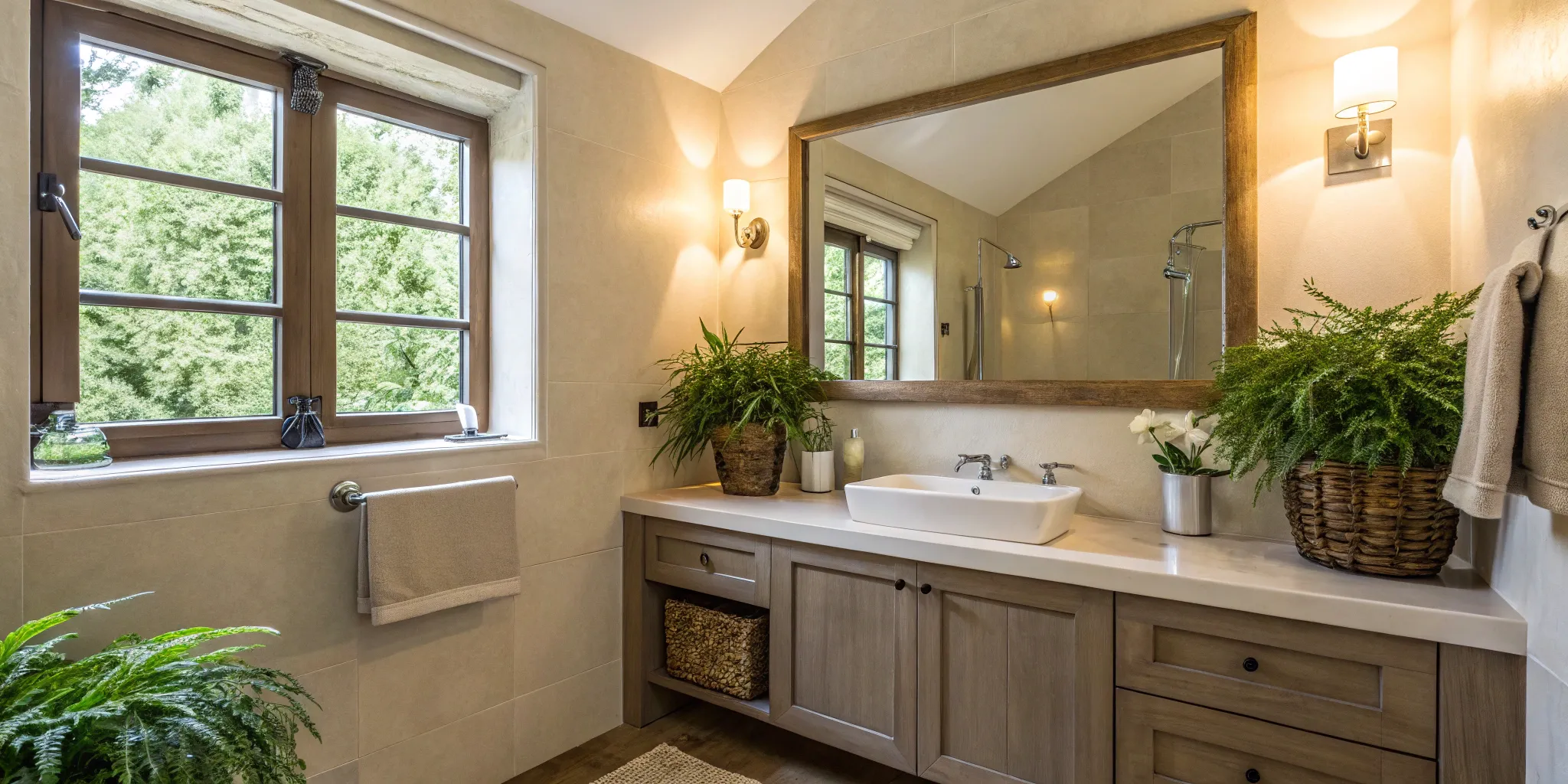
If you’re tired of bumping your elbows in a tight bathroom, you’ve come to the right place. Creating a sense of space is less about knocking down walls and more about making clever design decisions. A few key changes can dramatically alter the perception of a room, turning a cramped and frustrating layout into one that feels open and intuitive. This guide is your starting point for a real transformation. We’ll cover everything from space-saving fixtures to color palettes that expand your walls. These are the essential very small bathroom ideas you need to plan a remodel that is both beautiful and highly functional.
Key Takeaways
- Use Light and Reflection to Your Advantage: A light color palette, large mirrors, and glossy surfaces work together to bounce light around the room, making it feel instantly brighter and more open. Swapping a shower curtain for a clear glass door is a simple change that dramatically expands your sightlines.
- Choose Fixtures That Free Up Floor Space: Make your bathroom feel wider by selecting a wall-mounted “floating” vanity or toilet. Lifting these key pieces off the ground allows the flooring to extend to the wall, creating an unbroken visual that tricks the eye into seeing a larger room.
- Prioritize Smart Storage and Layered Lighting: Keep surfaces clear by building storage into your walls with recessed medicine cabinets and shower niches. Then, replace a single overhead light with multiple sources, like ceiling lights and vanity sconces, to eliminate shadows and create a bright, welcoming atmosphere.
Make a Small Bathroom Feel Larger
A small bathroom doesn’t have to feel cramped. With a few smart design strategies, you can create a space that feels open, airy, and far more spacious than its actual footprint. It’s all about using color, light, and layout to your advantage. These simple but effective tricks can transform a tight powder room or a compact guest bath into a comfortable and functional retreat.
Choose Light Colors and Reflective Surfaces
The fastest way to make a room feel bigger is to paint it in light, bright colors. Soft whites, light grays, and pale blues reflect natural and artificial light, creating an open and airy atmosphere. Dark or heavy colors, on the other hand, absorb light and can make walls feel like they’re closing in. We also recommend incorporating glossy finishes. A high-gloss paint on the ceiling, polished bathroom tile, and shiny fixtures all bounce light around the room, adding to the sense of space and brightness.
Install Mirrors Strategically
Mirrors are a small bathroom’s best friend. A large, well-placed mirror can instantly double the visual space. Consider installing a wide, frameless mirror that stretches across the entire wall behind your vanity instead of a small, decorative one. This simple change creates a dramatic sense of depth. For an even bigger impact, you could dedicate an entire wall to custom-cut mirrors. Our design team can help you explore options that not only make your bathroom feel larger but also add a touch of elegance to your remodeling project.
Select Floating Fixtures
To create the illusion of more floor space, lift your fixtures off the ground. A wall-mounted or “floating” vanity is a perfect choice for a small bathroom. Because you can see the flooring extend all the way to the wall, the room feels wider and more open. This also makes cleaning much easier—no more trying to sweep around awkward vanity legs. The same principle applies to toilets; a wall-hung model conceals the tank and frees up valuable floor space, contributing to a clean, modern, and uncluttered look. You can explore a variety of these fixtures in our San Diego showroom.
Embrace a Minimalist Design
Clutter is the enemy of a small space. The more items you have sitting out, the more crowded and chaotic your bathroom will feel. Adopt a minimalist approach by keeping only the essentials on your countertops. Use smart storage solutions like recessed medicine cabinets, drawer organizers, and shower niches to keep toiletries tucked away but still accessible. When choosing accessories like towel bars and soap dispensers, opt for simple, clean lines that don’t add visual noise. A tidy, streamlined space always feels calmer and more expansive.
Select the Right Fixtures for Your Space
The fixtures you choose can make or break a small bathroom design. Bulky, oversized pieces will instantly shrink your space, while thoughtfully selected ones can create a sense of openness and flow. It’s about more than just function; it’s about scale, proportion, and how each element contributes to the room’s overall feel. The goal is to find toilets, sinks, and showers that do their job perfectly without demanding too much physical or visual real estate.
This is where smart design really shines. By choosing fixtures that are wall-mounted, compact, or visually lightweight, you can reclaim precious floor space and trick the eye into seeing a larger room. Our design team helps homeowners navigate these choices every day, ensuring every piece not only looks beautiful but also enhances the bathroom’s functionality. A successful bathroom remodeling project hinges on these critical decisions, turning a cramped layout into a comfortable, efficient retreat.
Install a Wall-Mounted Sink or Vanity
One of the best ways to create an illusion of space is to get your vanity off the floor. A wall-mounted or “floating” vanity opens up the floor beneath it, making the room feel wider and airier. This simple change has a huge visual impact and makes cleaning your floors much easier. If you still need storage, you can find beautiful, slim-profile floating vanities that offer drawers and counter space without the bulk of a traditional cabinet. Seeing these options in person at our San Diego showroom can help you visualize just how much space you can save.
Opt for a Corner or Compact Toilet
Toilets have come a long way from the standard, bulky models of the past. For a truly space-saving solution, consider a wall-mounted toilet. The tank is concealed inside the wall, saving you several inches of depth and creating a clean, modern look. If that’s not the right fit for your project, a compact toilet with a round-front bowl is another excellent choice. These models are specifically designed for tight spaces and take up less room than their elongated counterparts without sacrificing comfort or performance. It’s a small switch that can make a big difference in your layout.
Find a Space-Saving Shower Solution
Your shower shouldn’t feel like a cramped box. To open things up, ditch the shower curtain or framed door in favor of a frameless glass enclosure. Clear glass creates an uninterrupted sightline, making the entire bathroom feel like one continuous space. This simple swap is one of the most effective ways to make a small bathroom feel larger. For layouts with tricky corners, a neo-angle or corner shower stall can be a perfect fit, tucking neatly into an underutilized area. These thoughtful shower designs maximize function while maintaining an open, inviting atmosphere.
Consider a Pedestal Sink
If storage isn’t your primary concern—especially in a powder room or guest bath—a pedestal sink is a timeless and elegant choice. Its slender profile takes up minimal floor space, freeing up the area around it and contributing to a light, uncluttered feel. While you lose the cabinet storage of a traditional vanity, many modern pedestal sinks feature a small ledge or shelf around the basin, offering just enough room for a soap dispenser and other daily essentials. It’s a classic look that prioritizes simplicity and spaciousness, perfect for making a small room feel more gracious.
Maximize Your Bathroom Storage
A cluttered bathroom will always feel small, no matter its actual size. Smart storage is the key to creating a space that feels open, calm, and functional. Instead of letting toiletries take over your countertop, think about how you can integrate storage solutions that are both beautiful and practical. The goal is to give every item a home, keeping surfaces clear and sightlines open. With a thoughtful approach, you can add a surprising amount of storage without sacrificing an inch of precious floor space.
Go Vertical with Storage
When you can’t build out, build up. Vertical space is one of the most underused assets in a small bathroom. Think about adding tall, narrow linen cabinets that draw the eye upward and offer plenty of concealed storage for towels and toiletries. Floating shelves installed above the toilet or on an empty wall provide a perfect spot for decorative items or neatly folded hand towels. This strategy not only adds function but also creates an illusion of height, making the entire room feel more spacious. A well-planned bathroom remodeling project can incorporate these elements seamlessly.
Build In Recessed Storage
For a truly integrated and space-saving solution, look inside your walls. Recessed storage utilizes the empty space between wall studs to create hidden shelving and cabinets. A recessed medicine cabinet offers a sleek, modern alternative to a bulky, wall-mounted version. In the shower, a built-in niche is the perfect place to store shampoo and soap, eliminating the need for clumsy caddies. This custom approach keeps your bathroom feeling open and uncluttered, and it’s a detail that gives your space a high-end, thoughtfully designed feel. You can see examples of this in our featured projects.
Use Multi-Functional Furniture
Every piece in a small bathroom should work hard. Opt for furniture that serves more than one purpose to get the most out of your layout. A vanity, for example, shouldn’t just hold the sink—it should be a storage powerhouse. Look for vanities with a combination of deep drawers for larger items and smaller compartments for organizing cosmetics. An open shelf at the bottom can hold towels or baskets, adding texture and function. Choosing the right multi-functional pieces ensures your bathroom remains tidy and organized without feeling crowded.
Add Over-the-Toilet Storage
The area above the toilet is prime real estate that often goes to waste. Instead of a standalone wire rack, consider more permanent and stylish solutions. A set of floating shelves can display plants and pretty containers, adding a personal touch. For even more utility, a shallow, wall-mounted cabinet can hide away extra toilet paper, cleaning supplies, and other essentials. Integrating this storage into your overall design makes it feel intentional and cohesive, turning an overlooked spot into a valuable feature that enhances both the look and function of your bathroom.
Choose Colors and Materials That Expand the Room
The right colors and materials are your secret weapons in a small bathroom. They can do more than just look pretty—they can completely change the perception of a space, making it feel brighter, taller, and more open. It’s all about creating visual tricks that guide the eye and reflect light. By being strategic with your surfaces, from the floor tile to the wall paint, you can make even the most compact bathroom feel spacious and inviting.
Choosing these elements can feel overwhelming, which is why seeing them in person is so helpful. Visiting a design showroom allows you to touch the materials, compare finishes, and see how different textures and colors interact with light. This hands-on approach ensures the palette you choose on paper translates beautifully into your home, creating the airy atmosphere you’re aiming for. A well-thought-out material plan is the foundation of a successful bathroom remodel, turning a cramped room into a personal retreat.
Stick to a Light, Neutral Palette
When it comes to small spaces, light colors are your best friend. Hues like soft whites, gentle creams, and light grays work wonders by reflecting light, which instantly makes a room feel more open and airy. A monochromatic scheme, where the walls, tiles, and vanity are all within the same light color family, creates a seamless look that helps erase the room’s boundaries. This doesn’t mean your bathroom has to be boring. You can introduce subtle warmth with off-whites or a hint of color with a pale blue or sage green. The key is to keep the overall palette bright to create a clean, uncluttered canvas that feels expansive.
Incorporate Glossy Finishes
To amplify the effect of your light color palette, bring in surfaces with a bit of shine. Glossy finishes are excellent at bouncing light around a room, enhancing brightness and adding a touch of dimension. Think about using glossy ceramic tiles for your shower walls or backsplash. Polished chrome or nickel for your faucets and fixtures also contributes to this reflective quality. Even a vanity with a semi-gloss finish can help. These shiny surfaces catch both natural and artificial light, preventing the space from feeling flat and making it appear much bigger and more dynamic than it actually is.
Use Large Tiles for a Seamless Look
It might seem counterintuitive, but large-format tiles are often a better choice for a small bathroom than small tiles. The reason is simple: fewer grout lines. Grout lines create a grid-like pattern that can visually chop up a floor or wall, making it feel busy and confined. With larger tiles, you have less grout and a more continuous, unbroken surface. This creates a clean, seamless look that makes the room feel more expansive. For an even greater effect, consider using the same large tile on both the flooring and the walls to create a cohesive flow that further enhances the sense of space.
Add Vertical Patterns and Textures
A great way to make a small bathroom feel taller is to draw the eye upward. You can achieve this by incorporating vertical patterns into your design. For example, instead of laying subway tiles in a traditional brick pattern, stack them vertically. This simple change creates strong vertical lines that give the illusion of a higher ceiling. You could also choose a tile with a subtle vertical pattern or even a feature wall with thin, vertically-oriented wood paneling. These details encourage people to look up, making the entire room feel more spacious and less constrained, as you can see in some of our past featured projects.
Plan a Smarter Bathroom Layout
The single most impactful change you can make in a small bathroom has nothing to do with colors or fixtures—it’s the layout. A thoughtful floor plan can make a cramped space feel open and intuitive, while a poor one creates daily frustrations. How you arrange the key elements—toilet, sink, and shower—determines the flow and functionality of the entire room. Before you start picking out tile, it’s essential to get the blueprint right.
Planning a layout that maximizes every square inch is a core part of our bathroom remodeling service. A well-designed space doesn’t just look better; it works better for your routine. By rethinking fixture placement, door swings, and traffic patterns, you can create a bathroom that feels surprisingly spacious. It’s about working with the architecture of your home to build a room that’s both beautiful and effortless to use.
Use Corners Strategically
Corners are often the most underutilized areas in a small bathroom. Instead of letting that valuable real estate go to waste, you can use it to your advantage. A corner shower, especially a quadrant-style unit with a curved glass door, can free up central floor space and make the room feel much larger. Similarly, a compact corner vanity can provide essential storage without jutting into the main walkway. By tucking major fixtures into corners, you create more open, usable space for moving around comfortably.
Arrange Fixtures in a Line
If your bathroom is long and narrow, arranging all the fixtures along one wall is an incredibly effective strategy. This “galley” style layout creates a clear, unobstructed path from the door to the end of the room, which helps the space feel longer and more organized. For the shower, consider a fixed glass panel instead of a full door. This simple change contains water while providing more elbow room, preventing that cramped feeling you often get in tight spaces. This linear approach is a classic design solution for a reason—it’s simple, efficient, and visually clean.
Install a Shallow Vanity
Your vanity is crucial for storage, but a standard-depth cabinet can feel bulky in a small bathroom. Opting for a shallow vanity—one that’s only 15 to 18 inches deep instead of the typical 21—can give you back precious inches of floor space. This makes a noticeable difference in your ability to move around. Many modern designs offer clever storage solutions, so you don’t have to sacrifice organization for a slimmer profile. You can explore a variety of space-saving vanities at our San Diego showroom to find one that fits your style and your space.
Swap Your Door for a Pocket or Barn Door
A traditional inswing door can be a major space-waster in a small bathroom, requiring a clear area of about nine square feet just to open. Reclaiming that space is easy with a different door style. A pocket door, which slides discreetly into the wall, is the ultimate space-saver. A stylish barn door that slides along the outside wall is another great option that adds a bit of character. Either choice eliminates the door-swing dilemma, freeing up your layout and making the room feel instantly more accessible and open.
Get the Lighting Right
Lighting is one of the most powerful tools for transforming a small bathroom. The right strategy can make a cramped space feel open, bright, and inviting, while the wrong one can leave it feeling like a cave. It’s about more than just a single, harsh overhead fixture. A well-lit bathroom uses a combination of natural and artificial light sources to create a space that’s both functional for your morning routine and relaxing for an evening soak.
A thoughtful lighting plan considers three key elements: ambient light for overall illumination, task light for specific activities like applying makeup or shaving, and accent light to add a touch of style. By layering these sources, you can eliminate shadows, highlight your favorite design features, and completely change the room’s atmosphere with the flip of a switch. It’s a detail that makes a huge difference in the final feel of your bathroom remodel, turning a purely functional room into a personal retreat.
Maximize Natural Light
If your bathroom has a window, you’ve got a major advantage. Sunlight is the best tool for making any room feel larger and more open. If a renovation is on the table, consider enlarging an existing window or even adding a skylight to let light pour in from above. For privacy, you can opt for frosted or reeded glass that diffuses light beautifully without sacrificing seclusion.
If you’re working with what you have, keep window treatments simple and light. A sheer roller shade or a simple valance is much better than heavy drapes or dark blinds. The goal is to let in as much light as possible while still maintaining your privacy.
Layer Your Lighting
A single overhead light is rarely enough. To properly light a bathroom, you need layers. Start with ambient lighting, like recessed “pot lights” in the ceiling, to provide general, even illumination throughout the space. This replaces the old, dated central fixture and instantly modernizes the room.
Next, add task lighting. The best place for this is around the mirror. Instead of a single light bar above the mirror, which can cast unflattering shadows, install vertical sconces on either side. This provides even, cross-illumination that’s perfect for grooming. Putting all your lights on dimmer switches gives you complete control over the mood, from bright and energetic to soft and calming.
Add Subtle LED Strip Lighting
For a modern, high-end touch, consider integrating LED strip lighting. This is a fantastic way to add a soft, indirect glow that serves as both an accent and a practical feature. You can install LED strips under a floating vanity to make it appear weightless, behind a mirror to create a cool backlit effect, or inside a shower niche to highlight your tile work.
This type of lighting adds depth and dimension to the room. It also works wonderfully as a built-in nightlight, providing just enough illumination for late-night trips to the bathroom without a jarring overhead glare. You can see how we’ve used this technique in some of our featured projects to create a spa-like atmosphere.
Find the Right Shower for a Tight Space
The shower often takes up the most real estate in a bathroom, so getting it right is crucial. In a small space, a bulky, closed-off shower can make the entire room feel cramped. The key is to choose a design that feels integrated and open, creating spaciousness without sacrificing function. By rethinking the traditional enclosure, you can transform how your bathroom looks and feels. Whether you prefer a walk-in design, need a tub, or want to update your current setup, there’s a smart solution that will work for your layout.
Design a Walk-In Shower
A walk-in shower is one of the best ways to make a small bathroom feel more expansive. Eliminating the curb creates a seamless transition from the bathroom floor into the shower, extending the room’s sightlines. For an even more open feel, a partial wall can separate the wet area while avoiding the confining feeling of a fully enclosed box. It’s a modern, accessible approach we often use in our bathroom remodeling projects to add both style and function to compact spaces.
Choose a Clear Glass Enclosure
If a full walk-in isn’t practical, a clear glass enclosure is your next best option. Unlike a shower curtain or frosted glass, which acts as a visual wall, clear glass keeps the space feeling open and airy. It allows you to see through to the wall behind the shower, making the bathroom feel deeper and larger. This simple swap also lets light flow freely through the room, brightening every corner. You can see how we’ve used frameless glass to open up compact spaces in our gallery of featured projects.
Consider a Compact Shower-Tub Combo
For many homeowners, a bathtub is a must-have, even in a tight space. The good news is you don’t have to sacrifice it. Modern shower-tub combos are more streamlined than ever. Look for a tub with clean lines and a smaller footprint to save precious inches. To make the combo feel cohesive, tile the walls all the way to the ceiling. This draws the eye upward and creates a custom, built-in look. When you visit our showroom, you can explore space-saving tubs and tile options that will make your shower-tub combo a stunning focal point.
Create a Seamless Visual Flow
A small bathroom can feel disjointed when your eye stops and starts at every new surface. To make it feel bigger, create a smooth, uninterrupted visual path. By using cohesive design elements and removing barriers, you trick the eye into seeing one larger, more unified space. This approach is all about creating harmony and flow, making the room feel calm, open, and much more spacious than its actual footprint suggests.
Maintain Consistent Design Elements
Think of your small bathroom as a single canvas. A consistent palette of materials and colors creates a cohesive look that feels expansive. Stick with light and airy colors like soft whites, beiges, or light grays for walls and tiles. These shades reflect light, making the room feel brighter and more open. Carry this consistency through your major finishes—for example, if you choose a light oak vanity, echo that tone in your shelving. A unified design prevents visual clutter and creates a serene atmosphere. Our designers can help you pull together the perfect palette at our San Diego showroom.
Keep Sightlines Clear
One of the biggest mistakes in a small bathroom is creating visual roadblocks that make it feel smaller. The most common culprit is the shower curtain or frosted glass door. Swapping it for a clear, frameless glass enclosure is a game-changer, allowing you to see all the way to the back wall and adding visual depth. The same principle applies to your vanity area. Keep countertops clear and consider floating shelves instead of bulky upper cabinets to maintain that open, airy feeling. You can see how we apply this in our bathroom remodeling projects.
Use Seamless Floor-to-Wall Transitions
Blurring the lines between the floor and walls is a clever trick to make a small bathroom feel taller. Running the same tile from the floor up one or more walls creates a continuous surface that draws the eye upward, which is especially effective in a shower. For an extra boost of perceived height, choose tile patterns that emphasize vertical lines, like a herringbone layout or vertically stacked tiles. Using glossy bathroom flooring and wall tiles also helps by bouncing light around the room, adding to the bright, open feel.
Avoid These Common Design Mistakes
Knowing what not to do is just as important as knowing what to do, especially when every square inch counts. A few common missteps can make a small bathroom feel even more cramped and cluttered. The good news is that they’re all easily avoidable with a bit of thoughtful planning. When you’re designing a space, it’s easy to get caught up in individual elements, but a successful remodel considers how everything works together.
Thinking through the layout, color palette, and fixture choices ahead of time prevents costly changes and ensures the final result feels open and functional. Let’s walk through a few pitfalls we see homeowners make and how you can sidestep them to create a bathroom that feels both beautiful and spacious.
Don’t Overcrowd with Accessories
In a small bathroom, clutter is the enemy of serenity. While it’s tempting to display decorative soaps, candles, and plants, too many items on the countertop can quickly make the space feel chaotic and tight. Instead, adopt a “less is more” approach. Try to store as many items as possible outside the bathroom or tucked away in smart storage. Keep only your daily essentials within reach and choose one or two simple decorative pieces. This isn’t about getting rid of your things; it’s about giving them a proper home so your bathroom can feel like the calm retreat you deserve.
Avoid Dark, Heavy Colors
Color has a powerful effect on how we perceive a room’s size. Dark, saturated colors absorb light, which can make walls feel like they’re closing in on you. For a small bathroom, it’s best to use light and airy colors like soft whites, pale grays, or creamy beiges. These hues reflect light, creating an illusion of openness and making the bathroom look bigger and cleaner. This doesn’t mean your space has to be boring. You can introduce depth with textured tiles or add a pop of color with towels and accessories. You can explore a curated selection of light, bright finishes in our San Diego showroom to see the effect for yourself.
Steer Clear of Bulky Furniture
A large, heavy vanity can dominate a small bathroom, eating up valuable floor space and making the room feel cramped. Instead, choose slim vanities, corner units, or pedestal sinks. A pedestal sink is a classic choice that makes a room feel more open by exposing more of the floor, though it offers no storage. A great modern alternative is a floating or wall-mounted vanity. It provides necessary storage and counter space without touching the floor, which creates an unbroken line of sight that visually expands the room. This simple switch is a key part of our approach to modern bathroom remodeling.
Rethink Poor Fixture Placement
The layout is the foundation of a functional bathroom. Poorly placed fixtures can create awkward traffic flow and make a small space feel unusable. A door that swings inward and nearly hits the toilet, or a vanity drawer that can’t open fully because it’s too close to the shower, are common layout mistakes. Every placement decision should prioritize movement and accessibility. This is where professional space planning makes a huge difference. By carefully mapping out the location of the toilet, sink, and shower, you can ensure the room works efficiently and feels comfortable, not constricted.
Know When to Partner with a Pro
While many home updates are perfect for a weekend DIY project, a small bathroom remodel presents unique challenges. The tight quarters mean every inch counts, and mistakes with plumbing or electrical work can be costly and complicated to fix. Partnering with a professional design-build team ensures you avoid common pitfalls and get a beautiful, functional space that truly works. An expert can see possibilities you might miss, turning cramped corners and awkward layouts into smart, stylish features.
Collaborate with a Designer
A professional designer is your greatest asset when maximizing a small footprint. They are trained to see beyond the existing layout and create a space that feels open, cohesive, and perfectly suited to your needs. A designer helps ensure the new bathroom flows with the rest of your home’s style, selecting materials and finishes that create a seamless transition. With a partner guiding you through our process, you can explore creative solutions for storage, lighting, and fixture placement that you may not have considered, ensuring the final result is both practical and beautiful.
Plan for Plumbing and Electrical Needs
Moving a toilet, sink, or shower even a few inches requires careful planning of the systems behind the walls. It’s crucial to address plumbing and electrical needs early in the design phase to prevent expensive rework down the line. A professional team understands San Diego’s building codes and can safely reconfigure layouts, add new lighting, or install modern fixtures without compromising safety or function. Handling a full bathroom remodeling project with an integrated team means the plumbers, electricians, and builders are all on the same page from day one.
Get the Most from Your Investment
Hiring a professional isn’t just about getting the job done—it’s about protecting your investment and adding real value to your home. A well-designed and expertly built bathroom enhances your daily routine and can significantly increase your property’s resale value. A design-build firm helps you select durable, high-quality materials that fit your budget and will stand the test of time. By managing the project from concept to completion, they ensure every detail contributes to a high-end finish, turning your vision into one of our beautifully finished projects that you’ll enjoy for years to come.
Related Articles
- Remodel a Very Small Bathroom: The Ultimate Guide
- Cost to Remodel a Small Bathroom: A 2025 Guide
- Realistic Cost to Remodel a Small Bathroom: How Much Is It?
- 15 Small Bathroom Remodel Ideas for More Space
Frequently Asked Questions
What is the single most impactful change I can make without doing a full remodel? If you’re not ready to change the layout, focus on light and reflection. Swapping a small, framed mirror for a large, frameless one that covers most of the wall behind your sink can visually double the space. Upgrading your lighting from a single overhead fixture to layered sconces and ceiling lights will also make a huge difference by eliminating shadows and making the room feel brighter and more open.
Do I have to use an all-white color scheme to make my bathroom feel bigger? Not at all! While white is a classic choice for a reason, you can get the same space-enhancing effect with other light, neutral colors. Soft grays, pale blues, warm creams, or even a hint of sage green can create an airy and open atmosphere. The goal is to choose a color that reflects light well. You can always bring in pops of deeper color through your towels, art, or accessories.
I can’t change my bathroom’s layout. What are the best things to focus on? When the floor plan is fixed, your best strategy is to free up as much visual and physical space as possible. Start by replacing a bulky, floor-standing vanity with a wall-mounted or “floating” model to show more flooring. Then, get serious about decluttering by adding vertical storage like floating shelves or a tall, narrow cabinet. These changes don’t require moving any walls but can completely transform how the room feels.
Are large tiles really better for a small floor? It seems like they would overwhelm the space. It sounds counterintuitive, but yes, large-format tiles are fantastic for small bathrooms. The magic is in the grout lines. Smaller tiles mean more grout lines, which creates a busy grid-like pattern that can make a floor feel chopped up and confined. Larger tiles result in fewer grout lines, creating a cleaner, more seamless surface that tricks the eye into seeing a more expansive space.
Is a walk-in shower practical in a very small bathroom? A walk-in shower can be one of the best solutions for a small bathroom. By eliminating the curb or threshold, you create a seamless transition from the floor into the shower area. Paired with a clear glass panel instead of a shower curtain or framed door, this design keeps sightlines open and makes the entire room feel like one continuous, larger space.