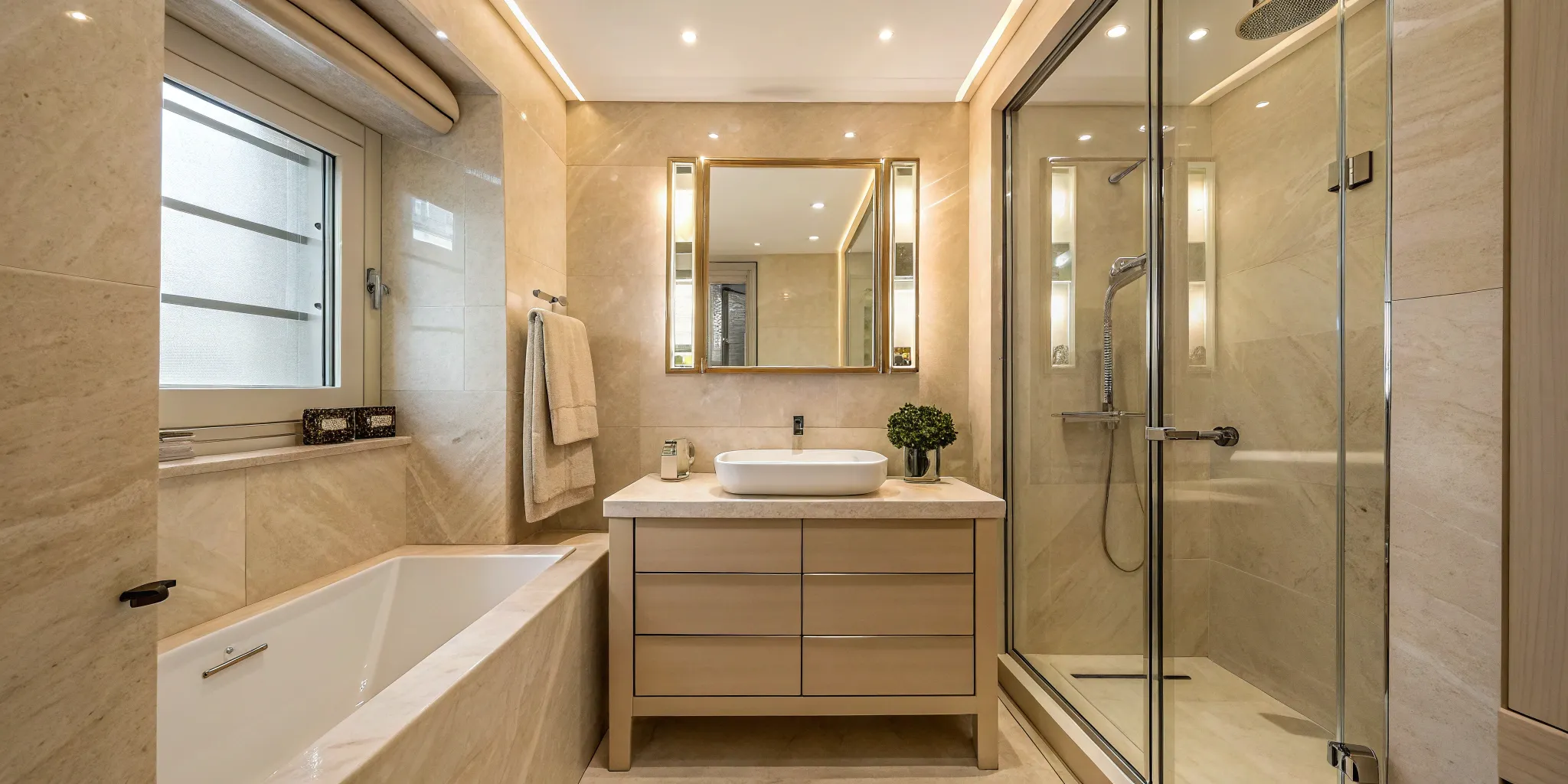
Making a small bathroom feel bigger is all about creating a clever optical illusion. It’s a design trick, but a powerful one that can completely transform how you experience the space. The secret lies in manipulating light, reflection, and scale to draw the eye upward and create a sense of openness. Instead of feeling boxed in, you can make the walls seem to recede and the ceiling feel higher. This isn’t about major structural changes; it’s about smart, strategic choices. From the finish on your tiles to the size of your mirror, every surface can be put to work. These small modern bathroom ideas are all about mastering that illusion to make your bathroom feel bright, luxurious, and surprisingly spacious.
Key Takeaways
- Think Visually to Expand Your Space: Use light colors, floating vanities, and large-format tiles to create an open, airy feel. These choices reduce visual clutter and show more floor space, tricking the eye into seeing a larger, more serene room.
- Prioritize Integrated Storage: Keep your bathroom feeling calm and organized by building storage directly into the design. Recessed wall niches and deep-drawer vanities provide a home for everything, keeping your countertops clear and functional.
- Layer Lighting for Function and Feel: A single overhead light can make a room feel small and dim. Instead, combine different light sources—like recessed ceiling lights for overall brightness and sconces by the mirror for tasks—to create a space that feels both functional and inviting.
What Gives a Bathroom That Modern Feel?
When we talk about a “modern” bathroom, we’re describing more than just a current trend. It’s a design philosophy rooted in simplicity, function, and a calm, uncluttered atmosphere. A modern bathroom feels intentional and serene, turning a purely practical room into a personal retreat. It’s about creating a space that is both beautiful and incredibly easy to live with.
This look is defined by a few key principles that work together to create a cohesive, peaceful environment. From the layout to the materials, every choice serves a purpose. By focusing on clean lines, smart fixtures, and a refined color palette, you can achieve a timeless style that feels both fresh and sophisticated. Let’s look at the core elements that give a bathroom that distinctly modern feel.
Embrace Clean Lines and Simple Design
The foundation of modern design is a commitment to clean lines and simple forms. Think geometric shapes, flat surfaces, and a distinct lack of fussy ornamentation. This approach, heavily influenced by minimalist and Scandinavian design, creates a sense of order and spaciousness. Instead of intricate details, the focus is on the quality of the materials and the precision of the installation.
This means choosing cabinetry with flat-panel doors, hardware that is sleek and understated, and layouts that feel open and intuitive. The goal is to eliminate visual clutter so the space can breathe. You can see how this principle comes to life in our portfolio of featured projects, where simplicity allows the craftsmanship and high-quality materials to stand out.
Prioritize Smart Layouts and Functional Fixtures
In a modern bathroom, especially a small one, every element has to earn its place. A smart layout is crucial for creating a room that is easy to use and feels larger than it is. This often involves choosing fixtures that are as functional as they are stylish. For example, a floating vanity instantly opens up the floor, making the room feel more expansive while providing essential storage.
Wall-mounted faucets and toilets also contribute to this airy, uncluttered aesthetic by keeping the floor clear. We help homeowners plan their bathroom remodeling projects around these space-saving solutions, ensuring the final design is both beautiful and highly practical. It’s about making thoughtful choices that improve the flow and function of your daily routine.
Select Contemporary Materials and Finishes
The materials you choose play a huge role in establishing a modern vibe. The palette typically leans toward neutral colors like crisp whites, soft grays, and warm beiges, which create a clean and calming backdrop. These colors reflect light, making the space feel brighter and more open. Texture is introduced through natural materials like wood, stone, and glass.
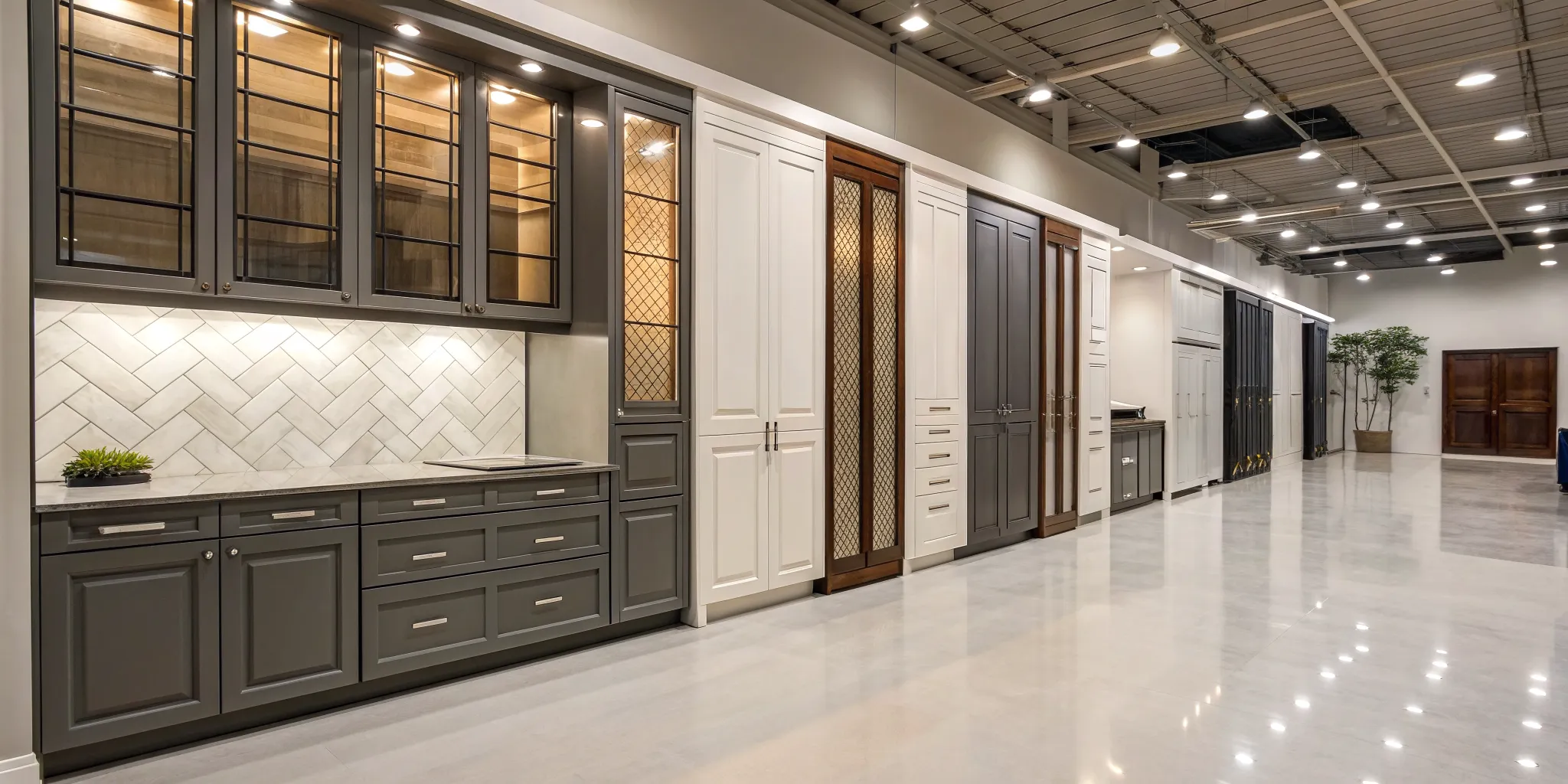
A large-format tile on the floor and walls can minimize grout lines, creating a seamless, unified look. For countertops, engineered quartz offers a durable and sleek surface. Seeing these options in person is the best way to finalize your vision, which is why our clients love the guided experience at our San Diego showroom. Combining these finishes creates a layered, sophisticated space that feels both current and timeless.
Choosing Colors for a Small Modern Bathroom
Color is one of the most powerful tools in a designer’s toolkit, especially when working with a compact space. The right color palette can make a small bathroom feel open, airy, and serene, while the wrong one can leave it feeling cramped and cluttered. It’s all about creating an illusion of space by using color to manipulate light and perception. A thoughtful color strategy can unify your design, highlight key features, and give your bathroom a clean, modern aesthetic that feels both personal and timeless.
Whether you’re drawn to crisp, clean neutrals or want to inject a bit of personality with a bold accent, there’s a color strategy that will work for your small bathroom. The key is to be intentional with your choices. From the wall paint to the floor tile and vanity finish, every surface contributes to the room’s overall feel. Let’s look at a few proven approaches to help you select the perfect palette for your bathroom remodeling project.
Use Light and Neutral Palettes to Open Up Space
If you want to make a small bathroom feel bigger, think light and bright. As design experts often note, “Light colors help a small room feel more open and spacious.” Palettes built around soft whites, light grays, warm beiges, or even pale blues and greens are excellent choices. These hues are fantastic at reflecting both natural and artificial light, which makes the walls seem to recede and the ceiling appear higher. This simple trick instantly creates a sense of airiness. A light, neutral backdrop also provides a clean canvas, allowing your fixtures and finishes to stand out without overwhelming the room.
Try a Monochromatic White or Grey Scheme
A monochromatic color scheme is a sophisticated way to create a seamless, expansive feel. Using different shades, tints, and textures of a single color—like white or grey—eliminates harsh visual breaks, which helps the eye move smoothly around the room. This unified look makes the space feel larger and more cohesive. For example, you could pair glossy white subway tiles with a matte white vanity and light grey floor tiles. The subtle shifts in texture and tone add depth and interest without cluttering the design. You can see beautiful examples of this approach in our featured projects, where neutral palettes create stunning, spa-like retreats.
Add a Strategic Pop of Color
A neutral bathroom doesn’t have to be boring. In fact, a light backdrop is the perfect canvas for a strategic pop of color. This allows you to add personality without making the space feel smaller. Instead of painting a whole wall a bold color, introduce an accent through smaller elements. Think a navy blue vanity, vibrant floor tiles, or a colorful piece of art. You can also “use small, unique vintage items like sconces or mirrors to add personality without needing a lot of room.” Even colorful towels or a unique soap dispenser can do the trick. Visiting a design showroom can be a great way to find that perfect accent tile or fixture to complete your vision.
How to Maximize Storage in a Small Bathroom
Let’s be honest: a cluttered bathroom is anything but relaxing. When you’re working with limited square footage, finding a home for every bottle, towel, and tube of toothpaste can feel like a losing game. But a smart, modern design is about more than just looks—it’s about creating a space that works for you. The key is to build storage directly into the design, making your bathroom feel both organized and expansive.
Instead of adding bulky furniture that eats up precious floor space, we can get creative with the walls and the area you already have. By integrating storage solutions that are as stylish as they are functional, you can keep your countertops clear and your essentials neatly tucked away. From clever built-ins to furniture that creates an illusion of space, a thoughtful bathroom remodeling plan can solve your storage problems for good. Let’s look at a few of our favorite strategies for maximizing every inch.
Install Recessed Shelving and Built-Ins
One of the most effective ways to add storage without adding bulk is to go into the walls. Recessed shelving, also known as a wall niche, uses the space between your wall studs to create sleek, integrated storage. This is perfect for a shower, giving you a designated spot for shampoo and soap without a clumsy caddy. You can also add a taller niche above the toilet for towels or decorative items. Because they don’t project into the room, these built-ins keep sightlines clean and make the space feel tidy and uncluttered.
Choose a Floating Vanity to Free Up Floor Space
A floating vanity is a game-changer in a small bathroom. By mounting the cabinet to the wall, you leave the floor underneath exposed. This simple trick creates an illusion of a larger, more open area because your eye can see more of the flooring. It also makes cleaning a breeze—no more trying to sweep around awkward vanity legs. You don’t have to sacrifice storage, either. Modern floating vanities come with deep, spacious drawers that keep everything organized and within reach. You can see beautiful examples in our featured projects.
Think Vertically with Wall-Mounted Storage
When you can’t build out, build up. Using your vertical space is a classic small-room strategy that works wonders in a bathroom. Think slim, wall-mounted cabinets, open shelving above the door or toilet, or even a stylish ladder for hanging towels. These elements draw the eye upward, which helps make the room feel taller and more spacious. It’s a great way to add storage for less-frequently used items or to display a few curated decor pieces without cluttering the vanity. You can explore all kinds of vertical storage options at our San Diego showroom.
The Best Fixtures for a Small Modern Bathroom
The fixtures you choose are the functional core of your bathroom, but in a compact space, they also play a huge role in the overall aesthetic. The right toilet, shower, and vanity can make a small bathroom feel open, airy, and thoughtfully designed. Instead of just filling the room, modern fixtures should create a sense of spaciousness while delivering the performance you need every day. It’s all about selecting smart, streamlined pieces that work hard without adding visual clutter.
Select Compact, Wall-Mounted Toilets
A bulky toilet can instantly shrink a small bathroom. To reclaim valuable floor space, consider a wall-mounted toilet. Because the tank is concealed within the wall and the bowl “floats” above the floor, it creates an uninterrupted sightline that makes the room feel larger and more open. This design also has a practical benefit: it’s much easier to clean the floor underneath. If a wall-mounted model isn’t feasible for your layout, a one-piece, compact elongated toilet offers a sleek, space-saving alternative to traditional two-piece designs.
Opt for a Walk-In Shower with a Glass Enclosure
Ditching the clunky tub-and-shower-curtain combo is one of the most effective moves in modern bathroom remodeling. A walk-in shower with a frameless glass enclosure allows light to flow freely and prevents the space from being visually cut in half. This creates a seamless, expansive feel. For an even more integrated look, a curbless shower entry makes the flooring continuous from the main area into the shower, further enhancing the sense of openness. This approach not only looks clean and contemporary but also improves accessibility.
Find a Space-Saving Sink and Vanity
In a small bathroom, every inch of storage counts, but a heavy, floor-bound vanity can feel overwhelming. A floating vanity is the perfect solution. By mounting it to the wall, you free up the floor underneath, which creates breathing room and makes the space feel less crowded. You still get essential storage with drawers and a countertop, but without the visual weight. If you have minimal storage needs, a sleek pedestal sink or a console sink with elegant legs can establish a minimalist, airy vibe. Seeing these options in a design showroom can help you find the perfect balance of style and function.
Using Light and Mirrors to Make Your Bathroom Feel Bigger
Light and reflection are your two best tools for making a small bathroom feel spacious and open. A strategic lighting plan combined with well-placed mirrors can completely transform a cramped room, creating an illusion of depth that feels anything but small. The goal is to draw the eye upward and around the room, eliminating dark corners and making the space feel bright, airy, and inviting. A well-lit bathroom not only feels bigger but also cleaner and more luxurious.
When we design a bathroom remodeling project, the lighting and mirror strategy is a core part of the conversation from day one. It’s about more than just choosing a pretty fixture; it’s about crafting an environment. By bouncing natural and artificial light throughout the space, you can make walls recede and ceilings feel higher. A large, simple mirror can double the visual square footage of your room, while multiple light sources add dimension and warmth. Forget the single, harsh overhead light—a thoughtful approach to light and mirrors is the secret to a small bathroom that lives large.
Layer Your Lighting for Ambiance and Function
A single ceiling fixture just won’t cut it. The key to great bathroom lighting is layering it to serve different needs. Think of it in three parts: ambient, task, and accent lighting. Ambient light provides overall illumination—recessed ceiling lights are perfect for this. Task lighting is focused light for grooming, so you’ll want to place sconces on either side of your mirror or a pendant light above the vanity to get bright, even light without shadows. Finally, accent lighting can highlight a design feature, like a strip of LEDs in a shower niche. This layered approach creates a warm, functional, and dimensional space that feels thoughtfully designed.
Incorporate LED Mirrors and Recessed Lights
For a truly modern and streamlined look, an LED mirror is a fantastic choice. These mirrors have built-in lighting that provides perfectly even, dimmable light right where you need it most. They eliminate the need for bulky vanity lights, helping to maintain those clean lines that are essential to modern design. Paired with recessed lights in the ceiling, you get a sleek, uncluttered look. Recessed lights are great for small bathrooms because they provide excellent ambient light without taking up any visual space, making your ceiling feel higher and the room more open. You can explore different styles in our San Diego showroom to see how they feel in person.
Maximize Natural Light with Smart Mirror Placement
If your bathroom has a window, you’re already ahead of the game. Natural light is the best way to make any space feel bigger and brighter. To make the most of it, hang a large, simple mirror on the wall directly opposite the window. This will capture the incoming light and bounce it all around the room, instantly making the space feel more expansive and open. If you don’t have a window, consider adding a skylight or a “light tunnel” during your remodel. Even a small addition can flood the room with daylight, transforming it from a dark box into a bright retreat without compromising privacy.
Choosing Modern Floors and Surfaces
The surfaces you choose—from the floor under your feet to the walls of your shower—set the entire tone for your bathroom. In a small space, these choices are even more critical. The right materials can create a sense of cohesion and openness, making the room feel larger and more refined. Think of your floors and walls as the canvas for your modern design. A clean, continuous surface can trick the eye, erasing visual boundaries and creating an expansive feel.
This is where having a clear plan and seeing your options in person makes all the difference. When you can touch and compare different textures and finishes side-by-side, you can confidently build a palette that feels both personal and perfectly suited to your space. Visiting a design showroom can help you visualize how different materials will interact with light and with each other, ensuring your final selections work together beautifully. From durable porcelain to luxurious natural stone, the right surfaces will ground your modern bathroom design in style and function.
Use Large-Format Tiles for a Seamless Look
If you want to make a small bathroom feel bigger, think big with your tiles. Large-format tiles are a designer’s secret weapon for creating a seamless, expansive look. Because the tiles are larger, you have far fewer grout lines breaking up the visual flow of the floor or walls. This reduction in visual clutter helps create a clean, uninterrupted surface that makes the room feel more open and serene. Whether you choose a sleek porcelain or a textured ceramic, large tiles establish a modern foundation that’s both stylish and easy to clean. You can even run the same tile from the floor up the shower wall for a cohesive, spa-like effect.
Consider Natural Stone and Engineered Quartz
For a touch of quiet luxury, you can’t go wrong with natural stone or engineered quartz. These premium materials are popular choices for modern bathroom remodeling because they offer incredible durability and a sophisticated, sleek aesthetic. Natural stone like marble or limestone brings organic beauty and one-of-a-kind veining to your countertops or shower walls. Engineered quartz, on the other hand, provides a consistent, non-porous surface that’s incredibly resilient and low-maintenance. Both options lend a high-end, polished feel that complements contemporary designs and adds lasting value to your home.
Pick Finishes That Reflect Light
In a compact bathroom, light is your best friend. Choosing finishes that reflect light can dramatically enhance the brightness and create an illusion of more space. Think glossy wall tiles, polished stone countertops, or even a vanity with a semi-gloss finish. These reflective surfaces bounce both natural and artificial light around the room, preventing it from feeling dark or cramped. Even small details, like polished chrome fixtures, contribute to this effect. The goal is to create a layered, luminous environment where every surface helps make the room feel brighter, airier, and more inviting.
Smart Layouts That Maximize Your Space
More than any other element, the layout of your small bathroom will determine how it feels and functions every single day. A thoughtful floor plan can make a compact room feel surprisingly open and comfortable, while a poor one creates daily frustrations. It’s about more than just fitting everything in; it’s about creating a space that flows intuitively and supports your routine without you ever having to think about it. When the layout is right, everything just works.
Before you fall in love with a specific tile or vanity, it’s critical to get the bones of the room right. Thinking about traffic patterns, door swings, and clearance space is the first step toward a successful remodel. Where will the door open? Is there enough elbow room at the sink? Can you step out of the shower without hitting the toilet? A well-designed layout ensures every inch serves a purpose, turning potential challenges into smart, stylish solutions that you’ll appreciate for years to come. This foundational planning is a core part of our design-build process, ensuring your finished bathroom is as practical as it is beautiful.
Explore an Open-Concept Wet Room Design
If you want to create a truly open and airy feel, consider a wet room. This design transforms the entire bathroom into a waterproofed space, often featuring a walk-in shower without a curb or traditional enclosure. Using a seamless glass panel instead of a shower curtain or bulky door allows light to flow freely and makes the room feel significantly larger. This approach not only adds a touch of spa-like luxury but is also incredibly practical, eliminating visual clutter and making the space easier to clean. It’s a perfect solution for creating a modern, accessible, and expansive bathroom design, even within a small footprint.
Make the Most of Every Corner
In a small bathroom, every square inch is prime real estate. Instead of leaving corners empty, you can use them to your advantage. A corner vanity, for example, can free up valuable floor space while creating a unique focal point. Similarly, installing shelving above the toilet or tucking a narrow cabinet into an unused nook provides storage without crowding the room. You can also choose fixtures designed specifically for tight spaces, like compact toilets with a smaller footprint. By thinking creatively about these often-overlooked areas, you can add function and personality without sacrificing your main traffic paths, making the room feel both efficient and intentionally designed.
Plan for Easy, Efficient Traffic Flow
The golden rule for any bathroom layout is to prioritize function and flow. Before you finalize fixture placement, think about how you move through the space. Can you comfortably open the vanity and shower doors? Is there enough room to stand in front of the sink without bumping into the toilet? You need clear, unobstructed pathways to make the room feel comfortable, not cramped. A good layout ensures you can move, bend, and turn without feeling restricted. This practical approach to space planning is essential for creating a bathroom that works effortlessly for your daily life and is something we map out for all our featured projects.
Common Small Bathroom Design Mistakes to Avoid
Knowing what to add to your small bathroom is only half the battle. Just as important is knowing what to avoid. Even with the best intentions, a few common design missteps can make your new space feel cramped, cluttered, and uncomfortable. A successful bathroom remodeling project is often about sidestepping these simple mistakes that can undermine all your hard work. By being mindful of a few key pitfalls related to ventilation, scale, and lighting, you can ensure your finished bathroom is as functional and spacious as it is beautiful. Let’s walk through the three most common mistakes we see so you can steer clear of them in your own project.
Forgetting About Proper Ventilation
This is a big one, and it’s often overlooked in the excitement of picking out tile and fixtures. A small, enclosed bathroom generates a lot of steam and moisture. Without a way for that humid air to escape, you’re creating a perfect environment for mold and mildew to grow. Over time, this can damage your paint, warp your cabinetry, and degrade your grout. Good ventilation is essential to keep your bathroom feeling fresh and to protect your investment. A modern, quiet exhaust fan is a non-negotiable. It pulls moisture out of the air, preserving the integrity of your materials and ensuring your beautiful new bathroom stays that way for years to come.
Choosing Fixtures That Overwhelm the Room
When you’re designing a small space, scale is everything. It’s easy to fall in love with a grand, ornate vanity or a deep, luxurious bathtub, but if these pieces are too large for the room, they will make it feel crowded and unbalanced. A bulky fixture can disrupt traffic flow and visually shrink the space, no matter how light your color palette is. Instead, look for fixtures specifically designed for compact areas. A floating vanity, a wall-mounted toilet, or a sleek pedestal sink can provide all the function you need without eating up precious floor space. Seeing options in person by visiting our showroom can help you get a true sense of scale before you commit.
Not Planning for Enough Light
A dark bathroom will always feel smaller than it is. Relying on a single, dim overhead light is one of the most common mistakes we see, and it instantly makes a space feel gloomy and cave-like. Great lighting can completely transform a small bathroom, making it feel brighter, bigger, and more welcoming. The key is to use layers. Start with bright ambient light from a central ceiling fixture, add focused task lighting around the mirror for grooming, and consider incorporating accent lighting, like LEDs under a floating vanity. Maximizing natural light is also crucial. If you have a window, keep the covering minimal. If not, using high-gloss paint and strategically placed mirrors can help reflect light around the room, creating a more open and airy feel in our beautifully designed bathrooms.
How to Get a Modern Look on a Budget
A modern bathroom refresh doesn’t have to drain your savings. The key is to be strategic, focusing your budget on changes that deliver the biggest visual impact. With a few smart decisions, you can create a clean, contemporary space that feels brand new without a complete overhaul. It’s all about knowing where to invest for long-term function and where to save with stylish, cost-effective alternatives.
Make High-Impact, Low-Cost Material Swaps
You can dramatically change the feel of your bathroom without swapping every single surface. Start with paint—it’s your most powerful and affordable tool. A fresh coat of crisp white, soft grey, or even a dramatic charcoal can instantly create a modern backdrop. For floors, instead of splurging on natural stone, consider high-quality luxury vinyl tile. Modern flooring options offer incredibly realistic wood and stone looks that are durable and waterproof. You can also update the room’s vibe by replacing old hardware. Swapping dated faucets, drawer pulls, and towel bars for sleek matte black or brushed gold fixtures is a fast, effective upgrade.
Focus on Simple, DIY-Friendly Upgrades
Some of the most effective modern updates are the ones you might be able to tackle yourself. Use your wall space wisely by hanging a few minimalist floating shelves for towels and decor instead of adding a bulky cabinet. Replacing an old, framed mirror with a large, frameless one can make the room feel bigger and brighter. Another simple swap is your lighting; a dated vanity light can be replaced with a modern fixture to change the room’s ambiance. These small details contribute to a cohesive, updated look you can see in our featured projects.
Know Where to Spend and Where to Save
The secret to a successful budget remodel is knowing which items are worth the investment. It’s wise to spend on the high-touch, functional pieces you use every day. A quality faucet, a durable vanity, and professionally installed tile will stand the test of time and prevent costly issues down the road. Save your money on elements that are purely decorative or easy to change later, like accessories or artwork. When planning your bathroom remodel, prioritize space-saving solutions like a floating vanity or clever built-in storage, as these add functional and aesthetic value that pays off.
Related Articles
- 15 Small Bathroom Remodel Ideas for More Space
- 8 Tips For Designing the Perfect Bathroom – King Remodeling
- Bathroom Tiles Combination: A Complete Guide
- Cost to Remodel a Small Bathroom: A 2025 Guide
- Master Bath Remodel: A Complete Planning Guide
Frequently Asked Questions
Is a “modern” bathroom just a trend that will look dated in a few years? That’s a great question, and a common concern. While certain trends come and go, the principles of modern design are truly timeless. It’s a philosophy focused on clean lines, simple forms, and high function—qualities that don’t go out of style. By prioritizing quality materials and an uncluttered layout over fussy ornamentation, you create a serene and sophisticated space that will feel fresh and relevant for many years to come.
My bathroom is tiny. Can it really feel modern and not just cramped? Absolutely. In fact, modern design is the perfect approach for small bathrooms. Its core strategies are all about creating an illusion of space. Things like floating vanities that expose more floor, walk-in showers with frameless glass that don’t create visual barriers, and light color palettes that reflect light all work together to make a compact room feel open, airy, and intentional rather than crowded.
Does a modern bathroom remodel always cost more than a traditional one? Not at all. The cost of any remodel is driven by the scope of work and the materials you choose, not the design style itself. You can achieve a beautiful modern look with smart, budget-friendly choices like high-quality luxury vinyl tile and a fresh coat of paint, focusing your investment on key fixtures like the faucet and vanity. The style is flexible enough to work with a wide range of materials and budgets.
Where’s the best place to start if I want a modern bathroom but feel overwhelmed? The best first step is to think about function. Before you get lost in tile samples, consider what isn’t working in your current bathroom. Is it the lack of storage? The awkward layout? Once you have a clear idea of your practical needs, you can start gathering inspiration for the look. From there, seeing and touching materials in a showroom is the most helpful way to make confident decisions and see how everything comes together.
Are the sleek materials used in modern bathrooms difficult to maintain? Actually, it’s often the opposite. Many materials popular in modern design are chosen for their durability and ease of care. For example, large-format porcelain tiles mean far fewer grout lines to scrub. Engineered quartz countertops are non-porous and incredibly resistant to stains. The simple, clean lines of the design itself, with fewer nooks and crannies, naturally make the entire room easier to keep clean.