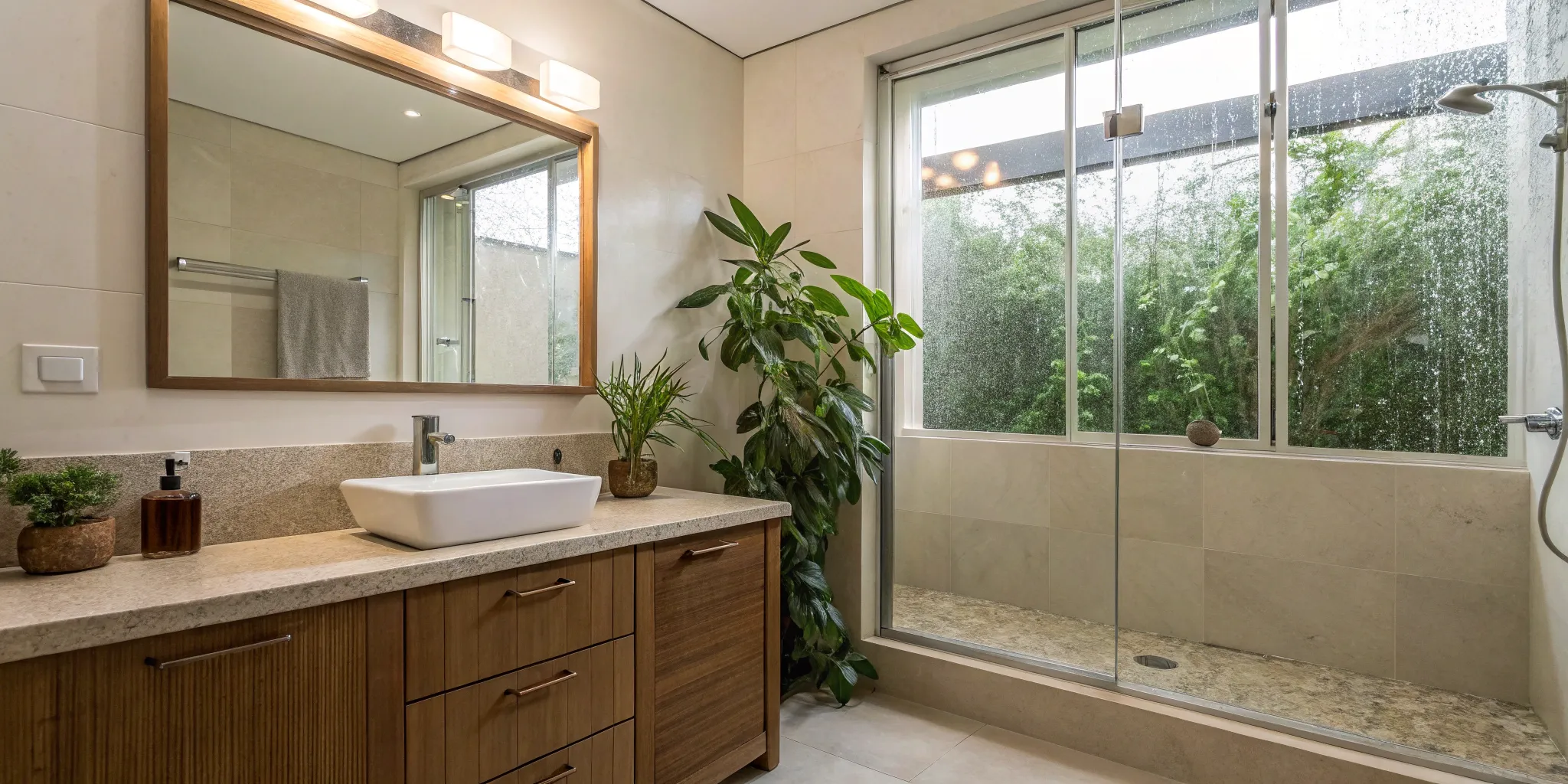
It’s the first question every homeowner asks, and for good reason. Before you even think about tile or dream about a new vanity, you want a straight answer on cost. Searching online for a ‘small bathroom renovation cost’ can leave you with a dizzying range of numbers that don’t tell the whole story. The truth is, a remodel in San Diego is a different ballgame than one in a lower-cost area. Those national averages often reflect simple cosmetic updates or DIY projects, not a comprehensive renovation with a professional team. This guide is here to cut through the noise and give you a realistic look at what a beautiful, functional bathroom remodel actually costs in our city.
Key Takeaways
- Budget for San Diego, Not the Nation: National cost averages don’t account for local labor and material costs. A realistic budget for a professional San Diego remodel starts higher and should always include a 15-20% contingency fund for unexpected issues.
- Keep Your Layout to Maximize Your Budget: The most significant way to save is by working with your existing plumbing footprint. This frees up funds for high-impact upgrades you’ll see and use every day, like premium tile, modern fixtures, and better storage.
- Finalize Decisions Before Demolition Day: Changing your mind mid-project is the fastest way to increase costs and delay your timeline. A thorough design phase where every material is selected upfront protects your budget and ensures a smooth process from start to finish.
How Much Does a Small Bathroom Remodel Really Cost?
It’s the first question on every homeowner’s mind, and for good reason. You want to know what to expect before you start picking out tile or dreaming about a new vanity. While online cost calculators can give you a general idea, the truth is that a bathroom remodel isn’t a one-size-fits-all purchase. The final price tag depends heavily on where you live, the scope of your project, and the materials you choose.
Think of it like buying a car—a basic model will get you from A to B, but premium features, a powerful engine, and custom finishes will change the price significantly. Your bathroom is no different. A simple refresh is one thing, but a full-scale transformation that reworks the layout and upgrades every surface is another. Here in San Diego, costs can vary quite a bit from the national numbers you see online. Let’s break down what those figures mean and what really goes into the cost of a beautiful, functional bathroom remodel.
A Look at National Averages
When you search for small bathroom remodel costs, you’ll often see a wide range. National reports typically place the cost somewhere between $3,000 and $12,000, with an average of around $9,000. While this is a helpful starting point, it’s important to understand what these numbers represent. They often include a mix of DIY projects, simple cosmetic updates, and remodels in areas with a much lower cost of living than Southern California.
These averages can be misleading for San Diego homeowners planning a comprehensive renovation with a professional team. They don’t always account for the cost of skilled labor, quality materials, or the complexities of local building codes. So, use these figures as a baseline, but know that they are just one piece of the puzzle.
How San Diego Prices Compare
In a high-value market like San Diego, remodeling costs are naturally higher. Much like in other major California cities, the investment required for a quality renovation reflects higher labor rates and the overall cost of doing business. While a basic refresh in a rural area might fall into that lower national average, a mid-range small bathroom remodel in San Diego can easily start at $15,000 or more, especially for a full tear-out.
This isn’t meant to be sticker shock; it’s about setting realistic expectations. A higher budget here accounts for licensed and insured craftspeople, premium materials that stand the test of time, and the project management needed to bring it all together seamlessly. It’s an investment in your home’s value and your daily comfort.
What Influences the Final Price Tag?
So, what are the key factors that shape your budget? It really comes down to three main things: scope, materials, and labor. A simple cosmetic update—like painting, swapping a vanity, and changing fixtures—will cost far less than a full gut remodel where we’re moving plumbing lines and reconfiguring the layout.
Your material choices also play a huge role. Builder-grade ceramic tile is more budget-friendly than custom-laid marble, and a stock vanity will be less than a custom-built piece. Finally, labor is a significant part of the equation, often making up 30% to 50% of the total project cost. Our integrated design-build process helps you balance these variables to create a plan that aligns your vision with your budget from day one.
What Drives Your Small Bathroom Remodel Budget?
The final price tag on your small bathroom remodel isn’t just one number—it’s a combination of several key factors. Understanding what these are from the start helps you set a realistic budget and make smart decisions about where to spend and where to save. From the complexity of the job to the materials you fall in love with, every choice has an impact. Let’s break down the four biggest drivers of your project’s cost.
The Scope: Layout Changes vs. Cosmetic Updates
The single biggest factor influencing your budget is the scope of your project. Are you planning a simple cosmetic refresh or a full-scale reconfiguration? A cosmetic update involves replacing fixtures, tile, and vanities while keeping the existing layout—meaning the toilet, shower, and sink stay right where they are. This is the most cost-effective approach.
A full remodel, on the other hand, involves changing the bathroom’s footprint. Moving walls or relocating plumbing to install a larger shower or a double vanity is a more complex and expensive job. While it offers total transformation, the added labor for plumbing, electrical, and framing will significantly increase the final cost of your bathroom remodeling project.
Your Choice of Materials and Finishes
This is where your personal style really shines through—and where you have the most control over your budget. The materials you choose for your floors, walls, countertops, and fixtures can cause the total cost to swing dramatically. For example, classic ceramic tile is a beautiful and budget-friendly option, while imported natural stone or intricate mosaic tiles will command a higher price. The same goes for a stock vanity from a big-box store versus a custom-built piece designed for your space.
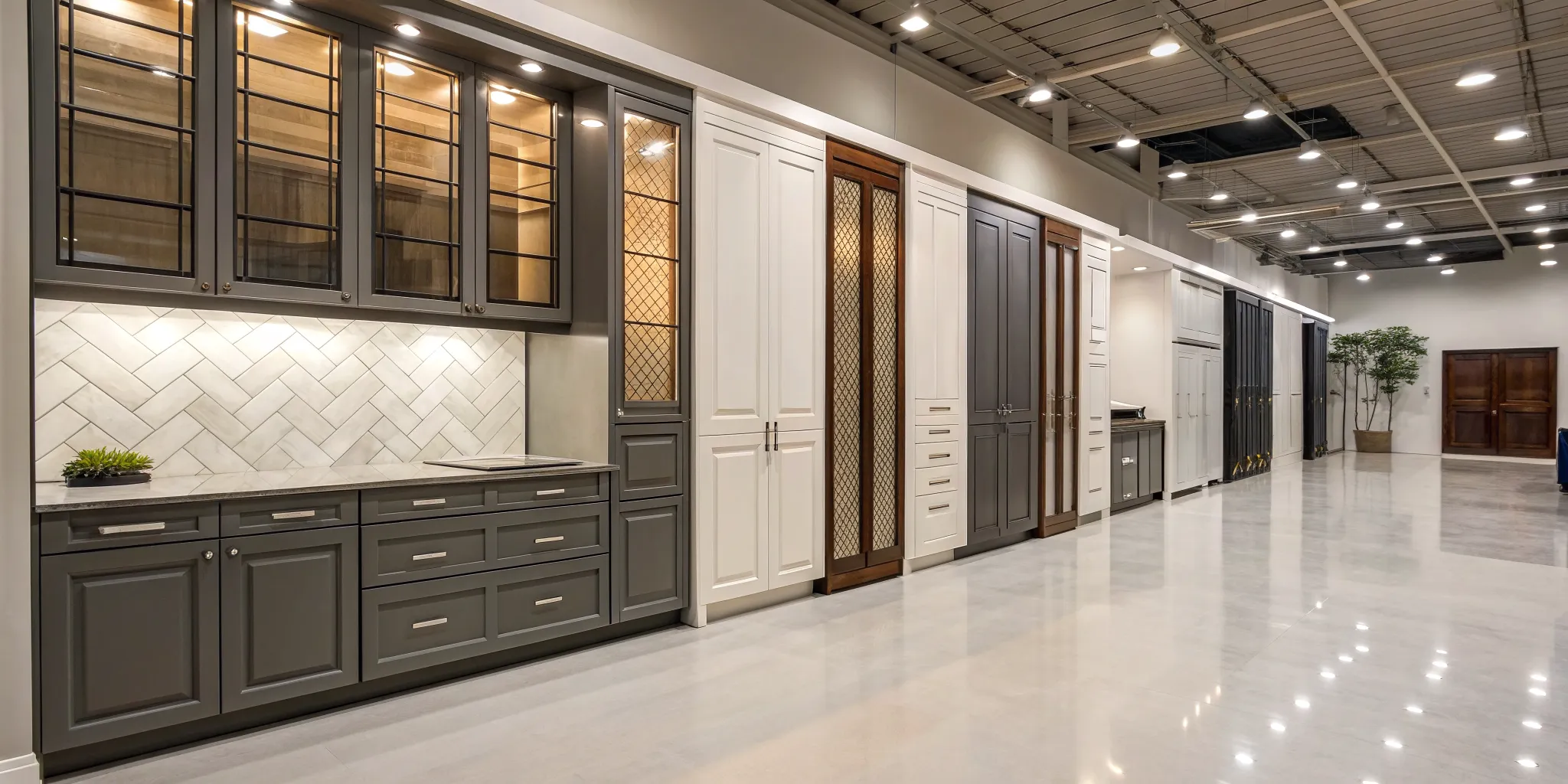
Visiting a showroom is the best way to see, touch, and compare options side-by-side. At our San Diego Design Center, our designers can help you find materials that fit both your aesthetic and your budget, ensuring you don’t have to compromise on quality.
The Cost of Professional Craftsmanship
Labor is a significant part of any remodel budget, often accounting for nearly half of the total cost. While it might be tempting to cut corners by hiring the cheapest contractor, quality craftsmanship is an investment that pays off for years to come. Experienced, licensed, and insured professionals may have higher rates, but they ensure the job is done correctly, safely, and to code.
This cost covers the expertise of everyone from the tile setter to the plumber and electrician. A well-managed team works efficiently, protects your home from dust and damage, and delivers a polished final result. Following a clear, established remodeling process prevents costly mistakes and delays, saving you stress and money in the long run.
Behind the Walls: Plumbing and Electrical Work
Some of the most critical—and potentially costly—work happens where you can’t see it. If you live in an older San Diego home, your project may require updating old plumbing pipes or rewiring electrical circuits to meet current safety standards. Even simple projects often require permits for any changes to the plumbing or electrical systems.
These updates are not optional; they’re essential for the safety and function of your new bathroom. Adding new features like a heated floor, recessed lighting, or an exhaust fan will also add to the labor and material costs in this category. A thorough initial inspection by your contractor should identify any necessary upgrades so you can account for them in your budget from the start.
How to Break Down Your Remodel Budget
Once you have a total number in mind, the next step is to see how it gets distributed. A professional quote from a design-build firm will break everything down for you, but it’s helpful to understand where the money typically goes. Think of your budget in terms of major categories rather than one lump sum. This approach helps you see which areas have the biggest impact on the final cost and where you might have some flexibility.
For a small bathroom, the budget is a careful balance between functional necessities and design choices. Key categories include the fixtures and hardware that you’ll interact with every day, the tile and flooring that set the room’s tone, the vanity that serves as a focal point, and the often-overlooked lighting and ventilation systems that make the space truly comfortable. Understanding these components helps you make informed decisions and prioritize what matters most to you, ensuring your investment creates a space you’ll love for years to come.
Fixtures and Hardware
This category covers all the functional touchpoints in your bathroom—think faucets, showerheads, the toilet, and the sink. It also includes the finishing touches like towel bars, drawer pulls, and robe hooks. These items are often called the “jewelry” of the bathroom because they can add a significant style statement. Costs can vary widely depending on the brand, material, and finish you choose. For example, a basic chrome faucet will be much more affordable than a designer fixture in a specialty finish like matte black or brushed brass. This is a great area to either save or splurge to achieve your desired look within your bathroom remodeling budget.
Flooring and Tile
Flooring and tile are foundational to your bathroom’s design and durability. This part of your budget covers the materials for the floor, shower walls, and any decorative backsplashes. Porcelain and ceramic tiles are popular, durable, and water-resistant choices, while natural stone like marble can create a more luxurious feel at a higher price point. The cost is usually calculated per square foot and can range from around $115 to over $300, depending on the material’s quality and complexity of the installation. When selecting flooring and surfaces, it’s crucial to choose materials designed to withstand a wet environment.
Vanities and Storage
The vanity is often the centerpiece of a small bathroom, serving as both a style statement and a critical storage solution. Costs for vanities can start around $5,000 for semi-custom options and go well beyond $25,000 for fully custom pieces with premium countertops and integrated sinks. The price depends on size, material (solid wood vs. MDF), and whether it’s a stock item or custom-built. In a small space, maximizing storage is key to keeping countertops clear and the room feeling organized. Visiting a design showroom can help you explore different vanity styles and find one that fits your functional needs and aesthetic goals.
Lighting and Ventilation
Great lighting and proper ventilation are non-negotiable for a functional bathroom, but they’re often an afterthought in budgeting. Your plan should include layered lighting—ambient (overhead), task (at the vanity), and maybe even accent lighting. More importantly, a high-quality, quiet exhaust fan is essential to manage moisture, prevent mold and mildew, and protect your investment. Skimping on ventilation can lead to costly moisture-related damage down the road. Factoring these functional elements into your budget from the start is a core part of a well-managed remodeling process that ensures your new bathroom is as healthy as it is beautiful.
Smart Ways to Save on Your Bathroom Remodel
A beautiful bathroom remodel doesn’t have to drain your savings. With some smart planning and strategic choices, you can create a space that feels luxurious and personal while respecting your budget. The key isn’t about cutting corners or settling for lower quality; it’s about being intentional with where you invest your money. A great design can maximize your budget by focusing on high-impact changes that deliver the most value. From working with your current layout to mixing materials like a pro, there are plenty of ways to get the bathroom of your dreams without overspending. We’ll walk through some of the most effective strategies our design team uses to help San Diego homeowners achieve stunning results on a realistic budget. These tips will help you make informed decisions, so you can feel confident and in control of your project from start to finish.
Work with Your Existing Plumbing Layout
One of the most significant ways to keep your budget in check is to work with your bathroom’s existing footprint. Moving toilets, showers, or sinks involves re-routing plumbing and electrical lines within walls and floors, which can quickly add thousands to your labor costs. Instead of a complete overhaul, think of it as a high-impact refresh. You can still achieve a dramatic bathroom remodeling transformation by updating everything within the current layout. A new vanity, modern fixtures, beautiful tile, and thoughtful lighting can make the space feel entirely new without the expense and complexity of moving the core components. This approach allows you to allocate more of your budget toward the finishes and features you’ll see and touch every day.
Mix High-End and Budget-Friendly Materials
This is where you can really have fun and let your personality shine. You don’t need every single finish to be a top-of-the-line splurge. The secret to a high-end look on a budget is to mix materials strategically. In a smaller bathroom, a little bit of a luxury material can go a long way. Consider splurging on a stunning mosaic tile for a shower niche or a backsplash behind the vanity, then pair it with a more affordable, classic subway tile for the main shower walls. Or, invest in a statement-making faucet and pair it with a more standard vanity. Visiting a design showroom can be incredibly helpful here, allowing you to see and feel how different materials work together to create a balanced, beautiful palette.
Choose Beautiful In-Stock Options
Custom-ordered materials often come with premium price tags and long lead times, which can stall your project and inflate costs. Opting for in-stock or locally available options is a fantastic way to save money and keep your remodel on schedule. This doesn’t mean you have to compromise on style. We curate a wide selection of high-quality, on-trend tile, flooring, and countertops that are readily available. Another great cost-saving measure is to consider refinishing instead of replacing certain items. If you have a classic cast-iron tub that’s in good shape, reglazing it can restore its original beauty for a fraction of the cost of a brand-new tub and the associated demolition and installation.
Know When to DIY (and When to Hire a Pro)
If you’re handy, taking on a few tasks yourself can certainly save on labor costs. Things like light demolition (carefully!), painting the walls, or even installing a new vanity or light fixture can be manageable weekend projects. However, it’s crucial to know your limits. Anything involving plumbing, electrical work, or complex tile setting is best left to licensed and insured professionals. A small mistake in these areas can lead to major problems like leaks or safety hazards—costing you far more to fix than it would have to hire a pro in the first place. A design-build team handles all the technical aspects of our process, ensuring everything is done to code and built to last, giving you total peace of mind.
Costly Bathroom Remodel Mistakes to Avoid
A bathroom remodel is an exciting investment in your home, but a few common missteps can quickly turn your dream project into a source of stress. The good news is that with a little foresight, you can sidestep the most frequent and expensive errors. Planning ahead not only protects your budget but also ensures you end up with a beautiful, functional bathroom that you’ll love for years. Let’s walk through the key mistakes to watch out for so your renovation goes smoothly from start to finish.
Forgetting About Permits and Hidden Costs
It’s easy to assume that permits are only for major home additions, but that’s not always the case. Even a seemingly simple bathroom remodel often requires permits for any electrical, plumbing, or framing work. Moving a toilet, adding a new circuit for a heated floor, or changing a wall all fall into this category. Failing to secure the right permits can lead to fines, project delays, and trouble when you eventually sell your home. A reputable contractor will handle the permitting process for you, but it’s a real cost that needs to be factored into your initial budget.
Not Planning for Enough Storage
One of the biggest regrets homeowners have after a remodel is underestimating their storage needs. A pedestal sink might look chic, but where will you keep your extra towels, cleaning supplies, and toiletries? A cluttered countertop can instantly make a brand-new bathroom feel messy and cramped. Think through your daily routine and plan for smart storage solutions from the start. Options like recessed medicine cabinets, vanities with deep drawers instead of cabinets, and built-in shower niches can make a world of difference in keeping your space organized and serene.
Skipping the Professional Design Phase
Jumping straight to picking out tile and fixtures without a solid plan is a recipe for disappointment. A successful bathroom remodel is about more than just aesthetics; it’s about creating a space that functions perfectly for your lifestyle. A professional designer helps you think through the layout, workflow, and ergonomics—not just how the room looks. They can help you maximize every square inch of a small space and ensure the final design is both beautiful and practical. Investing in our process upfront saves you from costly changes and ensures the end result truly meets your needs.
Using the Wrong Materials for a Wet Space
Your bathroom is the wettest room in your house, and your material choices need to reflect that. Opting for materials that aren’t suited for high-moisture environments can lead to water damage, mold, and expensive repairs down the road. For example, certain types of hardwood or porous natural stone may not be the best choice for a bathroom floor. The National Kitchen and Bath Association (NKBA) advises using durable, moisture-resistant materials. Getting expert guidance at a design showroom can help you select beautiful products—from tile to vanities—that are built to last in a humid space.
Changing Your Mind Mid-Project
It’s one thing to swap a faucet before it’s ordered, but it’s another to decide you want to move a wall after the drywall is up. Changes made after construction has started are one of the fastest ways to inflate your budget and extend your timeline. A single change can create a domino effect, impacting plumbing, electrical, tile work, and labor schedules. This is why a detailed design and planning phase is so critical. Finalizing every decision—from the grout color to the placement of light switches—before the first hammer swings helps keep your project on track and on budget.
How to Plan and Manage Your Budget Like a Pro
A successful bathroom remodel isn’t just about beautiful tile and a new vanity—it’s about finishing the project on time and on budget. With a clear plan, you can feel confident and in control from start to finish. It all comes down to setting clear expectations, asking the right questions, and working with a team you trust. Here’s how you can manage your project’s finances like a seasoned pro.
Set a Realistic Budget (Plus a 15-20% Cushion)
One of the most common mistakes homeowners make is underestimating the total cost of their remodel. To avoid this, it’s essential to set a realistic budget that includes a cushion of 15-20% for unexpected expenses. Think of this as your project’s safety net. It’s there to cover surprises that can pop up once demolition begins, like finding old plumbing that needs updating or discovering hidden water damage. Having this contingency fund in place from the start prevents stressful last-minute decisions and ensures you can handle any curveballs without derailing your project.
Get Detailed Quotes from Vetted Contractors
Getting a few quotes is a smart way to understand the market rate for your project. But not all quotes are created equal. Instead of a one-line estimate, look for a detailed, itemized proposal that clearly explains what you’re paying for. A thorough quote should break down the costs for labor, materials, permits, and any allowances for fixtures or finishes. This transparency helps you compare apples to apples and find a contractor who aligns with your budget and vision. When you’re ready, you can request a consultation to get a clear, comprehensive proposal for your San Diego bathroom.
Partner with a Design-Build Team
For a full remodel, partnering with a design-build team can make the entire process smoother and more efficient. Instead of you having to coordinate between a designer, a materials supplier, and a construction crew, a design-build firm brings everyone under one roof. This integrated approach ensures your project is designed with your budget in mind from day one. Our end-to-end process means our designers and builders work together, ensuring safety, beautiful results, and a better return on your investment while keeping costs predictable.
Map Your Timeline to Manage Costs
Time is money, especially in remodeling. A detailed project timeline is one of your best tools for keeping your budget on track. Delays—whether from waiting on permits, backordered materials, or scheduling conflicts with tradespeople—can quickly lead to increased labor costs. A professional remodeler will map out every phase of the project, from demolition to the final walkthrough, ensuring everything happens in the right sequence. This careful planning helps you manage costs effectively and gives you a clear picture of when your beautiful new bathroom will be ready to enjoy.
Related Articles
- Using a Small Bathroom Remodel Cost Calculator
- How to Remodel Your Bathroom on a Budget – King Remodeling
- Realistic Cost to Remodel a Small Bathroom: How Much Is It?
- What Impacts the Cost of a Bathroom Remodel? – King Remodeling
- Top 5 Bathroom Design & Build Firms in San Diego
Frequently Asked Questions
Why is a San Diego bathroom remodel so much more expensive than the national averages I see online? Those national averages you find online often blend data from all over the country, including areas with much lower labor costs and a different standard of construction. They also tend to include simple DIY projects and cosmetic refreshes. Here in San Diego, a professional remodel accounts for the cost of licensed, insured craftspeople, high-quality materials built to last, and the project management required to ensure everything is done to code. It’s less about an inflated price and more about an investment in quality and peace of mind for your home.
What’s the single biggest mistake I can make when setting my budget? The most common pitfall is not building in a contingency fund. It’s tempting to allocate every dollar to the finishes you can see, but it’s wise to set aside an extra 15-20% for the unexpected. In older homes especially, we might open a wall and discover old plumbing or wiring that needs to be brought up to code. Having that cushion means a surprise won’t derail your project or force you to compromise on the features you really want.
Can I still get a high-end look if I don’t have a massive budget? Absolutely. A luxurious-feeling bathroom is all about smart, strategic design, not just expensive materials. The key is to mix high-impact splurges with more cost-effective classics. For instance, you could invest in a stunning, handcrafted tile for a small feature wall or shower niche and pair it with a beautiful but more affordable tile for the rest of the space. A good designer can help you identify where to invest for the biggest visual impact, creating a balanced and beautiful result that looks more expensive than it is.
How does working with a design-build firm actually help control costs? It might seem like a bigger investment upfront, but a design-build team saves you money by preventing costly mistakes and delays. Because our design and construction teams work together from day one, your bathroom is designed with a realistic budget in mind from the start. This integrated process eliminates the communication gaps that often happen when you’re juggling a separate designer and contractor, ensuring your project stays on schedule and avoids the expensive change orders that can blow a budget.
What’s the best first step to get a real cost estimate for my bathroom? While online calculators are a decent starting point, the only way to get a truly accurate number for your specific project is to have a professional see the space. The best first step is to schedule an in-home consultation. This allows an expert to assess the existing conditions, understand your goals, take measurements, and discuss material options. From there, you can get a detailed, itemized proposal that breaks down every aspect of the cost, giving you a clear and reliable roadmap for your project.