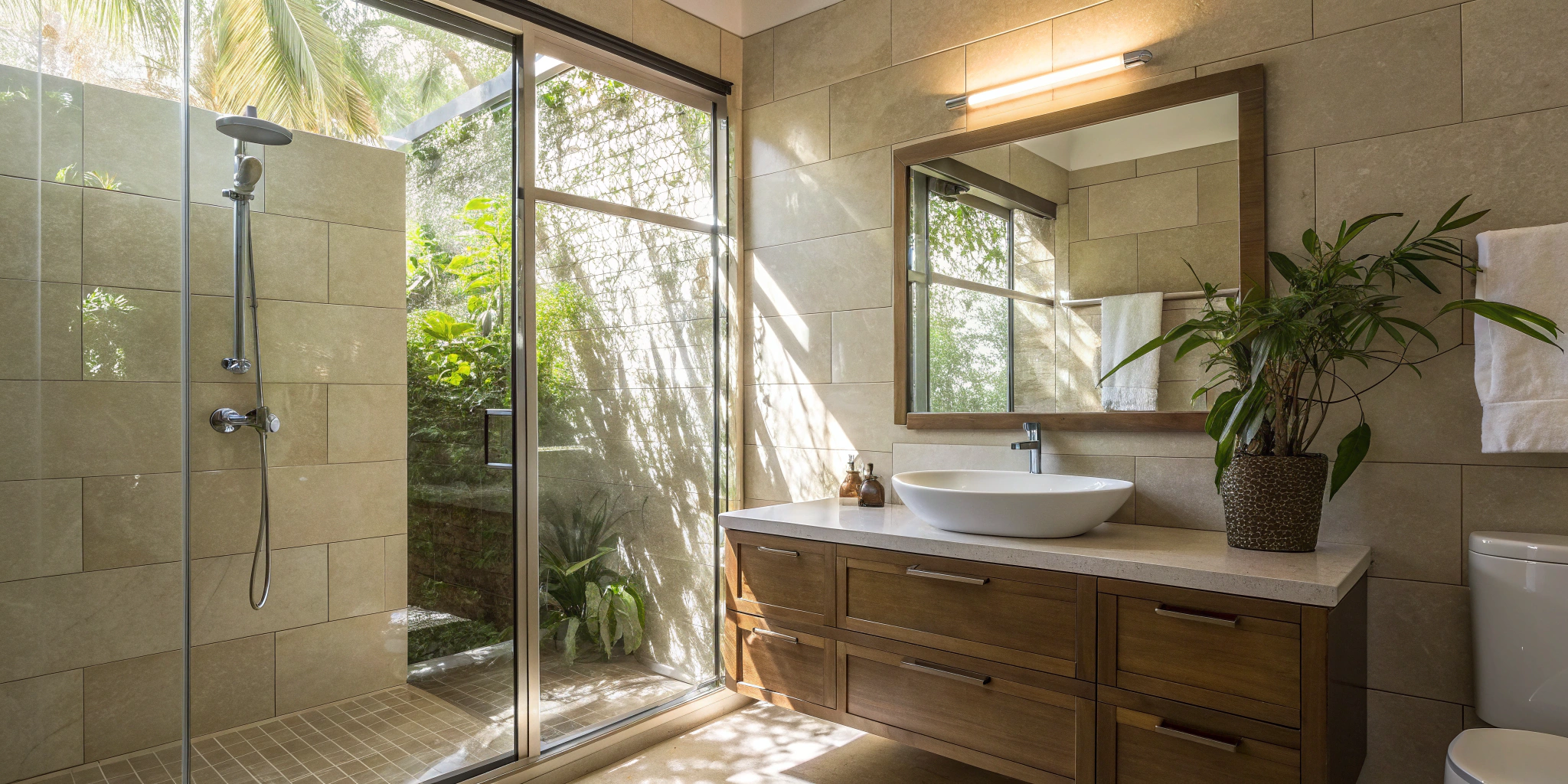
Many people believe that a small shower is something you just have to live with, a purely functional corner with no room for style. But that’s simply not true. With the right approach, a compact shower can become the beautiful, spa-like centerpiece of your bathroom. A quick look at modern small bathroom remodel photos with shower proves that clever design can easily overcome a lack of square footage. The secret lies in using specific materials, layouts, and lighting techniques that trick the eye and create a feeling of openness. Here, we’ll explore those exact strategies to help you plan a remodel you’ll love.
Key Takeaways
- Use Light and Glass to Make Your Shower Feel Bigger: Combine a bright color palette, large-format tiles, and a frameless glass enclosure to reflect light and remove visual barriers, creating an open, airy space.
- Integrate Storage Directly into the Walls: Keep your shower organized and clutter-free by planning for built-in solutions like recessed niches and corner shelves, which add function without taking up valuable elbow room.
- Address Plumbing and Moisture Early in the Plan: A successful small remodel depends on a smart strategy for ventilation and existing plumbing. Addressing these technical challenges from the start ensures a safe, beautiful, and lasting result.
How to Plan a Small Shower Remodel That Works
A small shower doesn’t have to feel like a compromise. With the right plan, even the most compact space can become a functional, beautiful retreat that adds value to your home and your daily routine. The key is to think strategically about every single element—from the layout and materials to the lighting and fixtures. A successful small bathroom remodel hinges on smart design choices that create a sense of openness and flow, turning limitations into design opportunities.
Before you start picking out tile or comparing showerheads, it’s helpful to take a step back and focus on the big picture. How can you make the shower feel integrated with the rest of the bathroom? What are your non-negotiables for function and storage? Answering these questions first will help you and your design team create a space that not only looks bigger but also works better for your daily life. Thoughtful planning is what transforms a cramped corner into a personal oasis, and it ensures the final result is a space you’ll love for years to come.
Core Principles for Small Space Design
When you’re working with limited square footage, the main goal is to trick the eye into seeing more space than is actually there. Simple design strategies are your best friend here. Using light and bright colors on the walls and floors immediately makes a room feel more open and airy because they reflect light. Pairing a light color palette with glass features, like a seamless shower door, allows that light to travel freely and eliminates the hard visual barriers that can make a space feel boxed in. This approach helps create that serene, spa-inspired feel that’s so popular, turning your small shower into a place of calm and relaxation.
Planning Your Layout for More Space
The layout is where you can really get creative to maximize every inch. Storage is often the biggest challenge in a small bathroom, but a well-planned design can solve that without adding clutter. Think about incorporating a recessed niche into the shower wall for shampoos and soaps—it gives you essential storage without taking up any elbow room. Another game-changer is a frameless glass shower enclosure. By removing the bulky metal frame, you create an uninterrupted sightline that makes the entire bathroom feel larger and more cohesive. This is a core part of our process, where we map out a layout that balances your needs with the room’s potential.
Smart Ways to Maximize Shower Space
When you’re working with a small bathroom, every design choice matters. The right shower strategy can completely transform the feel of your space, making it seem larger, brighter, and more functional without moving a single wall. It’s all about using smart layouts and materials to create an illusion of openness. Here are a few proven ways to get the most out of your shower area.
Consider a Walk-In or Doorless Shower
Removing the traditional shower door is one of the most effective ways to open up a compact bathroom. A walk-in shower creates a seamless transition from the rest of the room, which can make a small space feel bigger and more stylish. By extending the bathroom flooring directly into the shower stall—with proper grading for drainage, of course—you eliminate the visual barrier of a curb. This not only creates a clean, modern aesthetic but also improves accessibility. It’s a practical and beautiful solution that we often recommend in our bathroom remodeling projects for San Diego homeowners looking to maximize their space.
Use Corners and Alcoves to Your Advantage
Look around your bathroom—do you have an awkward corner or a small nook? That’s valuable real estate. Instead of letting it go to waste, you can tuck a shower into it. Alcove showers, which are built into a three-walled recess, are a classic space-saver. Corner showers are another brilliant option, using two existing walls as part of the enclosure. A model with a curved glass door can free up even more floor space than a square design. A thoughtful design process helps identify these opportunities, turning a structural quirk into a functional and stylish feature of your new bathroom.
Create an Open Feel with Glass Enclosures
If a completely doorless shower isn’t the right fit, a frameless glass enclosure is the next best thing. Glass shower walls without bulky metal frames allow your eye to travel through the space without interruption, making the whole room feel bigger and brighter. This transparency lets light flow freely, which is essential for preventing a small bathroom from feeling dark and cramped. You get the function of an enclosure without the visual weight. Visiting a design showroom can help you see and feel the difference between framed and frameless options and choose the hardware that best fits your style.
What Materials and Colors Make a Small Shower Look Bigger?
Choosing the right materials and colors is one of the most effective ways to make a small shower feel spacious and open. It’s all about visual strategy—using surfaces that reflect light, create clean lines, and reduce visual clutter. When every element works together, even the most compact shower can feel bright, airy, and comfortable. The goal is to trick the eye into seeing a larger, more cohesive space than what the tape measure might say.
Think of your shower walls and floor as a canvas. Light colors expand a room, while large-format tiles create an uninterrupted surface that feels more expansive. Finishes also play a key role; glossy or polished surfaces bounce light around, adding brightness and a sense of depth. By combining these elements, you can transform a cramped shower into a personal retreat that feels anything but small. Seeing these materials in person at our San Diego showroom can help you visualize how they’ll work together to open up your space.
Choose Light Colors and Natural Tones
The fastest way to make any space feel bigger is to use a light color palette. Bright and neutral tones are your best friends in a small shower. Colors like crisp white, soft gray, cream, and even pale pastels are excellent at reflecting light, which instantly makes the area feel more open and less confined. A dark, moody tile might be beautiful, but in a tight space, it can absorb light and make the walls feel like they’re closing in.
For a truly seamless look, consider carrying the same light-colored tile from the shower floor up to the ceiling. This creates an unbroken vertical line that draws the eye upward, giving the illusion of height. You can see how we’ve used this technique in some of our past bathroom remodeling projects.
Use Large Tiles for a Seamless Look
It might seem counterintuitive, but large tiles are often a better choice for small showers than small tiles. The reason comes down to grout lines. A wall covered in tiny mosaic tiles has a busy, grid-like pattern that can visually shrink a space. By opting for larger tiles—think 12×24 inches or even bigger—you dramatically reduce the number of grout lines. This creates a cleaner, more continuous surface that makes the shower feel more expansive.
To enhance this effect, choose a grout color that closely matches the tile. This helps the grout lines blend in, creating a smooth, uniform appearance that doesn’t chop up the walls. Our designers can help you explore different tile and surface options to find the perfect large-format style for your bathroom.
Add Reflective and Glossy Finishes
Surfaces that reflect light are essential for maximizing a small shower’s sense of space. Glossy or polished tiles are a great start, as their sheen helps bounce light around the enclosure. Polished metal fixtures, like a chrome or polished nickel showerhead and handle, also add little pops of brightness that contribute to an open, airy feeling.
The most impactful reflective surface you can add is a frameless glass enclosure. Unlike a shower curtain or a framed door that creates a hard visual barrier, a clear glass panel allows your eye to travel through the shower to the wall beyond. This makes the shower feel like a part of the greater bathroom, not a separate, boxed-in cubicle. This simple change is a cornerstone of modern bathroom design for a reason—it works wonders.
How to Add Storage to a Small Shower
A small shower can quickly feel cluttered with shampoo bottles, soap bars, and razors lining the floor or a precarious ledge. While a store-bought caddy might seem like a quick fix, it often adds visual noise and can be tough to keep clean. The best storage solutions are the ones that feel like a natural part of your bathroom’s design—sleek, intentional, and incredibly functional. A thoughtful bathroom remodel is the perfect opportunity to build in storage that not only organizes your essentials but also enhances the beauty of your space. By planning ahead, you can create a shower that feels both serene and practical, no matter its size. Let’s look at a few ways to integrate smart storage directly into your shower design.
Install Built-In Niches and Shelving
One of the most popular and elegant solutions for shower storage is the built-in niche. A shower niche is a recessed shelf built directly into the wall, giving you a designated spot for all your products without taking up any precious elbow room. It’s a clean, seamless look that keeps everything organized and off the floor. You can customize a niche to fit your needs perfectly—make it tall enough for pump bottles, add multiple shelves for different family members, or even run it vertically up the wall for a dramatic statement. Many homeowners choose to line their niche with a beautiful accent tile, turning a practical feature into a stunning design element. You can see great examples of this in our featured projects.
Think Vertically with Corner Storage
Corners are often overlooked, but in a small shower, they represent valuable real estate. Instead of letting that space go to waste, you can use it for vertical storage. Built-in corner shelves, crafted from the same tile or stone as your shower walls, offer a sturdy and stylish place to store your essentials. They blend right in while keeping everything within easy reach. This strategy works especially well in neo-angle showers, which are already designed to fit neatly into a corner. Adding a few tiered shelves or even a small corner bench that can double as a storage ledge makes the layout even more efficient and keeps the main standing area feeling open and uncluttered.
Select Smart, Space-Saving Fixtures
Your storage strategy doesn’t have to stop at shelves. The fixtures you choose can also play a big role in keeping your small bathroom feeling organized and spacious. Think about multi-functional hardware, like a showerhead with a built-in shelf or a grab bar that doubles as storage. Wall-mounted soap and shampoo dispensers can eliminate bottle clutter entirely. Outside the shower, a floating vanity can make the entire room feel larger while still providing storage. Choosing the right fixtures is about finding clever ways to add function without adding bulk. Visiting a showroom can help you explore these space-saving options and find the perfect fit for your design.
Using Light to Open Up Your Small Shower
Good lighting is one of the most effective tools for making a small space feel bigger, and your shower is no exception. The right lighting strategy can erase shadows, highlight beautiful tilework, and create an open, airy atmosphere that feels anything but cramped. It’s about more than just installing a brighter bulb; it’s about thoughtfully combining different light sources to make the space both functional and inviting.
When planning a bathroom remodel, thinking about your lighting early in the process is key. A well-lit shower not only looks better but also feels safer and more comfortable to use every day. By layering natural and artificial light, you can completely transform the perception of your shower’s size, turning a tight corner into a bright, welcoming retreat. Simple design strategies that prioritize light can make even the most compact shower feel open and modern.
Let in More Natural Light
Nothing opens up a space quite like natural light. If your bathroom layout allows for it, adding a window or a skylight can flood your shower with sunlight, instantly making it feel larger and more connected to the outdoors. For privacy, you can opt for frosted or textured glass that diffuses light beautifully without sacrificing seclusion. If an exterior window isn’t an option, focus on letting light travel into the shower from the main bathroom area. A frameless glass enclosure is perfect for this, as it creates an unobstructed view and allows light to flow freely. This simple switch from a shower curtain to a clear glass panel can make a world of difference.
Layer Your Lighting for Mood and Function
A single overhead fixture often casts shadows and creates a dim, cave-like feeling in a small shower. The solution is to layer your lighting. A great lighting plan includes multiple sources that work together to illuminate the space evenly. Think about installing waterproof recessed lights inside the shower ceiling to eliminate dark corners and make the space feel bright and luxurious. Combining this with a backlit mirror or stylish sconces at the vanity ensures the entire room is well-lit. Adding dimmers gives you complete control, allowing you to set a bright, energizing mood for your morning routine or a soft, relaxing ambiance for an evening wind-down. Our designers can help you map out a layered lighting plan during our process.
Pick Safe, Waterproof Fixtures
Safety is the top priority when choosing light fixtures for a wet environment like a shower. Any lighting installed inside the shower must be specifically rated for wet locations. These waterproof fixtures are sealed to protect against moisture and steam, preventing electrical hazards. Fortunately, you don’t have to sacrifice style for safety. There are countless sleek, modern, and low-profile LED options that provide excellent illumination without cluttering the space. When you visit our San Diego showroom, you can explore a curated selection of beautiful, wet-rated fixtures that are perfect for creating a safe and stylish shower. This is one area where working with professionals ensures everything is installed correctly and up to code.
Get Inspired: Small Shower Remodel Ideas
Sometimes, the hardest part of a remodel is just deciding on a direction. Seeing how others have transformed their compact bathrooms can spark ideas you might not have considered. Whether your style is modern and minimal or warm and classic, there’s a perfect design for your small shower. The key is to find a look that feels like you while making the most of every square inch. Below are a few popular design approaches we see homeowners in San Diego fall in love with. Take a look at our featured projects to see even more examples of how a small space can have a big impact.
Minimalist, Spa-Inspired Showers
Many San Diego homeowners are turning their bathrooms into personal wellness retreats, and a spa-inspired shower is the perfect centerpiece. This style is all about creating a serene, uncluttered environment. Think clean lines, natural textures like stone or wood-look tile, and a simple color palette. Features like a rainfall showerhead, a built-in bench, and a sleek, wall-mounted niche for toiletries complete the look. The goal is to design a space that feels calm and restorative, proving you don’t need a massive footprint to create your own private oasis. It’s a popular bathroom remodeling trend that focuses on quality materials and thoughtful simplicity.
Modern Showers with Frameless Glass
If you want to make your small bathroom feel instantly larger and more open, a frameless glass enclosure is one of the most effective upgrades you can make. By removing the bulky metal frames found on traditional shower doors, you create an uninterrupted sightline that lets light flow through the entire room. This modern, sleek look is one of the most requested features in San Diego remodels because it visually expands the space without adding a single square foot. It’s a clean, sophisticated choice that highlights your tile work and fixtures, turning your shower into a true focal point.
Smart Corner Shower Designs
A corner shower doesn’t have to feel cramped or like an afterthought. With the right design, it can be a stylish and efficient solution for a tight layout. Neo-angle showers with glass doors can soften the corners of a room, improving flow and saving space. Using light-colored tiles and a clear glass enclosure prevents the corner from feeling dark and closed-in. We often recommend running tile all the way to the ceiling to draw the eye upward, creating an illusion of height. Smart design strategies can transform an awkward corner into a functional and beautiful feature of your bathroom.
Classic Designs for Compact Spaces
Trends come and go, but a classic design is forever. For a small shower, this means choosing timeless materials and fixtures that balance elegance with practicality. Think white subway tile, polished chrome or nickel fixtures, and a simple mosaic tile on the floor for texture and grip. This approach creates a bright, clean look that won’t feel dated in a few years. The beauty of a classic design is its versatility—it serves as a neutral backdrop that you can easily update with new towels and accessories. Visiting a showroom can help you see and touch these timeless materials to find the perfect combination for your space.
Common Challenges in a Small Bathroom Remodel
Remodeling a small bathroom is a fantastic way to add value and daily enjoyment to your home, but it comes with its own unique set of puzzles. Because every square inch matters, challenges that are minor in a larger space can become major hurdles. From managing moisture in a tight, steamy room to figuring out where the plumbing can realistically go, a successful project depends on smart planning and anticipating potential issues before they start.
The key is to approach these challenges with a clear strategy. Knowing what to look out for helps you make informed decisions, set a realistic budget, and create a functional, beautiful space that feels anything but small. An experienced design-build team can help you see around corners and find creative solutions, turning limitations into design opportunities. By addressing these common issues head-on, you can ensure your bathroom remodeling project runs smoothly from start to finish.
Managing Moisture and Ventilation
In a small bathroom, steam from a hot shower can fill the room in seconds, and without a clear escape route, that moisture can lead to big problems like mold, mildew, and peeling paint. Proper ventilation isn’t just a nice-to-have; it’s essential for protecting your investment and maintaining a healthy environment. A high-quality, properly sized exhaust fan is your first line of defense.
Beyond a good fan, professional waterproofing behind your shower walls and floor is critical. Cutting corners here can lead to hidden leaks and costly structural damage down the road. Choosing moisture-resistant materials like porcelain tile and quality paint with a satin or semi-gloss finish also helps keep humidity in check and makes the space easier to clean and maintain.
Working with Plumbing and Structural Limits
It’s tempting to dream up a completely new layout, but your bathroom’s existing plumbing and structural elements often have the final say. Moving a toilet, drain, or water lines can be complex and expensive, especially in a small footprint where pipes are tightly configured within walls and floors. Sometimes, what seems like a simple shift can require re-routing pipes through floor joists, which may not always be possible.
Understanding these limitations from the start is crucial. Certain tasks, particularly those involving plumbing and electrical work, require a professional to ensure everything is safe, up to code, and functions perfectly. Following a clear design and construction process helps identify these constraints early, allowing you to work with them to create the best possible layout without unexpected structural surprises.
How to Set Priorities and Manage Your Budget
When space is limited, so are your options. You have to make smart trade-offs to get the most out of your remodel. Do you prioritize a larger, more luxurious shower or a vanity with more counter space? Is a high-end statement tile more important than premium fixtures? Inadequate planning can quickly lead to wasted space and budget overruns, so it’s vital to define your must-haves before you begin.
Setting clear priorities helps guide every decision and keeps your budget on track. The best way to do this is to see and touch materials in person. Visiting a design showroom allows you to compare options, understand costs, and finalize your selections with confidence. This step helps you lock in pricing and create a detailed plan, preventing the kind of last-minute changes that can derail a project.
Popular Small Shower Design Trends in San Diego
Even with limited square footage, you can create a shower that feels spacious, luxurious, and perfectly suited to your style. Here in San Diego, we see homeowners gravitating toward designs that are bright, open, and functional. These trends focus on smart material choices and clever layouts to make the most of every inch, proving that a small shower can still be the star of your bathroom remodel. From seamless glass to spa-like tech, these popular ideas deliver major impact without needing a huge footprint.
Open Concepts and Frameless Glass
If there’s one trend that defines modern San Diego bathrooms, it’s the move toward open, airy spaces. A frameless glass shower enclosure is one of the best ways to achieve this. By removing the bulky metal frames and visual barriers of traditional shower doors, you create an uninterrupted sightline that makes the entire bathroom feel larger. It’s no surprise that local experts call the frameless glass shower one of the most requested upgrades. This design allows natural and artificial light to flow freely, brightening up the space and highlighting your beautiful tile work. It’s a clean, minimalist look that works with nearly any design style, from coastal modern to classic contemporary.
Accent Walls and Statement Tiles
A small shower is the perfect place to make a bold design statement without overwhelming the room. Instead of using the same tile throughout, consider creating an accent wall with a vibrant color, a unique pattern, or a rich texture. A wall of deep blue zellige tile or a geometric mosaic can serve as a stunning focal point. According to designers at Precision SD, simple strategies like this can make compact spaces feel modern and open. You can see and touch hundreds of these options at our San Diego showroom to find the perfect tile that adds personality and visual interest, turning your small shower into a custom piece of art.
Integrating Smart Technology
Creating a spa-like retreat at home is a major goal for many homeowners, and technology makes it possible even in a small shower. Smart features are no longer just for large, luxurious bathrooms. You can integrate digital shower controls that allow you to set the precise temperature and pressure with a single touch. Consider adding waterproof LED lighting with adjustable colors to set the mood or built-in Bluetooth speakers to listen to music or podcasts. As noted by local designers, integrating smart technology enhances both the functionality and the feeling of luxury. These thoughtful additions can transform your daily routine into a more personalized and relaxing experience.
Ready to Start Your Small Shower Remodel?
Feeling inspired and ready to move forward? A small shower remodel can completely transform your daily routine, delivering major results with the right design strategy and quality materials. But before you start picking out tile, it’s helpful to understand what the process looks like. Breaking the project down into clear steps makes it feel manageable and ensures you get the beautiful, functional space you want.
Understanding the Project Timeline
A successful remodel doesn’t happen overnight, but it also doesn’t have to be a drawn-out headache. The key is having a clear, step-by-step plan. Your project will generally move through a few key phases: initial design and space planning, material selection, demolition, and finally, construction and finishing touches. While the exact timeline depends on your project’s scope, working with a team that follows a predictable remodeling process ensures every detail is mapped out. This helps you know what to expect and when, keeping surprises to a minimum and the project on track from start to finish.
Why Work with a Design-Build Firm?
Juggling a designer, a contractor, and multiple material suppliers can be overwhelming. A design-build firm simplifies your bathroom remodeling project by bringing everyone under one roof. You get a single, dedicated team responsible for everything from the initial 3D renderings to the final fixture installation. This integrated approach ensures your design vision is executed perfectly, creating a harmonious balance between modern elegance and everyday practicality. It also means clearer communication, a more predictable budget, and a smoother experience, allowing you to enjoy the process instead of managing it.
A Note on Permits and Building Codes
It’s easy to assume a small project doesn’t need official approval, but many shower remodels do, especially if you’re moving plumbing, electrical, or walls. Navigating San Diego’s building codes and permit requirements can be complex, but it’s a critical step to ensure your new shower is safe, compliant, and built to last. An experienced design-build firm handles this for you. We know the local regulations inside and out, manage all the necessary paperwork, and coordinate inspections. This gives you peace of mind, knowing your project is done right and to the highest standard.
Related Articles
- 15 Small Bathroom Remodel Ideas for More Space
- How to Get a Quote for Bathtub to Shower Remodel
- 25+ Small Bathroom Ideas on a Budget
- Modern Bathroom Without Bathtub: A Complete Guide
Frequently Asked Questions
What are the biggest factors that affect the cost of a small shower remodel? The final cost depends on a few key things. The biggest drivers are whether you’re changing the layout—which involves moving plumbing—and the quality of the materials you choose. For example, custom tile work and high-end fixtures will cost more than standard options. Features like a built-in bench, a custom niche, or a frameless glass door also influence the price. We help you understand these trade-offs so you can invest in the areas that matter most to you.
How long does a small shower remodel typically take from start to finish? While every project is unique, a well-planned shower remodel follows a predictable path. The initial design and material selection phase can take a few weeks, as this is where we finalize every detail. Once the materials are ready and the work begins, the actual construction phase for a small shower can often be completed in one to three weeks. Having a single team manage the entire process helps keep everything on schedule and minimizes downtime.
I’m worried a walk-in shower will make my bathroom feel cold. Is that a common problem? That’s a valid concern, but it’s one that can be easily managed with smart design. A completely open shower can feel drafty if the bathroom’s ventilation isn’t right. We often solve this by installing a fixed glass panel to block drafts without closing off the space visually. Another great solution is adding radiant floor heating, which keeps the tile warm underfoot and adds a touch of luxury that makes the whole room feel more comfortable.
Do I really need a permit just to replace the tile in my shower? If you’re only doing a direct cosmetic replacement—swapping old tile for new in the exact same spot—you typically don’t need a permit. However, the project almost always requires a permit if you’re moving any plumbing, changing the shower’s size, or updating electrical for new lighting. We handle all the necessary permits and inspections to ensure your new shower is not only beautiful but also safe and up to code.
There are so many tile and fixture options. How do I make sure they all look good together? This is where professional guidance makes all the difference. It’s one thing to see a tile you love online and another to see how it looks next to your vanity countertop and lighting. The best way to feel confident in your choices is to see and touch them in person. In our design showroom, we lay out all your material samples together so you can see how the colors, textures, and finishes create a cohesive palette before you commit.