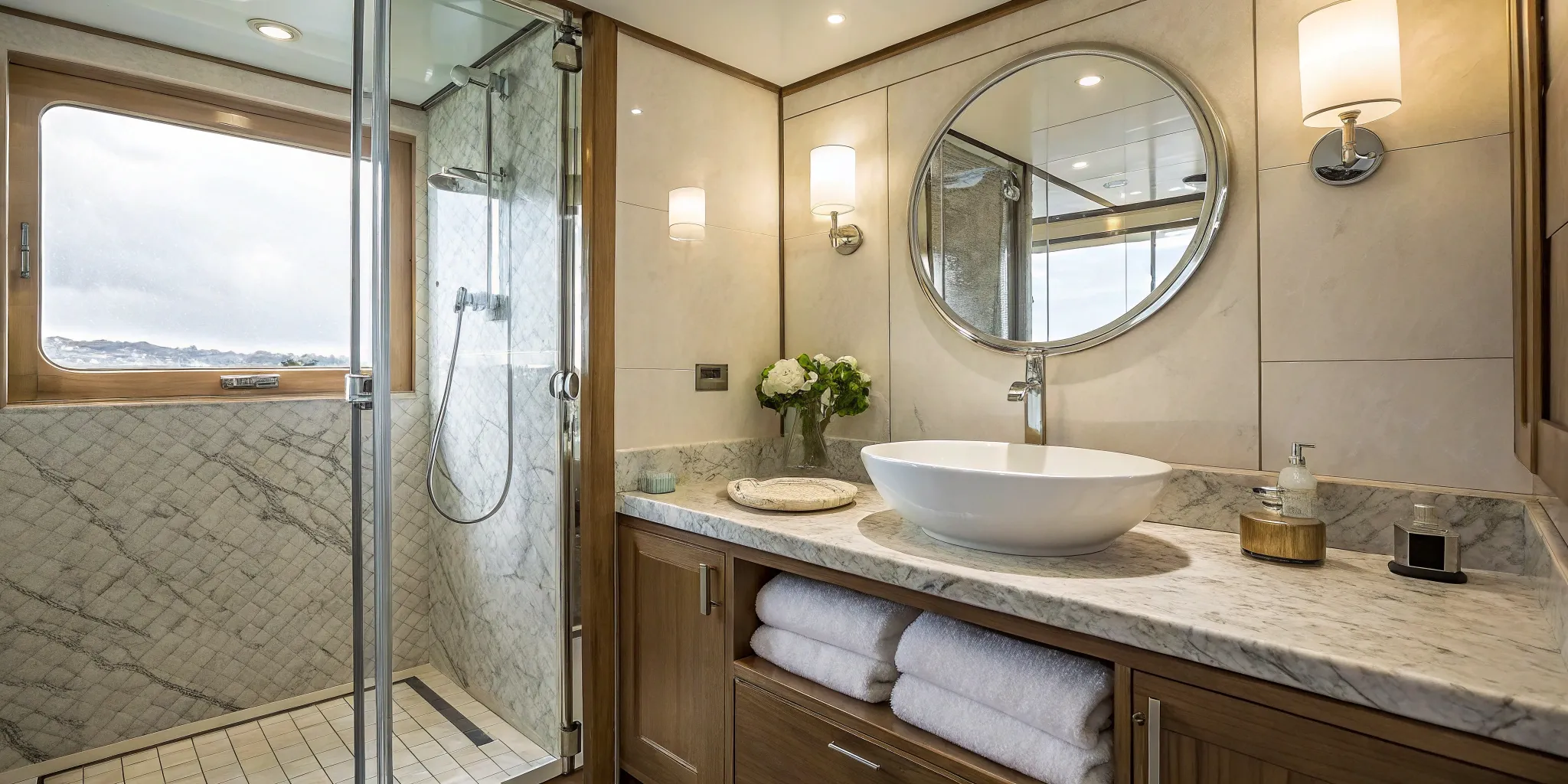
If you’ve searched for remodeling costs online, you’ve probably seen a wide range of numbers. A project that costs $15,000 in one city could be closer to $25,000 here in San Diego, thanks to local labor rates and material prices. This is why a generic estimate isn’t very helpful. A good small bathroom remodel cost calculator that uses local data can give you a much more accurate starting point. This guide will walk you through how to use these tools effectively and, more importantly, how to translate those initial numbers into a realistic budget for a San Diego-specific project.
Key Takeaways
- Treat Calculators as a Guide, Not Gospel: Use online tools to create a ballpark budget and see how your material choices impact the price, but remember they provide an estimate, not a final quote for your specific project.
- Focus on Finishes and Labor, Not Just Square Footage: Your total investment is shaped more by the materials you select and the skilled labor required for installation than the size of the room itself.
- Move from an Online Estimate to an Expert Quote: After using a calculator to establish a budget range, schedule in-person consultations. A professional assessment is the only way to get a firm, detailed price that accounts for your home’s unique conditions.
What is a Small Bathroom Remodel Cost Calculator?
A small bathroom remodel cost calculator is an online tool designed to give you a ballpark estimate for your project. Think of it as a starting point for your budget—a way to explore different options and see how your choices for tile, fixtures, and finishes might affect the total price. It’s not a final, binding quote, but it’s an incredibly useful first step that helps you understand the potential investment before you start scheduling consultations. By playing around with different scenarios, you can get a clearer picture of what’s possible within your budget and walk into conversations with contractors feeling more prepared and informed.
How These Tools Work
Most online calculators guide you through a simple, step-by-step process. You’ll make selections for each part of your bathroom, from the type of shower or tub you want to the style of your vanity, toilet, lighting, and flooring. Once you’ve entered your preferences, the tool generates a personalized cost range. This range typically reflects different levels of material quality and project complexity. For example, the lower end of the estimate might represent standard, builder-grade materials and a straightforward installation, while the higher end accounts for premium finishes and more intricate work. A good cost estimator helps you visualize how these choices impact your bottom line.
Why You Should Use One to Plan Your Project
Using a calculator is all about smart financial planning. It helps you set a realistic budget from day one, preventing sticker shock later on. While it’s important to remember that it’s a budgeting tool and not an exact price quote, it’s perfect for understanding the major cost drivers in a bathroom remodel. This allows you to decide where you want to splurge and where you might save. We always recommend that homeowners set aside an extra 10% to 20% of their estimated total for a contingency fund. This buffer ensures you’re prepared for any unexpected costs that might pop up, like discovering hidden plumbing issues or needing to update old wiring.
What Drives the Cost of a Small Bathroom Remodel?
When you’re planning a bathroom remodel, it’s easy to focus on the square footage. But the final price tag is shaped by much more than just the room’s size. The total investment comes down to a mix of four key factors: the skilled professionals doing the work, the materials you select, the necessary permits, and any surprises that might be hiding behind the walls. Understanding these components from the start helps you set a realistic budget and make informed decisions every step of the way.
Labor and Contractor Fees
It might be surprising to learn that labor can account for up to two-thirds of your total project cost. This isn’t just about paying for installation; it covers the expertise of a whole team of licensed professionals—plumbers, electricians, tile setters, and painters—all managed by a project coordinator. Investing in a skilled and vetted crew means your project is built to last, avoiding the headaches and costs of future repairs. A seamless remodeling process relies on this coordination, ensuring every detail is handled correctly and on schedule.
Materials and Fixtures
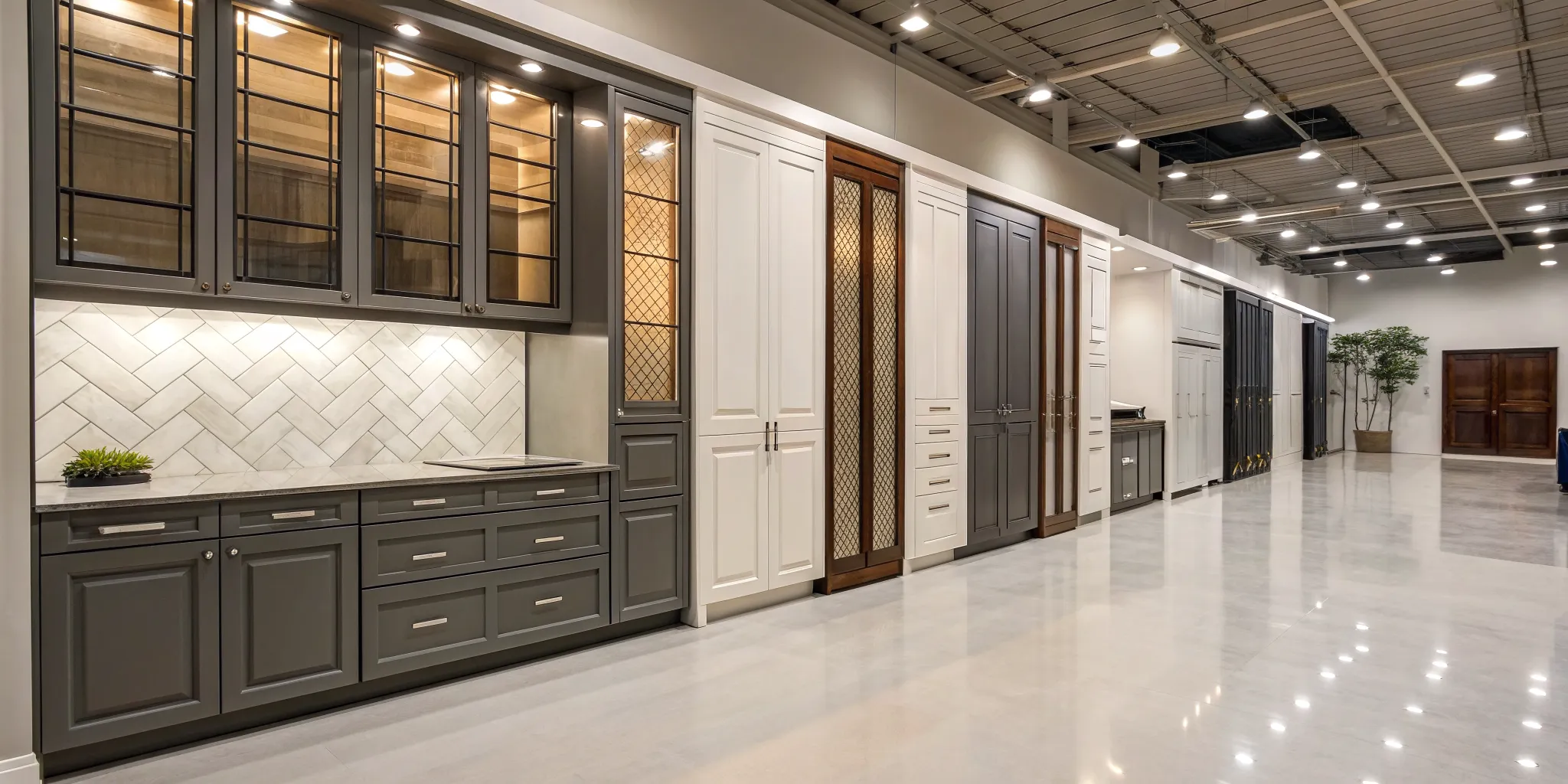
Your material and fixture choices are the second major factor driving the cost of your remodel. This is also where you have the most control over the budget. A simple ceramic tile for the shower will cost significantly less than floor-to-ceiling marble slabs. The same goes for vanities, faucets, lighting, and toilets. Visiting a design showroom can help you see and touch these options side-by-side, making it easier to find a balance between the style you want and the price you’re comfortable with. Your selections here will define both the look and the final cost of your new space.
Permits and Inspections
If your remodel involves moving walls, changing the plumbing layout, or updating electrical wiring, you’ll need to budget for permits. In San Diego, these can range from a couple hundred to nearly a thousand dollars, depending on the scope of your project. While it’s an added expense, a permit is your assurance that all work meets safety codes, protecting your family and your home’s value. Simple cosmetic updates, like painting or swapping a faucet, typically don’t require a permit. A professional contractor will handle the entire permitting process for you.
Hidden Costs and Surprises
Even with the most careful planning, old homes can hold surprises. When we open up the walls, we might find issues like hidden water damage, mold, or outdated electrical systems that need to be addressed to meet current safety standards. That’s why it’s smart to set aside a contingency fund—typically 10-20% of your total budget—to cover unexpected costs. An experienced team can often anticipate potential issues, but having that financial cushion ensures that a surprise doesn’t derail your project timeline or your peace of mind.
How Much Does a Small Bathroom Remodel Cost in San Diego?
Online calculators are a great starting point, but it’s important to ground those numbers in reality. Costs can vary widely based on your location, and San Diego’s market has its own unique factors. While national averages provide a useful baseline, labor rates and material logistics in Southern California mean you should plan for costs to be on the mid-to-high end of those ranges. A project that costs $20,000 in a different state might be closer to $25,000 or $30,000 here.
To give you a clearer picture, we’ve broken down what you can generally expect at three different budget levels for a small bathroom remodel. Think of these as tiers that reflect different scopes of work, material quality, and levels of customization. Whether you’re planning a simple refresh or a complete overhaul, understanding these brackets will help you align your vision with your budget. As you explore these options, remember that the best way to get a precise figure for your project is to consult with a design-build professional who understands the local landscape and can provide a detailed, fixed-price proposal.
The Budget-Friendly Remodel: $5,000–$15,000
In this range, you’re typically looking at a cosmetic refresh rather than a full gut renovation. The goal is to make a big impact with minimal changes to the bathroom’s core structure. To keep costs down, you’ll likely retain the existing layout, meaning the toilet, shower, and vanity stay in their current spots. Upgrades might include painting the walls, replacing the vanity and faucet, installing a new toilet, and updating light fixtures. You’ll probably choose budget-friendly materials like a prefabricated vanity, cultured marble countertops, and ceramic tile. According to This Old House, a small bathroom remodel can cost anywhere from $1,500 to $15,000, with this lower end often involving significant DIY labor.
The Mid-Range Remodel: $15,000–$30,000
This is the most common price range for a comprehensive small bathroom remodel with a professional contractor. At this level, you can afford a full demolition and have more flexibility with design and materials. You might move some plumbing to accommodate a larger shower or a double vanity. Material choices improve significantly, opening the door to semi-custom cabinetry, quartz countertops, and higher-quality porcelain tile. This budget also allows for features like a recessed medicine cabinet, better ventilation, and upgraded lighting. You’re not just replacing fixtures; you’re improving the room’s overall function and feel, creating a space that truly works for you. This tier delivers a fantastic transformation and a solid return on investment.
The High-End Remodel: $30,000+
When your budget exceeds $30,000, you can create a truly luxurious, spa-like retreat. This tier is where you’ll find high-end materials, custom features, and significant layout changes. Think custom-built cabinetry, natural stone countertops and tile, a freestanding tub, or a curbless walk-in shower with a frameless glass enclosure. You can also incorporate premium fixtures like heated floors, a smart toilet, or designer lighting. These high-end projects often involve moving walls or reconfiguring plumbing to completely optimize the space. Working with a design-build firm is essential here to manage the complex details and ensure every element comes together perfectly for a stunning final result.
What to Look For in a Remodel Cost Calculator
Not all online calculators are created equal. A great one can be an incredible planning tool, helping you set a realistic budget and understand your priorities. A bad one, however, can give you a false sense of security with wildly inaccurate numbers. The difference comes down to a few key features that separate a helpful guide from a random number generator.
When you start playing with these tools, look for ones that feel less like a quiz and more like a conversation. The best calculators ask smart questions and give you detailed answers, empowering you to make informed decisions before you ever speak with a contractor. Think of it as your first step in gathering project intelligence. A quality calculator will help you organize your thoughts and give you the confidence to start a real conversation about your bathroom remodeling project. Here’s what to look for to make sure you’re using a tool that truly helps.
Customizable Selections
A generic “small bathroom” estimate isn’t very useful. Your project is unique, and a good calculator should reflect that. Look for a tool that lets you customize selections for the specific parts of your bathroom you plan to change. It should allow you to choose the quality level for things like your vanity, tile, and fixtures—from basic builder-grade to high-end luxury. This feature is crucial because it provides a price range for each component, which then adds up to a more realistic total project cost. This way, you can see how swapping a pedestal sink for a custom vanity or choosing porcelain over marble tile impacts your bottom line.
Itemized Cost Breakdowns
Vague, lump-sum estimates can be misleading. An effective calculator will provide an itemized cost breakdown, showing you how much you can expect to spend on each part of the remodel. You should be able to see separate estimates for demolition, plumbing, electrical, cabinetry, countertops, and flooring. This transparency helps you understand where your money is going and where you might be able to save. While the calculator offers a solid estimate, remember that only a contractor can provide an exact price after seeing the space. This breakdown is your starting point for a more detailed conversation and is a core part of our transparent remodeling process.
Local Pricing Data
This might be the most important feature of all. Labor and material costs can vary dramatically from one city to the next, so a national average is practically useless for planning your San Diego remodel. The best calculators ask for your ZIP code to provide estimates based on local pricing data. This ensures the figures you see are relevant to our market, accounting for regional labor rates and material supplier costs. Some tools even use this information to connect you with local remodelers who can provide firm quotes, making it a seamless transition from initial research to getting professional input.
An Easy-to-Use Design
A cost calculator should reduce stress, not add to it. The design of the tool should be clean, intuitive, and user-friendly, making it easy to input your preferences and understand the results. You shouldn’t need a manual to figure it out. A well-designed calculator serves as a powerful budgeting aid, helping you test different scenarios quickly. It’s not meant to be an exact price quote but a tool to help you plan effectively. The goal is to walk away with a clear budget range and a better vision for your project, so you feel prepared when it’s time to contact a professional for a detailed consultation.
Our Favorite Online Bathroom Remodel Calculators
Once you have a vision for your new bathroom, the next big question is always, “What will this cost?” Online remodel calculators are a fantastic starting point for wrapping your head around a potential budget. They can help you see how different choices—like swapping a standard vanity for a custom one or choosing porcelain tile over natural stone—impact the bottom line. Think of them as a helpful first step to explore possibilities before you start getting formal quotes.
While these tools are great for initial planning, remember that they provide a ballpark estimate, not a fixed price. They can’t account for the specific conditions of your San Diego home, local labor rates, or the quality of finishes you have in mind. We’ve tested several popular options to see which ones offer the most realistic and helpful insights for homeowners. Here are a few of our go-to resources for getting a preliminary handle on your project’s scope and budget.
King Remodeling’s Estimation Tools
While generic online calculators offer a broad overview, we believe the most accurate estimate comes from a detailed, personalized assessment. Instead of a one-size-fits-all tool, we build a custom proposal based on your actual space and goals. During our initial consultation, we discuss your vision, take precise measurements, and understand your material preferences. This allows us to create an itemized, fixed-price quote that reflects the true scope of your project. This hands-on approach is a core part of our process and ensures there are no surprises down the line, giving you a number you can truly plan around.
Modernize
Modernize offers a comprehensive bathroom remodel cost calculator that’s great for understanding national averages. You can select common items like showers, tubs, toilets, cabinets, and lighting to see how each component contributes to the total. According to their data, the average bathroom remodel costs around $12,115. For a small full bathroom, they estimate a range between $6,000 and $15,000 or more. It’s a solid tool for seeing how different elements add up and for getting a general sense of where your project might land on the pricing spectrum before you start talking to local contractors.
BathCalculator.com
If you’re looking for a straightforward, user-friendly tool, BathCalculator.com is an excellent choice. It’s designed specifically as a budgeting resource to help you set realistic financial expectations. The site suggests an overall average cost of about $12,000, but it also shows the vast range projects can have—from $2,500 for a simple refresh to over $80,000 for a luxury overhaul. For small powder rooms, it provides a typical range of $2,500 to $5,000, which is helpful for homeowners planning a more contained project. It’s a simple way to get a quick gut check on your initial budget ideas.
Guides from This Old House & HomeAdvisor
Sometimes, a detailed guide is just as useful as an interactive calculator. The team at This Old House provides an excellent cost guide that breaks down expenses for small bathrooms, which they define as around 5×8 feet. They estimate an average cost of about $6,500, with projects typically falling between $1,500 and $15,000. What’s especially helpful is their inclusion of return on investment (ROI), noting that small bathroom updates can recoup about 74% of their cost at resale. These guides are perfect for understanding the “why” behind the numbers and learning what drives costs up or down.
How to Get the Most Accurate Estimate
Online calculators are a fantastic starting point for budgeting, but their output is only as good as your input. A vague plan will give you a vague number, while a detailed one will get you much closer to a real-world figure. To move from a ballpark guess to a reliable estimate, you need to give the calculator (and eventually, your contractor) as much specific information as possible. Think of it as building a detailed roadmap for your project—the clearer the directions, the more accurate your arrival time and cost will be. Taking the time to gather these details now will save you from surprises later.
Measure Your Space Correctly
Before you touch a single calculator, grab a tape measure. The foundation of any accurate estimate is the exact dimensions of your bathroom. Measure the length and width to get the total square footage, and don’t forget the ceiling height. Note the size and location of doors and windows, as these can affect layout and material needs. This information is critical because square footage directly impacts the cost of your flooring, wall tile, and paint. While a small bathroom remodel can range from a few thousand dollars to over $15,000, knowing your precise measurements helps narrow that window significantly by clarifying exactly how much material you’ll need to purchase.
Be Specific About Materials and Scope
“New vanity and tile” isn’t enough information for an accurate estimate. The price of a remodel changes dramatically based on the materials you choose and the work involved. Instead, try to define your choices. Are you thinking of a stock vanity from a big-box store or a custom-built piece? Porcelain tile or natural marble? A simple fiberglass shower insert or a custom-tiled walk-in shower with a frameless glass door? Visiting a design showroom can help you see and touch these options, making it easier to finalize your vision. The more specific you are about your desired finishes and fixtures, the more precise your cost calculation will be.
Include All Project Details
A beautiful new bathroom is more than just pretty tile and shiny fixtures. A full remodel involves many behind-the-scenes tasks that carry real costs. When using a calculator, be sure to account for everything. This includes demolition and debris removal, potential plumbing or electrical rerouting, installing a new ventilation fan, and waterproofing the shower. As This Old House notes, unexpected costs can also arise from “fixing hidden damage like mold.” A comprehensive remodeling process should also factor in the cost of permits, which are often required for this type of work. Forgetting these items can lead to a budget that’s thousands of dollars off.
Research Local San Diego Prices
A bathroom remodel in San Diego won’t cost the same as one in rural Ohio. Labor rates, material delivery fees, and local building codes all vary by location and have a major impact on the final price tag. National cost averages can be a helpful starting point, but they must be adjusted for our local market. When using an online calculator, look for one that allows you to input your zip code for more accurate pricing. For the most reliable numbers, however, nothing beats a quote from a local expert who understands the San Diego market inside and out. They can provide an estimate based on real-world bathroom remodeling projects completed right here in our community.
Common Mistakes to Avoid When Using a Calculator
An online calculator is a fantastic tool for getting a preliminary budget together, but its output is only as good as the information you provide. It’s easy to overlook a few details that can have a big impact on your bottom line. Think of the calculator as your starting point—a way to frame your budget before you get into the specifics. By being aware of a few common pitfalls, you can create a much more realistic estimate and avoid surprises down the road. Here are the key mistakes to watch out for as you map out your project.
Underestimating the “Small” Costs
It’s easy to remember the big-ticket items like a new vanity, shower, or flooring, but the smaller costs are what often trip homeowners up. Things like new drawer pulls, a modern light fixture, towel hooks, paint, and even the cost of hauling away old materials can add up surprisingly fast. One of the most common budgeting mistakes is underestimating these seemingly minor expenses, which can collectively inflate your total cost. To get a clearer picture, try to create a detailed list of every single item you’ll need, from the toilet to the trim, and factor those into your calculations.
Ignoring Your Location
A bathroom remodel in San Diego simply won’t cost the same as one in Omaha or Austin. Material prices, permit fees, and especially labor rates can vary dramatically from one city to another. Many generic online calculators use national averages, which might not accurately reflect the market here in Southern California. Ignoring local pricing is a recipe for an inaccurate estimate. That’s why it’s so important to either find a calculator with regional data or use the numbers as a rough guide before speaking with a local San Diego contractor who understands the costs in our specific area.
Forgetting Custom Features
If you’re dreaming of a spa-like bathroom with a custom-tiled shower niche, a floating vanity that requires moving plumbing, or intricate tile patterns, be aware that these features often fall outside a standard calculator’s scope. These personalized touches are what make a space truly yours, but they also require more specialized labor and materials, which increases the cost. When you use a calculator, it typically assumes standard installations. If you have your heart set on unique or custom elements, it’s best to list them separately and plan for them to add a premium to your baseline estimate.
Miscalculating Labor
Labor is often the single largest expense in a bathroom remodeling project, and it’s also one of the hardest for a calculator to predict accurately. The tool doesn’t know if your walls are hiding old plumbing issues, if your subfloor needs replacing, or how complex your tile layout is. It can only provide a general estimate based on typical projects. Skipping a detailed planning phase can lead to a serious miscalculation of labor costs. Always treat the labor figure from a calculator as a ballpark range, not a firm quote. A professional estimate based on an in-person walkthrough is the only way to know for sure.
Just How Accurate Are These Calculators?
So, what’s the final verdict on small bathroom remodel cost calculators? Think of them as a fantastic starting point—a way to get your bearings before you start a big journey. They are incredibly useful for initial planning, helping you understand the potential investment and see how different choices might impact your budget. They can help you decide if your project is a $15,000 update or a $30,000+ transformation.
However, it’s crucial to remember that these tools provide an estimate, not a fixed-price quote. An online calculator can’t see your home, inspect your plumbing, or understand the unique quirks of your space. It relies on averages and algorithms, which don’t always capture the full picture. The real cost of your project will depend on specific material selections, labor rates in San Diego, and any surprises hiding behind your walls. Use a calculator to build a foundational budget, but always plan to follow up with a professional for a detailed, accurate proposal.
They Provide a Range, Not a Final Number
The most important thing to understand is that a calculator’s output is a ballpark figure. It’s designed to give you a general idea of the costs involved, but as one source puts it, “only a contractor can give you an exact price for your specific project.” This range is incredibly helpful for setting realistic expectations and determining if you’re ready to move forward.
Consider it the first step in a more detailed financial plan. A professional estimate, on the other hand, is built on a thorough in-person evaluation of your bathroom. Our design-build process, for example, includes a detailed consultation and scope development to create a fixed-price proposal tailored to your exact space and vision.
Where Calculators Can Go Wrong
Calculators are smart, but they can’t account for the variables unique to your home. The final price of a bathroom remodel can shift significantly based on “the size of the bathroom, the materials you pick, and how much work needs to be done.” An online tool might not accurately factor in the cost difference between standard ceramic tile and high-end natural stone, for instance.
More importantly, calculators can’t predict the unknown. Unexpected costs often come from “demolition, moving plumbing, getting permits, or fixing hidden damage like mold.” These are the kinds of issues a professional contractor is trained to look for during an initial site visit, ensuring your final quote is as comprehensive as possible.
Use Them as a Guide, Not a Guarantee
The best way to use a cost calculator is as a strategic planning guide. Use it to explore different scenarios and define your priorities. Once you have a comfortable budget range in mind, your next step should be to “get price estimates from several licensed contractors to get the most accurate cost for your project.”
It’s also wise to build a safety net into your budget. Experts recommend setting aside an extra 10% to 20% as a contingency fund for any unexpected issues that might pop up. This ensures a small surprise doesn’t derail your entire project. The calculator helps you draw the map, but a professional helps you plan the actual journey.
Your Next Steps After Using a Calculator
An online calculator gives you a fantastic starting point, but it’s just that—a start. It provides a ballpark figure based on common data, not a firm quote tailored to your specific home, style, and needs. Once you have that initial range, it’s time to take a few practical steps to turn your estimate into an actionable plan for your San Diego bathroom remodel. These next moves will help you define your budget, find the right team, and prepare for a smooth and successful project.
Get Multiple Professional Quotes
Your first real-world step is to gather several professional quotes. Aim to get at least three bids from licensed, reputable contractors. This isn’t just about finding the lowest price; it’s about understanding the value each company offers. A detailed quote will break down costs for labor, materials, and permits, showing you exactly what’s included. Comparing them helps you spot potential red flags, like a bid that’s suspiciously low, and gives you a feel for how different teams approach the same project. This is your chance to find a partner who communicates clearly and aligns with your vision, so be sure to request a detailed estimate from qualified firms.
Consult with a Local Contractor
Once you have quotes in hand, schedule consultations. This is where you move beyond the numbers and get a true sense of who you’ll be working with. A local San Diego contractor understands regional building codes, material sourcing, and labor costs better than any online tool. During a consultation, you can discuss your goals, ask questions about their process, and see if your personalities click. A great contractor will listen to your ideas, offer professional insights, and explain how they’ll protect your home during construction. This conversation is crucial for building the trust needed for a successful partnership and understanding what their process looks like from start to finish.
Build a Contingency Fund
No matter how carefully you plan, remodeling projects can uncover surprises, especially in older homes. That’s why a contingency fund is essential. This is a separate stash of money—typically 10% to 20% of your total project cost—set aside for unexpected issues. This fund covers things a calculator can’t predict, like finding hidden water damage behind a wall, needing to update old wiring to meet current codes, or discovering mold. Think of it as your project’s safety net. Having this financial cushion ready means a surprise won’t derail your timeline or force you to compromise on the finishes you love. It’s the key to keeping your project on track and your stress levels low.
When It’s Time to Talk to a Pro
An online calculator is a fantastic starting point. It helps you frame your budget, explore material options, and get a feel for what’s possible. But once you’ve moved from daydreaming to serious planning, it’s time to bring in an expert. A detailed quote from a design-build professional transforms that ballpark estimate into a real, actionable plan for your San Diego home.
Signs You Need an Expert Quote
Think of a cost calculator as your project’s outline. A professional quote fills in the crucial details. If you find yourself nodding along to any of these points, it’s a clear sign you’re ready for a conversation with a contractor.
- Your plan is still a bit fuzzy. If you have a vision but aren’t sure how to translate it into a concrete scope of work, a pro can help. Ignoring the need for a clear plan and budget can lead to costly changes down the road. A design-build team will work with you to define every detail, from layout to finishes, ensuring the final space is exactly what you imagined.
- You’re making structural changes. Are you planning to move a wall, relocate the toilet, or convert a tub into a walk-in shower? These changes involve complex plumbing, electrical, and structural work that a calculator can’t accurately price. An experienced contractor needs to see the space to understand the full scope.
- You’re worried about hidden costs. One of the most common remodeling mistakes is underestimating the budget. A professional quote isn’t just a list of materials; it’s a comprehensive plan that accounts for labor, permits, and potential issues, giving you a reliable, fixed price you can count on.
What a Contractor Sees That a Calculator Can’t
A seasoned contractor brings years of hands-on experience to your project—an invaluable resource that no online tool can replicate. They see beyond the surface measurements and material choices to assess the true condition and potential of your bathroom.
A contractor can spot the things a calculator misses, like outdated plumbing behind the walls, signs of a past leak under the floor, or electrical wiring that isn’t up to current San Diego code. Identifying these issues early prevents expensive surprises mid-project. They also consider the practical details of daily life, like ensuring you have enough storage and proper lighting—elements that are crucial for function but often overlooked in initial estimates.
Most importantly, a local professional understands the entire project lifecycle. They can create a realistic timeline, manage all the tradespeople, and ensure your bathroom remodel is built to last. This expertise is the difference between a stressful renovation and a smooth, predictable transformation.
Related Articles
- Cost to Remodel a Small Bathroom: A 2025 Guide
- How to Remodel Your Bathroom on a Budget – King Remodeling
- How to Plan a Bathroom Remodel – King Remodeling
- What Impacts the Cost of a Bathroom Remodel? – King Remodeling
- Average Master Bath Remodel Cost: A Full Breakdown
Frequently Asked Questions
Why is a professional quote different from the number I got from an online calculator? Think of an online calculator as a helpful map that shows you the general direction and distance to your destination. A professional quote is like having a local guide who has walked the exact route. The calculator uses averages and can’t see the unique conditions of your home, like old plumbing behind the walls or a floor that isn’t level. A contractor’s quote is based on a detailed, in-person assessment of your actual space, which is why it’s the only number you should use for your final budget.
Besides materials, what’s the biggest factor that affects the final cost? Labor is almost always the single largest expense in a bathroom remodel, often accounting for more than half the total cost. This isn’t just for one person’s time; it covers a coordinated team of licensed plumbers, electricians, tile setters, and other skilled professionals. Investing in a high-quality, vetted team ensures the work is done right the first time, protecting your home and preventing costly repairs down the road.
Is it realistic to do a full bathroom remodel for under $15,000 in San Diego? In that price range, you’re typically looking at a cosmetic refresh rather than a full gut remodel. This means keeping the existing layout of your shower, toilet, and vanity to avoid the high cost of moving plumbing and electrical lines. You can make a huge impact by replacing fixtures, installing a new prefabricated vanity, and updating the paint and lighting. A full demolition and reconfiguration will almost always push the budget into the mid-range tier.
What is a contingency fund, and is it really necessary for a small project? A contingency fund is a safety net of about 10-20% of your total project cost that you set aside for surprises. And yes, it’s absolutely necessary, even for small projects. Older homes can hide issues like water damage, mold, or outdated wiring that you won’t know about until the walls are opened up. Having that fund ready means an unexpected problem becomes a manageable task instead of a budget-breaking crisis.
I have my calculator estimate. What should I do now to get a real price? Your next step is to move from online research to real-world conversations. Start by scheduling consultations with at least three licensed, local design-build firms or contractors. During these meetings, you can discuss your vision, show them the space, and ask questions about their process. They will then provide you with a detailed, itemized proposal based on your specific project, which will give you the accurate, fixed price you need to move forward confidently.