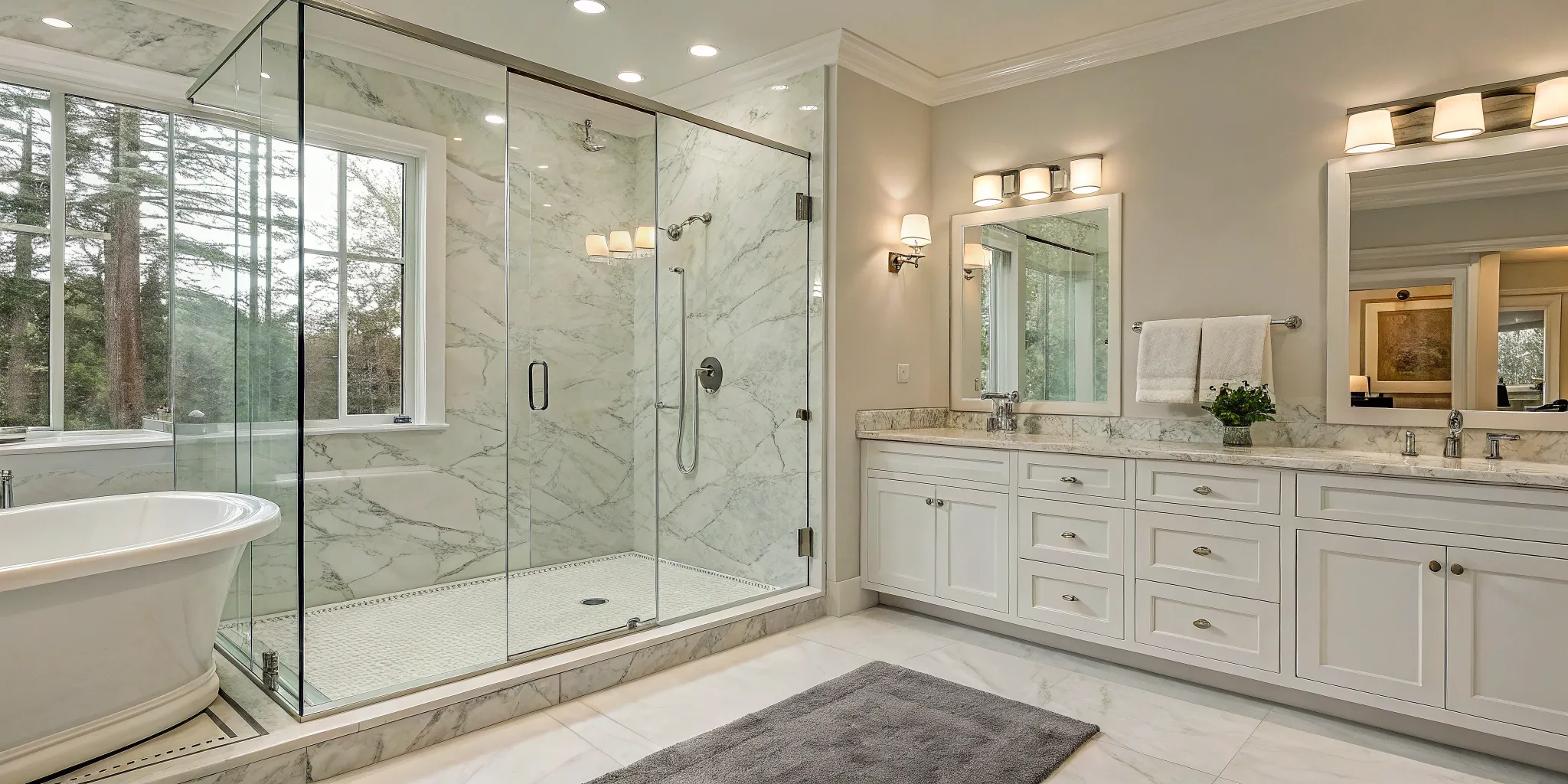
One of the first questions homeowners ask when considering a remodel is, “Will removing the bathtub hurt my home’s resale value?” For years, the conventional wisdom was that every home needed at least one tub. But times have changed, and today’s buyers often prefer the luxury and practicality of a large, well-appointed walk-in shower, especially in a primary suite. The decision to go tub-free is about creating a space that you will love and use every single day. By focusing on high-quality materials and a smart layout, master bathroom floor plans with walk-in shower no tub can be a significant asset. This article will help you confidently weigh the options and design a space that perfectly aligns with a modern lifestyle.
Key Takeaways
- Think Beyond the Shower Stall: A successful tub-to-shower remodel starts with a holistic floor plan. Consider the room’s overall flow, lighting, and ventilation to create a space that feels cohesive and functions effortlessly.
- Design for Today and Tomorrow: Incorporate universal design features like a curbless entry, a built-in bench, and well-placed grab bars. These elements add immediate luxury and safety, ensuring your bathroom serves you well for years to come.
- Reclaim Space with Smart Storage: Ditching the tub frees up valuable real estate. Use it wisely by planning for integrated storage solutions like floating vanities, recessed niches, and custom cabinetry to keep your new bathroom organized and serene.
Why Choose a Walk-In Shower Over a Tub?
Deciding to remove the bathtub from your master bathroom can feel like a major step, but it’s a choice more and more San Diego homeowners are making—and for good reason. While a long soak can be nice, the reality is that most of us rely on a quick, efficient shower for our daily routine. Opting for a spacious, beautifully designed walk-in shower can completely transform your bathroom’s function and feel, turning it into a space that better suits your lifestyle.
From creating a more open, modern aesthetic to improving safety and simplifying your cleaning checklist, the benefits are hard to ignore. If you’re weighing your options, here are a few of the most compelling reasons to go tub-free in your next remodel.
Gain Space and a Modern Look
One of the biggest advantages of replacing a tub is the immediate sense of space you gain. Traditional tub-shower combos are bulky and can make a bathroom feel cramped and dated. By removing it, you open up the floor plan, making the entire room feel larger, brighter, and more streamlined. This newfound space isn’t just for looks; it creates opportunities for a more functional bathroom remodeling design.
You could install a much larger, more luxurious shower with features like a rain showerhead and body sprays. Or, you might finally have room for that double vanity you’ve been dreaming of, adding valuable counter space and storage. The clean lines of a walk-in shower lend a sophisticated, spa-like feel that instantly updates your home.
Improve Accessibility and Safety
A walk-in shower is a practical choice that supports safety and comfort for everyone, regardless of age or mobility. Traditional tubs require you to step over a high ledge, which can be a significant tripping hazard. A curbless or low-threshold shower entry eliminates this barrier, making it much easier and safer to get in and out. This is a key feature of universal design, which focuses on creating spaces that are usable for all people.
This forward-thinking approach doesn’t mean sacrificing style. You can incorporate elegant safety features like a built-in bench for seating, stylish grab bars that blend with your fixtures, and beautiful non-slip tile. Designing for accessibility ensures your bathroom remains a comfortable and secure space for years to come.
Simplify Your Cleaning Routine
Let’s be honest—no one enjoys scrubbing a bathtub. Between the awkward corners, grout lines, and caulking around the tub deck, it’s a chore that’s easy to put off. A walk-in shower, especially one designed with modern materials, can drastically cut down your cleaning time. Large-format tiles or solid surface panels mean far fewer grout lines to scrub, while a simple glass enclosure is easy to squeegee and wipe down.
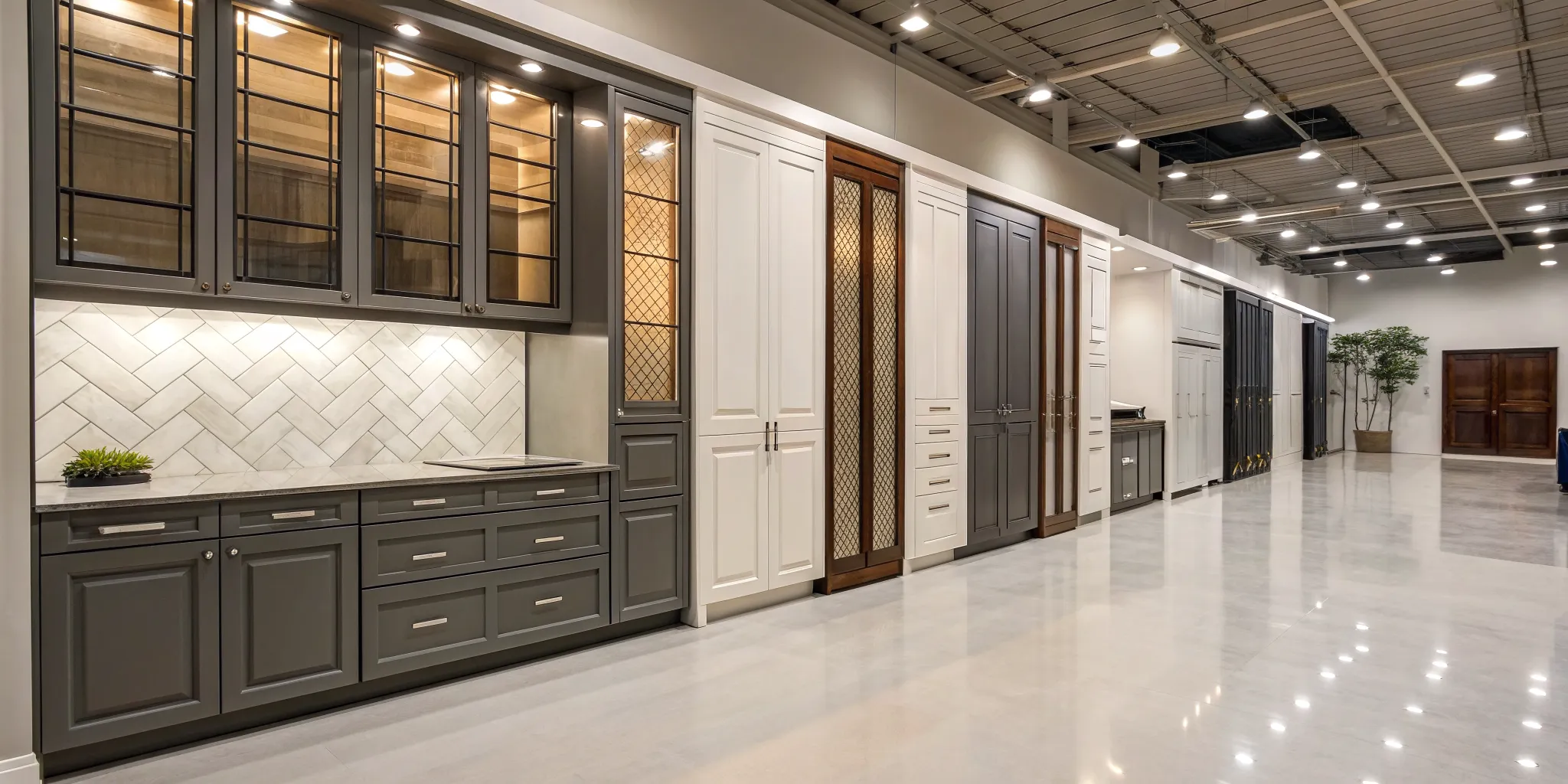
When you work with our designers at the King Remodeling Showroom, we can help you select durable, low-maintenance materials that resist soap scum and mildew. By choosing the right surfaces from the start, you can create a stunning bathroom that not only looks clean but is genuinely easier to keep that way.
How to Plan a Floor Plan Without a Tub
Once you’ve decided to skip the tub, you can focus on creating a bathroom that’s both beautiful and highly functional. A successful remodel starts with a smart plan that considers how you’ll use the space every day. By focusing on layout, storage, lighting, and ventilation from the beginning, you set the stage for a seamless project and a bathroom you’ll love for years. Let’s walk through the key steps to designing a floor plan that makes the most of your tub-free space.
Optimize the Layout and Flow
The golden rule of bathroom design is to plan for flow and function before you even think about tile or paint colors. Your layout should make moving around the room feel effortless and intuitive. Think about the path from the door to the vanity, shower, and toilet. Is it clear and unobstructed? A great layout makes a bathroom feel open and calm, which not only improves your daily routine but can also increase your home’s value. When we design a bathroom remodel, we start by mapping out these core elements to ensure every part of the room is simple to use without wasting an inch of space.
Plan for Smart Storage
One of the biggest perks of removing a bulky tub is gaining valuable square footage for storage. Instead of a tub-shower combo taking up an entire wall, you now have room for solutions that reduce clutter and keep your space organized. Consider a spacious double vanity or a single vanity paired with a tall, slender linen tower. We often incorporate recessed shelving units into shower walls or unused corners; they hold plenty of products without protruding into the room. A well-designed vanity with deep drawers and integrated organizers can also make a world of difference in keeping your countertops clear and serene.
Get the Lighting Right
Great lighting can completely transform the feel of a bathroom. Your plan should include multiple layers of light for different needs. Start with ambient lighting, like recessed cans in the ceiling, to provide overall illumination. Next, add task lighting, such as sconces on either side of the vanity mirror, for grooming. Finally, consider accent lighting to create a spa-like mood. We love installing waterproof LED strip lights inside shower niches or under a floating vanity. This strategic approach ensures your bathroom is bright and functional when you need it to be, and soft and relaxing when you want to unwind.
Ensure Proper Ventilation and Drainage
While it’s not the most glamorous part of planning, proper ventilation and drainage are non-negotiable for a healthy, long-lasting bathroom. A high-quality, properly sized exhaust fan is essential for removing moisture, preventing mold and mildew growth, and protecting your cabinetry and paint. In the shower, the floor must be sloped correctly toward the drain to prevent water from pooling. These technical details are critical to get right during the build phase. Working with an experienced team ensures these foundational elements are handled correctly, protecting your investment and giving you a space that is as practical and durable as it is beautiful.
Designing Your Perfect Walk-In Shower
This is where the fun really begins. Once you have a solid floor plan, you can focus on the details that will make your walk-in shower a true centerpiece. The right combination of size, fixtures, and materials transforms a functional space into a personal retreat. Think about how you want the shower to feel and function every day. Do you want a sprawling, open-concept space or a cozy, enclosed steam shower? What features will make your morning routine easier or your evening wind-down more relaxing?
Working through these details is a key part of our design-build process. We guide you through every choice, from the tile under your feet to the showerhead above, ensuring the final result is both beautiful and perfectly suited to your lifestyle. Let’s look at the core elements you’ll need to consider.
Choosing the Right Size and Entry
The size of your walk-in shower sets the tone for the entire space. While a standard shower is at least 36 by 36 inches, many of our clients opt for more generous dimensions to create a spa-like feel. The ideal size depends on your bathroom’s overall footprint and how open you want the area to be. Just as important is the entry. A curbless, or zero-threshold, entry creates a seamless transition from the main bathroom floor into the shower. This not only looks sleek and modern but also makes the shower easily accessible for everyone, regardless of age or mobility.
Placing Fixtures and Showerheads
Your choice of fixtures can completely change your shower experience. Do you prefer a gentle rainfall showerhead, a versatile handheld wand, or invigorating body jets? We help you select the right combination and, crucially, place them for optimal function. The controls should be located just inside the entrance, allowing you to turn on the water and let it warm up without getting sprayed. We also plan for lighting, often using strategically placed recessed lights to illuminate the space properly, ensuring it’s both safe and atmospheric. You can see examples of thoughtful fixture placement in our featured projects.
Adding Benches and Accessibility Features
Thoughtful features can make your shower more comfortable and functional for years to come. A built-in bench is a popular addition, offering a sturdy spot to sit, relax, or prop a leg while shaving. For storage, we often design built-in niches or recessed shelving units that keep your soaps and shampoos organized without cluttering the space. We can also integrate stylish grab bars that blend seamlessly with your design, providing extra stability. These elements are about adding everyday luxury while planning for long-term accessibility, ensuring your bathroom serves you well into the future.
Deciding on Glass Enclosures vs. Doorless Designs
The final touch is deciding how to enclose your shower. A completely doorless shower offers a sleek, open look that can make a bathroom feel much larger and more modern. This design requires a larger footprint—often around 7 by 4 feet—to contain water splash. If your space is more compact, or you prefer a more contained feel, a frameless glass enclosure is a fantastic option. It provides a clear, unobstructed view that maintains an open feeling while keeping warmth and water inside. Visiting our San Diego showroom can help you visualize which style best fits your vision.
Maximizing Storage in a Tub-Free Bathroom
One of the best parts of ditching the tub is gaining a surprising amount of floor space. But without a smart plan, that extra room can feel undefined. The key to a truly functional and serene bathroom is thoughtful storage that keeps countertops clear and essentials within reach. A clutter-free space feels bigger, cleaner, and far more luxurious. It transforms your daily routine from a frantic search for items into a calm, spa-like experience.
By integrating storage directly into your new layout, you can create a seamless look that feels both intentional and effortless. From clever cabinetry to hidden niches, the right storage solutions will support your daily routine and keep your beautiful new bathroom looking its best. This is where working with a design-build team really pays off—we can help you see opportunities for storage you might not have considered, ensuring every square inch serves a purpose.
Floating Vanities and Vertical Cabinets
A floating vanity is a game-changer in a tub-free bathroom. By mounting it to the wall, you free up the floor underneath, which instantly makes the room feel more open and airy. This modern design choice isn’t just about looks; it also makes cleaning the floor a breeze. To compensate for the lack of a bulky base, pair your floating vanity with vertical storage. Tall, slender linen cabinets or wall-mounted cupboards draw the eye upward, creating a sense of height while offering plenty of space for towels and backstock toiletries. This combination is a core strategy in any successful bathroom remodeling project where space and style are top priorities.
Built-In Niches and Recessed Shelving
For the ultimate streamlined storage, look no further than the walls themselves. Built-in shower niches are a must-have in any walk-in shower, providing a designated, waterproof spot for shampoos, soaps, and conditioners. This eliminates the need for clumsy shower caddies that can disrupt your design. Outside the shower, recessed shelving can be built between wall studs to create display space or store everyday items without protruding into the room. These built-in features look custom and high-end because they are. They require careful planning and expert construction to ensure they are properly waterproofed and seamlessly integrated with your tile.
Custom Cabinetry and Linen Closets
While stock vanities are an option, custom cabinetry allows you to design storage that perfectly fits your space and your life. You can specify the exact number of drawers you need, add outlets for hair dryers, and include dividers to keep everything organized. If you have an awkward corner or a narrow wall, a custom linen closet can be designed to fit perfectly, turning unused space into a storage powerhouse. The best part is tailoring the style and finish to your exact vision. Visiting a design showroom lets you see and feel the materials, ensuring your custom pieces blend beautifully with your tile and countertop selections.
Mirrored and Wall-Mounted Storage
Mirrored medicine cabinets are a classic for a reason: they offer two functions in one. A large, recessed medicine cabinet provides ample hidden storage for medications and skincare while also making the room feel brighter and more expansive. Look for models with integrated lighting and anti-fog features for an extra touch of luxury. Beyond the vanity, consider adding a few simple wall-mounted shelves. They’re perfect for holding decorative items like plants or candles, or for keeping neatly folded hand towels accessible for guests. This approach adds personality and function without taking up valuable counter or floor space.
Material and Design Ideas for Your Walk-In Shower
Once you’ve settled on the layout, it’s time for the fun part: choosing the materials and finishes that will bring your walk-in shower to life. This is where you can infuse your personal style into the space, creating a daily retreat that feels uniquely yours. From earthy, natural stone to sleek, modern fixtures, the right combination of elements can transform a functional shower into a stunning focal point for your entire bathroom. At our San Diego showroom, our design team can walk you through all the options to find the perfect fit for your vision and budget.
Natural Stone and Large-Format Tile
For a touch of timeless luxury, nothing compares to natural stone. Materials like marble and quartzite bring rich veining and organic beauty to your shower walls, creating a spa-like atmosphere that never goes out of style. Alongside natural stone, large-format porcelain tiles are a popular choice for modern bathrooms. These oversized tiles mean fewer grout lines, which not only simplifies cleaning but also creates a clean, seamless look that makes your shower feel more spacious. Whether you prefer the unique character of stone or the sleek uniformity of porcelain, these materials form a beautiful foundation for any bathroom remodeling project.
Bold Patterns and Mixed Finishes
Want to add a little personality to your shower? A feature wall with a bold, patterned tile can make a stunning statement without overwhelming the space. Think geometric designs, intricate mosaics, or colorful zellige tiles that add texture and visual interest. Another way to create a custom look is by mixing metal finishes on your fixtures. Don’t be afraid to pair a matte black showerhead with brushed brass handles or polished chrome controls. This layered approach adds depth and a curated feel, turning standard hardware into a thoughtful design element. You can see examples of this in our featured projects.
Frameless Glass and Minimalist Hardware
To maintain an open and airy feel, a frameless glass enclosure is the way to go. By eliminating bulky metal frames, you create an unobstructed view into the shower, which helps the entire bathroom feel larger and brighter. This minimalist approach allows your beautiful tile work to take center stage. Complement the clean lines of the glass with simple, elegant hardware. Sleek handles and hinges in finishes like brushed nickel, gold, or matte black add a final touch of sophistication. This combination of clear glass and minimalist hardware is a hallmark of high-end, contemporary bathroom design.
Integrating Smart Technology
Your daily shower can be a moment of high-tech luxury. Integrating smart technology is becoming a popular way to enhance the shower experience with convenience and a spa-like feel. Imagine starting your shower with a digital controller that sets the water to your exact preferred temperature and pressure every time. You can also incorporate waterproof Bluetooth speakers to listen to music or podcasts, or even install a steam system for a truly therapeutic escape. These modern features blend seamlessly into a clean, minimalist design, adding function and a touch of indulgence to your daily routine.
Common Remodeling Mistakes to Avoid
A master bathroom remodel is a major investment in your home and daily comfort, so getting it right is key. While it’s easy to get swept up in tile choices and fixture finishes, overlooking the foundational elements can lead to costly fixes down the road. Planning ahead and working with an experienced design-build team helps you sidestep common issues before they ever happen. By following a clear and proven remodeling process, you can ensure your new bathroom is as functional as it is beautiful.
Poor Drainage and Waterproofing
Water is your bathroom’s biggest enemy if it isn’t managed correctly. Proper drainage is about more than just keeping your floors dry—it’s about protecting your home’s structure. This is especially true for walk-in showers, where the floor must be perfectly sloped to guide water toward the drain. As one expert notes, doorless showers in particular “need a bigger area to keep water from splashing out.” Beyond the visible slope, what’s behind the walls is even more critical. A professional waterproofing system installed beneath the tile is your best defense against leaks, mold, and wood rot, ensuring your beautiful new shower stands the test of time.
Inadequate Lighting and Ventilation
A bathroom should be a bright, refreshing space, but poor planning can leave it feeling dark and damp. A great lighting plan includes multiple layers. Think beyond a single overhead fixture and consider different bathroom lighting ideas, like sconces by the vanity for task lighting and recessed, waterproof lights in the shower. Equally important is ventilation. A high-quality exhaust fan is essential for removing moisture and odors, which helps prevent the growth of mold and mildew. A well-ventilated room protects your paint, cabinetry, and air quality, keeping the space feeling fresh and clean every day.
Incorrect Shower Size or Placement
When you’re removing a tub, it can be tempting to install the largest walk-in shower possible, but size and placement must work with your bathroom’s overall flow. A shower that’s too large can overwhelm the room, while one that’s too small will feel cramped and uncomfortable. A standard shower should be at least 36 by 36 inches, but a spacious walk-in shower is often much larger. The key is balance. Thoughtful space planning during the bathroom design phase ensures your new shower feels generous without creating awkward traffic patterns or sacrificing essential vanity and storage space.
Forgetting Future Accessibility Needs
A great remodel should serve you well for years to come, which means thinking about future needs today. Designing with accessibility in mind doesn’t have to look clinical; in fact, many features of universal design are now considered luxury upgrades. The goal is to create a bathroom that everyone can use comfortably, from young children to older adults. Consider incorporating a curbless or zero-threshold shower entry, a built-in bench, and stylish grab bars. These thoughtful additions make your bathroom safer and more functional for every stage of life without compromising on style.
Related Articles
- Modern Bathroom Without Bathtub: A Complete Guide
- Convert Tub to Walk In Shower: Before and After Guide
- How to Get a Quote for Bathtub to Shower Remodel
Frequently Asked Questions
Will removing my only bathtub hurt my home’s resale value? This is a really common question, and the answer has changed over the years. While it used to be a rule of thumb to keep at least one tub in the house, today’s buyers often prioritize a spacious, luxurious master shower over a tub they’ll rarely use. If you have another bathtub elsewhere in your home, the impact is almost always positive. If it’s your only one, a beautifully executed, high-end walk-in shower can still be a major selling point that adds significant value and appeal.
What are the main factors that influence the cost of converting a tub to a walk-in shower? The final investment depends entirely on your vision. The primary cost drivers are the size of the new shower, the materials you select, and the complexity of the installation. For example, choosing natural stone and a custom glass enclosure will be different from using classic porcelain tile. Other factors include the type of fixtures you want—like a simple showerhead versus a full system with body jets—and whether we need to move any plumbing or walls to create your ideal layout.
How long does a bathroom remodel like this typically take? A full tub-to-shower conversion involves several phases, from design and material selection to demolition and installation. While the on-site construction can often be completed in a few weeks, the entire process from our first conversation to the final walkthrough takes longer. Our design-build approach helps make the timeline predictable because we manage every step in-house, ensuring materials are ordered on time and our crews are scheduled efficiently.
Are doorless showers cold or hard to keep clean? They don’t have to be! A well-designed doorless shower is built to contain warmth and prevent drafts. We can also incorporate features like heated floors to create an even cozier experience. As for cleaning, they are often much easier to maintain than traditional showers. With no glass door or track to scrub and the option of large-format tiles with minimal grout lines, a simple squeegee after each use is often all you need to keep it looking pristine.
What does “design-build” mean, and why is it a good approach for this kind of project? Design-build means that one team—our team—handles your entire project from the initial design concept to the final coat of paint. You won’t have to juggle a separate designer, contractor, and material supplier. This integrated approach creates a seamless experience with a single point of contact, clear communication, and greater accountability. It ensures your vision is executed perfectly because the people designing your space are the same ones building it.