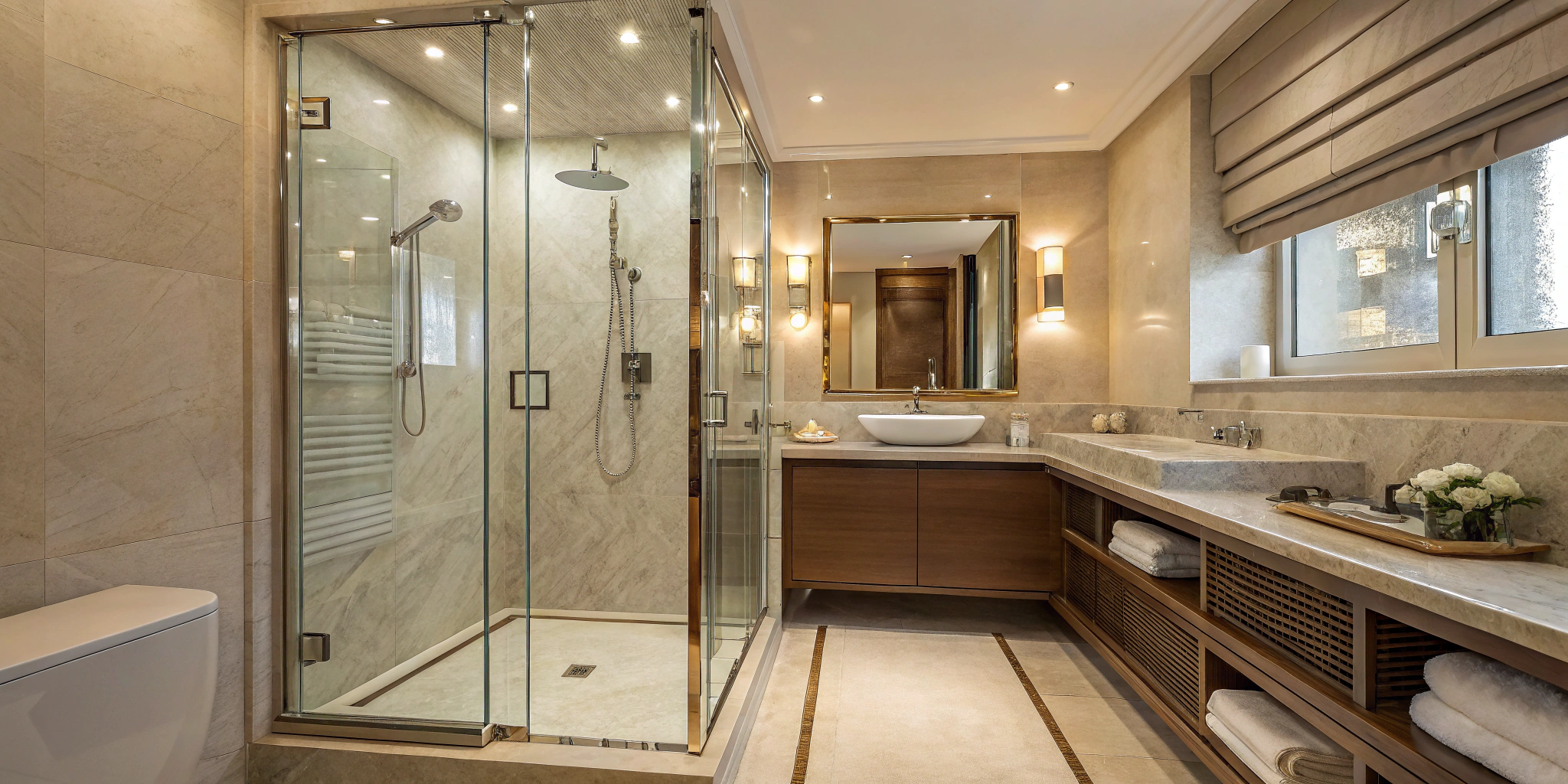
When you hear “small bathroom,” your mind might go to limited options and design compromises. But a smaller footprint is actually an opportunity for creativity and smart, intentional design. It forces you to focus on what truly matters: function, flow, and personal style. A walk-in shower becomes the centerpiece of this transformation, offering endless possibilities for personalization, from stunning tile and built-in storage niches to spa-like fixtures. This article is your guide to the exciting design potential of custom walk in showers for small bathrooms, proving that you don’t need a massive space to create a beautiful, personal retreat that feels open and luxurious.
Key Takeaways
- Maximize Space and Value: Replacing a bulky tub with a walk-in shower is the most effective way to make a small bathroom feel larger. This single change enhances safety with a low-curb entry, opens up the room visually, and delivers a strong return on your investment.
- Design Choices Create the Illusion of Space: You don’t need a large footprint for a luxurious shower. Strategic selections—like a frameless glass enclosure, light-colored tiles, and built-in storage niches—work together to create an open, uncluttered atmosphere that feels both spacious and personal.
- Function is the Foundation of Good Design: A beautiful shower is only as good as its construction. Prioritize essential technical details like a perfectly sloped floor for drainage, professional waterproofing, and proper ventilation to prevent leaks and moisture issues, ensuring your investment is built to last.
Why Choose a Walk-In Shower for a Small Bathroom?
Swapping a bulky tub-shower combo for a sleek walk-in shower can completely transform a small bathroom. This single change does more than just update the look—it makes your bathroom safer, feel significantly larger, and adds real, lasting value to your home. It’s one of the smartest upgrades you can make, especially in a compact space where every square inch counts. If you’re feeling cramped, a walk-in shower might be the perfect solution.
A Safer, More Accessible Space
Traditional tubs have a high ledge that can be a daily inconvenience and a safety risk. A walk-in shower eliminates this barrier. With a low-curb or zero-threshold entry, you create a seamless transition from the bathroom floor into the shower, making it more comfortable for every member of the family. This universal design is especially helpful for anyone with mobility challenges. When a professional team designs your shower, the floor is perfectly sloped for drainage, ensuring water stays exactly where it should. It’s a practical update that provides peace of mind and prepares your home for the future.
Make Your Bathroom Feel Bigger
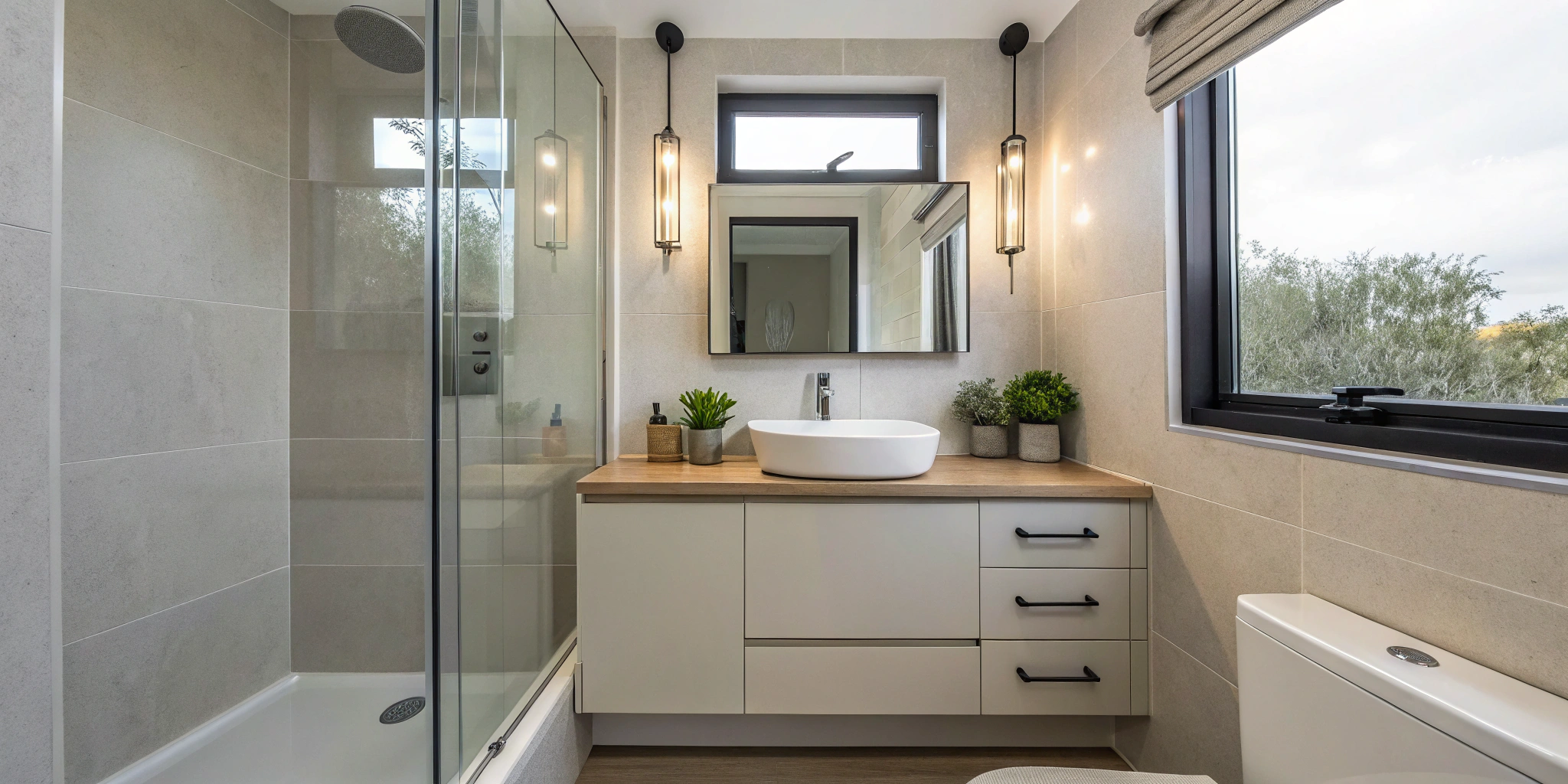
A walk-in shower is a game-changer for creating a sense of openness in a compact bathroom. Unlike a shower curtain or a heavy, framed door that visually cuts the room in half, a clear glass enclosure allows your eye to travel through the entire space. This creates an illusion of depth, making the room feel brighter and more expansive. The seamless transition lends a clean, high-end feel that you’d expect to find in a luxury spa. You can see how we’ve used this technique to open up small spaces in our past projects.
Add Real Value to Your Home
A bathroom remodel is a fantastic investment, and a custom walk-in shower delivers a strong return. Its sleek lines and modern aesthetic are highly sought after by homebuyers, instantly signaling a thoughtful, up-to-date renovation. This feature transforms the bathroom from a purely utilitarian room into a stylish retreat. By replacing an outdated tub with a beautiful and practical walk-in shower, you’re not just improving your daily routine—you’re increasing your home’s appeal and overall market value. It’s a smart upgrade that pays off both now and in the future.
Key Design Elements for a Small Walk-In Shower
A beautiful and functional walk-in shower doesn’t require a massive footprint. In fact, some of the most stunning showers are designed for compact spaces. The secret isn’t about size; it’s about smart, intentional design. By focusing on a few key elements—layout, materials, and color—you can transform a small bathroom into a space that feels open, luxurious, and perfectly suited to your daily routine. These three pillars work together to create a cohesive design that maximizes every square inch, proving that a thoughtful plan is far more important than sheer space. When you get these details right, your new shower will not only look incredible but will also improve how you start and end your day.
Planning the Right Layout
The right layout is the foundation of a successful small walk-in shower. A well-planned design can make your bathroom feel more functional and even a bit fancy, turning a cramped corner into a spa-like retreat. We focus on optimizing the flow, considering everything from the door swing to the placement of the shower controls. Proper installation is also critical. An improperly built shower can lead to water leaks and damage down the road, which is why our expert build process includes meticulous waterproofing and professional plumbing. By getting the layout right from the start, you ensure your new shower is not only beautiful but also built to last.
Selecting the Right Materials
Choosing the right materials is about finding the perfect balance between style and practicality. For shower walls and floors, durable and water-resistant options like ceramic, porcelain, or natural stone are excellent choices. Large-format tiles are a fantastic trick for small spaces, as fewer grout lines create a cleaner, more expansive look. The texture of your floor tile is also important for safety—we always recommend a slip-resistant finish. Seeing these options in person makes all the difference, which is why we guide our clients through the selection process at our private San Diego showroom, where you can see and touch the materials for yourself.
Using Color to Create Space
Color has a powerful effect on how we perceive a space. To make your small walk-in shower feel bigger and brighter, stick with a light and airy color palette. Whites, soft grays, and warm neutrals reflect light, creating an open, uncluttered feeling. Extending the same tile from the bathroom floor directly into the shower can also erase visual boundaries, making the entire room feel more seamless and spacious. This cohesive approach not only enhances the sense of space but also gives your bathroom a high-end, custom look that adds real value to your home. You can see how we use color to transform spaces in our portfolio of completed projects.
How Big Does My Walk-In Shower Need to Be?
One of the first questions homeowners ask is about size. You want a shower that feels spacious and comfortable, but in a small bathroom, every inch counts. The perfect size for your walk-in shower is a balance between building codes, your personal comfort, and the room’s existing layout. While there are standard minimums, the best approach is to think about how you’ll use the space day-to-day. A well-planned bathroom remodel considers both the shower’s footprint and how it connects with the rest of the room, ensuring everything flows without feeling cramped.
Finding the Minimum Size for Comfort
At a minimum, building codes require a shower to be at least 30×30 inches. However, for a comfortable experience, we recommend starting at 32×32 inches. This gives you enough elbow room to move around without bumping into walls or fixtures. A great way to visualize this is to use painter’s tape to mark the dimensions on your floor. Stand inside the taped-off square and pretend to go through your shower routine. Does it feel too tight? For most people, a slightly larger footprint, like 36×42 inches, offers a significant upgrade in comfort without taking over the entire bathroom.
Following ADA and Accessibility Guidelines
If you’re planning to age in place or want to ensure your home is accessible for everyone, following ADA guidelines is a smart move. For a walk-in shower to be ADA-compliant, it needs to be at least 36×36 inches for a square design or 60×30 inches for a rectangular one, especially if it includes a built-in bench. These dimensions provide enough space for a wheelchair to transfer or for someone to use a shower chair comfortably. Even if you don’t need these features now, designing with accessibility in mind can add long-term value and appeal to your home.
Designing Around Your Existing Plumbing
Your bathroom’s current plumbing layout plays a big role in determining your shower’s size and location. The most straightforward and cost-effective approach is to design the new shower around the existing drain, which is common in tub-to-shower conversions. These projects are popular because they use the same footprint as the old tub, saving you time and money on extensive plumbing work. However, don’t feel limited by your current setup. As a design-build firm, we can reconfigure plumbing to create the ideal layout for your needs, ensuring every step of our process is handled seamlessly.
What Are the Best Space-Saving Shower Designs?
When you’re working with a small bathroom, the shape and placement of your shower can make all the difference. A custom walk-in shower gives you the freedom to move beyond a standard rectangular box and choose a design that truly maximizes every square inch. By thinking strategically about the layout, you can create a shower that feels spacious and open without stealing valuable floor space from the rest of the room.
From classic corner units to sleek, modern designs, the right choice depends on your bathroom’s specific footprint and your personal style. Let’s look at three popular space-saving designs that work beautifully in compact San Diego homes. Each one offers a unique way to blend function and aesthetics, turning a cramped bathroom into a more open and inviting retreat.
The Classic Corner Shower
The corner shower is a timeless solution for a reason: it’s incredibly efficient. By tucking the shower into a corner, you use a part of the room that might otherwise become dead space. This layout frees up the longest walls for your vanity, toilet, and storage, creating a more functional and open floor plan. It’s a practical approach that works in almost any small bathroom, from a guest bath to a primary suite.
A well-designed corner shower doesn’t have to feel cramped. You can even fit it into unusual wall shapes, like under a sloped ceiling, to make the most of your room’s unique architecture. When paired with a clear glass enclosure, a corner shower can feel surprisingly roomy while maintaining a small footprint. It’s a smart, effective strategy for any bathroom remodeling project where space is at a premium.
Neo-Angle and Curved Showers
A neo-angle shower is a clever variation of the corner shower. Instead of a square or rectangular shape, it features a five-sided design where the door is placed across a clipped corner. This simple change has a big impact. By cutting the corner, a neo-angle shower opens up valuable floor space and creates a wider path for walking through the bathroom. It prevents the room from feeling too boxy and can make a tight layout feel much more comfortable.
Similarly, a curved or rounded shower enclosure softens the room’s lines and carves out a bit more elbow room. Both designs are specifically made to fit snugly into corners, making them ideal for small bathrooms where every inch counts. They offer a touch of custom style while solving a common layout challenge, proving that you don’t have to sacrifice design for functionality.
The Modern Doorless Shower
If you want to create the ultimate feeling of openness, a doorless or walk-in shower is the way to go. This design uses a fixed glass panel to contain water, eliminating the need for a swinging or sliding door that can crowd a small room. The seamless transition from the shower to the rest of the bathroom floor makes the entire space feel larger and more cohesive. It’s a clean, minimalist look that adds a touch of luxury.
Using clear glass walls is key to making this design work. As Architectural Digest notes, glass doors and panels help lighten the look and feel of a space by allowing light to flow freely. This creates a bright, airy atmosphere that counteracts the closed-in feeling many small bathrooms have. You can see beautiful examples of this modern approach in our featured projects to get a better sense of how it can transform a room.
How Can You Customize Your Small Walk-In Shower?
A small footprint doesn’t mean you have to sacrifice style or function. In fact, custom details are what transform a standard shower into a personal retreat. This is where you can let your personality shine through, choosing features that make your daily routine feel more like a spa experience. From smart storage that hides clutter to beautiful fixtures that catch the eye, every choice contributes to the final look and feel of your bathroom. The best part about a custom remodel is that you don’t have to choose between form and function—you get both.
Planning these personal touches from the start is crucial. When you work with an integrated design-build team, every detail—from the exact placement of a storage niche to the type of shower head—is considered within the overall design. This holistic approach prevents last-minute compromises and ensures that every element works together harmoniously. Instead of trying to fit custom features into a pre-existing plan, the plan is built around them. This results in a space that is not only beautiful but also perfectly tailored to your lifestyle. Let’s look at a few of the most popular ways you can personalize your small walk-in shower to make it uniquely yours.
Choosing Shower Heads and Fixtures
Think of your shower fixtures as the jewelry of your bathroom—they’re the finishing touches that can define the entire style. Instead of sticking with standard chrome, consider a finish that makes a statement. Matte black offers a bold, modern contrast, while brushed gold or brass can add a touch of warmth and luxury. Beyond the finish, think about function. A rainfall shower head can create a serene, spa-like feel, while a handheld wand adds flexibility for rinsing and cleaning. Visiting a design showroom allows you to see and feel these options in person, making it easier to choose the perfect hardware for your new shower.
Adding Built-In Storage and Niches
Clutter is the enemy of a small space. A bulky shower caddy hanging from the shower head can instantly make your new shower feel cramped and messy. The solution? Built-in storage. A shower niche is a recessed shelf built directly into the wall, giving you a sleek, waterproof spot to store shampoo, soap, and other essentials. You can customize its size, shape, and even add a contrasting tile to make it a design feature. Planning for a niche during the design phase is key, as it ensures your storage is seamlessly integrated without compromising the shower’s structure or waterproofing. This thoughtful detail keeps your space organized and serene.
Incorporating Benches and Safety Features
A shower bench is a feature that adds both luxury and practicality. It provides a comfortable spot to sit and relax, making your shower feel more like a steam room, and it’s also incredibly useful for tasks like shaving. For those planning to age in place, a bench is a crucial safety feature. You can opt for a built-in, tiled bench that matches the shower walls or a stylish freestanding one made from a water-resistant wood like teak. This is also the time to consider other safety elements, like discreet grab bars that blend with your design, ensuring your shower is safe and accessible for everyone.
Selecting Glass Doors and Enclosures
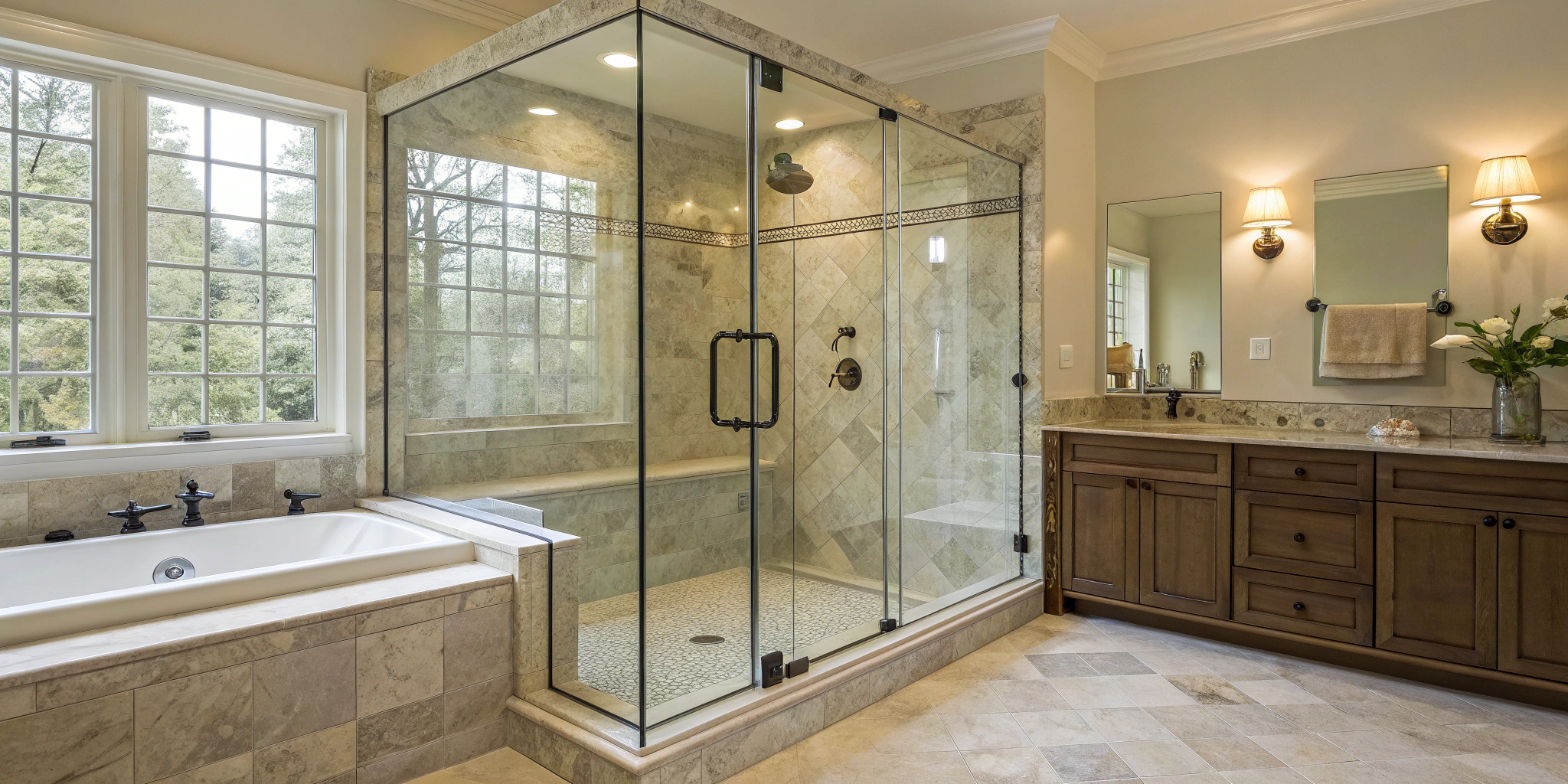
The right enclosure can make or break a small shower design. To create the most open and airy feel, a frameless glass door is the best choice. Unlike bulky framed doors or shower curtains that visually chop up the room, a seamless panel of glass allows your eye to travel through the space, making the entire bathroom feel larger. This clear transition maintains the flow of your design, especially if you’ve chosen beautiful tile you want to show off. A glass-enclosed shower in a complete bathroom remodel is one of the most effective ways to create a bright, modern, and spacious atmosphere.
How Do Walk-In Showers Make a Room Look Bigger?
One of the biggest benefits of a walk-in shower is its ability to make a small bathroom feel surprisingly spacious. It’s not magic—it’s smart design. By removing the bulky walls and high curbs of traditional tub-shower combos, you eliminate visual barriers that chop up the room and make it feel cramped. Instead of a closed-off corner, the shower becomes an integrated part of the bathroom, creating a more open, airy, and cohesive atmosphere.
This sense of space comes from a few key design principles that work together to trick the eye. By focusing on transparency, light, and continuous lines, a well-designed walk-in shower can transform a tight bathroom into a place that feels both functional and expansive. It’s about maximizing the footprint you have by making every square inch feel connected to the rest of the room. Our design-build process focuses on finding these opportunities to make your space feel larger than it is.
Using Glass to Open Up the Room
The single most effective tool for creating space is a glass enclosure. Unlike a shower curtain or a frosted door that acts like a wall, clear glass keeps the sightlines open. Glass-enclosed showers are perfect for small bathrooms because they create a seamless transition between the shower and the rest of the room. Your eye travels through the glass to the back wall of the shower, making the entire bathroom feel like one continuous space. A frameless or semi-frameless glass panel is the best option, as it minimizes hardware and enhances the illusion of openness. This simple swap can instantly make your bathroom remodel feel more modern and spacious.
Maximizing Natural and Artificial Light
Light is another critical element in making any room feel bigger, and bathrooms are no exception. A dark, shadowy corner will always feel small and confining. Walk-in showers with glass enclosures allow light to flow freely throughout the entire space. Natural light from a window can reach into the shower, and interior lighting can illuminate the whole room without being blocked. As Architectural Digest notes, glass doors “help lighten the look and feel of a space.” By strategically placing light fixtures both inside and outside the shower, you can ensure the entire bathroom is bright and welcoming, which enhances the feeling of spaciousness. You can see great examples of this in our featured projects.
Creating a Seamless Floor
Creating a continuous visual plane with your flooring is a powerful way to make a room feel larger. A curbless or low-curb shower entry allows you to run the same tile from the main bathroom floor directly into the shower. This eliminates the visual break of a high threshold and creates an unbroken surface that draws the eye across the room, making the floor plan feel more expansive and unified. Choosing the right flooring and surfaces is key to achieving this cohesive look. Whether you opt for large-format tiles to minimize grout lines or a beautiful natural stone, a seamless floor is a sophisticated touch that adds both style and a sense of space.
What Materials Work Best for Small Walk-In Showers?
The materials you choose for your walk-in shower do more than just look pretty—they set the tone for the entire bathroom and play a huge role in maintenance and longevity. In a smaller space, your choices are even more critical. The right combination of tile, stone, and glass can make your shower feel open and bright instead of cramped and dark. Think about how light reflects off a glossy surface or how large-format tiles can trick the eye into seeing a wider, taller space.
Beyond aesthetics, you need materials that can handle the daily demands of a wet environment. Durability, water resistance, and ease of cleaning are non-negotiables. You want surfaces that will stand up to moisture and soap scum without requiring constant scrubbing. This is a key part of any successful bathroom remodeling project—balancing beauty with practicality. The goal is to create a shower that feels like a personal retreat, not another chore on your to-do list. We’ll walk through the most popular and effective options to help you find the perfect fit for your style and lifestyle.
The Best Tile for Small Showers
When it comes to shower walls, ceramic and porcelain tiles are the undisputed champions. They’re incredibly durable, water-resistant, and easy to clean, making them a practical choice for a high-traffic area. For a small shower, consider using large-format tiles. Fewer grout lines create a more seamless, continuous surface, which helps make the space feel larger and more open. A glossy finish can also help by reflecting light around the room, but keep in mind that grout color matters, too—matching it to the tile enhances that seamless effect. Visiting a showroom can help you visualize how different sizes and finishes will look together.
Exploring Natural Stone and Other Finishes
If you’re aiming for a more organic or luxurious feel, natural stone is a beautiful option. Materials like marble, slate, or travertine bring unique texture and character to a shower, turning it into a true focal point. While stunning, stone requires more maintenance than porcelain, including regular sealing to prevent staining and water damage. For a modern, grout-free alternative, you could also consider solid surface panels or microcement. These options provide a sleek, minimalist look that’s incredibly easy to clean. Our team can help you weigh the pros and cons of different flooring and surface options to find the right balance of style and function.
Choosing Safe, Slip-Resistant Flooring
Your shower floor is where safety becomes the top priority. A slippery surface is a major hazard, so choosing the right material is essential. The best practice is to use smaller tiles—think four inches by four inches or smaller. The increased number of grout lines provides extra traction underfoot, significantly reducing the risk of slips. Mosaic tiles are a fantastic choice for this reason and also allow for creativity in design. Alternatively, you can opt for larger tiles with a textured or matte finish, which offer more grip than their smooth, glossy counterparts. No matter what style you love, there’s a safe and beautiful flooring option that will complete your walk-in shower.
How to Keep Water Where It Belongs
A walk-in shower is a beautiful, open concept, but its biggest challenge is also its best feature: the lack of a traditional barrier. Without a tub wall or a fully sealed door, you might worry about water ending up everywhere. The good news is that with smart design and professional installation, you can keep every drop exactly where it’s supposed to be.
It all comes down to a three-part strategy: containing splashes before they escape, guiding water to the drain efficiently, and managing the steam and moisture left behind. When our team designs a custom bathroom remodel, we build these solutions into the plan from day one, ensuring your new shower is as functional as it is stunning.
Containing Splashes and Water
The first line of defense is a layout designed for containment. This starts with placing the shower head away from the opening so the main spray isn’t aimed at your bathroom floor. We also consider the shower’s overall size and shape. Even in a small bathroom, a slightly deeper or longer stall can make a huge difference. For many designs, a stationary glass panel is the perfect solution. It blocks the majority of splashes while maintaining that open, airy feel you want from a walk-in shower. A low curb or a strategically built half-wall can also provide an effective, stylish barrier without closing the space in.
Ensuring Proper Drainage and Slope
Proper drainage is the unsung hero of any successful walk-in shower. To prevent water from pooling or escaping, the shower floor must be perfectly sloped to guide every drop toward the drain. This is a subtle but critical detail that requires precision. The slope is almost imperceptible when you’re standing on it, but it’s expertly calibrated to use gravity to its advantage. During our process, we meticulously waterproof and slope the shower pan before a single tile is laid, creating a leak-proof foundation. This step is non-negotiable for a durable, long-lasting shower that protects your home’s structure.
Managing Moisture with Good Ventilation
Once you turn off the water, the final challenge is managing steam and humidity. A steamy bathroom can lead to peeling paint, warped wood, and even mold or mildew growth over time. That’s why proper ventilation is essential, especially in a compact space. A high-quality, correctly sized exhaust fan is your best tool. We recommend quiet models with humidity sensors that automatically turn on when moisture levels rise and shut off when the air is clear. This simple feature protects your investment and keeps your bathroom feeling fresh and clean without you having to think about it.
How Much Does a Custom Walk-In Shower Cost in San Diego?
One of the first questions every homeowner asks is, “What will this actually cost?” It’s a great question, and the honest answer is: it depends. In San Diego, a custom walk-in shower remodel can range from around $4,200 to $8,500, with more complex projects reaching $12,000 or more. That’s a wide range because every small bathroom is different, and every homeowner has a unique vision for their space. The final price tag is shaped by the materials you choose, the complexity of the installation, and the features you decide you can’t live without.
The good news is that you don’t have to figure it out alone. A key part of our design-build process is creating a detailed, fixed-price proposal after we’ve finalized the design and material selections with you. This way, you know exactly what to expect before a single tile is laid. There are no surprises, just a clear path to the beautiful, functional shower you’ve been dreaming of. Understanding the key cost drivers is the first step in setting a realistic budget and making choices that align with your goals.
What Influences the Final Cost?
Three main factors determine your project’s total investment: materials, scope, and labor. Your material choices play the biggest role. For example, classic ceramic tile is more budget-friendly than imported natural stone or intricate mosaic patterns. The fixtures you select, from the shower head to the drain, also come in a wide range of price points. Visiting our San Diego showroom is a great way to see these options side-by-side. The project’s scope—including the shower’s size, the need to move plumbing, and the type of glass enclosure—also impacts the final cost. Finally, quality labor ensures your shower is waterproof, durable, and beautifully finished.
Comparing Budget and Luxury Features
When planning your walk-in shower, it helps to know where you can save and where you might want to splurge. A basic, prefabricated shower kit can be a cost-effective solution, but a custom-built shower offers endless possibilities. According to This Old House, a custom project averages around $6,350 but can easily climb over $10,000 with luxury upgrades. These high-end features might include a curbless, zero-threshold entry for accessibility, a built-in bench, multiple shower heads, or a steam system for a spa-like experience. Deciding which features are most important to you will help guide your bathroom remodeling budget.
Understanding Your Return on Investment
A bathroom remodel is more than just an expense; it’s an investment in your home’s value and your daily comfort. In a desirable market like San Diego, a modern, accessible bathroom is a major selling point. While the average cost of a walk-in shower is around $9,000, homeowners can often recoup a significant portion of that investment at resale. Beyond the financial return, think about the daily value you’ll get from a space that’s safer, easier to clean, and perfectly suited to your routine. Our featured projects showcase how a thoughtful design can completely transform a home’s feel and function for years to come.
What to Expect During Your Remodel
A bathroom remodel is an exciting project, but it’s also a significant undertaking. Knowing what happens and when can make the entire experience feel smooth and predictable. At King Remodeling, we manage every detail from the first sketch to the final polish, ensuring you have a clear roadmap and a dedicated team by your side. Our end-to-end approach means you won’t be juggling different contractors—just one trusted partner committed to bringing your vision to life.
Here’s a look at our streamlined process for creating your custom walk-in shower.
Step 1: Design and Planning
This is where your ideas take shape. We start by listening to your goals for the space—how you want it to look, feel, and function. Our design team will help you optimize your layout, showing you how a walk-in shower can make even a small bathroom feel more luxurious and spacious. Together, we’ll explore materials, fixtures, and finishes at our private San Diego showroom, where you can see and touch everything firsthand. We’ll create detailed 3D renderings so you can visualize the final result before construction begins, ensuring every element is perfect.
Step 2: Construction and Waterproofing
Once the design is finalized, our build team gets to work. We treat your home with the utmost respect, protecting your floors and containing dust to keep things clean and comfortable. The most critical part of this phase is ensuring your new shower is built to last. Proper waterproofing is non-negotiable. Our expert crews meticulously slope the shower floor for perfect drainage and install a comprehensive waterproofing system to prevent any chance of leaks. Following a clear and predictable remodeling process allows us to deliver quality craftsmanship on a timeline you can count on.
Step 3: Final Finishes and Walkthrough
This is when your new bathroom truly comes to life. Our skilled artisans install your chosen tile, fixtures, and glass, paying close attention to every detail. We can use design strategies like continuing a tile pattern from the shower onto the bathroom walls to make the whole room feel larger and more cohesive. For the shower floor, we’ll help you select beautiful, slip-resistant tiles that are four inches or smaller to ensure safety without sacrificing style. Once everything is complete, we’ll do a final walkthrough with you to ensure you’re thrilled with your new space.
Related Articles
- Master Bathroom Floor Plans: Walk-In Shower, No Tub
- 36 Very Small Bathroom Ideas to Maximize Space
- Small Modern Bathroom Ideas: The Ultimate Guide
Frequently Asked Questions
How long does it take to remodel a small bathroom and install a walk-in shower? While every project is unique, a typical tub-to-shower conversion in a small bathroom takes a few weeks from the start of construction to the final walkthrough. The real time-saver is in the planning. Because we handle the design, material selection, and construction as one cohesive team, we can order everything in advance and create a predictable schedule. This avoids the delays that often happen when you’re trying to coordinate separate designers, suppliers, and contractors.
Will removing my only bathtub hurt my home’s resale value? This is a common concern, but the old rule that every home needs a tub is becoming outdated, especially in markets like San Diego. Today’s buyers often prioritize a spacious, modern, and accessible primary bathroom over a tub they’ll rarely use. A beautifully executed walk-in shower can be a major selling point that adds significant appeal and value, transforming an outdated bathroom into a stylish and functional space.
Can I really fit a bench in a small walk-in shower? Absolutely. A small footprint doesn’t mean you have to give up on spa-like features. With smart design, a bench can be seamlessly integrated without making the shower feel cramped. We often recommend a floating or corner bench, which provides comfortable seating without taking up valuable floor space. It’s a perfect example of how custom design allows you to get the function you want, no matter the size of your room.
How much maintenance does a glass shower enclosure require? A clear glass enclosure looks stunning, and keeping it that way is simpler than you might think. The best habit is to use a squeegee to wipe down the glass after each use, which only takes about 30 seconds and prevents water spots from forming. A quick weekly cleaning with a gentle spray cleaner is usually all that’s needed to keep it sparkling. It’s often far less work than scrubbing grout lines around an old tub.
What is the first step to get an accurate quote for my project? The first step is to schedule a consultation with our design team. During this initial meeting, we’ll listen to your ideas, discuss your goals for the space, and look at your bathroom’s existing layout. From there, we can begin to shape a design and budget that aligns with your vision. This collaborative process ensures the final quote you receive is detailed, accurate, and tailored specifically to your home.