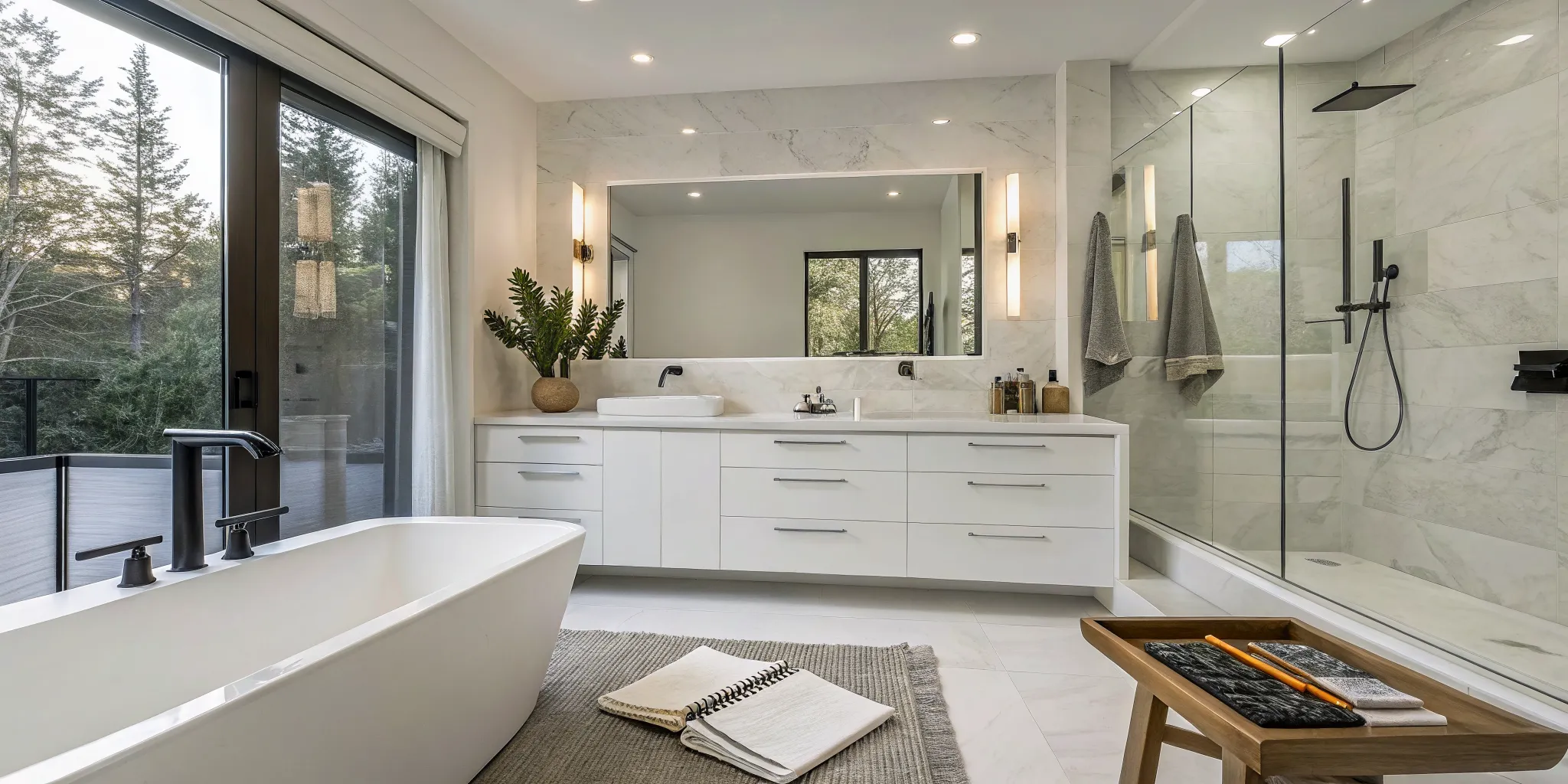
Thinking about your master bathroom remodel as an investment, rather than just a cost, changes your perspective. It’s an investment in your home’s value and in your daily comfort and enjoyment. The key is making that investment wisely. This guide will help you understand the different factors that shape the final cost to remodel master bath, from layout changes to luxury finishes. We’ll explore when it makes sense to spend more for long-term durability and resale value, and we’ll share practical tips for achieving a high-end look without an extravagant price tag, ensuring your project is a smart financial decision.
Key Takeaways
- Define Your Project Scope First: The total cost of your remodel is directly tied to your project’s scope. Understanding the difference between a cosmetic update, a partial renovation, and a full gut remodel will help you align your vision with a realistic budget from the start.
- Make Strategic Layout and Material Choices: The most effective way to manage your budget is by keeping your bathroom’s existing plumbing layout. You can also stretch your funds by splurging on high-impact items, like a beautiful countertop, while choosing more affordable options for less critical features.
- Always Budget for the Unexpected: A successful remodel plan includes a contingency fund of 10% to 20% of your total budget. This financial cushion ensures that surprises like hidden water damage or necessary plumbing upgrades can be handled properly without derailing your project.
How Much Does a Master Bathroom Remodel Cost?
One of the first questions every homeowner asks is, “What’s this actually going to cost?” While the final price tag depends on your specific space, taste, and goals, we can break down the typical investment levels for a master bathroom remodel in San Diego. Think of these as starting points to help you frame your budget and understand what’s possible. The scope of your project, from simple cosmetic updates to a full-scale transformation, is the single biggest factor driving the cost. Understanding these tiers will help you align your vision with your budget before you begin our design-build process.
The Basic Refresh: $7,000–$15,000
If you’re looking for a significant impact without a major renovation, a basic refresh is a fantastic option. This budget range typically covers cosmetic changes that leave the existing layout intact. Think of it as a surface-level makeover. We’re talking about a fresh coat of paint, replacing the vanity, installing a new faucet and light fixtures, and putting in a new pre-fabricated shower or tub insert. It’s the perfect choice for updating a dated but functional bathroom, giving it a clean, modern feel without the cost or time commitment of a full gut remodel.
The Mid-Range Remodel: $15,000–$30,000
This is the most common project scope for homeowners wanting a substantial upgrade. A mid-range remodel allows for more customization and higher-quality materials. In this tier, you can often afford to replace flooring with new tile, install a semi-custom double vanity with a stone countertop, and upgrade to a tiled walk-in shower. You’ll also have more options for lighting, fixtures, and finishes that create a more cohesive and thoughtfully designed space. This level of bathroom remodeling offers a great balance of aesthetic improvement and long-term value.
The High-End Retreat: $30,000–$65,000+
For those dreaming of a true spa-like sanctuary, a high-end remodel is the way to go. This investment level opens the door to major layout changes, like moving walls or relocating plumbing to create a more functional floor plan. It includes premium materials and luxury features: custom cabinetry, natural stone countertops, a curbless walk-in shower with multiple showerheads, a freestanding soaking tub, and high-end designer fixtures. You can see examples of these transformations in our featured projects. This is where you invest in creating a personalized retreat that perfectly suits your lifestyle.
What Factors Influence Your Remodel Cost?
When you start planning a master bathroom remodel, you’ll quickly find that no two projects are priced the same. The final number on your estimate depends on a mix of choices, challenges, and goals unique to your space. Understanding these key drivers from the start helps you set a realistic budget and make informed decisions. From the size of your room to the shine on your faucets, every detail plays a role. Let’s break down the five biggest factors that will shape the cost of your San Diego bathroom renovation.
Bathroom Size and Layout
It might seem obvious, but the size of your bathroom is a primary cost driver. A larger space requires more materials, from flooring to paint, and more labor to install everything. However, a smaller bathroom can sometimes have a higher cost per square foot because working in tight quarters can be more complex and time-consuming for crews. Beyond just square footage, changing the layout will also impact your budget. If you plan to move a toilet or convert a tub into a walk-in shower, the project will involve more intensive work, which adds to the final cost. A smart bathroom remodeling plan considers both the size and the flow of your space.
Material and Finish Quality
Your taste in materials is one of the most significant variables in your budget. The difference between a basic ceramic tile and a high-end natural stone, or a stock vanity versus a custom-built one, can be thousands of dollars. This is where you have the most control over the final price tag. Finishes like faucets, lighting, and hardware come in a huge range of price points. Visiting a showroom is a great way to see and feel these options in person, helping you decide where to splurge and where to save without compromising on the look you want.
Labor and Professional Rates
Labor is a major component of any remodeling budget, often accounting for a significant portion of the total cost. This includes the work of designers, project managers, plumbers, electricians, tile setters, and painters. The complexity of your project will determine the amount of skilled labor required. For example, installing an intricate tile pattern or building a custom curbless shower demands more time and expertise than simpler tasks. Working with an experienced, vetted team ensures the job is done right the first time, preventing costly mistakes and delays down the road. Our end-to-end process ensures every professional on your project is coordinated and held to the highest standard.
Plumbing and Electrical Work
Any time you move water or power lines, your project costs will go up. Keeping your existing plumbing and electrical layout is one of the most effective ways to manage your budget. However, if your current layout is dysfunctional or you’re dreaming of a double vanity where a single one currently sits, the investment can be well worth it. Upgrades might also be necessary to meet current building codes, especially in older homes. This could include replacing old pipes, updating wiring, or adding dedicated circuits for features like heated floors or a steam shower.
Your San Diego Location
Where you live matters. Remodeling costs in San Diego tend to be higher than the national average due to local labor rates, material transportation costs, and the overall cost of doing business. Permitting fees and regulations can also vary between different municipalities within San Diego County. Working with a local contractor who understands the regional market is key. An experienced San Diego firm can provide accurate cost estimates that reflect these local factors, ensuring there are no surprises and that your project is completed to code.
How to Budget for Your Project Scope
The single biggest factor determining your master bathroom remodel cost is the scope of work. Are you looking for a simple refresh or a complete floor-to-ceiling transformation? Understanding the different levels of renovation can help you align your vision with a realistic budget. Most projects fall into one of four categories, each with a different price point and level of complexity. Knowing where your project fits will make it easier to plan and communicate your goals with your design-build team.
The Cosmetic Update
Think of this as a significant facelift for your bathroom. A cosmetic update focuses on surface-level changes that make a big impact without altering the room’s layout. This typically includes fresh paint, new light fixtures, updated faucets and hardware, and perhaps a new toilet or a pre-fabricated vanity. If your bathroom’s core structure is in good shape but feels dated, this is an excellent way to breathe new life into the space. For this scope, you can generally expect to invest between $10,000 and $15,000. It’s a great way to get a fresh look by selecting new finishes at a design showroom.
The Partial Renovation
A partial renovation goes a step beyond cosmetic changes, tackling one or two larger items. This is the perfect middle ground if you want more substantial upgrades without the cost of a full gut. Common projects in this tier include converting an old bathtub into a modern walk-in shower, installing a new semi-custom vanity with a stone countertop, or upgrading the flooring with new tile. This approach allows you to focus your budget on the features that matter most to you. A partial renovation typically costs between $15,000 and $20,000, delivering a great balance of transformation and value. You can see several examples in our featured projects.
The Full Gut Remodel
This is where we start from a blank slate. A full gut remodel involves removing everything in the bathroom down to the studs and subfloor. This gives you the freedom to completely reconfigure the layout, move plumbing and electrical lines, and replace every single element, from insulation and drywall to tile, fixtures, and cabinetry. This comprehensive approach is ideal for outdated bathrooms with functional issues or for homeowners who want a totally new space. A full gut bathroom remodeling project for a medium-to-large master bath often ranges from $45,000 to $65,000, reflecting the extensive labor and materials required for a complete transformation.
The Luxury Suite Transformation
For those dreaming of a true spa-like retreat, a luxury transformation makes it a reality. This high-end renovation includes everything in a full gut remodel but adds premium materials and custom features. Think natural stone slabs, custom-built cabinetry, heated floors, a steam shower, or a freestanding soaking tub. This scope may also involve structural changes, like moving walls or adding windows to create a more open and light-filled space. Budgets for luxury master bathrooms typically start between $50,000 and $65,000 and can go much higher depending on the final selections and complexity. This is how you create a personalized oasis built to your exact specifications.
Where Does the Money Go? A Cost Breakdown
When you start planning a master bathroom remodel, it helps to know where your budget will be allocated. Think of it like a pie chart; some slices will naturally be bigger than others. Understanding these key spending categories helps you make informed decisions, decide where to splurge, and find areas to save. From the tile under your feet to the lights overhead, every choice has an impact on the final number. A clear breakdown demystifies the total cost and empowers you to have productive conversations with your design-build team about what matters most to you.
Below, we’ll walk through the five major components of a bathroom remodel budget. These figures represent typical investment ranges for a project in the San Diego area. Your final costs will depend on the size of your space, the complexity of the work, and the materials you select. Seeing the breakdown can take the mystery out of the total cost and give you a clearer picture of how your dream bathroom comes together, piece by piece. It’s the first step in creating a realistic plan that aligns your vision with your investment. This is a core part of our process, ensuring transparency from the very beginning.
Flooring and Tile
Flooring and tile set the foundation for your entire bathroom design, both visually and functionally. This category can range from $1,500 to $6,000, depending heavily on your material choices. For example, durable ceramic or porcelain floor tiles often fall between $2 and $35 per square foot. If you’re dreaming of a statement shower or an accent wall, expect to see prices from $5 to $50 per square foot for wall tiles, especially for natural stone or intricate mosaics. Our team can guide you through beautiful and practical flooring and surface options that fit your style and stand up to daily life.
Vanities and Countertops
As a primary focal point, the vanity and its countertop are a significant part of your budget, typically ranging from $2,500 to $10,000. A simple, pre-fabricated stock vanity might cost between $300 and $2,000. However, many San Diego homeowners opt for custom or semi-custom vanities to maximize storage and fit their exact layout, which can range from $2,800 to $8,500. The countertop material, whether it’s elegant quartz or classic marble, will also play a big role in the final price. This is an area where quality craftsmanship truly shines and defines the character of your bathroom remodel.
Showers and Bathtubs
Creating a spa-like experience often starts with the shower or tub, with costs for this zone typically falling between $1,800 and $8,000 or more. A simple, functional bathtub might cost between $400 and $8,000, depending on whether it’s a standard alcove model or a luxurious freestanding soaking tub. Walk-in showers with custom tile work, frameless glass doors, and high-end fixtures will be at the higher end of that range. You can explore our featured projects to see how a beautifully designed shower or a statement tub can completely transform a master bathroom into a personal retreat.
Fixtures and Hardware
Often called the “jewelry” of the bathroom, fixtures and hardware are the finishing touches that tie everything together. This category includes your faucets, showerheads, towel bars, and cabinet pulls. While you can find basic fixtures starting around $200, investing in higher-quality, designer pieces can easily add $500 or more to the total. The finish you choose, like matte black, brushed gold, or polished chrome, also affects the price. Visiting our Design Center and Showroom is a great way to see and feel these options in person to find the perfect match for your design.
Lighting and Ventilation
Great lighting is essential for both function and ambiance, with a typical budget of $350 to $5,000. This includes a mix of overhead ambient lighting, task lighting like sconces at the vanity, and sometimes accent lighting. Individual fixtures can range from $50 to $500 each. Just as important is a high-quality, quiet ventilation fan. Proper ventilation protects your investment by preventing moisture buildup, which is a non-negotiable for any bathroom remodeling project. It’s a small detail that makes a huge difference in the longevity and comfort of your new space.
Planning for Unexpected Costs
No matter how carefully you plan your master bathroom remodel, surprises can happen. Think of it less as a problem and more as a normal part of renovating a home. The best way to handle the unknown is to plan for it from the start. When you open up walls and floors, you might uncover issues that were impossible to see during the initial walkthrough, like old plumbing that needs updating or hidden water damage. Acknowledging this possibility ahead of time is the key to a smooth, low-stress project.
Building a buffer into your budget for these potential discoveries isn’t a sign of a poorly planned project; it’s the mark of a smart, prepared homeowner. This financial cushion gives you and your remodeling team the flexibility to address issues correctly without derailing your timeline or forcing you to compromise on the beautiful finishes you’ve chosen. Our goal is to deliver a seamless experience, and that includes helping you prepare for every possibility. By planning for the unexpected, you can move forward with confidence, knowing you’re ready for whatever your old bathroom has been hiding.
Design and Permit Fees
Before a single tile is laid, there’s important groundwork that includes design and permitting. These aren’t just administrative tasks; they ensure your new bathroom is beautiful, functional, and, most importantly, safe and compliant with San Diego’s building codes. Permit fees can vary depending on the scope of your project, especially if you’re moving walls or changing the plumbing and electrical layouts. While some homeowners forget to budget for these costs, they are a non-negotiable part of a professional remodel. Working with an experienced design-build firm simplifies this step, as we handle the entire permitting process for you. This is a core part of our proven process, saving you from navigating city paperwork and ensuring everything is done right from day one.
Structural Surprises
The demolition phase is often when you discover what’s really going on behind the drywall. In older San Diego homes, it’s not uncommon to find unexpected issues like hidden water damage from a slow leak, outdated wiring, or even termite damage in the wall studs. While our team is trained to spot potential red flags during your initial consultation, some problems are simply invisible until we open things up. This is precisely why a contingency fund is so critical. It allows us to address these structural surprises properly, ensuring the integrity of your home without causing major budget crises. Having an experienced team on your side means these discoveries become manageable tasks, not project-stopping disasters.
Utility Upgrades
When you remodel your master bathroom, you’re not just updating the look; you’re also bringing its core systems into the modern era. This often means making necessary upgrades to your plumbing and electrical. For example, old galvanized pipes may need to be replaced to improve water pressure and prevent future leaks, or the electrical panel might need an update to safely power a new heated floor, steam shower, or modern lighting fixtures. These utility upgrades are essential for the safety and performance of your new space. While they add to the initial cost, they also provide long-term peace of mind and protect your investment, ensuring your beautiful new bathroom remodel functions perfectly for years to come.
Your Contingency Fund
Think of a contingency fund as your project’s built-in safety net. It’s a portion of your total budget, typically 10% to 20%, that you set aside specifically for unexpected costs. This isn’t money you plan to spend, but it’s there if you need it for things like repairing hidden water damage or upgrading old wiring to meet current code. For older homes or more complex renovations, aiming for a 15-20% buffer is a wise move. Having this fund in place provides incredible peace of mind. It means a surprise won’t force you to cut corners or sacrifice a feature you love. Instead, you can handle it calmly and keep your project on track. Ready to build a realistic budget? Contact us to discuss your project.
How to Save on Your Master Bath Remodel
A beautiful master bath doesn’t have to break the bank. While it’s easy to get carried away with high-end finishes and custom features, a few strategic decisions can make a huge difference in your final bill. The key is to be intentional about where your money goes. By focusing on changes that deliver the most impact and being clever about your approach, you can achieve a stunning transformation that feels luxurious without an eye-watering price tag. A thoughtful bathroom remodeling plan balances your must-haves with smart, budget-friendly choices.
It’s not about cutting corners on quality; it’s about making informed decisions. For example, understanding the cost implications of moving a toilet versus keeping it in place can save you thousands in plumbing and labor. Similarly, knowing which materials offer a high-end look for less can stretch your budget further than you thought possible. We’ve guided hundreds of San Diego homeowners through this process, and we’ve learned the best ways to get maximum value from every dollar spent. From simple swaps to bigger-picture planning, these tips will help you prioritize your spending and find savings in places you might not have expected. Let’s explore some practical ways to keep your project on budget without compromising your vision.
Keep the Same Layout
One of the most significant ways to control costs is to work with your bathroom’s existing footprint. Moving plumbing for a toilet, relocating a shower drain, or shifting electrical wiring for vanity lights adds major expenses to your project. These changes require plumbers and electricians, plus extra labor for demolition and reconstruction. By keeping your main fixtures in their current spots, you can focus your budget on the elements you see and touch every day, like beautiful tile, a new vanity, and modern fixtures. This single decision simplifies our process and can save you thousands, making it the number one rule for a budget-conscious remodel.
Refinish, Don’t Replace
Before you decide to tear everything out, take a look at what you can salvage. A dated but structurally sound bathtub can be professionally re-glazed for a fraction of the cost of a new one, giving it a fresh, glossy finish. The same goes for your vanity cabinets. If the boxes are in good shape, a professional paint job and new hardware can completely transform their look without the expense of custom cabinetry. This approach is not only budget-friendly but also more sustainable, as it keeps perfectly good materials out of the landfill. It’s a smart way to get a like-new feel while preserving your budget for other priorities.
Handle Your Own Demolition
If you’re comfortable with some hands-on work and have the right safety gear, handling some of the demolition yourself can trim labor costs. Tasks like removing an old vanity, pulling up flooring, or taking down a mirror are often manageable for a handy homeowner. This can save you several hundred dollars or more, which you can then reallocate to another part of your budget. Just be sure you know what you’re doing. It’s crucial to avoid damaging hidden plumbing or electrical lines. If you’re not 100% confident, it’s always safer and more cost-effective in the long run to leave the demo to the professionals.
Know When to Splurge vs. Save
A smart budget is all about balance. Decide which one or two elements are most important to you and make those your splurges. Maybe it’s a stunning quartzite countertop or a high-tech shower system. For everything else, look for stylish yet affordable alternatives. For example, you can get the look of natural stone with durable and less expensive porcelain tile. A prefabricated vanity can look just as beautiful as a custom one at a much lower price point. Visiting a design showroom can help you see these options side-by-side, making it easier to find that perfect mix of high-impact splurges and smart savings.
Shop Smart for Materials
While it’s tempting to pick the first beautiful tile you see, taking time to shop around for materials can lead to big savings. However, this doesn’t mean you have to spend your weekends driving all over town. Working with a design-build firm gives you access to our network of suppliers and trade pricing, which is often better than what you’d find at a retail store. We can help you find high-quality materials that fit your budget, from flooring to fixtures. You can see how these smart material choices come together in our featured projects, where we balance aesthetics and cost to create incredible spaces for our clients.
Common Budgeting Mistakes to Avoid
A thoughtful budget is your best tool for a smooth and successful remodel. But a few common missteps can quickly derail your plans, leading to stress and unexpected expenses. The good news is that they’re all avoidable with a little foresight. By understanding where homeowners often go wrong, you can create a financial plan that keeps your project on track from start to finish.
Working with an experienced team is the best way to sidestep these issues. A transparent partner will help you build a realistic budget that accounts for every detail, ensuring there are no surprises along the way. Let’s look at the most frequent budgeting mistakes and how you can steer clear of them.
Underestimating the Total Cost
It’s easy to anchor your expectations to a number you saw online or heard from a friend, but every bathroom remodel is unique. Many homeowners are surprised when the final cost is higher than they initially guessed. A mid-range master bathroom remodel can easily land between $15,000 and $30,000, while high-end projects with luxury materials or structural changes often exceed $50,000. The best way to avoid this mistake is to get a detailed, fixed-price proposal from a design-build firm. This ensures all costs, from materials to labor, are accounted for upfront.
Forgetting a Contingency Fund
Even with the most meticulous planning, remodeling can uncover surprises, especially in older homes. You might find hidden water damage behind a wall or outdated wiring that needs to be brought up to code. That’s why a contingency fund is essential. Think of it as your project’s safety net. We recommend setting aside an extra 10% to 15% of your total budget for these “just in case” moments. This buffer provides peace of mind and ensures that an unexpected issue won’t force you to compromise on your must-have features.
Moving Plumbing Unnecessarily
Completely changing your bathroom’s layout can be tempting, but it’s one of the fastest ways to inflate your budget. Relocating a toilet, shower, or sink involves more than just moving fixtures. It requires opening up walls and floors to re-route complex plumbing and electrical lines, which adds significant labor and material costs. Before you commit to a new layout, explore how a creative design can transform your space within its existing footprint. You can often achieve a dramatically improved look and feel without the expense of moving major plumbing.
Ignoring Design and Permit Fees
When you’re focused on tile and faucets, it’s easy to overlook the “soft costs” of a remodel. Design services and city permits are crucial components of a successful project, and they come with fees. Permits ensure your renovation is safe and compliant with local San Diego building codes, protecting your home’s value. Professional design ensures every inch of your space is optimized for beauty and function. When you partner with a design-build firm, these costs are integrated into our process, giving you a clear, all-inclusive picture of your total investment from day one.
How to Create a Budget You Can Stick To
A realistic budget is the foundation of a stress-free remodel. It’s a financial plan that aligns your vision with reality, helping you make confident decisions about materials and features without worrying about surprises. A clear budget keeps your project on track from start to finish. Let’s walk through four simple steps to build a master bathroom budget you can stick to.
Set Clear Expectations
Start with a realistic cost range in mind. A master bathroom remodel typically costs between $10,000 and $30,000, with many San Diego homeowners spending around $18,500. This price depends on your bathroom’s size, the materials you choose, and any layout changes. Understanding these variables helps align your wishlist with your wallet. A great first step is to browse our featured projects to see what’s possible at different investment levels and define your vision.
Get Detailed Estimates
Once you have a vision, get quotes from at least three reputable contractors. Don’t just look at the final number; ask for a detailed, line-item estimate that breaks down costs for labor, materials, and permits. This transparency is crucial for avoiding surprise charges. A trustworthy partner will have a clear remodeling process and will walk you through every detail of their proposal, so you know exactly what’s included before work begins.
Build in a 10–20% Buffer
Remodeling can sometimes reveal surprises behind the walls, like outdated plumbing or hidden water damage. That’s why building a contingency fund is so important. Set aside an extra 10% to 20% of your total project cost to create a financial cushion. This safety net gives you peace of mind to handle unexpected issues without derailing your project or forcing you to compromise on your must-haves.
Prioritize Your Must-Haves
A smart budget focuses on what matters most. Make a list of your non-negotiables, like a spacious walk-in shower or a double vanity. Prioritize functional upgrades first, then allocate funds to the features that will have the biggest impact on your daily routine. Visiting a design showroom can help you see materials side-by-side, making it easier to decide where to splurge and where you can save without sacrificing style.
When Is It Worth Investing More?
While sticking to a budget is important, there are times when spending a bit more on your master bathroom remodel is a smart, strategic move. Investing in the right areas doesn’t just mean a higher price tag; it means adding long-term value, durability, and daily enjoyment to your home. It’s about making intentional choices that pay off for years, whether you plan to sell soon or stay in your home forever.
Deciding where to splurge comes down to your priorities. Are you focused on resale value, creating a personal sanctuary, or simply avoiding future repairs? Understanding where a bigger investment makes the most impact can help you allocate your budget wisely and create a space that truly meets your goals.
Boosting Your Home’s Value
A master bathroom remodel is one of the most reliable ways to increase your home’s market value. While you’re creating a space for your own enjoyment, you’re also making a significant financial investment. A thoughtful, well-executed renovation is highly attractive to potential buyers in the competitive San Diego market. In fact, a good master bathroom remodel can help you recoup 60% to 70% of your investment upon resale. Investing in timeless tile, quality fixtures, and a functional layout ensures your project not only looks great but also adds tangible value that you can see in your home’s appraisal.
Designing for Long-Term Use
If you plan on staying in your home for years to come, it’s worth investing in a design that will stand the test of time. This means thinking beyond current trends and focusing on classic styles and functional layouts that will serve you well into the future. A well-planned master bathroom remodel makes your daily routines more enjoyable and ensures the space remains beautiful and relevant. Consider features like a curbless shower, wider doorways, or a comfortable vanity height. These thoughtful touches create a space that is not only luxurious today but also adaptable for tomorrow, making your home a place you can comfortably enjoy for the long haul.
Choosing Durable, High-Quality Materials
The materials you choose are the foundation of your remodel’s look, feel, and longevity. While it can be tempting to opt for lower-cost finishes, investing in durable, high-quality materials often saves you money and headaches down the road. Premium materials like quartz countertops, porcelain tile, and solid wood vanities are built to withstand daily wear and tear, resisting stains, scratches, and water damage. Visiting a design showroom allows you to see and feel the difference firsthand. Choosing quality from the start means fewer repairs, less maintenance, and a bathroom that looks and feels new for years.
The Advantage of a Design-Build Firm
Investing in a cohesive, professional team can be the single most important decision you make. Working with an integrated design-build firm streamlines your entire project from concept to completion. Instead of juggling a separate designer, contractor, and supplier, you have one team managing every detail. This approach ensures your design vision is executed flawlessly, prevents costly communication errors, and keeps your project on schedule. Following a proven end-to-end process provides peace of mind, saving you stress and ensuring the final result is exactly what you envisioned, without any surprises along the way.
Related Articles
- San Diego Master Bathroom Remodel Cost: 2025 Guide
- Labor Cost to Remodel Bathroom: A Full Breakdown
- How to Hire Master Bathroom Remodel Contractors San Diego
- Small Bathroom Renovation Cost: A 2026 Guide
Frequently Asked Questions
What’s the single best way to keep my remodel costs down? Without a doubt, the most effective way to manage your budget is to keep your bathroom’s existing layout. Moving a toilet, shower, or vanity requires significant plumbing and electrical work, which quickly adds thousands of dollars in labor and materials to your project. By designing within the current footprint, you can dedicate more of your budget to the things you’ll see and enjoy every day, like beautiful tile, quality fixtures, and a stunning countertop.
Is a 10-20% contingency fund really necessary? Yes, and it’s the mark of a smart, prepared homeowner. Think of it as project insurance. No matter how well we plan, opening up walls in an older home can sometimes reveal surprises like outdated wiring or a slow leak that needs to be fixed. Having that fund set aside means we can address these issues correctly without causing stress or forcing you to compromise on the finishes you love. It provides peace of mind and keeps the project moving forward smoothly.
How does your design-build process help control the budget? Our design-build model is designed to protect your budget from the very beginning. Because our designers, project managers, and construction crews are all part of one cohesive team, we can price your project with a high degree of accuracy from the start. This eliminates the communication gaps and surprise costs that often happen when you’re juggling a separate designer and contractor. We provide a fixed-price proposal, so you know the total investment before any work begins.
Can I save money by purchasing my own materials? While it might seem like a way to save, sourcing your own materials often leads to costly mistakes and delays. You might order the wrong quantity of tile, choose a faucet that isn’t compatible with your plumbing, or face long shipping delays that throw off the entire construction schedule. When you select materials through our Design Center, you get the benefit of our trade relationships and expert guidance. We handle all the ordering and logistics, ensuring everything is correct, compatible, and arrives on time.
How long does a typical master bathroom remodel take? The timeline depends on the scope of your project. A simple cosmetic refresh might take one to two weeks, while a full gut remodel where we take everything down to the studs will typically last between four and eight weeks. Factors like custom cabinetry lead times, permit approvals, and the complexity of your tile design can influence the schedule. We provide a detailed project calendar from the start, so you’ll know what to expect every step of the way.