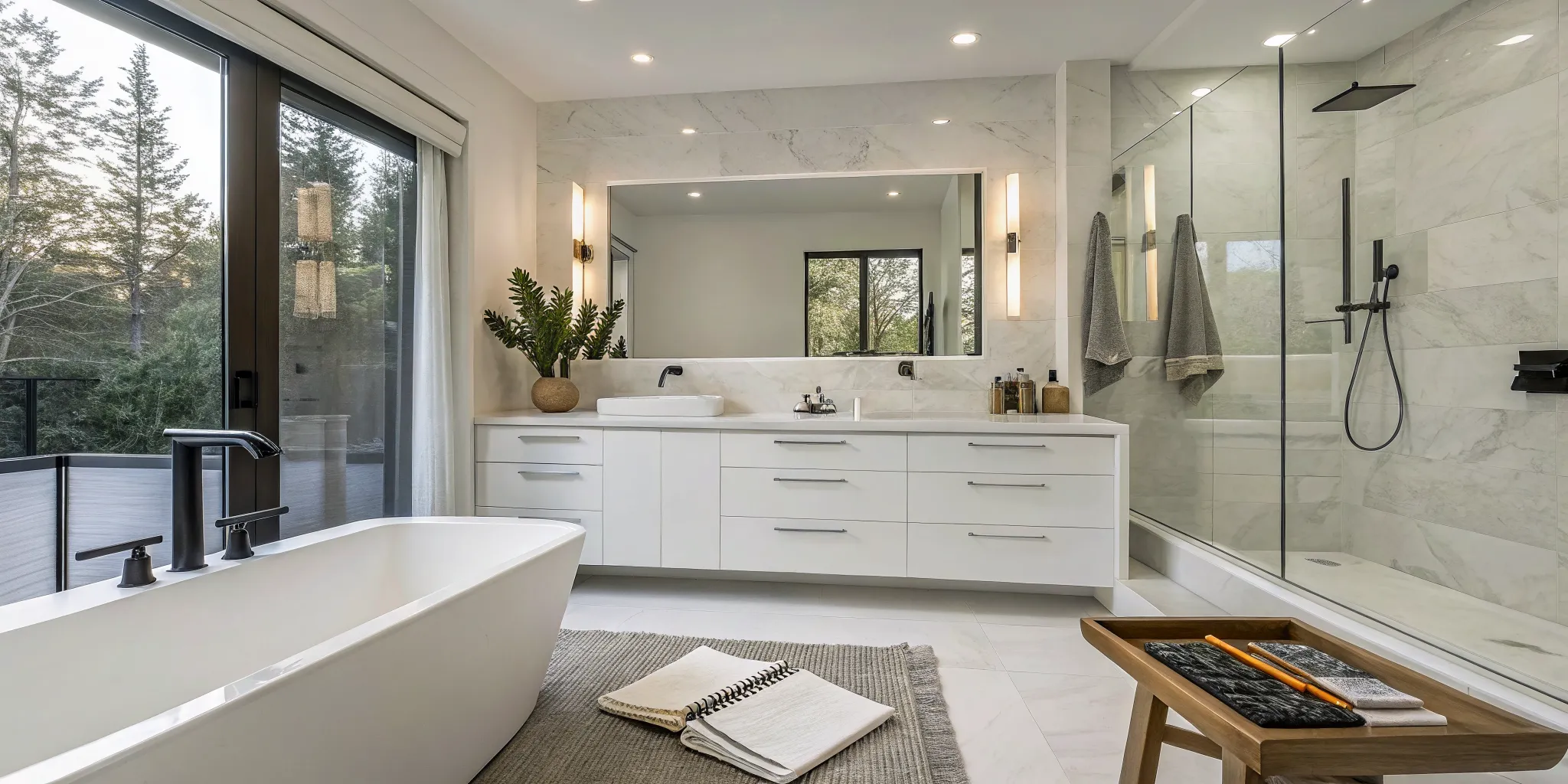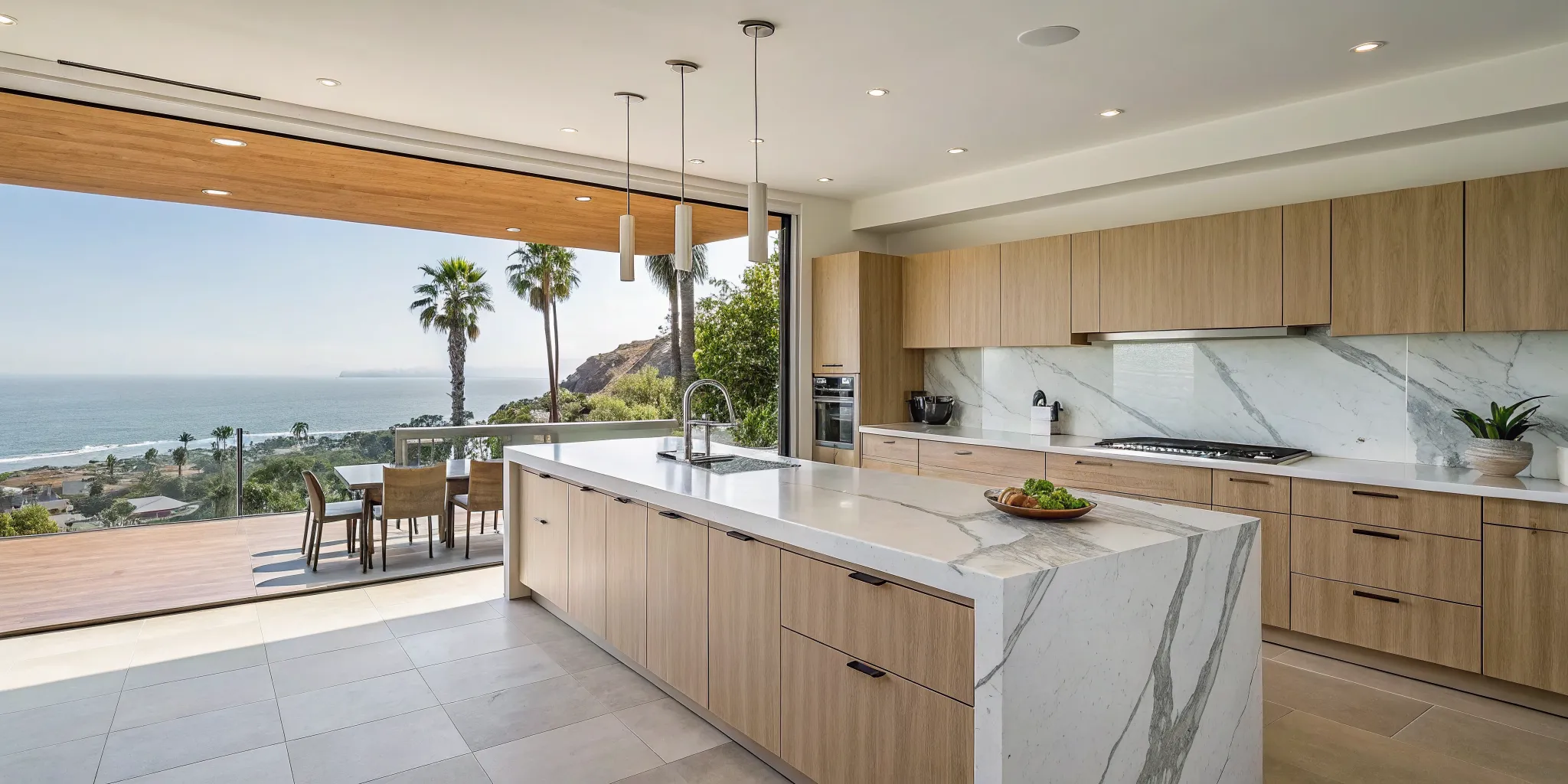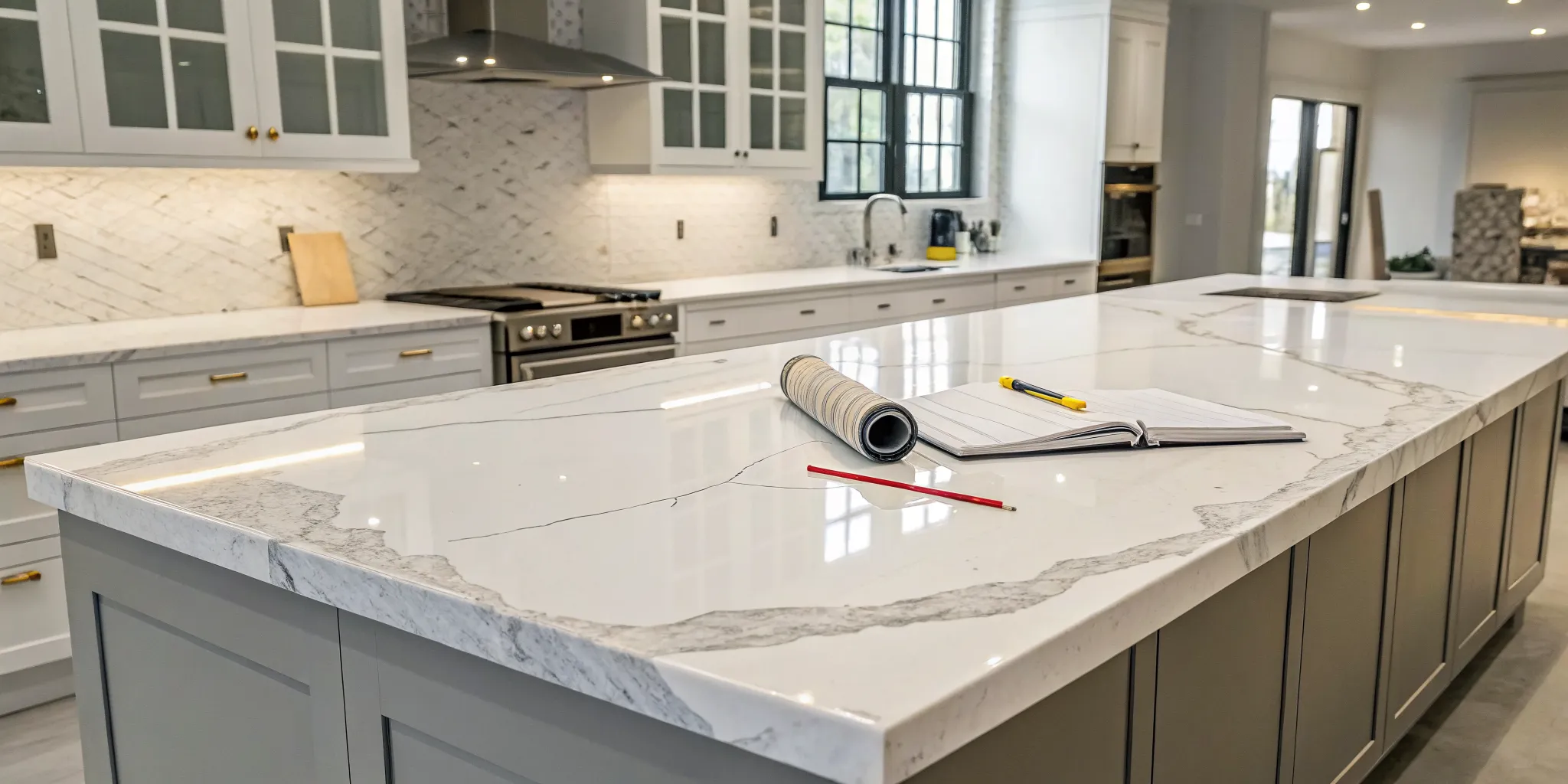
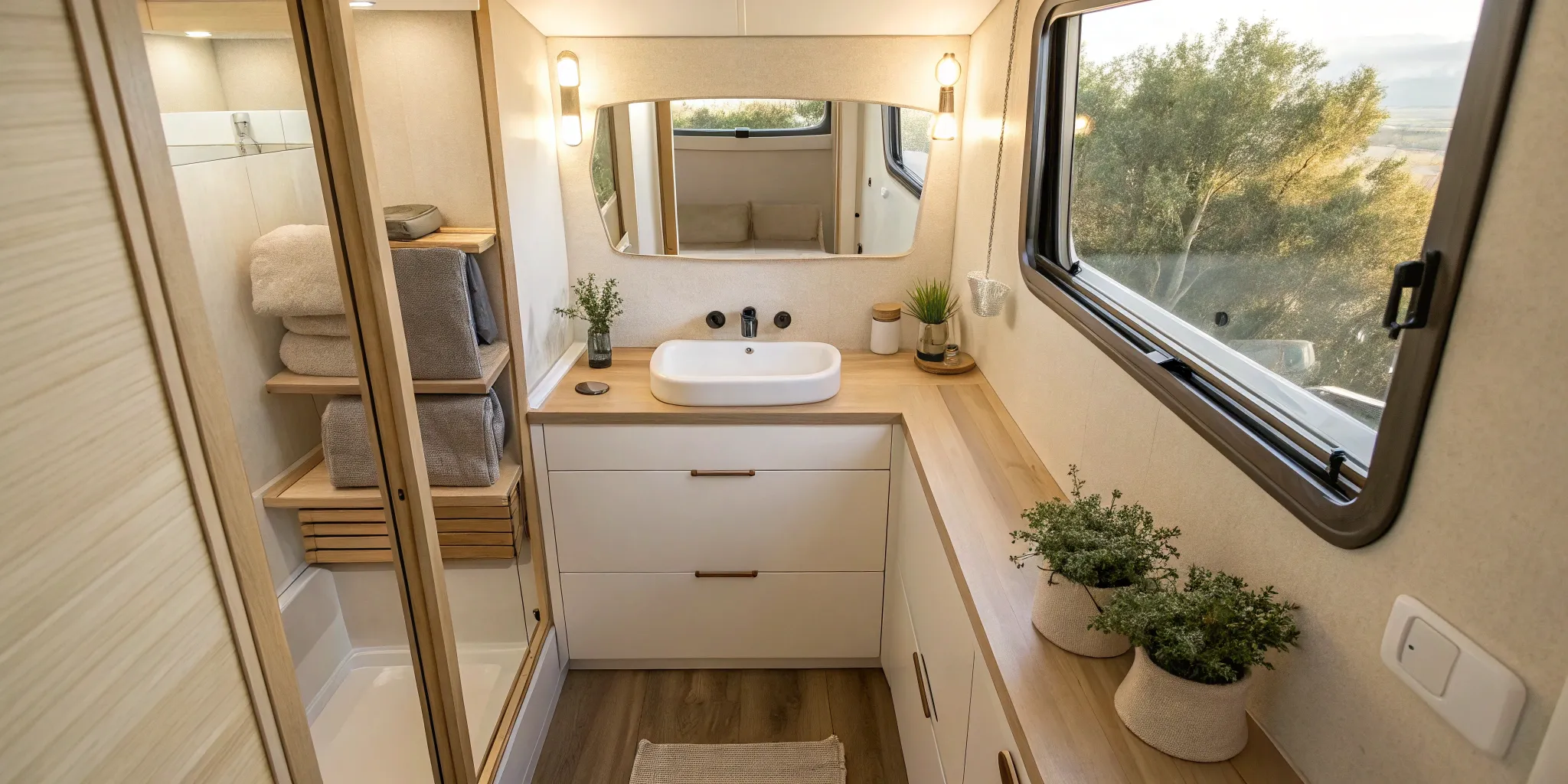
It might sound backward, but one of the best things you can do for a tiny bathroom is to use large floor tiles. The reason is simple: fewer grout lines create a less busy, more seamless surface that makes the room feel expansive. This is just one of the many counterintuitive tricks that designers use to make a small space feel grand. From floating vanities that free up floor space to vertical tile patterns that draw the eye upward, a successful project is built on clever solutions. We’re sharing our go-to bathroom remodel ideas small bathroom owners can use to maximize their space, avoid common mistakes, and create a stunning, functional room.
Key Takeaways
- Prioritize a light and cohesive design: Use a bright color palette and large-format tiles on both the floor and walls to create a seamless, expansive look. A large mirror is non-negotiable—it will amplify light and visually double your space.
- Select fixtures that create open floor space: A wall-mounted vanity and toilet instantly make a room feel larger by showing more flooring. Likewise, a frameless glass shower door removes a visual barrier, making the entire room feel more unified.
- Integrate storage without adding bulk: Maximize your walls by using vertical space with tall, slim cabinets or by building recessed niches into the shower and vanity areas. This keeps countertops clear and essentials organized without taking up valuable floor space.
How Can Design Make a Small Bathroom Feel Bigger?
When you’re working with limited square footage, every design choice matters. The goal is to trick the eye into seeing a more open, airy space using color, pattern, and light. A well-designed small bathroom feels intentional and calm, not cramped. From the paint color to the tile size, these details work together to influence how you perceive the room. Our design team uses these principles every day to help San Diego homeowners get the most out of their space.
Embrace a Light and Airy Color Palette
One of the simplest ways to open up a small room is with color. Light, neutral paint colors like soft white, beige, or light gray reflect light and create a sense of openness. Dark colors do the opposite, absorbing light and making walls feel like they’re closing in. This principle extends beyond the walls to your tiles, vanity, and countertop. A monochromatic scheme, where the walls and tile are similar in tone, can blur the room’s edges, making it feel larger. Our designers can help you explore palettes for your bathroom remodel that feel both personal and spacious.
Use Large Tiles to Create an Unbroken Look
It might seem counterintuitive, but large-format tiles are often a better choice for small bathrooms. The reason is simple: fewer grout lines. A floor covered in small tiles creates a busy grid that can visually shrink a space, while large tiles create a seamless surface that feels more expansive. This trick works for both floors and shower walls, and using the same large tile throughout creates a clean, unbroken look. As a bonus, fewer grout lines also mean less cleaning. You can explore beautiful, large-format tile and stone options at our San Diego showroom.
Add Mirrors and Reflective Surfaces
Mirrors are a classic tool for making any room feel bigger. A large mirror over the vanity can visually double the space and bounce light around, making the entire bathroom brighter. Consider a wall-to-wall mirror to maximize this effect. Beyond mirrors, incorporate other reflective surfaces like polished chrome fixtures and glossy countertops. Swapping a shower curtain for a clear glass door is another fantastic move. It removes a visual barrier, allowing your eye to see to the back wall and making the room feel like one larger space. You can see how we use these elements in our featured projects.
Which Fixtures and Layouts Save the Most Space?
The right fixtures can completely change the flow and feel of a compact bathroom. It’s not just about choosing smaller items; it’s about selecting smart designs that create a sense of openness. By rethinking the layout and opting for space-conscious pieces, you can make even the tightest bathroom feel functional and uncluttered. From wall-mounted vanities to clever shower configurations, every choice contributes to a more spacious design. Our design team helps homeowners select the perfect fixtures for their space during a visit to our private San Diego showroom, ensuring every element works together. Let’s look at a few key strategies that make a big impact.
Float Your Vanity and Toilet to Free Up Floors
One of the best ways to create the illusion of space is to get things off the floor. A floating vanity or a wall-mounted toilet instantly makes a room feel larger because your eye can see the flooring extend all the way to the wall. This simple trick keeps the floor clear, which not only looks cleaner but also makes mopping a breeze. These fixtures lend a modern, airy feel to any bathroom remodel and are perfect for minimalist aesthetics. Plus, you can even use the open space underneath for stylish storage baskets to hold towels or toiletries without adding visual bulk.
Consider Corner Sinks and Compact Showers
Awkward corners often become dead space, but in a small bathroom, every inch counts. A corner sink is a brilliant solution that tucks neatly out of the way, freeing up valuable wall and floor area for better traffic flow. Similarly, a corner shower stall can be a game-changer. For an even more open feel, consider a walk-in shower with a frameless glass door. The clear glass prevents the shower from visually chopping up the room, allowing light to pass through and making the entire space feel more expansive and cohesive. You can see examples of these clever layouts in our featured projects.
Decide Between a Walk-In Shower and a Tub
This is often the biggest layout decision in a small bathroom. If you rarely take baths, converting an old tub into a sleek walk-in shower is a fantastic way to open up the room. It eliminates the high step-over of a tub and creates a more accessible, spa-like environment. However, if a bathtub is a must-have for your family, a shower-tub combo is still a great, practical option. The key is to choose a streamlined model and pair it with a simple glass door or a light-colored curtain to avoid overwhelming the space. Our design-build process helps you weigh these options to find the perfect fit for your lifestyle.
How Can You Maximize Storage in a Small Bathroom?
A small bathroom doesn’t have to feel like a cluttered closet. The secret to a serene, functional space isn’t about knocking down walls—it’s about smart, strategic storage. With a thoughtful design, you can create a designated spot for every bottle, towel, and tool, making your daily routine feel seamless. A successful bathroom remodeling project hinges on maximizing every square inch for both beauty and utility. Instead of letting clutter pile up on the counter, let’s explore how you can integrate clever storage solutions that make your bathroom feel organized and expansive. By thinking vertically, carving out hidden spaces, and choosing hard-working furniture, you can transform your compact bathroom into a surprisingly spacious retreat.
Think Vertically with Tall, Slim Cabinets
When floor space is at a premium, the only way to go is up. Tall, slender cabinets are a game-changer in small bathrooms because they draw the eye upward, creating an illusion of height and openness while offering a ton of storage. A floor-to-ceiling linen tower or a slim cabinet placed over the toilet can house extra towels, toiletries, and cleaning supplies without taking up valuable square footage. This approach keeps your essentials accessible but neatly tucked away. You can see how we’ve integrated vertical storage in some of our featured projects to create a clean, uncluttered look.
Carve Out Space with Built-In Niches
One of the most elegant storage solutions is one that’s built right into the wall. Adding recessed niches in your shower or next to the sink creates sleek, practical storage without taking up any floor or elbow room. A shower niche is the perfect spot for shampoo and soap, eliminating the need for clumsy caddies. Outside the shower, a larger niche can serve as a beautiful display area for rolled towels, plants, or decor. Because they are integrated into the wall, these built-ins contribute to a custom, high-end feel, turning a simple storage feature into a design statement.
Choose Smart, Multi-Functional Furniture
Your vanity is the hardest-working piece of furniture in your bathroom, so make it count. Instead of a pedestal sink that offers zero storage, opt for a vanity with a combination of deep drawers and cabinets. Drawers are especially useful for organizing smaller items that tend to get lost in the back of a cavernous cabinet. Even a modest 36- or 40-inch vanity can provide enough hidden storage for toiletries, styling tools, and extra toilet paper. Visiting a showroom can help you compare different styles and find the perfect fit for your space and storage needs.
What’s the Best Lighting for a Small Bathroom?
Good lighting is one of the most powerful tools in a designer’s toolkit, especially in a compact space. The right lighting plan can make a small bathroom feel open, airy, and functional, while the wrong one can make it feel like a cramped, shadowy cave. It’s not just about adding a single bright fixture overhead; it’s about creating layers of light that work together to serve different purposes, from your morning routine to a relaxing evening soak.
A thoughtful lighting strategy combines ambient, task, and accent lighting to eliminate dark corners and create an inviting atmosphere. It also takes advantage of any available natural light to connect the room to the outdoors. By placing fixtures strategically, you can highlight your beautiful new tile, make getting ready easier, and trick the eye into seeing a much larger space. When we guide clients through our bathroom remodeling process, we spend a lot of time perfecting the lighting plan because we know it makes all the difference in the final result.
Layer Your Lighting for Mood and Function
The secret to a perfectly lit bathroom is layering. Instead of relying on one overhead light, think in terms of three distinct types. First is ambient lighting, the general illumination that brightens the whole room, often from recessed cans or a stylish flush-mount fixture. Next is task lighting, which is focused on helping you see clearly for grooming. This is typically a pair of sconces flanking the mirror. Finally, accent lighting adds a touch of drama and warmth. Think of a soft glow from an LED strip tucked under a floating vanity or inside a shower niche. Combining these layers gives you ultimate control over the room’s mood and functionality.
Make the Most of Natural Light
If your bathroom has a window, you’ve hit the jackpot. Natural light is the best way to make any room feel bigger and more pleasant. To maximize it, opt for light and airy window treatments that offer privacy without blocking the sun, like sheer blinds or frosted glass. If you don’t have a window, all is not lost. During your remodel, you could consider adding a skylight or a solar tube to channel daylight into the space. Our design team can help you explore all the options during our process to find a solution that works for your home’s architecture and your budget.
Place Fixtures Strategically to Brighten the Room
Where you put your lights matters just as much as which ones you choose. A single fixture directly over the mirror is a common mistake that casts unflattering shadows on your face. A much better approach is to place vertical sconces on either side of the mirror at eye level. This provides even, shadow-free light for shaving or applying makeup. We also highly recommend putting all your lights on dimmer switches. This simple addition lets you dial up the brightness when you need it and create a soft, relaxing glow when you don’t. You can see examples of our lighting designs in our featured projects.
What Are the Smartest Layouts for Small Bathrooms?
The layout is the backbone of any successful bathroom remodel. In a small space, it’s everything. A smart floor plan can make a compact bathroom feel open, functional, and far more spacious than its square footage suggests. The key is to think strategically about where every major element goes, from the door you walk through to the sink you use every day. By optimizing the flow and placement of fixtures, you create a room that works for you, not against you. Let’s look at a few proven layouts that make the most of every inch.
Try a Single-Wall Layout for Narrow Rooms
If you’re working with a long, narrow bathroom, a single-wall layout is your best friend. This approach lines up the toilet, sink, and shower along one wall, creating a clean, unobstructed pathway on the other side. It’s an incredibly efficient use of space that simplifies plumbing and electrical runs, which can also be a nice bonus for your budget. The trick is to be ruthless with your choices. Do you really need two sinks, or will one beautiful, functional vanity suffice? Could a sleek walk-in shower work better than a bulky tub? Our design team helps you answer these questions to create a bathroom remodel that prioritizes what you’ll actually use every day.
Use Awkward Corners to Your Advantage
In a small bathroom, awkward corners aren’t dead space—they’re opportunities. Instead of trying to fit a standard rectangular vanity or shower along a flat wall, consider using a corner to your advantage. A corner-fit vanity can open up floor space and improve traffic flow, while a neo-angle shower stall tucks neatly away, making the room feel much larger. This is where custom solutions really shine. By designing for your specific room, you can transform a challenging corner into a fully functional feature. You can see how we’ve handled unique layouts in some of our featured projects, turning tricky spaces into stunning, practical bathrooms.
Install a Pocket or Barn Door to Save Swing Space
A traditional swinging door can be a major space-waster. Think about it: you need to keep a whole section of your floor clear just so the door can open. In a tight bathroom, that’s valuable real estate you could use for a larger vanity, more storage, or simply more breathing room. A pocket door, which slides directly into the wall, is the ultimate space-saver. It completely disappears when open, creating a seamless transition. A sliding barn door is another great option that mounts on an exterior track. It adds a distinct design element while freeing up that crucial floor space. This one change can dramatically alter how you move around and use your bathroom.
Which Tile and Flooring Choices Expand the Room?
The tile and flooring you choose are more than just a surface—they’re the foundation of your bathroom’s design. In a small space, these choices are critical. The right material, color, and pattern can trick the eye, making the room feel open, airy, and much larger than its actual footprint. It’s one of the most powerful tools we use when planning a bathroom remodel because it sets the stage for everything else. Let’s look at a few key strategies that work every time.
The Great Debate: Large vs. Small Tiles
It might seem counterintuitive, but large-format tiles are your best friend in a small bathroom. Think 12×24-inch or even larger. The magic is in the grout lines—or rather, the lack of them. Fewer lines mean less visual clutter, creating a clean, unbroken surface that makes the floor and walls feel more expansive. This seamless look gives the illusion of a single, continuous plane, which helps the room breathe. As a bonus, fewer grout lines also mean less scrubbing, which is a win for any homeowner. Choosing a lighter color for these large tiles will also reflect more light, amplifying that spacious feeling.
Draw the Eye Upward with Vertical Patterns
If your small bathroom feels a bit short or cramped, you can create the illusion of height with tile. Instead of a traditional horizontal layout, ask your designer to install tiles in a vertical pattern, especially on the shower walls. This simple switch draws the eye upward, making the ceiling feel much higher than it is. This technique works beautifully with rectangular tiles, like a classic subway tile turned on its end or a modern plank tile. It’s a strategic design choice that adds a touch of custom detail while making the entire room feel more open and grand. You can explore different tile and stone options at our design showroom to see this effect for yourself.
Keep Your Flooring Consistent
One of the easiest ways to make a small bathroom feel larger is to create a seamless flow. Using the same flooring throughout the entire space, including inside a curbless walk-in shower, erases the visual barriers that chop up a room. This continuous look unifies the floor plan and makes it feel more expansive. For an even greater effect, consider using a similar light-toned tile on the walls. When the floor and walls blend together, the boundaries of the room become less defined, creating a serene, spa-like atmosphere. You can see how we apply this principle in our past remodeling projects across San Diego.
What Are Some Clever Storage Solutions for Tight Spaces?
A small bathroom doesn’t have to feel cluttered. The secret to a serene, functional space lies in smart storage that works with your design, not against it. Instead of cramming in bulky furniture, the best solutions use hidden nooks, vertical space, and multi-functional fixtures to keep your countertops clear and your essentials organized. A well-planned bathroom remodel can transform a cramped room into an efficient and beautiful retreat.
The goal is to create designated spots for everything, from extra towels to your daily skincare routine, so the room feels tidy and easy to use. By building storage into the architecture of the room—like carving out niches or recessing cabinets—you can maintain clean lines and an open feel. It’s about making every square inch count without sacrificing style. Let’s look at a few clever ways to integrate storage seamlessly into your small bathroom.
Install Open Floating Shelves
Floating shelves are a small bathroom’s best friend. They offer valuable storage without the visual weight of traditional cabinetry, keeping the room feeling light and airy. Use the empty wall space above your toilet or next to the vanity to stack folded towels, store toiletries in decorative baskets, or display a small plant. This approach draws the eye upward, creating an illusion of height.
Because the items are on display, floating shelves encourage you to be intentional about what you store. They’re perfect for things you want to keep within reach but that also add to the room’s aesthetic. You can see beautiful examples of how we integrate shelving in our featured projects.
Hide Clutter Behind a Medicine Cabinet Mirror
A mirrored medicine cabinet is a classic for a reason—it’s a two-for-one solution that provides hidden storage and expands the room visually. A large mirror reflects light, making the entire bathroom feel brighter and more spacious. By choosing a recessed model that sits flush with the wall, you get all the storage benefits without anything jutting out into your space.
This is the perfect spot to tuck away daily necessities like toothbrushes, medications, and skincare products, keeping your vanity countertop completely clear. Modern medicine cabinets come in a variety of styles and sizes, and exploring options at our San Diego showroom can help you find the perfect fit for your design.
Add a Recessed Shower Niche for Essentials
Tired of knocking over shampoo bottles or dealing with a rusty shower caddy? A recessed shower niche is the elegant solution you’re looking for. This built-in shelf is carved directly into the shower wall, creating a sleek, waterproof cubby for your soaps and shampoos. It keeps everything off the floor and within easy reach, resulting in a cleaner, more streamlined shower experience.
Because it’s built into the wall, a niche doesn’t take up any elbow room, which is a huge plus in a compact shower. It also offers a great opportunity to add a pop of personality with a contrasting accent tile. Planning for a niche is a key step in our process, as it’s something that needs to be framed and waterproofed correctly during the build.
How Can You Refresh a Small Bathroom on a Budget?
A small bathroom refresh doesn’t always require a full-scale renovation. If you’re working with a tight budget or just want to give your space a quick facelift, a few strategic updates can make a world of difference. Focusing on high-impact changes allows you to transform the look and feel of your bathroom without moving walls or replacing major fixtures. These weekend-friendly projects are perfect for adding personality and improving function, proving that even small changes can deliver a big reward.
Swap Out Paint and Hardware for a Quick Win
Never underestimate the power of a fresh coat of paint. It’s one of the most cost-effective ways to completely change the mood of a room. To make your small bathroom feel larger and more open, choose light, neutral colors like soft white, pale gray, or a barely-there blue. These shades reflect more light, creating an airy and spacious atmosphere. While you have your tools out, consider swapping your old cabinet knobs, drawer pulls, and towel racks. This simple update takes less than an hour but can instantly modernize an outdated vanity and tie the whole room together. It’s a small detail that gives your bathroom remodel a polished, intentional look.
Update Faucets and Light Fixtures
Dated fixtures can make an entire bathroom feel stuck in the past. Upgrading your sink faucet and light fixtures is a fantastic way to introduce a more current style. A sleek, modern faucet in a finish like matte black or brushed brass can serve as a stunning focal point. Similarly, replacing a bulky, builder-grade vanity light with elegant wall sconces or a chic overhead fixture will brighten the room and add a touch of sophistication. Good lighting is essential in a small space, as it eliminates shadows and makes the room feel more inviting. You can see how different fixture styles impact the final design by exploring our featured projects for inspiration.
Get Creative with DIY Organizers
Clutter is the enemy of a small bathroom. The key to a serene space is smart, accessible storage. Think vertically to draw the eye upward and free up precious counter space. Install floating shelves above the toilet to hold decorative items and everyday essentials, or add a tall, narrow shelving unit in an unused corner. Another clever solution is a recessed medicine cabinet, which offers hidden storage without protruding into the room. For a personal touch, add stylish baskets to hold towels or woven trays to organize toiletries on a shelf. These creative solutions not only keep you organized but also add texture and character to your bathroom design.
What Common Mistakes Should You Avoid?
Knowing what not to do is just as important as having a list of great ideas. A small bathroom remodel is a game of inches, and a few common missteps can quickly make your new space feel cramped, cluttered, and dark. The goal is to create a room that feels open and functional, not one that you’re constantly bumping into things in. By sidestepping these typical pitfalls, you can ensure your investment results in a beautiful, efficient bathroom you’ll love for years. From color choices to fixture selection, a little foresight goes a long way. Let’s walk through the mistakes we see most often so you can confidently plan your project.
Using Dark Colors or Busy Patterns
While a bold, dramatic powder room can be a statement, using dark colors or busy patterns in a small, everyday bathroom can backfire. Deep hues tend to absorb light, making the walls feel like they’re closing in. Similarly, complex patterns—think intricate floor tiles or loud wallpaper—create a lot of visual noise that can overwhelm the space and make it feel chaotic and smaller. Instead, opt for a lighter color palette. Soft whites, light grays, and subtle pastels reflect light, creating an airy and open atmosphere. If you love pattern, consider using it as a small accent, like a simple tile band in the shower, rather than on a large surface. You can explore beautiful, space-expanding materials at our San Diego showroom.
Overcrowding the Room with Bulky Fixtures
Every fixture in a small bathroom should be chosen with its footprint in mind. A standard, heavy vanity that sits on the floor can eat up valuable visual real estate and make the room feel weighed down. The same goes for a bulky toilet or an oversized sink. To maximize the sense of space, choose fixtures that create an open feel. A floating vanity or a wall-mounted toilet instantly makes the room feel larger because your eye can see the flooring underneath. A corner sink can be a brilliant solution for a tight layout, and a sleek pedestal sink is a classic choice for freeing up floor space. Our bathroom remodeling team specializes in selecting streamlined fixtures that are both beautiful and perfectly scaled for your room.
Forgetting About Ventilation and Vertical Space
Two crucial elements that often get overlooked are air and height. First, proper ventilation is non-negotiable in a small bathroom, where steam builds up quickly. A high-quality, quiet exhaust fan is essential to prevent moisture issues like mold and peeling paint. Second, don’t forget to look up! The walls offer a ton of untapped storage potential. Instead of cluttering the countertop, use vertical space by installing tall, slim cabinets or open shelving above the toilet. Recessed medicine cabinets and built-in shower niches are other smart ways to add storage without taking up any floor space. Thinking vertically keeps surfaces clear and makes the room feel more organized and spacious. Our design-build process ensures these functional details are planned from the very beginning.
Related Articles
Frequently Asked Questions
Is a walk-in shower always a better choice than a tub in a small bathroom? Not necessarily. While a walk-in shower with a clear glass door is a fantastic way to open up a room visually, the best choice really comes down to your lifestyle. If you never take baths and want a more open, spa-like feel, converting a tub to a shower is a great move. However, if you have young children or a bathtub is a non-negotiable for your relaxation routine, a streamlined shower-tub combo is still a perfectly practical and stylish option.
I’m still not convinced—will large tiles really make my tiny bathroom look bigger? I know it sounds completely backward, but yes, they absolutely do. The magic is in the grout lines. A floor with lots of small tiles creates a busy grid pattern that visually chops up the space, making it feel smaller. Large tiles have far fewer grout lines, creating a cleaner, more seamless surface that tricks your eye into seeing one continuous, expansive area. Think of it as creating a calm foundation for the rest of your design.
My bathroom has no windows. What are my best options for making it feel bright? A windowless bathroom is a common challenge, but you can definitely make it feel bright and airy with a smart lighting plan. The key is to layer your lighting. Start with great ambient light from recessed cans or a flush-mount fixture, then add task lighting, like a pair of sconces on either side of the mirror, to eliminate shadows. Finally, place a large mirror on the wall to bounce all that light around the room. This combination will make the space feel much more open and inviting.
If I’m on a tight budget, what’s the one change that will make the biggest impact? For the most significant transformation on a budget, focus on paint and lighting. A fresh coat of a light, neutral paint color is the fastest way to make the entire room feel cleaner, brighter, and larger. Pairing that with an updated light fixture—swapping an old, dated vanity light for something more modern—can completely change the character of the space without requiring a major renovation.
How do I even begin to plan a new layout for my small bathroom? The best place to start is by thinking about how you actually use the space. Take note of the current pain points. Is the door always in the way? Is the vanity too small? Make a simple list of what works and what doesn’t. Then, create a list of your absolute must-haves for the new space. Having this clarity before you begin the design process will help you and your design team make smart, effective decisions that truly improve the room’s function.