When planning a remodel in San Diego, looking at national averages for cabinet costs can be misleading. The cost to replace kitchen cabinets right here in our community is influenced by local factors, from regional labor rates to specific material sourcing and delivery fees. This guide is written for San Diego homeowners like you. We’ll break down the pricing you can actually expect to see in our area, helping you set a realistic budget for your project. Forget the generic online calculators; let’s talk about what it truly costs to build a beautiful, lasting kitchen in your San Diego home.
Key Takeaways
- Balance Customization with Cost: Your biggest budget decision is choosing between stock, semi-custom, and custom cabinets. Stock is the most affordable, semi-custom offers a great middle ground, and custom provides a perfect fit for a higher investment.
- Look Beyond the Cabinet Price Tag: A realistic budget includes more than just the cabinets. Remember to account for professional installation, hardware, demolition of old cabinets, and any necessary plumbing or electrical work to get a true total cost.
- Keep Your Layout to Control Your Budget: The most effective way to save is to work within your kitchen’s existing footprint, avoiding the high cost of moving utilities. Smart material choices and mixing cabinet styles can also help you save without sacrificing quality.
How Much Does It Cost to Replace Kitchen Cabinets?
Figuring out a budget for new kitchen cabinets can feel like a moving target. The final price tag depends on your kitchen’s size, the materials you choose, and the level of customization you’re after. While there’s no single answer, understanding the typical cost ranges and what drives them can help you plan your project with confidence. Think of it less as an expense and more as an investment in your home’s daily function and long-term value. Let’s break down what you can expect.
A Look at Average Costs by Cabinet Type
The type of cabinet you select is the biggest factor in your overall cost. Stock cabinets are the most budget-friendly, typically running from $100 to $280 per linear foot. They come in standard sizes and finishes right off the shelf. For more flexibility, semi-custom cabinets offer a middle ground with more style and size options, generally costing between $3,000 and $8,500 for a standard kitchen. If you’re looking for a perfect fit and unique design, fully custom cabinets are built to your exact specifications, with costs often starting around $12,500 and going up from there.
How Kitchen Size Impacts Your Budget
It’s a straightforward rule: the bigger your kitchen, the more you’ll spend on cabinets. A larger space simply requires more materials and more time for installation. But it’s not just about square footage. The complexity of your layout also plays a key role. Features like a kitchen island, a peninsula, or custom pantry units will increase the number of cabinets needed, adding to the final cost. Our design and build process starts with careful space planning to make sure your new layout is as efficient as it is beautiful, ensuring every dollar is well spent.
What’s the ROI on New Cabinets?
New kitchen cabinets don’t just improve your daily life; they’re also a smart financial move. A quality kitchen remodel is one of the best ways to increase your home’s market value. In fact, homeowners can expect to see a return on investment (ROI) of around 69% from their kitchen renovation. This means you can recoup a significant portion of the cost when it’s time to sell. Investing in durable, stylish cabinets creates a space you’ll love for years and adds tangible value that future buyers will notice. You can see the impact in our featured projects across San Diego.
What Factors Influence Cabinet Replacement Costs?
When you start budgeting for a kitchen remodel, you’ll quickly find that cabinet replacement is one of the biggest line items. But the final cost isn’t a single, fixed number. It’s influenced by a handful of key variables that work together to determine your total investment. Understanding these factors from the start helps you set a realistic budget and make informed decisions that align with your goals for the space.
The main drivers behind your cabinet quote are the materials you choose, the size and complexity of your kitchen’s layout, the cost of professional labor, and even your home’s location. Each of these elements plays a significant role in shaping the final price. Let’s break down exactly how they impact your budget so you can plan your kitchen remodeling project with confidence.
Cabinet Materials and Quality
The material you choose for your cabinets is one of the most significant factors driving the cost. From durable hardwoods to budget-friendly laminates, the options are vast, and each comes with a different price point. Solid woods like cherry and walnut are on the higher end, prized for their beauty and longevity, while options like alder or engineered wood offer a beautiful look for less.
The quality of construction also matters. Are the drawers dovetail-jointed? Do the doors have soft-close hinges? These details contribute to how your cabinets function day-to-day and how long they’ll last. The best way to understand the difference is to see and feel them in person. Visiting a design showroom allows you to compare materials side-by-side and find the perfect balance of style, durability, and price for your home.
Your Kitchen’s Size and Layout
It’s a simple rule: the bigger your kitchen, the more you’ll spend on cabinets. More square footage means more linear feet of cabinetry, which increases both material and installation costs. But it’s not just about size; the complexity of your kitchen’s layout also plays a major role. A simple, straight run of cabinets along one wall will be far less expensive than a U-shaped kitchen with a large central island, a built-in pantry, and custom corner units.
Features like islands, peninsulas, or appliance garages require more material and specialized craftsmanship to build and install correctly. If your new design involves changing the kitchen’s footprint, that will also add to the cost. You can see how different layouts come to life by looking through a portfolio of featured projects for inspiration.
Labor and Installation Fees
While it might be tempting to save money with a DIY installation or by hiring a general handyman, cabinet installation is a precision job that’s best left to experienced professionals. Improperly installed cabinets can lead to uneven surfaces, misaligned doors, and even structural issues down the road—costly mistakes that are difficult to fix. Professional installation ensures your cabinets are level, secure, and built to last.
Labor costs typically cover the removal and disposal of your old cabinets, the assembly and installation of the new ones, and any necessary adjustments. At King Remodeling, our in-house crews are experts in their craft, ensuring every detail is handled correctly. Our integrated design-build process means installation is a seamless part of your project, not an afterthought.
Your Location
Where you live has a direct impact on remodeling costs, and San Diego is no exception. Labor rates, material delivery fees, and local business operating costs all vary by region. A quote you see on a national website or from a contractor in another state likely won’t reflect the realities of our local market.
Working with a local, established firm means you’re getting pricing that’s accurate for San Diego County. It also means your team understands local building codes and permitting requirements, which prevents unexpected delays and expenses. For a precise and reliable estimate tailored to your home and project goals, it’s always best to get in touch with a local expert who can provide a detailed, fixed-price proposal.
Breaking Down Costs by Cabinet Type
One of the biggest decisions you’ll make in your kitchen remodel is choosing the right cabinets. They set the tone for the entire space and represent a significant portion of your budget. The type you choose—stock, semi-custom, or fully custom—directly impacts the total cost. Each option offers a different balance of price, personalization, and production time. Understanding these differences is the first step to creating a realistic budget and a kitchen you’ll love.
Stock Cabinets: The Budget-Friendly Option
Stock cabinets are your most straightforward, off-the-shelf option. They are mass-produced in standard sizes and come in a limited range of styles and finishes. Because they’re made in bulk, they are readily available and the most affordable choice, typically running from $100 to $300 per linear foot. This makes them a great starting point if you’re working with a tight budget or a quick timeline. The main trade-off is flexibility. You’re limited to the manufacturer’s set dimensions and designs, which can sometimes create challenges with unique kitchen layouts or achieving a specific aesthetic.
Semi-Custom Cabinets: A Mix of Style and Value
If you want more personality than stock cabinets can offer but don’t need a fully custom solution, semi-custom cabinets are the perfect middle ground. They start with standard cabinet sizes but give you a much wider array of options for door styles, finishes, and storage features. This flexibility allows you to get a more personalized look that fits your space better. Expect to invest between $200 and $550 per linear foot. For many homeowners, this option provides the ideal blend of design freedom and value, making it a popular choice for kitchen remodeling projects.
Custom Cabinets: Designed Just for You
For a kitchen that is truly one-of-a-kind, custom cabinets are the ultimate choice. They are designed and built from scratch to your exact specifications, allowing for complete control over material, style, size, and finish. This is the best way to maximize every inch of your space, especially in kitchens with unusual layouts or specific design challenges. Because they are handcrafted just for you, custom cabinets are the most significant investment, generally ranging from $500 to $1,200 per linear foot. The result is unparalleled quality and a perfect fit, which you can see in our portfolio of featured projects.
RTA Cabinets: The DIY-Friendly Choice
Ready-to-assemble (RTA) cabinets are sold in flat-packed boxes and, as the name suggests, require you to build them yourself. This DIY approach significantly cuts down on labor costs, making them one of the cheapest options upfront. The quality and price can vary widely, from around $80 to $500 per cabinet, depending on the materials. While the initial savings are tempting, remember to factor in the time and skill required for assembly. A poor assembly can lead to wobbly cabinets or uneven doors. For a seamless and lasting result, professional design and installation are almost always worth the investment.
Don’t Forget These “Hidden” Costs
When you’re budgeting for a cabinet replacement, it’s easy to focus on the price of the cabinets themselves. But a successful kitchen remodel involves more than just the boxes and doors. Several other costs can impact your total investment, and knowing about them upfront is the key to a smooth, surprise-free project. Think of these not as “hidden” fees, but as essential components of a complete and professional installation.
A detailed, fixed-price proposal from a design-build firm will account for these items from the start, giving you a clear and comprehensive picture of your total cost. Let’s break down the common expenses that are easy to overlook but crucial for getting the job done right.
Removing Your Old Cabinets
Before the beautiful new cabinets can go in, the old ones have to come out. This isn’t just a matter of unscrewing them from the wall. Demolition requires careful labor to avoid damaging your walls, floors, and plumbing. It also includes the cost of hauling away and properly disposing of the old materials. While it’s an added line item, professional removal ensures you have a clean, properly prepped slate for your new kitchen, preventing issues and delays down the road.
Hardware and Finishing Touches
The details are what truly make a kitchen feel finished and personal. Cabinet hardware—the knobs and pulls you use every day—is a major style element. Beyond hardware, you’ll want to budget for finishing touches like crown molding, light rail molding for under-cabinet lighting, or decorative panels for the ends of your cabinets. These elements create a polished, high-end look. Visiting a showroom is the best way to see these options firsthand and understand how they contribute to the overall aesthetic and cost.
Plumbing or Electrical Work
Are you dreaming of an island with a prep sink? Or maybe some sleek under-cabinet lighting to brighten up your countertops? Any time you change your kitchen’s layout or add new appliances and fixtures, you’ll likely need a licensed plumber or electrician. Moving a water line for a pot filler, adding outlets for a new appliance garage, or wiring for new pendant lights are all common tasks that require professional trade work to be done safely and up to code.
Permits and Inspections
Depending on the scope of your remodel, your project may require permits from the city. This is especially true if you’re moving walls or altering plumbing and electrical systems. While it might seem like a hassle, the permitting and inspection process is designed to protect you, ensuring all work is done to current safety standards. Our end-to-end process includes managing all necessary permits and coordinating inspections, so you don’t have to worry about the paperwork or scheduling.
Special Features and Upgrades
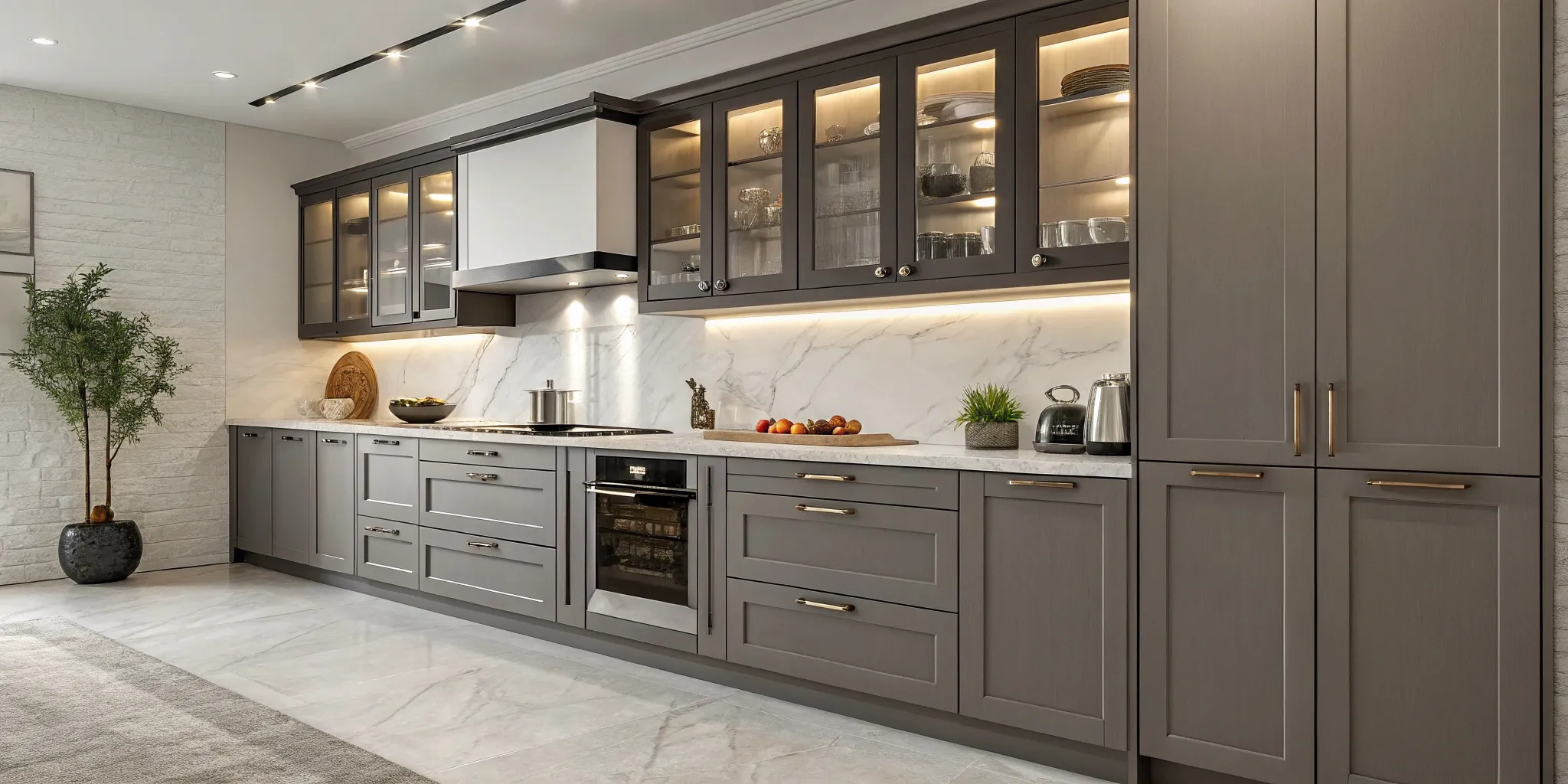
This is where you can truly customize your kitchen to fit your lifestyle. Functional upgrades like soft-close hinges, full-extension drawers, pull-out spice racks, and built-in trash and recycling centers can transform how you use your space. Aesthetic upgrades like glass-front doors, custom range hoods, or a unique finish can also add to the cost. It’s helpful to make a “must-have” and a “nice-to-have” list to prioritize these features and decide where you want to invest.
How to Save on New Cabinets (Without Cutting Corners)
New cabinets are a major investment, but that doesn’t mean you have to drain your savings to get a look you love. With a bit of strategic planning, you can make smart choices that deliver high-end style without the shocking price tag. The key isn’t about finding the cheapest option; it’s about allocating your budget wisely to achieve the best possible outcome. A beautiful, functional kitchen is always the goal, and cutting the wrong corners can lead to regrets and costly fixes later on.
Instead of focusing on shortcuts, think about value. Where can you be flexible, and what elements are non-negotiable for you? From rethinking your layout to being savvy about materials, there are several ways to manage costs effectively. Working with an experienced design-build team can also make a huge difference, as they can guide you toward cost-effective solutions you might not have considered. Let’s explore a few practical ways to get the most out of your kitchen remodeling budget.
Keep Your Kitchen’s Current Layout
One of the most effective ways to manage your remodel budget has nothing to do with the cabinets themselves—it’s about the floor plan. While it can be tempting to move the sink or shift the range to the other side of the room, these changes come with a significant cost. Keeping your kitchen’s current layout helps you avoid moving plumbing or electrical lines, which can save you thousands in labor and materials. A talented designer can work wonders within your existing footprint, improving workflow and aesthetics without the expense of a total reconfiguration.
Mix and Match Cabinet Styles
You don’t have to commit to a single cabinet style throughout your entire kitchen. In fact, mixing things up can add depth, personality, and save you money. Consider using a more affordable, simple cabinet style—like a classic Shaker—for your perimeter cabinets, then splurging on a more detailed or custom design for your kitchen island. This creates a beautiful focal point without the cost of outfitting the whole room in premium cabinetry. This approach allows for a unique look while being strategic with your funds. You can see examples of this in many of our featured projects.
Choose Smart, Budget-Friendly Materials
Solid wood is a classic choice, but it’s not the only option for beautiful, durable cabinets. Modern materials can offer incredible performance at a more accessible price point. For painted cabinets, Medium Density Fiberboard (MDF) is an excellent choice because its stable structure resists the cracking and warping that can happen with solid wood due to temperature and humidity changes. Many high-quality cabinet lines use MDF for their painted doors for this very reason. Visiting our San Diego showroom is a great way to see and touch these different materials firsthand to understand their quality.
Weigh Pro Installation vs. DIY
While installing cabinets yourself might seem like a great way to save on labor, it’s a job that requires precision and expertise. Improperly installed cabinets can look uneven, function poorly, and even pose a safety risk. Hiring professionals to install your cabinets ensures they are perfectly level, securely mounted, and built to last. While professional installation adds to the upfront cost, it protects your investment and prevents expensive mistakes. Following a proven installation process guarantees a polished, durable result that you’ll enjoy for years to come.
Time Your Remodel Strategically
Patience can pay off when it comes to purchasing materials. Cabinet manufacturers and suppliers occasionally run promotions or sales events that can lead to significant savings. If your timeline is flexible, planning your project around these opportunities can help stretch your budget further. As a design-build firm with long-standing supplier relationships, we stay informed about upcoming deals and can help you time your purchase to get the best possible value. When you’re ready to start planning, get in touch with our team to discuss your timeline and goals.
Related Articles
- Labor Cost to Install Cabinets Per Box: 2026 Guide
- Kitchen Remodeling 2 – King Remodeling
- 12 Smart Small Kitchen Remodel Ideas on a Budget
- How Much Should a 10×10 Kitchen Remodel Cost?
Frequently Asked Questions
How do I get an accurate estimate for my specific kitchen? While online calculators can give you a general idea, the only way to get a truly accurate price is through an in-home consultation. A professional needs to measure your space, assess the existing conditions, and discuss your goals for materials and layout. This allows for a detailed, fixed-price proposal that covers everything from demolition to the final hardware installation, ensuring there are no surprises along the way.
Is it cheaper to reface my cabinets instead of replacing them? Refacing can sometimes be more budget-friendly if your existing cabinet boxes are in excellent condition and you love your kitchen’s current layout. It’s a great way to get a fresh look without a full tear-out. However, if your layout is inefficient or the cabinet interiors are worn out, replacement is a much better long-term investment that allows you to improve the kitchen’s function and durability from the inside out.
How long does a typical cabinet replacement project take? The timeline really depends on the type of cabinets you choose. Stock cabinets can often be installed within a few weeks, while semi-custom and fully custom cabinets require more lead time for production, typically ranging from 6 to 12 weeks or more. The installation itself usually takes several days. Working with a design-build firm helps streamline this process, as they manage the entire schedule from ordering to installation to keep your project on track.
Are expensive custom cabinets really worth the investment? Custom cabinets are the best solution when you need to maximize a unique or challenging space. If your kitchen has awkward angles, non-standard ceiling heights, or you have very specific storage needs, custom is worth it because it’s built to solve those exact problems. For many standard kitchens, however, semi-custom cabinets offer a fantastic balance of personalization and value, giving you a high-end look without the premium price tag.
Besides the cabinets, what’s the next biggest expense in a kitchen remodel? After cabinets, your countertops are typically the next largest line item in the budget. The material you choose—from laminate to quartz or natural stone—will have a significant impact on the total cost. Labor is the other major expense, covering the skilled work of everyone from the installers and plumbers to the electricians who bring your new kitchen to life.