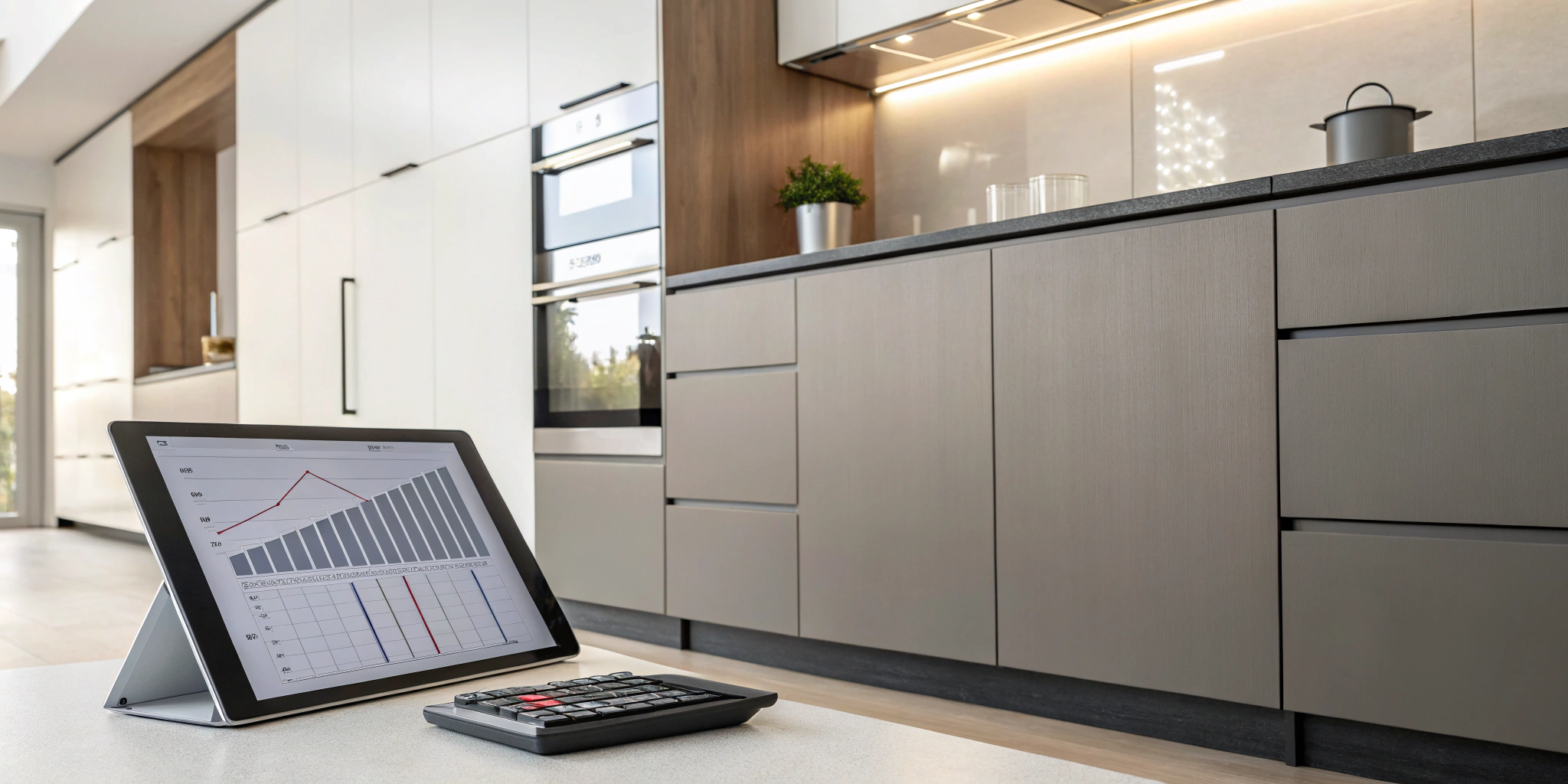
It’s easy to fall in love with stunning kitchen designs you see online, but it’s much harder to know if they fit within your budget. Bridging the gap between inspiration and reality is a crucial first step in any successful remodel. A kitchen cabinet installation cost calculator helps ground your vision in financial reality, giving you a preliminary look at what your cabinet choices might cost. This initial number is just the beginning of the conversation. We’ll break down the key factors that truly determine your final price—from materials and labor to those unexpected costs—and guide you on how to create a comprehensive budget that avoids surprises.
Key Takeaways
- Use a calculator for a reality check, not a final price: An online tool is perfect for getting a ballpark figure that helps you set realistic expectations and guide initial conversations with designers.
- Budget for the full scope of work: A calculator only estimates the cabinets themselves. Remember to account for other major costs like demolition, wall prep, labor complexity, and potential surprises.
- Transition from an online guess to a professional quote: When you’re ready to get serious, an in-person consultation is the only way to get a firm, all-inclusive price. A design-build team will assess your actual space to create a comprehensive proposal with no hidden fees.
What Is a Kitchen Cabinet Installation Cost Calculator?
If you’re starting to plan a kitchen remodel, one of the first questions on your mind is likely, “How much will this cost?” A kitchen cabinet installation cost calculator is a great starting point to get a handle on your budget. Think of it as a digital tool that gives you a preliminary estimate for one of the biggest parts of your project: the cabinets. It helps you estimate the expenses by breaking down potential costs based on the size of your kitchen, the materials you’re considering, and other key factors.
While it won’t replace a detailed, professional quote, using a calculator is a smart first step. It turns a vague number in your head into a more tangible figure, helping you understand the financial scope of your project before you start meeting with designers. This initial estimate empowers you to have more informed conversations and sets realistic expectations from the get-go. It’s all about gathering information so you can move forward with confidence.
How Do They Work?
Most online cabinet calculators are straightforward. They work by asking you for a few key pieces of information about your kitchen to generate a personalized estimate. You’ll typically start by selecting your kitchen’s layout—is it a U-shape, an L-shape, a single wall, or a galley kitchen? From there, you’ll input the approximate dimensions of the space.
The calculator then asks you to pick your desired cabinet style, which can range from basic stock options to high-end custom designs. Based on these inputs, the tool runs the numbers to give you a ballpark cost. It’s a simple way to see how different choices, like opting for semi-custom over stock cabinets, can impact your overall budget.
Why Use One Before Your Project?
Using a cost calculator early in your planning process is all about setting a realistic budget. It helps you understand the potential costs involved before you get too far down the road. This initial number gives you a framework, allowing you to see what’s feasible and where you might need to adjust. It’s much better to know upfront that custom cabinetry might stretch your budget than to find out after you’ve already fallen in love with a specific design.
This estimate also serves as a valuable starting point for discussions with contractors. When you have a general idea of the costs, you can have a more productive conversation about what you want and what you can afford. It helps you ask the right questions and ensures there are fewer financial surprises later on.
What to Look for in a Good Calculator
Not all calculators are created equal. A good one should offer more than just a single, final number. Look for a tool that provides a clear breakdown of costs, separating expenses for materials, labor, and any add-ons. This transparency helps you see exactly where your money is going.
The best calculators also allow for customization. You should be able to specify the cabinet type you’re interested in, whether it’s stock, semi-custom, or fully custom kitchen cabinets. The more detailed you can be, the more accurate your estimate will be. A quality calculator acknowledges that every project is unique and gives you the options to reflect that.
What Factors Influence Your Cabinet Installation Cost?
An online calculator is a great starting point, but it’s working with limited information. The final price for your new kitchen cabinets depends on a mix of your design choices and the unique details of your space. Understanding these variables helps you plan a realistic budget for your kitchen remodel. Let’s break down the biggest cost drivers.
Cabinet Materials and Styles
The final price isn’t just about quantity; it’s heavily influenced by the cabinet type, materials, and construction. You’ll generally choose between stock (most affordable), semi-custom, or fully custom cabinets. The material itself—solid wood, plywood, or MDF—also plays a huge role, as do your chosen finishes and hardware. Seeing these options in person at a design showroom can help you decide where to invest your budget for the biggest impact.
Labor and Installation Complexity
Labor is a significant part of your budget. A simple, straight run of cabinets costs less to install than a complex layout with an island and custom trim. According to industry data, professional installation labor can range from $100 to $300 per linear foot. An experienced team ensures everything is level, secure, and perfectly aligned, a skill that protects your investment and delivers a flawless, high-end finish.
Hidden Costs to Keep in Mind
This is where online calculators often fall short. A basic estimate typically covers only the cabinets and a straightforward installation. It usually doesn’t account for other essential steps, like removing old cabinets, repairing drywall, or updating plumbing and electrical. You may also need to factor in permit fees and sales tax. A comprehensive quote from a design-build firm will outline these items, giving you a much clearer picture of the total investment.
How Location Impacts Your Budget
Where you live matters. Material costs and labor rates can vary dramatically, and national averages may not reflect the reality in your area. A kitchen cabinet installation in San Diego will naturally have a different cost than one in a small Midwestern town. That’s why getting a quote from a trusted local contractor is so important. They understand the regional market and can provide an estimate that accurately reflects San Diego-specific costs for materials and skilled labor.
How to Get the Most Accurate Estimate
An online calculator is a fantastic tool for initial budget planning, but its output is only as good as the information you put in. To move from a vague guess to a number you can actually work with, you need to provide the calculator with clear, specific details about your project. Think of it as creating a detailed blueprint for your future kitchen. The more accurate your input, the more realistic your estimate will be, helping you plan your kitchen remodeling project with confidence and clarity.
Measure Your Space Correctly
Before you can get a meaningful estimate, you need accurate measurements. This step is non-negotiable. Grab a tape measure, a notepad, and maybe a friend to help hold the other end. Start by measuring the total length of each wall where cabinets will be installed. Then, measure the height from the floor to the ceiling. Don’t forget to note the precise location and dimensions of windows, doorways, and any existing appliances that are staying put. Whether you’re a homeowner or a contractor, having a reliable estimate template can help you organize these numbers and make sure you don’t miss anything important. Getting this right from the start prevents headaches later on.
Input Specific Project Details
With your measurements in hand, it’s time to fill in the rest of the project details. Most calculators will ask you to specify your kitchen’s layout. To get an estimate, you’ll need to pick your kitchen’s shape, like a U-shape, L-shape, or Galley. Beyond the layout, be ready to share your preferences on cabinet styles (like Shaker or flat-panel), materials (wood, laminate, etc.), and finishes. The more specific you can be about features like soft-close drawers, a pull-out pantry, or custom hardware, the more tailored your estimate will be. This is your chance to define what you want your new kitchen to look and feel like.
Understand a Calculator’s Limitations
It’s important to remember that an online calculator provides a preliminary estimate, not a final, binding quote. Think of it as a well-informed starting point. These estimates are a great first step, but you should always get detailed, written quotes from trusted professionals before making any final decisions. Calculators can’t see what’s behind your walls, so they can’t account for unexpected plumbing or electrical issues. They also don’t factor in the cost of permits, major structural changes, or the demolition and removal of your old cabinets. Use the number you get to set a realistic budget, not to sign a contract.
When to Get a Professional Quote
Once you have a ballpark figure from a calculator and feel ready to take the next step, it’s time to bring in a professional. A formal quote from a design-build firm like King Remodeling is built on a thorough, in-person evaluation of your space. This is where we go beyond the basic numbers to create a comprehensive, fixed-price proposal that covers every detail, from design and materials to final installation. Following our process, we ensure there are no surprises. While a fully managed project is an investment, it provides invaluable expertise, coordination, and peace of mind. When you’re ready for a precise, all-inclusive quote for your San Diego home, reach out to our team.
Mistakes to Avoid When Calculating Your Budget
Setting a realistic budget is one of the most important steps in any remodeling project. It acts as your roadmap, guiding decisions on everything from materials to layout. But it’s easy to get off track if you’re not careful. Online calculators are a great starting point, but they don’t tell the whole story. A successful remodel depends on a budget that’s comprehensive, honest, and prepared for the unexpected. Let’s walk through some of the most common budgeting mistakes we see homeowners make and how you can steer clear of them for a smoother, more predictable project.
Common Misconceptions About Pricing
You’ve probably heard the old rule of thumb: a kitchen remodel should cost between 5% and 15% of your home’s value. While that can be a helpful starting point for a ballpark figure, it’s just a suggestion, not a hard-and-fast rule. The actual cost of your kitchen remodeling project depends entirely on your specific choices. Are you keeping the same layout or moving walls? Opting for builder-grade cabinets or custom millwork? Each of these decisions creates a ripple effect on your total investment, making a generic percentage-based estimate unreliable for detailed planning.
Forgetting Removal and Prep Costs
It’s exciting to think about all the new elements coming into your space, but it’s easy to forget that the old ones have to come out first. Demolition isn’t free. Your budget needs to account for the labor required to carefully remove old cabinets, countertops, and flooring, as well as the cost of hauling away the debris. Beyond that, your walls and floors may need patching or leveling before new installations can begin. A detailed quote from a design-build firm will always break down these steps, ensuring you have a clear picture of the entire scope from start to finish.
Relying Only on an Online Estimate
Online cabinet cost calculators can give you a rough idea of what to expect, but they have serious limitations. These tools can’t see the unique quirks of your San Diego home, like walls that aren’t perfectly square or plumbing that needs updating. They also can’t capture the vast difference in cost between various material qualities. Think of an online estimate as a first guess. Your next step should be to get a professional, itemized quote based on a real-life consultation. This is where visiting a showroom becomes invaluable, as you can see and touch the materials that will define your final cost.
Budgeting and Planning for Surprises
No matter how carefully you plan, remodeling can come with surprises. Once the walls are opened up, you might discover outdated wiring, hidden water damage, or other issues that need to be addressed to meet current building codes. That’s why it’s crucial to build a contingency fund into your budget—typically 10% to 20% of your total project cost. This isn’t a “slush fund” for upgrades; it’s a safety net for unforeseen but necessary work. Working with an experienced team helps manage these discoveries efficiently, but having the funds set aside ensures a surprise doesn’t derail your project.
Related Articles
- Kitchen Remodeling 2 – King Remodeling
- 12 Smart Small Kitchen Remodel Ideas on a Budget
- How Much Should a 10×10 Kitchen Remodel Cost?
- Average Cost to Replace Kitchen Countertops: 2025 Guide
- How Much Does a Custom Kitchen Island Cost?
Frequently Asked Questions
How accurate are these online cabinet cost calculators? Think of an online calculator as a great first guess. It gives you a solid ballpark figure to start your budget planning, but it isn’t precise. The tool uses general averages for materials and labor, which might not reflect the specific costs here in San Diego or the unique details of your home. It’s the perfect resource for getting a feel for the numbers, but you’ll need a professional quote for a figure you can truly count on.
What other costs should I budget for besides the cabinets and installation? It’s easy to focus on the big-ticket items, but a complete budget accounts for the prep work, too. You should plan for the cost of removing and disposing of your old cabinets, potential drywall repairs, and any necessary plumbing or electrical adjustments. These items, along with permits and sales tax, are rarely included in a simple online estimate but are essential for a successful project.
If I have a calculator estimate, why do I still need a professional quote? A professional quote moves you from an estimate to an exact plan. An experienced remodeler will assess your space in person, spotting things a calculator can’t—like uneven walls or outdated wiring. This allows them to create a detailed, fixed-price proposal that covers every single step, from design and materials to the final installation. It’s the difference between a rough idea and a reliable roadmap for your project.
How much should I really set aside for unexpected issues? Even with the best planning, surprises can happen once walls are opened up. We always recommend setting aside a contingency fund of about 10% to 20% of your total project cost. This isn’t for splurging on upgrades; it’s a practical safety net for addressing unforeseen structural or mechanical issues that need to be fixed to meet code. Having this buffer ensures that a surprise doesn’t derail your timeline or your budget.
Does choosing custom cabinets over stock options really make a big difference in the budget? Yes, the type of cabinet you choose is one of the biggest factors in your total cost. Stock cabinets are the most affordable because they are mass-produced in standard sizes. Semi-custom options offer more flexibility in style and size for a moderate price increase. Fully custom cabinets are the largest investment, as they are built from scratch to fit your exact space and design vision, offering unparalleled quality and personalization.