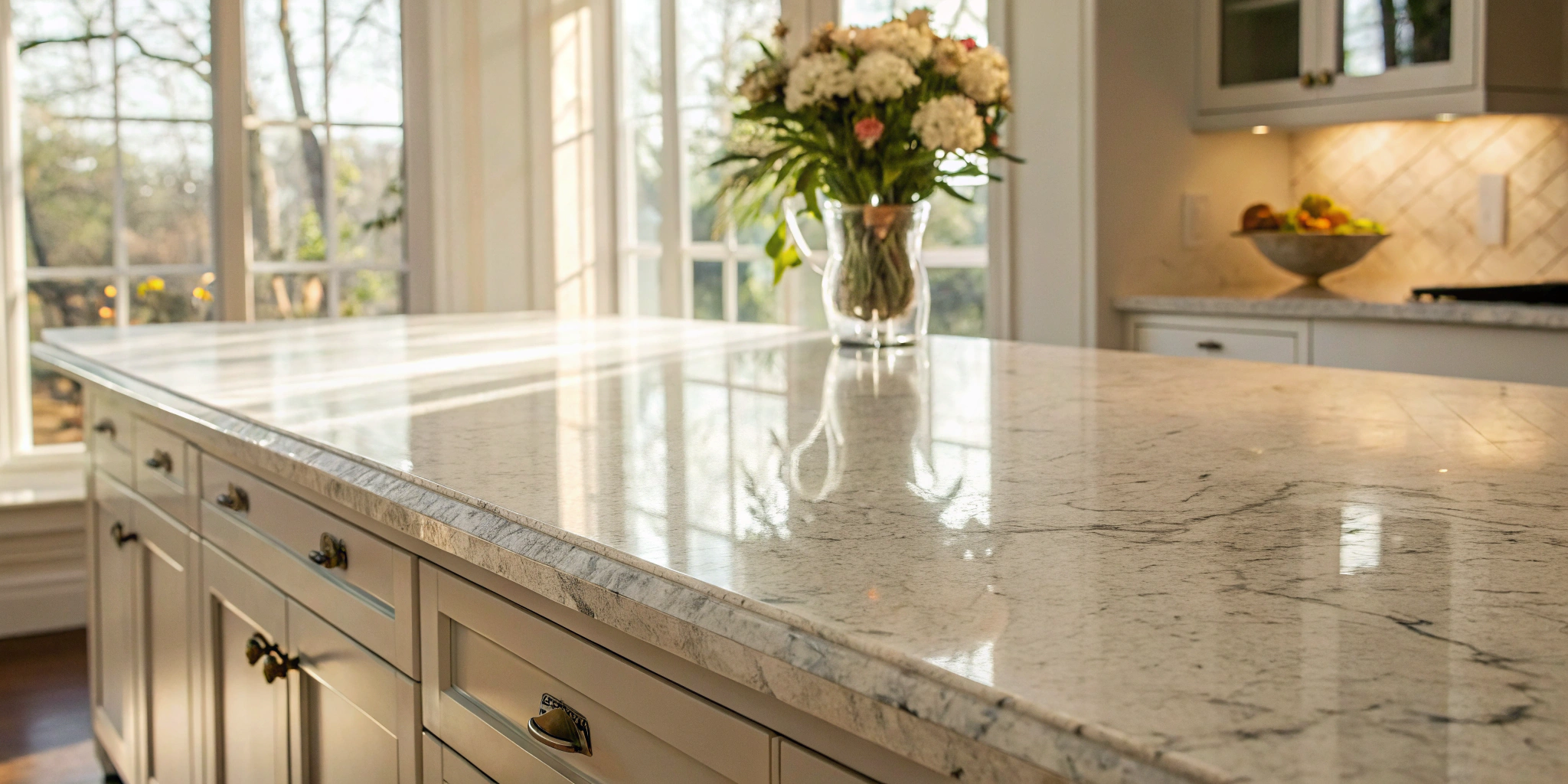
You can look at hundreds of photos online, but you can’t truly choose a countertop until you see it in person. The way a material catches the light, feels to the touch, and pairs with your cabinet samples is something a screen just can’t capture. This is why we guide every client through the selection process at our San Diego showroom. Seeing the options side-by-side makes it much easier to find the best material for kitchen countertops for your specific project. This guide will give you the foundational knowledge you need before you visit, explaining the key differences between popular choices.
Key Takeaways
- Choose a material that fits your life, not just your look: Think about your daily routine. Quartz is the low-maintenance champion for busy families, granite offers heat-resistant strength for avid cooks, and marble provides timeless elegance for those who don’t mind the extra care.
- Factor in long-term upkeep to understand the true cost: The initial price isn’t the whole story. Natural stones require periodic sealing to prevent stains, while engineered quartz is a zero-maintenance option, saving you time and future expenses.
- See your top choices in person before you decide: Photos and small samples can be misleading. Visiting a showroom to see full slabs allows you to compare true colors and textures in person, helping you make a final decision with confidence.
What Are the Top Kitchen Countertop Materials?
Choosing a kitchen countertop is one of the most important decisions you’ll make during your remodel. It’s the workhorse of your kitchen—the surface where you’ll prep meals, gather with family, and set down countless grocery bags. But it’s also a major design element that ties the whole room together. The right material needs to fit your lifestyle, your aesthetic, and your budget.
Think of countertop materials in three main categories: natural stone, engineered materials, and budget-friendly options. Each has its own unique personality, from the one-of-a-kind beauty of granite to the low-maintenance appeal of quartz. Understanding the core differences will help you narrow down the choices and find the perfect surface for your home. The best way to get a true feel for these options is to see and touch them, which is why we guide every client through the selection process at our San Diego showroom. Let’s walk through the most popular choices.
The Appeal of Natural Stone
Natural stone countertops bring an organic, timeless beauty to any kitchen. Because each slab is quarried from the earth, no two pieces are exactly alike, giving your space a truly unique character. Granite is a classic favorite, known for its incredible durability and resistance to heat. Marble offers unmatched elegance with its soft, veined patterns, though it’s a softer stone that requires more mindful care to prevent stains and scratches. For those who love the look of marble but need more resilience, Quartzite is a fantastic alternative. It’s a natural metamorphic rock that is extremely hard and durable, resisting heat and daily wear with ease. All natural stones require periodic sealing to protect them from absorbing liquids.
The Power of Engineered Materials
If you’re looking for predictability and low maintenance, engineered materials are an excellent choice. Quartz is the leading contender in this category, made from crushed quartz crystals mixed with resin. This process creates a non-porous surface that’s highly resistant to stains, scratches, and bacteria—no sealing required. It also comes in a massive range of colors and patterns, from solid whites to designs that perfectly mimic natural marble. Other options include solid surfaces, which offer a seamless, modern look, and porcelain slabs, which are incredibly durable, heat-proof, and can be printed with realistic stone patterns. These materials are perfect for creating beautiful, functional kitchen spaces that can handle the demands of a busy household.
Smart, Budget-Friendly Options
A beautiful kitchen remodel doesn’t have to break the bank, and there are several smart countertop options that deliver style at a more accessible price point. Laminate has come a long way, now available in a wide variety of sophisticated patterns and colors that can mimic stone or wood. It’s easy to clean but isn’t as resistant to heat or scratches. Butcher block countertops add a warm, natural feel to the kitchen and have the unique benefit of being repairable—sanding and re-oiling can remove nicks and stains. Tile offers endless design possibilities with different colors, shapes, and layouts, but the grout lines do require regular cleaning to keep them looking fresh. We can help you find the right fit for your project and budget.
Quartz: The Effortless Entertainer
If you’re looking for a countertop that blends sophisticated style with everyday practicality, quartz is likely at the top of your list. As an engineered stone, it combines crushed natural quartz with resins and pigments to create a surface that’s both incredibly durable and visually stunning. This manufacturing process allows for a massive range of colors and patterns, from slabs that mimic the subtle veining of marble to bold, solid colors perfect for a modern kitchen. This versatility makes it a designer’s favorite, as it can seamlessly fit into any aesthetic, whether you’re aiming for a classic, transitional, or contemporary look.
Because it’s non-porous, quartz is a true workhorse. It stands up to spills, stains, and scratches without demanding much in return. For busy families or anyone who loves to entertain, this means less time worrying about maintenance and more time enjoying your space. It’s a material that delivers a high-end look without the high-maintenance lifestyle. When you visit our San Diego showroom, you can see and feel the difference for yourself, exploring dozens of styles to find the perfect match for your home. Our designers can walk you through the options, helping you visualize how different finishes will look in your space.
How Does Quartz Hold Up to Daily Life?
Quartz is built for the realities of a busy kitchen. Its non-porous surface means it won’t absorb liquids, so you don’t have to panic over spilled red wine, coffee, or juice. This quality also makes it highly resistant to staining and bacterial growth. It’s tough enough to handle daily wear and tear, resisting scratches from knives and scuffs from cookware. The only thing to be mindful of is extreme heat; unlike granite, quartz can be damaged by direct contact with hot pots and pans. A simple trivet is all you need to keep your countertops looking pristine for years to come.
What Does “Low-Maintenance” Really Mean?
When we say quartz is low-maintenance, we really mean it. Unlike natural stones such as granite or marble that require regular sealing to protect them from stains, quartz never needs to be sealed. Its surface is permanently non-porous from the day it’s installed. Daily cleaning is as simple as wiping it down with a soft cloth, warm water, and a mild soap. You can skip the special cleaners and the annual sealing appointments. This convenience is a major reason why so many homeowners choose quartz—it delivers lasting beauty without adding another chore to your to-do list.
Understanding the Cost of Quartz
Quartz countertops typically range from $75 to $200 per square foot, installed. While it’s not the cheapest option on the market, its price reflects its exceptional durability and zero long-term maintenance costs. The final price depends on the manufacturer, the complexity of the color and pattern, and the thickness of the slab. Think of it as a long-term investment in your home’s beauty and functionality. During our kitchen remodeling process, our design team will help you explore quartz options that align with your budget, ensuring you get the look you love at a price that feels comfortable.
Granite: Classic Strength and Style
If you’re looking for a countertop that’s both a statement piece and a workhorse, granite is a fantastic choice. For years, it’s been the go-to material for high-end kitchens, and for good reason. As a natural stone, every single slab of granite is completely unique, with its own distinct patterns, colors, and veining. This means your countertop won’t just be a surface; it will be a one-of-a-kind feature in your home.
Granite brings a sense of warmth and character that’s hard to replicate. Whether you prefer a deep, dramatic black or a light, speckled white, there’s a slab that will fit your vision. It’s known for its incredible durability, making it a practical and beautiful foundation for any kitchen remodeling project. It’s a material that feels substantial and timeless, promising to look great for decades.
Can Granite Handle the Heat (and Scratches)?
Yes, absolutely. Granite is one of the toughest materials you can put in your kitchen. It’s formed by intense heat and pressure deep within the earth, so it can easily handle a hot pan placed directly on its surface without scorching or leaving a mark. This is a huge plus for busy home cooks who don’t want to worry about constantly using trivets. It’s also highly scratch-resistant. While we don’t recommend using it as a cutting board, it can stand up to daily wear and tear from knives, plates, and appliances without showing damage. Many homeowners find their granite countertops still look brand new after 15 or 20 years of use, a true testament to its strength.
The Truth About Sealing and Upkeep
You’ve probably heard that granite needs to be sealed, and it’s true. Because it’s a natural stone, granite is porous, meaning it has tiny openings that can absorb liquids. If left unsealed, spills like red wine or oil could potentially cause stains. However, the upkeep is much simpler than it sounds. Sealing is a straightforward process that only needs to be done every few years, not every few months. A quality sealant creates a protective barrier that makes cleanup easy and prevents stains from setting in. When you visit our San Diego showroom, we can show you different types of granite and explain the specific care each one requires.
Is Granite a Good Long-Term Investment?
Granite is an excellent investment that adds real value to your home. It’s a premium material that buyers recognize and appreciate, which can be a significant selling point down the road. While it’s a high-end choice, it often costs less than engineered quartz while still offering that warm, natural look that many people love. Because it’s so durable and long-lasting, you won’t have to think about replacing it. Its timeless appeal ensures it won’t feel dated in a decade, making it a smart, stylish choice for the long haul. You can see how beautifully it integrates into different kitchen designs in our featured projects.
Marble: Unmatched Beauty, Higher Commitment
There’s a reason marble has been the star of kitchens for centuries. It’s luminous, elegant, and makes a statement without saying a word. Each slab features unique, swirly patterns, turning your countertop into a one-of-a-kind piece of art. If you’re dreaming of a kitchen with timeless, classic beauty, marble is likely at the top of your list. It has an undeniable appeal that feels both luxurious and grounded in nature.
But let’s be honest: that incredible beauty comes with a bit of homework. Marble is a softer, more porous natural stone compared to granite or quartz. This means it requires more mindful daily use and consistent maintenance to keep it looking its best. Think of it less as a countertop and more as a long-term relationship—it needs attention and care, but the payoff is stunning. For homeowners who love its look and are prepared for the upkeep, there’s simply no substitute. The best way to know if it’s right for you is to see and touch it in person, which is why we guide every client through their options at our San Diego showroom.
Why We Love the Look of Marble
Marble’s visual appeal is truly in a class of its own. Its soft, bright surface has a way of catching the light that makes a whole kitchen feel more open and airy. The veining—whether it’s subtle and feathery or bold and dramatic—creates a sense of movement and organic elegance that engineered materials can only imitate. Because no two slabs are ever identical, your countertop will be completely unique to your home.
This classic material works beautifully in a wide range of designs, from traditional spaces to sleek, modern kitchens. It’s a choice that won’t feel dated in a few years. You can see how it elevates different styles in our featured projects.
What to Know About Sealing and Care
The key to living happily with marble is understanding its nature. As a porous stone, it has tiny, microscopic holes that can absorb liquids. This is why sealing is non-negotiable. A high-quality sealer acts as a protective barrier, filling in those pores so spills sit on the surface longer, giving you time to wipe them away before they can soak in and stain.
Because marble is also softer than granite, it can be more prone to scratches from knives or heavy cookware. Simple habits, like always using a cutting board and placing trivets under hot pans, go a long way in preserving its surface. During your kitchen remodeling project, we’ll walk you through the exact care routine for the specific stone you choose.
Protecting Your Marble from Stains and Etching
With marble, the biggest things to watch out for are staining and etching. A stain happens when a colored liquid, like red wine or coffee, soaks into the stone. Etching is different—it’s a chemical reaction that happens when an acidic substance (think lemon juice, vinegar, or tomato sauce) comes into contact with the calcium carbonate in the marble, leaving a dull, whitish mark.
To prevent both, wipe up spills immediately. For cleaning, stick to gentle, pH-neutral cleaners instead of harsh, all-purpose sprays. Most importantly, you’ll need to reseal your countertops regularly—typically every few months—to maintain that protective shield. If you have questions about which material fits your lifestyle, our design team is always here to help you decide.
Durability and Maintenance: A Side-by-Side Look
A beautiful countertop is one thing, but how will it handle spilled wine, hot pans, and daily wear and tear? The long-term performance of your countertops depends entirely on the material you choose. Some are built for the chaos of a busy family kitchen, while others require a more delicate touch. Let’s break down what you can expect in terms of strength and upkeep so you can find the perfect match for your lifestyle.
Which Countertop Is the Toughest?
When it comes to sheer strength, natural stones like granite and quartzite are the heavyweights. Both are incredibly hard, resisting heat and scratches with ease, which is why they’re a top choice for serious home cooks. If you tend to slide cutting boards or set down warm pots, these materials can handle the pressure. On the other end of the spectrum, softer stones like marble are more prone to scratching and chipping. While undeniably gorgeous, marble demands a bit more caution during daily use. Understanding these differences is a key part of any successful kitchen remodeling project, ensuring your new space is as functional as it is beautiful.
Your Daily Cleaning Cheat Sheet
Your daily cleanup routine will vary depending on your countertop’s material. Engineered quartz is the undisputed winner for easy maintenance. Because it’s non-porous, it doesn’t absorb liquids, making it highly resistant to stains from coffee, juice, or oil. A simple wipe with soap and water is all it takes to keep it looking new. Natural stones like granite and quartzite are also easy to clean daily, but their porous nature means spills should be wiped up quickly to prevent staining. You can get a real feel for these different surfaces and finishes at our San Diego showroom, which makes it easier to picture how they’ll fit into your daily life.
Mapping Out Long-Term Care
Beyond daily wipe-downs, some materials require periodic maintenance to stay in top shape. Porous natural stones need to be sealed to protect them from stains. Granite is fairly low-maintenance, typically needing a new coat of sealant every 12 to 18 months. Marble, being much more porous, requires more frequent sealing—often every few months. Soapstone is unique; it doesn’t need sealing but should be oiled monthly to maintain its deep, rich color. Of course, if you want to avoid long-term tasks altogether, quartz is the way to go, as it never needs sealing or polishing. Seeing these materials in our featured projects can help you decide if a particular look is worth the upkeep.
Breaking Down the Real Cost of New Countertops
Choosing new countertops is exciting, but the price tag can feel like a moving target. The cost isn’t just about the material itself; it’s a combination of the stone or surface you choose, the complexity of the fabrication, professional installation, and even the long-term care it will require. Thinking about the total investment from day one helps you make a choice you’ll love for years, without any surprise expenses down the road. Let’s look at how these costs add up so you can plan your kitchen remodeling budget with confidence.
What to Expect for Materials and Installation
The material you select is the biggest factor in your countertop budget. Prices are typically quoted per square foot, including installation. For a durable and popular option like quartz, you can expect to invest between $75 and $200 per square foot. Granite offers a classic, natural look and generally falls between $70 and $175 per square foot. If you’re working with a tighter budget, laminate is a cost-effective choice, usually running from $20 to $60 per square foot. Seeing these materials in person at a showroom is the best way to understand how these price points translate to real-world look and feel.
Uncovering Hidden Maintenance Costs
The initial purchase price is only part of the story. Long-term maintenance can add to the lifetime cost of your countertops. For example, beautiful natural stones require regular sealing to protect them from stains and etching. Marble is on the higher-maintenance end, needing to be sealed every few months, while granite is more forgiving, typically requiring a new coat of sealant every year or so. Materials like butcher block also need consistent care, including regular oiling to prevent drying and cracking. On the other hand, engineered quartz is non-porous and never needs sealing, making it a true low-maintenance champion for busy households.
How Countertops Impact Your Home’s Value
A kitchen remodel is one of the best investments you can make in your home, and your countertops play a huge role in that return. High-quality, durable surfaces are a major selling point for future buyers. Materials like quartz and granite consistently add significant resale value because they signal a modern, well-cared-for kitchen. While marble is undeniably luxurious, its higher maintenance needs can sometimes be a concern for potential buyers. By choosing a countertop that balances timeless style with practical durability, you’re not just upgrading your daily life—you’re making a smart financial decision. You can see how these materials transform a space in our featured projects.
How to Choose the Right Countertop for Your Home
Choosing a new countertop is one of the most important decisions you’ll make during a remodel. It’s a major investment and a visual centerpiece, so the pressure to get it right is real. This surface is where homework gets done, meals are prepped, and guests gather. It needs to be tough enough for your daily routine but also beautiful enough to anchor your entire design. The good news is, finding the perfect fit isn’t as complicated as it seems. It really comes down to balancing three key factors: your lifestyle, your design vision, and your budget. By thinking through how you use your kitchen, the look you want to achieve, and what you’re comfortable spending, you can confidently narrow down the vast world of countertop materials. Are you a busy family with kids who are prone to spills, or a meticulous home chef who needs a durable prep area? What aesthetic are you trying to create—sleek and modern, warm and traditional, or something in between? Answering these questions will help you make a choice you’ll love for years to come. We’ll walk through each of these considerations to help you find a countertop that’s both beautiful and practical.
Best Picks for Busy, High-Traffic Kitchens
If your kitchen is the command center of your home, you need a countertop that can handle the action without demanding a lot of attention. For durability and low maintenance, it’s hard to beat quartz. As an engineered, non-porous material, it resists stains, scratches, and heat, so you don’t have to worry about spilled wine or hot pans. You can simply wipe it clean and move on with your day. While natural stones like granite and quartzite are also incredibly tough, they require periodic sealing to protect them from stains. For a truly worry-free surface that keeps your kitchen remodeling project looking fresh, quartz is often the top recommendation for busy households.
Matching Your Countertop to Your Design Style
Your countertop is a major visual anchor in your kitchen or bathroom, setting the tone for the entire space. The material you choose should complement your cabinetry, flooring, and overall design style. For a clean, modern aesthetic, the consistent patterns and solid colors of quartz are a perfect match. If you’re aiming for a timeless, luxurious feel, the unique veining of marble or granite delivers a dramatic statement that can also enhance your home’s value. Because every slab of natural stone is unique, and engineered materials come in countless finishes, seeing them in person is essential. Visiting a design showroom allows you to see and touch the options, compare them with your cabinet samples, and truly visualize how they’ll look in your home.
Aligning Your Choice with Your Budget
Countertop prices can vary significantly, so it’s important to find an option that aligns with your overall project budget. Materials are typically priced per square foot, and the total cost will include fabrication and installation. On the more affordable end, you’ll find options like laminate. In the mid-to-high range, popular choices like quartz and granite offer a fantastic balance of performance and style. At the premium end, you’ll find quartzite and high-end marble, which are prized for their rare beauty. A great design-build partner will provide clear, upfront pricing so you know exactly what to expect. Understanding the full investment from the start is a key part of our process, ensuring you can select a beautiful countertop without any financial surprises down the road.
What to Expect for Long-Term Countertop Care
Choosing a countertop is a long-term commitment, and knowing what to expect for upkeep is key to keeping it beautiful for years to come. While daily cleaning is straightforward for most materials, long-term care varies, especially when it comes to natural stone. Understanding these needs from the start ensures you pick a surface that truly fits your lifestyle, not just your design aesthetic. It’s all about finding that perfect balance between the look you love and the maintenance you’re comfortable with.
A Simple Guide to Sealing Natural Stone
If you’ve fallen for the unique beauty of natural stone, sealing is a step you won’t want to skip. Because materials like granite, quartzite, and marble are porous, they can absorb liquids, leading to stains. Sealing creates a protective barrier that keeps spills on the surface. Think of it as preventative care. Marble is the most porous of the bunch and typically needs resealing every 3 to 12 months. Granite and quartzite are more resilient, usually requiring a fresh coat of sealer every one to five years. The process is simple, but consistency is what protects your investment and keeps your kitchen remodeling project looking brand new.
When Should You Call a Professional?
While you can handle resealing yourself, some jobs are best left to the experts. The initial installation of any countertop, especially heavy and hard-to-work-with materials like quartzite, requires professional skill and tools to ensure a perfect fit and finish. You should also call a pro for any significant repairs, like fixing a deep chip or a crack. Trying to DIY a major repair can often lead to more noticeable damage. Our team handles every detail of the installation, but we’re also here to guide you on long-term care. We make sure you know exactly how to protect your new surfaces from day one.
Common Upkeep Myths, Busted
Let’s clear up a couple of common misconceptions about countertop care. First is the idea that granite is completely maintenance-free. While it’s incredibly durable, it does need to be sealed periodically to prevent staining. Another myth is that all quartz is created equal. The quality of quartz can vary quite a bit between manufacturers, which affects its durability and resistance to heat and scratches. This is why it’s so helpful to see and touch materials in person. Visiting a design showroom allows you to compare high-quality options side-by-side and feel the difference for yourself, so you can make a choice with total confidence.
What’s Trending in Kitchen Countertops?
Choosing a countertop can feel like a huge decision, but it’s also where you can really define your kitchen’s personality. While timeless materials like granite and marble will always have a place, we’re seeing some exciting shifts in what San Diego homeowners are asking for. The latest trends are all about blending beautiful aesthetics with everyday practicality, ensuring your new kitchen remodel not only looks incredible but also stands up to real life. It’s less about chasing fads and more about making smart, stylish choices that will last for years.
Popular Finishes and Eco-Friendly Choices
The biggest trend right now is the demand for durability without sacrificing style. Homeowners are moving toward hardworking materials that make life easier. For a low-maintenance surface that can handle spills, homework sessions, and busy meal prep, engineered quartz and ultra-compact surfaces are leading the pack. At the same time, there’s a growing interest in sustainability. We’re seeing more clients ask about eco-friendly options like countertops made from recycled glass, which add a unique story and character to the space. You can explore many of these finishes firsthand in our San Diego showroom to see how they feel in person.
The Colors and Patterns We’re Seeing Everywhere
Loud, busy patterns are taking a backseat to more subtle and organic designs. The trend is leaning heavily toward soft whites, warm neutrals, and gentle, nature-inspired veining that mimics the look of natural stone without being overpowering. These calmer palettes create a bright, airy feel and act as a versatile backdrop for other design elements like cabinetry and backsplashes. Homeowners are also thinking about long-term value. Choosing a neutral color not only creates a timeless look but also appeals to a wider range of tastes, which is a smart consideration for your home’s future resale value. You can see how these serene palettes come to life in our featured projects.
A Quick Look at Smart Countertop Tech
Innovation in countertop materials is giving us more options than ever. Porcelain, for example, has become the new go-to for homeowners who love the look of marble but need something more resilient. It’s fantastic at mimicking natural stone, stands up to high heat, and is incredibly durable. Beyond specific materials, the “smart” trend is really about investing in longevity. Homeowners want surfaces that won’t just look good on day one but will perform beautifully for a decade or more. These advanced, man-made materials are engineered to resist stains, scratches, and heat, making them a practical and forward-thinking choice for any modern kitchen.
Related Articles
- Get a Countertop Replacement Quote: A Simple Guide
- Average Cost to Replace Kitchen Countertops: 2025 Guide
Frequently Asked Questions
I have a busy family with young kids. What’s the most durable, worry-free countertop? For a high-traffic kitchen that needs to stand up to spills, art projects, and daily chaos, quartz is almost always the top recommendation. Because it’s an engineered, non-porous material, you don’t have to worry about spilled juice or pasta sauce causing a permanent stain. It’s also highly resistant to scratches and never needs to be sealed, making it a truly low-maintenance surface that lets you focus on your family, not your countertops.
I love the look of marble, but I’m worried about the maintenance. Are there good alternatives? This is a common dilemma, and the great news is you can get that elegant marble look without the high commitment. Many high-quality quartz manufacturers now produce slabs with incredibly realistic veining that beautifully mimics natural marble. This gives you that soft, classic aesthetic you love, but on a non-porous, stain-resistant surface that doesn’t require sealing. Durable porcelain slabs are another fantastic option that can capture the look of marble with even greater heat resistance.
Is granite still a good choice, or is it outdated? Granite is a timeless material, not a passing trend. Think of it like a classic leather jacket—it never really goes out of style. Because each slab is a unique piece of natural stone, it brings a depth and character to a kitchen that engineered materials can’t replicate. Its incredible durability and heat resistance also make it a practical workhorse. While certain patterns might feel more traditional, there are countless modern, subtle granite options that feel fresh and sophisticated.
What’s the real difference between sealing and cleaning? This is a great question that gets to the heart of countertop care. Cleaning is your daily task—wiping away crumbs and spills with a soft cloth and mild soap to keep the surface sanitary. Sealing, on the other hand, is a periodic protective measure for porous natural stones like granite and marble. A sealer fills the stone’s microscopic pores to prevent liquids from soaking in and causing stains. It’s a simple but crucial step to protect your investment, whereas materials like quartz don’t require it at all.
Why is visiting a showroom so important for choosing a countertop? Photos online can be misleading. They can’t capture the way light hits a surface, the subtle variations in a natural stone slab, or the true texture of a finish. Visiting a showroom allows you to see and touch large samples in person, which is the only way to get a real feel for the material. It also lets you compare your top choices directly against your cabinet and flooring samples, ensuring everything works together to create the cohesive, beautiful space you’ve envisioned.