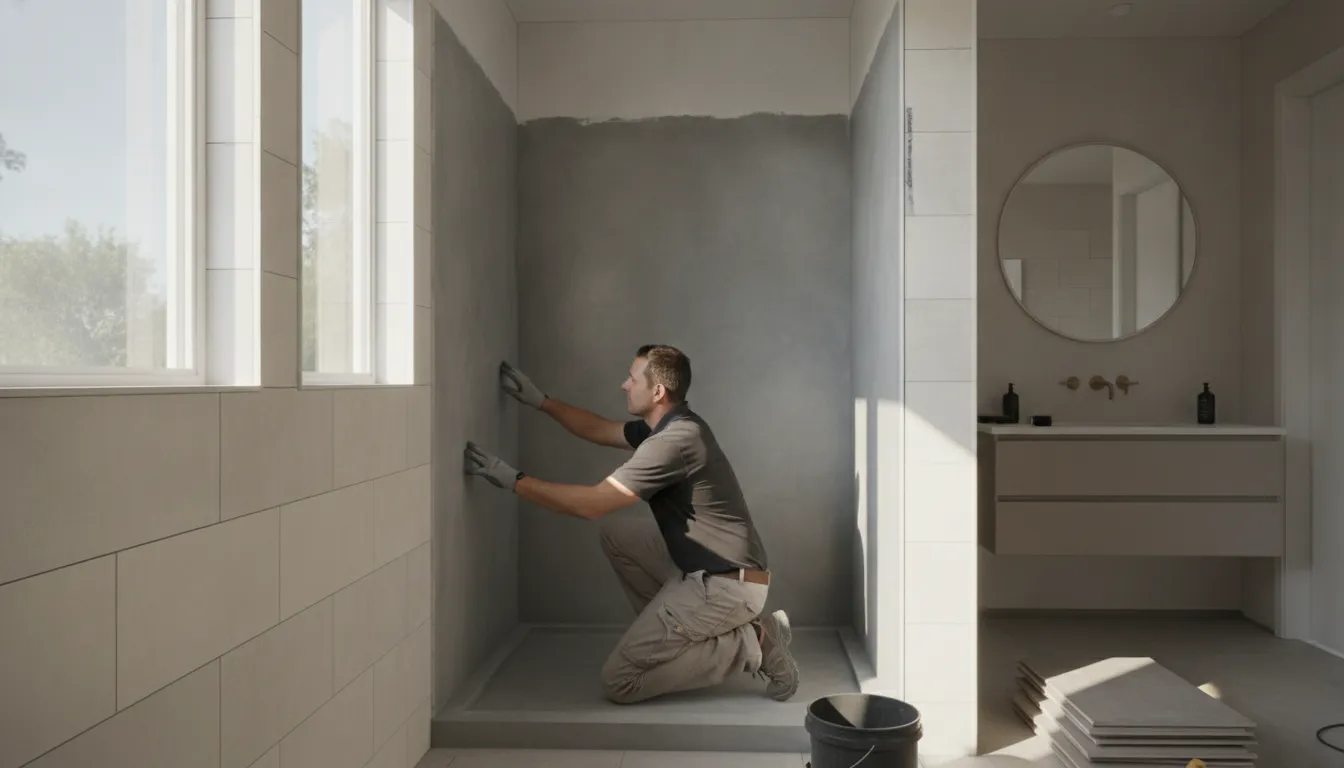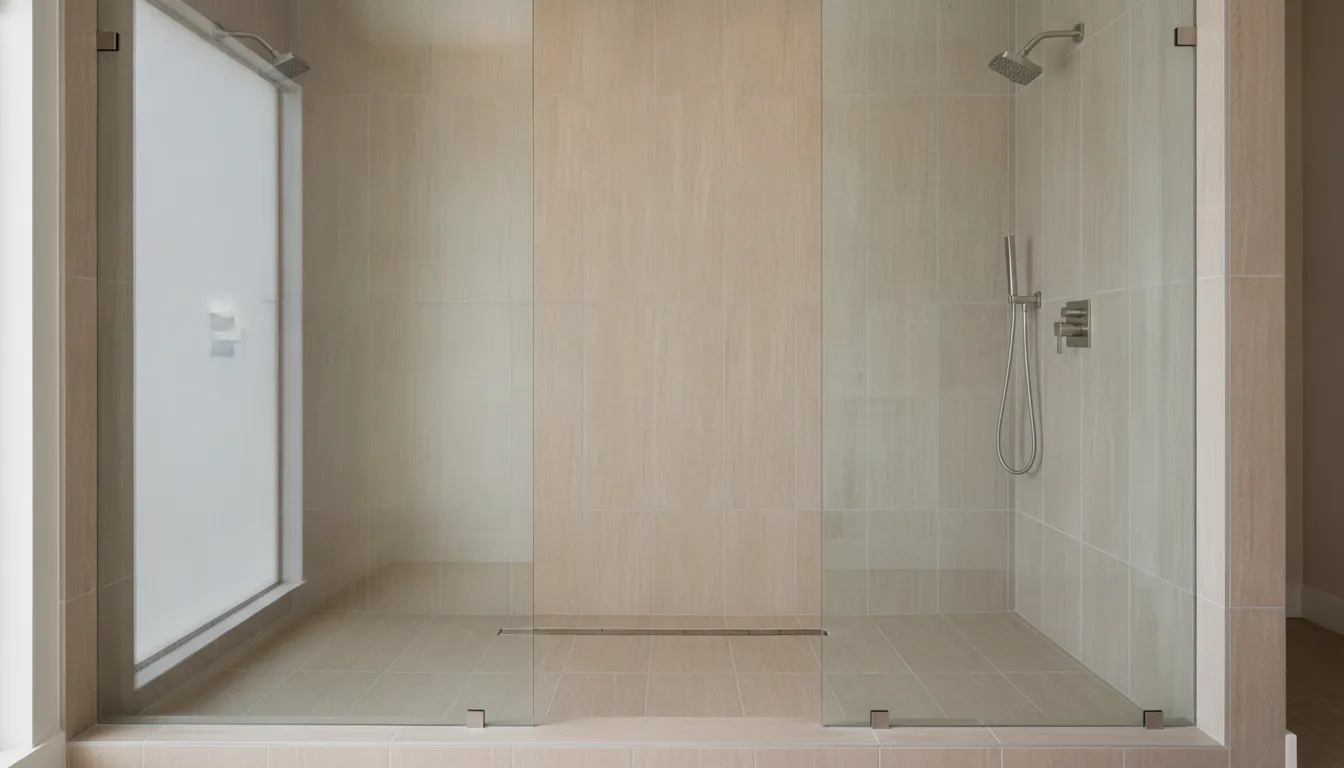
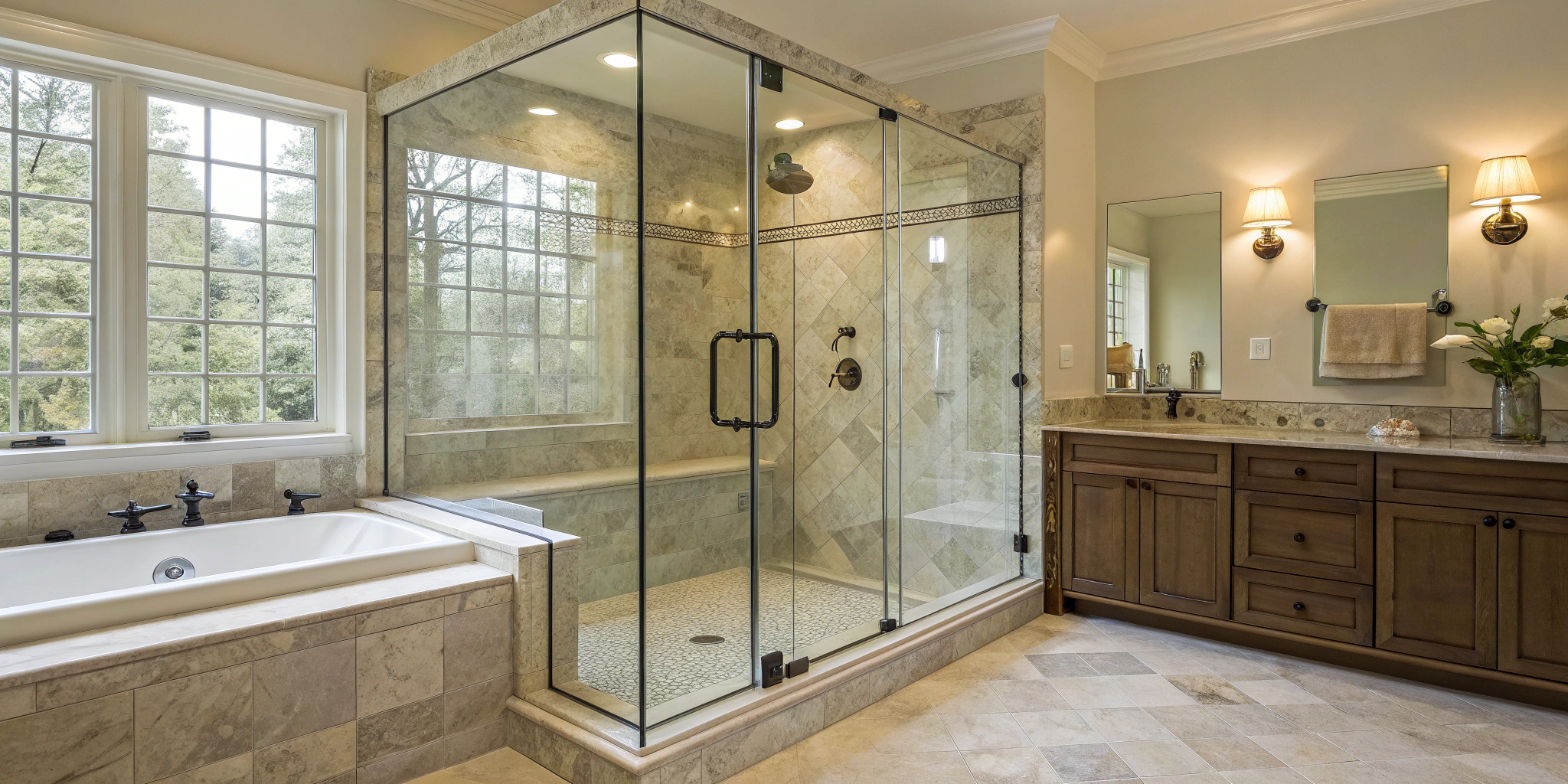
Swapping an old tub for a modern walk-in shower is one of the most impactful upgrades you can make to your home. It improves safety, creates a more spacious feel, and simplifies your daily routine. Once you decide to move forward, the next logical question is a financial one: how much to replace bathtub with shower? The investment depends entirely on your vision. Are you thinking of a straightforward, functional update or a complete transformation with high-end tile and fixtures? This article will walk you through the costs, exploring what drives the price and what you get for your money at each level.
Key Takeaways
- Match Your Budget to Your Goals: The cost of a tub-to-shower conversion depends entirely on your vision. A basic, functional swap using a prefab kit is the most affordable route, while custom tile, frameless glass, and plumbing changes will place you in the mid-to-high range. Knowing what you want to achieve helps you set a realistic financial plan from the start.
- Don’t Cut Corners on Labor: While DIY seems tempting, improper waterproofing and plumbing are two of the most expensive mistakes a homeowner can make. Investing in a professional team ensures your new shower is built correctly, meets safety codes, and is protected from future leaks and water damage.
- Plan for the Whole Project, Not Just the Pretty Parts: A reliable project quote goes beyond tile and fixtures. It should account for demolition, potential water damage repair, permits, and a contingency fund of 10-20%. A thorough plan ensures that hidden issues don’t derail your timeline or your budget.
How Much Does a Tub-to-Shower Conversion Cost?
Figuring out the cost of a tub-to-shower conversion is one of the first steps in planning your project. While every bathroom is unique, the price generally falls between $3,000 and $15,000 in the San Diego area, though luxury projects can certainly go higher. That’s a wide range, I know! The final number really depends on three things: the materials you choose, the complexity of the installation, and the labor involved.
A simple swap using a pre-made kit will land on the lower end, while a fully custom, tiled walk-in shower with frameless glass and new plumbing will be at the higher end. Think of it less as a single price and more as a spectrum of possibilities. The scope of your bathroom remodeling project is the biggest driver. Are you just replacing the tub, or is this part of a larger renovation? Are we moving walls or keeping the existing layout? To give you a clearer picture, let’s break down what you can expect at different budget levels. Understanding these tiers will help you align your vision with a realistic budget from the start and make informed decisions as you move forward.
A Look at Basic Conversion Costs
A basic conversion typically costs between $3,000 and $8,000. This price point usually covers a straightforward replacement where we remove your old tub and install a new, pre-fabricated shower unit in the same footprint. This approach minimizes the need to move plumbing or electrical lines, which helps keep labor costs down. The materials here are often good-quality, durable options like acrylic or fiberglass shower pans and surrounds. You’ll get standard, functional fixtures and a simple framed shower door. This is a great option if your main goal is to improve functionality and safety by getting rid of a high tub wall, without undertaking a full-scale custom renovation.
What to Expect from a Mid-Range Project
For a mid-range project, you can expect to invest between $8,000 and $15,000. This is the most common price range for San Diego homeowners and offers a fantastic balance of customization and value. At this level, you move beyond pre-fab kits into semi-custom designs with tiled walls, a sturdy shower pan, and upgraded fixtures like a nicer showerhead. This budget allows for more personalization. You can choose from a wider variety of beautiful porcelain or ceramic tiles and add features like a recessed niche for shampoo bottles. You might also opt for a semi-frameless glass door, which gives the space a more open, modern feel. Many of our featured projects fall into this category, delivering a high-impact transformation that feels both personal and timeless.
Defining a High-End Installation
A high-end or luxury tub-to-shower conversion typically starts at $15,000 and can go up to $25,000 or more. This is where you can create a true spa-like retreat. These projects involve premium materials like natural stone, intricate tile patterns, and fully frameless, heavy-glass enclosures. The design is completely custom to your space and style. This budget accommodates significant changes, such as expanding the shower’s footprint, relocating plumbing for a rain showerhead or body sprays, and adding a custom-built bench. You can also incorporate high-end features like linear drains, steam systems, and advanced lighting. Visiting a design showroom is the best way to see and touch these luxury materials to understand how they can come together in your home.
What Factors Drive Your Final Cost?
When you start budgeting for a tub-to-shower conversion, you’ll quickly see that there’s no single price tag. The final cost is a blend of your bathroom’s current state, your design choices, and the scope of the work. Think of it less like buying a product off the shelf and more like commissioning a custom piece of work. Every decision, from the tile you choose to whether you move a drain, influences the bottom line.
Understanding these key factors will help you set a realistic budget and make informed decisions. It also helps you see where your money is going and why one quote might be different from another. Let’s break down the four main elements that shape the cost of your project.
Your Bathroom’s Size and Layout
The size of your bathroom and the complexity of the new layout are the starting points for your project’s cost. A straightforward conversion that keeps the new shower within the old tub’s footprint is the most budget-friendly option. However, if you’re dreaming of a larger, more luxurious walk-in shower or want to reconfigure the entire room for better flow, the scope of work expands.
Changing the layout often involves moving walls, which adds demolition, framing, and drywall costs. The price range for replacing a tub/shower combo can span from $1,500 to over $15,000, largely because the amount of work required can vary so dramatically. A simple replacement is on the lower end, while a project that involves reconfiguring the space will naturally land on the higher side.
Your Choice of Materials and Fixtures
This is where your personal style really comes into play—and it’s also one of the biggest variables in your budget. The materials and fixtures you select can make a huge difference in the final cost. For example, a pre-fabricated acrylic shower surround is a cost-effective choice, while a custom-tiled shower with intricate patterns, niches, and a bench will require more material and significantly more labor.
The same goes for fixtures. A standard showerhead from a big-box store costs much less than a high-end rain shower system with multiple body jets. Even your choice of a shower door matters; a basic framed door is more affordable than a heavy, frameless glass enclosure. Visiting a design showroom is a great way to see these options side-by-side and understand how they impact both your budget and the final look.
Plumbing and Electrical Needs
What’s happening behind the walls is a critical factor that can sometimes bring surprises. If your new shower requires moving the drain or supply lines, a plumber will be needed to re-route the pipes, which can add $500 to $1,500 or more to the project. Similarly, you might want to add new lighting inside the shower or upgrade the ventilation fan, which requires an electrician.
Proper waterproofing is another non-negotiable cost that protects your home from future water damage. Fixing a poorly waterproofed shower is an incredibly expensive mistake that often requires a full tear-out. Investing in a professional bathroom remodeling team ensures this crucial step is done right the first time, saving you from costly repairs down the road.
Local Labor Rates
Labor is a significant part of any remodeling project, typically accounting for 40% to 60% of the total cost. These rates vary depending on where you live, and in San Diego, the average labor cost for a tub-to-shower conversion can range from $1,800 to over $4,400. While it might be tempting to cut costs here, skilled labor is an investment in the quality and longevity of your new shower.
Experienced professionals ensure that every step—from demolition and plumbing to tiling and waterproofing—is handled correctly. When you partner with an established firm, you’re not just paying for the work itself; you’re paying for project management, insurance, and the peace of mind that comes with a warranty. A well-defined remodeling process ensures your project stays on track and meets high standards of craftsmanship.
Compare Shower Types and Their Costs
Once you have a general budget in mind, you can start exploring the type of shower that fits your vision and financial plan. The three main categories—prefab, tiled, and custom-built—each come with different price tags and levels of design freedom. Understanding these options will help you decide where you want to invest and what kind of transformation you can expect for your space.
Prefab Shower Kits
Prefabricated or “prefab” shower kits are all-in-one units, typically made from fiberglass or acrylic. They include a shower pan and matching wall surrounds, offering a straightforward, no-fuss solution. This is the most budget-friendly route, with costs for a simple replacement ranging from $1,200 to $4,000. While they are quick to install and easy to clean, they offer limited design flexibility in terms of size, color, and style. A prefab kit is a practical choice if your main goals are speed and affordability, but it won’t provide the custom, built-in look that many homeowners desire.
Tiled Walk-In Showers
A tiled walk-in shower is the most popular choice for a full bathroom remodel, striking a perfect balance between cost and customization. For a quality conversion with a fiberglass pan, beautifully tiled walls, and standard fixtures, you can expect to invest between $3,000 and $8,000. This mid-range option opens up a world of design possibilities, allowing you to choose from countless tile styles, patterns, and colors to create a look that’s uniquely yours. It delivers a significantly more upscale feel than a prefab kit and serves as a beautiful focal point for your new bathroom.
Custom-Built Luxury Showers
If you’re dreaming of a true spa-like retreat, a custom-built luxury shower is the ultimate upgrade. These high-end installations can range from $9,000 to $20,000 or more, depending on the features and finishes you select. Think floor-to-ceiling natural stone, a spacious curbless entry, frameless glass doors, multiple showerheads, and smart-home controls. Visiting a design showroom is a great way to explore premium materials like marble or quartzite and sophisticated fixtures. This option offers complete creative control, allowing you to design a one-of-a-kind shower that perfectly matches your lifestyle and aesthetic.
What Hidden Costs Should You Plan For?
When you’re budgeting for a tub-to-shower conversion, the big-ticket items like tile and fixtures are easy to remember. But what about the costs lurking behind the walls? A smooth project depends on planning for the unexpected. While a detailed quote from an experienced team will account for these variables, it’s smart to understand what could impact your final investment. These “hidden” costs aren’t about surprising you with a bigger bill; they’re about doing the job right to ensure your new shower is beautiful, safe, and built to last for years.
Permits and Inspections
It’s easy to think of a tub-to-shower conversion as a simple swap, but many municipalities require permits for this type of project, especially when plumbing or electrical lines are moved. Here in San Diego County, securing the right permits is a critical first step. It ensures the work meets local building codes for safety and function. Skipping this step can lead to fines or problems down the road when you decide to sell your home. A professional design-build firm will handle the entire permitting and inspection process for you, making sure everything is done by the book so you don’t have to worry about the paperwork.
Fixing Water Damage or Structural Issues
You never truly know what’s behind your walls until you open them up. Old bathtubs can hide years of slow leaks, leading to water damage, mold, or even rotted subfloors. Discovering these issues mid-project can pause your timeline and add to your costs, which is why it’s so important to address them properly. Fixing any existing damage before installing your new shower prevents much bigger, more expensive problems later. A thorough initial assessment during the design phase helps identify potential risks, allowing for a more accurate budget and timeline from the very start.
Necessary Plumbing and Electrical Upgrades
Converting a tub to a shower often requires more than just connecting a new fixture. The drain location and size may need to be changed to work with a shower pan, which can involve re-routing pipes. This is also the perfect time to upgrade old plumbing to meet current standards for better performance and reliability. You might also want to add new features like a recessed niche with accent lighting or an improved exhaust fan, all of which require electrical work. These essential plumbing and electrical updates are key to creating a functional and modern bathroom that truly fits your needs.
Proper Waterproofing and Drainage
A beautiful tile job is only as good as the waterproofing system behind it. This is one area where you absolutely cannot cut corners. Proper waterproofing involves installing a continuous waterproof membrane behind the shower walls and meticulously creating a sloped shower floor that directs every drop of water toward the drain. Without a perfect slope, you’ll get standing water, which can lead to leaks, mold, and tile failure. Investing in a professional installation ensures your shower is completely sealed from top to bottom, protecting your home and giving you total peace of mind for years to come.
Should You Hire a Professional or DIY?
The temptation to save money by tackling a tub-to-shower conversion yourself is understandable. You see the lower material costs and think, “How hard can it be?” But this project is more complex than a weekend paint job. It involves intricate plumbing, precise waterproofing, and knowledge of local building codes. Before you pick up that sledgehammer, it’s important to weigh the true costs and risks of going it alone versus bringing in a professional team.
Breaking Down Professional Labor Costs
When you see a quote for a professional remodel, it’s easy to focus on the labor line item. Professional labor typically accounts for 40% to 60% of the total project cost, which can seem high at first glance. However, that number covers far more than just the physical work. You’re paying for expertise, efficiency, and peace of mind. A professional installer ensures every component, from the drain to the showerhead, is installed correctly and that the entire space is properly waterproofed. This investment, often ranging from $1,000 to $5,000 for installation, guarantees the job is done right and usually comes with a warranty. It’s the difference between a shower that works and a shower that lasts.
The Real Story on DIY Savings
While a DIY approach might cost as little as $500 to $2,500 in materials, the potential for costly mistakes is incredibly high. A tub-to-shower conversion requires a deep understanding of plumbing, tiling, and waterproofing. One small error in the waterproofing process can lead to slow leaks, hidden mold growth, and serious structural damage to your home’s subfloor and walls. As one expert from Musk Construction notes, fixing an improperly waterproofed shower is a massive expense that often requires a second, more extensive remodel. Unless you have significant plumbing and construction experience, the initial savings of a DIY project can quickly be erased by the cost of fixing a single mistake.
Why Quality and Warranties Matter
Hiring a reputable, experienced team for your bathroom remodeling project is an investment in quality and security. A professional firm not only brings craftsmanship to the job but also manages permits, ensures everything is up to San Diego building codes, and provides a warranty for their work. If an issue arises after the project is complete, they’ll come back and make it right. With a DIY project, you’re on your own. A trusted contractor provides a clear plan, uses high-quality materials, and protects your home throughout the construction process. This end-to-end service ensures your new shower is not only beautiful and functional but also a durable, long-lasting addition to your home.
Why Convert Your Tub to a Shower?
Thinking about swapping your old bathtub for a sleek, modern shower? It’s one of the most popular bathroom remodeling projects we handle, and for good reason. This single change can completely redefine your space, making it safer, more stylish, and much easier to maintain. While the cost is a key consideration, it’s just as important to understand the “why” behind the project. A tub-to-shower conversion is more than just a trend; it’s a functional upgrade that can improve your daily routine and add lasting value to your home. From creating a spa-like retreat to planning for long-term accessibility, the benefits are compelling. Let’s explore the top reasons San Diego homeowners are making the switch.
Improve Accessibility and Safety
One of the biggest reasons homeowners convert a tub to a shower is to create a safer, more accessible bathroom. Stepping over a high tub wall can be a daily hazard, especially for anyone with limited mobility, young children, or those planning to age in place. A walk-in shower eliminates this barrier, providing a low- or zero-threshold entry that significantly reduces the risk of slips and falls. Many homeowners choose this project for safer entry and peace of mind. You can further enhance safety by incorporating features like a built-in bench, stylish grab bars, and non-slip tile, creating a secure and comfortable space for everyone in your household.
Create a More Modern, Spacious Feel
Let’s be honest: a bulky tub-shower combo can make a bathroom feel dated and cramped. Removing it in favor of a walk-in shower, especially one with a frameless glass enclosure, instantly opens up the room. This simple change creates an illusion of more space and light, making even a compact bathroom feel airy and expansive. It’s a rewarding project that adds both functionality and value to your home by giving it a clean, contemporary aesthetic. You can see some of these stunning transformations in our project gallery. A new shower allows you to introduce beautiful tile, modern fixtures, and thoughtful lighting, turning a purely functional space into a personal retreat.
Simplify Your Cleaning Routine
Tired of scrubbing grimy grout lines around the tub and fighting with a clingy shower curtain? A tub-to-shower conversion can make your cleaning routine much simpler. Showers are inherently easier to wipe down, with fewer awkward corners and crevices where soap scum and mildew can hide. By choosing modern materials like large-format tiles or solid surface panels, you can minimize grout lines even further. Not only does this save you time and effort, but it also contributes to a healthier home environment. As a bonus, showers are often more water-efficient; a 10-minute shower typically uses about half the water of a full bath, which is great for both the environment and your utility bills.
Add Value to Your Home
A beautifully updated bathroom is a major selling point, and a tub-to-shower conversion is a smart investment that can increase your home’s appeal. Today’s buyers often prefer the convenience and modern look of a walk-in shower, especially in a primary suite. While this upgrade can certainly boost your home’s market value, it’s wise to keep at least one bathtub in the house if possible. Real estate experts often advise that having one tub is important for appealing to families with young children. By thoughtfully remodeling one of your bathrooms with a walk-in shower, you get to enjoy a more luxurious and functional space now while making a strategic improvement that will pay off later.
How to Get an Accurate Project Quote
Getting a clear quote from tub-to-shower conversion specialists is the most critical step in planning your tub-to-shower conversion. This isn’t just about finding the lowest price; it’s about understanding exactly what you’re paying for and finding a partner you can trust. A detailed quote sets expectations, prevents surprise costs, and forms the foundation of a successful project. To get a quote that you can truly rely on, you need to know what to ask, what a good estimate looks like, and which warning signs to look out for. This process helps you compare contractors fairly and move forward with confidence.
Key Questions to Ask Your Contractor
Before you commit to a contractor, it’s smart to have a few conversations. A common piece of advice is to get at least three different price quotes from local companies to compare your options. During these discussions, treat it like an interview. You’re looking for a team that is not only skilled but also communicates clearly and respects your home.
Come prepared with a list of questions:
- Are you licensed, bonded, and insured in San Diego?
- Can you share a portfolio of your recent bathroom remodeling projects?
- Who will be my main point of contact, and who will be working in my home?
- What is your process for handling changes or unexpected issues?
- What kind of warranty do you offer on materials and labor?
The answers will reveal a lot about their professionalism and experience.
What a Good Estimate Includes
A legitimate quote is more than just a number on a piece of paper. Vague, one-line estimates are a major red flag. A professional, detailed estimate should break down every aspect of the project so you know exactly where your money is going. According to industry experts, a good estimate should include the cost of demolition, the new shower unit, all plumbing work, wall surround installation, and labor.
Your quote should clearly itemize costs for materials, fixtures, and labor. It should also outline a payment schedule and a projected timeline. At King Remodeling, our transparent, fixed-price proposals are a core part of our process, ensuring you have all the details you need to make an informed decision without worrying about hidden fees.
Red Flags to Watch For
Knowing what to avoid is just as important as knowing what to look for. Be cautious of any contractor who pressures you to make a quick decision or offers a “deal” that sounds too good to be true. A major red flag is a request for a large cash deposit upfront. Another is a failure to mention permits. Many municipalities require permits for shower conversions, especially when plumbing is moved, and a reputable contractor will handle this for you.
Also, be wary of anyone who downplays the importance of waterproofing or suggests cutting corners on materials. These are critical steps that protect your home from costly water damage down the road. A trustworthy partner will prioritize quality and long-term durability. If you’re ready for a clear, professional quote from a team that does things right, we encourage you to contact us.
Plan Your Budget and Timeline
With your vision taking shape, it’s time to talk numbers and dates. A clear financial plan is the foundation of a stress-free remodel. It helps you make confident decisions and ensures your project stays on track from the first swing of the hammer to the final walkthrough. Here’s how to approach your budget and timeline with confidence.
Set a Realistic Budget
When you’re converting a tub to a shower, the final cost can range from a few thousand dollars to well over $10,000. On average, San Diego homeowners can expect to invest between $3,000 and $8,000. This range is wide because the price depends entirely on your choices. A simple prefabricated shower kit will be on the lower end, while a custom tiled walk-in shower with frameless glass, a new vanity, and relocated plumbing will be at the higher end. Our design-build team helps you understand these trade-offs early in our process, ensuring your design aligns perfectly with your budget.
Why You Need a Contingency Fund
Think of a contingency fund as your project’s safety net. We recommend setting aside an extra 10% to 20% of your total budget for the unexpected. When we open up walls, especially in older homes, we can sometimes find surprises like hidden water damage, mold, or outdated plumbing that needs to be brought up to code. While our goal is to create a comprehensive plan that minimizes surprises, a contingency fund gives you peace of mind. It ensures that a small hiccup doesn’t derail your timeline or force you to compromise on the beautiful fixtures you’ve picked out.
Explore Your Financing Options
Before you sign any contracts, it’s smart to get a few detailed quotes from reputable design-build firms. This helps you understand the local market and find a partner who offers the best value, not just the lowest price. A thorough estimate should clearly outline all costs for design, materials, and labor. If you’re considering financing, many homeowners look into home equity lines of credit (HELOCs) or personal loans. The first step is always to get a clear, fixed-price quote so you know exactly how much you need. You can talk to our team to get a detailed estimate for your project.
Related Articles
- Convert Tub to Walk In Shower: Before and After Guide
- How to Get a Quote for Bathtub to Shower Remodel
- How to Replace Alcove Tub with Freestanding: Step-by-Step
Frequently Asked Questions
How long does a tub-to-shower conversion usually take? While every project is different, a standard conversion typically takes about one to two weeks from demolition to completion. This timeline allows for proper demolition, any necessary plumbing adjustments, installing the new shower pan and waterproofing system, setting the tile, grouting, and finally, installing the fixtures and glass door. More complex projects that involve moving walls or significant plumbing re-routing can take longer.
Will removing my only bathtub hurt my home’s resale value? This is a great question and something we discuss with homeowners often. The general advice from real estate professionals is to keep at least one bathtub in the house, as it’s a key feature for families with young children. If you’re converting the only tub in your home, it’s worth considering. However, if you’re remodeling a primary bathroom or a secondary bath and have another tub elsewhere, a beautiful and accessible walk-in shower can be a major selling point that adds significant appeal.
Can I keep my existing bathroom tile and flooring to save money? While it seems like a good way to cut costs, it’s almost never a good idea to try and tie a new shower into old tile. A successful shower installation depends on a continuous, unbroken waterproofing membrane behind the walls and under the pan. Tiling is the final, visible layer, but the real work is in the waterproofing system you can’t see. Trying to patch into existing tile compromises this critical moisture barrier, which can lead to leaks and serious water damage down the road.
What is the most common mistake homeowners make with this project? The biggest and most costly mistake is underestimating the importance of proper waterproofing. It’s the single most critical element of a tub-to-shower conversion. A beautiful shower with an incorrectly installed waterproofing system will eventually fail, leading to leaks, mold, and damage to your home’s structure. This is why hiring an experienced professional is so important. You’re not just paying for pretty tile; you’re investing in the expert installation of the system behind it.
Why is the price range for this project so wide? The cost varies so much because a “tub-to-shower conversion” can mean anything from a simple swap to a complete custom build. A lower-cost project typically involves installing a pre-fabricated shower kit in the exact same footprint as the old tub, with minimal plumbing changes. A high-end project, on the other hand, might include expanding the shower’s size, relocating plumbing for a rain showerhead and body sprays, building a custom bench, and using premium materials like natural stone and a frameless glass enclosure. Your material choices and the complexity of the installation are the two biggest factors that shape the final price.