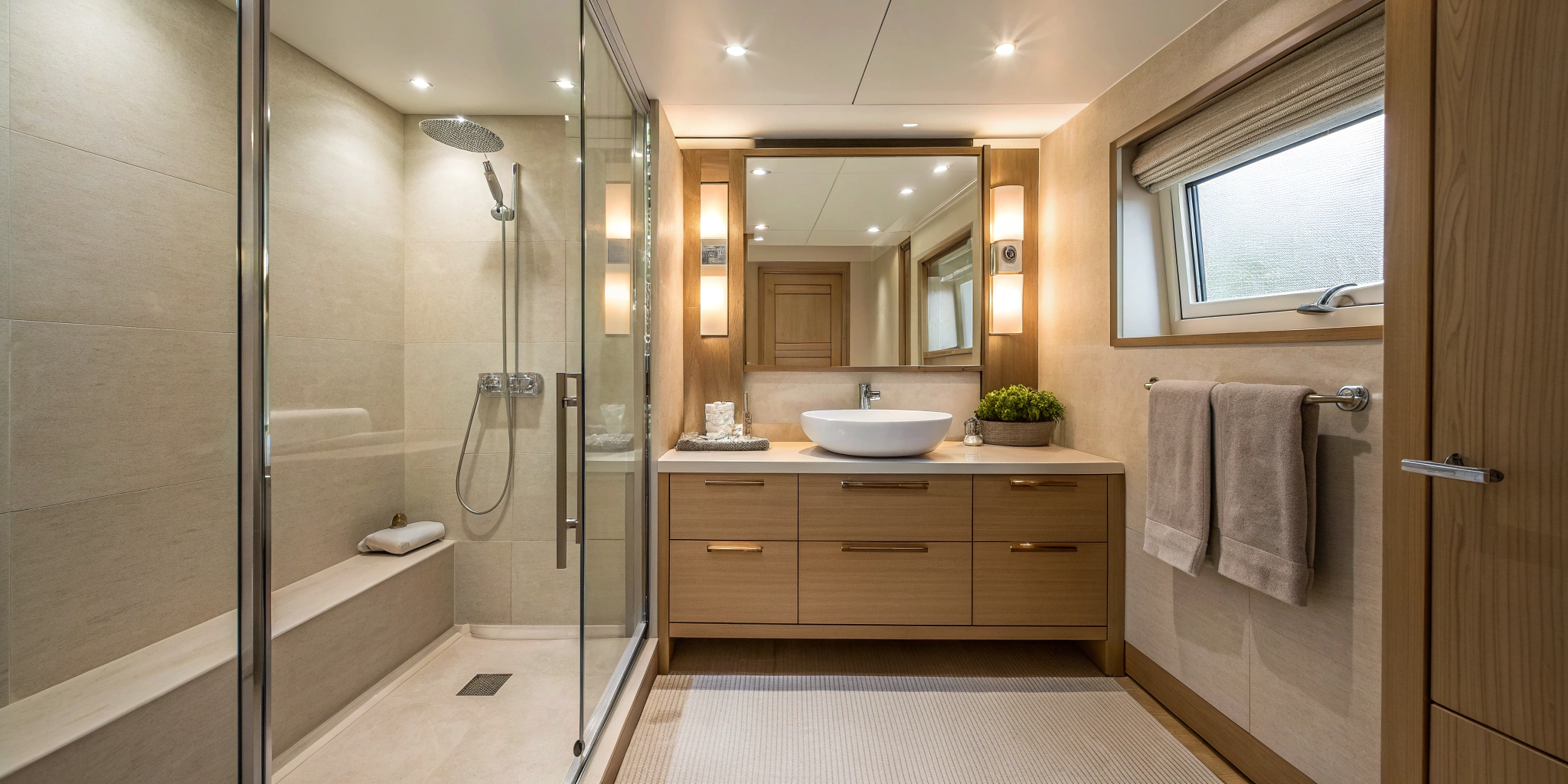
A small bathroom can feel like a daily puzzle you’re forced to solve. You sidestep the toilet, squeeze past the vanity, and bump your elbows in the shower. It doesn’t have to be this way. The secret to transforming a cramped space isn’t adding square footage—it’s mastering the small bathroom with shower layout. A thoughtful plan can make even the most compact room feel open, functional, and even luxurious. It’s about creating clear pathways and making every inch work for you, not against you. This guide will walk you through smart strategies for planning a layout that feels spacious and effortless.
Key Takeaways
- Start with a Strategic Layout: The best way to make a small bathroom feel larger is to plan for clear, open pathways. Use space-saving shower designs and thoughtful fixture placement to maximize every square inch and improve the room’s overall flow.
- Use Light and Materials to Your Advantage: Your design choices can create an illusion of space. Large-format tiles, a light color palette, and reflective surfaces like frameless glass and oversized mirrors will make the entire room feel brighter and more expansive.
- Choose Smart, Multi-Functional Storage: Eliminate clutter by selecting fixtures that do double duty. A floating vanity with drawers, recessed medicine cabinets, and built-in shower niches provide essential storage without taking up valuable floor space.
What Makes a Small Bathroom Layout Feel Spacious?
A small bathroom doesn’t have to feel cramped. With the right approach, even the most compact space can feel open, airy, and functional. The secret isn’t about knocking down walls; it’s about smart design that tricks the eye and makes every square inch count. A thoughtful layout considers not just where things go, but how you move through the space and how it feels from the moment you walk in. From the placement of the shower to the choice of vanity, every decision plays a role in creating a sense of spaciousness. It all starts with a solid plan and an understanding of how to create clear, unobstructed pathways.
The Basics of Smart Space Planning
A great layout is the foundation of any successful bathroom remodel. It’s about more than just fitting a toilet, sink, and shower into a tight spot; it’s about arranging them to support your daily routine. A good plan can make a small bathroom feel both functional and luxurious. Before you commit to a layout, think about your needs. Where will you stand when you get out of the shower? Is there enough room to comfortably use the sink without bumping into the door? Answering these questions helps create a floor plan that feels intuitive and effortless, turning a potential pain point into a peaceful, well-designed retreat.
How to Improve Traffic Flow
Clear pathways are essential for making a small bathroom feel larger. The goal is to minimize physical and visual obstructions. For example, choosing a clear glass shower enclosure instead of a curtain instantly removes a visual barrier, making the entire room feel like one continuous space. Similarly, a wall-mounted vanity or toilet frees up floor space, which not only makes cleaning easier but also creates an uninterrupted line of sight. Pay attention to door swings—both for the main entry and the shower—to ensure they don’t block access or make the room feel awkward. You can see how these principles work in our featured projects, where we prioritize flow and function.
4 Smart Layouts for a Small Bathroom with a Shower
Even a compact bathroom can feel luxurious and functional with the right shower layout. The key is to think strategically about every square inch. Instead of seeing walls as limitations, we see them as opportunities to create a space that feels open, intentional, and perfectly suited to your daily routine. A smart layout can transform a cramped bathroom into a comfortable retreat. Here are four of our go-to layouts for making the most of a small bathroom without sacrificing a great shower experience.
Tuck a Shower in the Corner
A corner shower is a classic space-saver for a reason. By fitting neatly into an underutilized corner, it frees up valuable floor space in the center of the room, making it easier to move around. This layout prevents the shower from dominating the room and helps the entire bathroom feel more open. Opting for a clear glass enclosure will enhance this effect, allowing light to pass through and preventing the space from feeling boxed in. It’s an efficient and elegant solution that works in almost any small bathroom remodeling project, maximizing both function and style.
Use an Alcove for a Seamless Look
If your bathroom has a natural nook or alcove—or if we can build one for you—it’s the perfect spot for a shower. An alcove shower is enclosed by three walls, meaning you only need a single glass door or panel to complete it. This creates a clean, streamlined look that feels integrated with the room’s architecture. It’s a fantastic way to contain water while maintaining a minimalist aesthetic. This design avoids protruding into the main bathroom area, preserving precious square footage and contributing to a calm, uncluttered atmosphere that feels both custom and intentional.
Open It Up with a Walk-In Shower
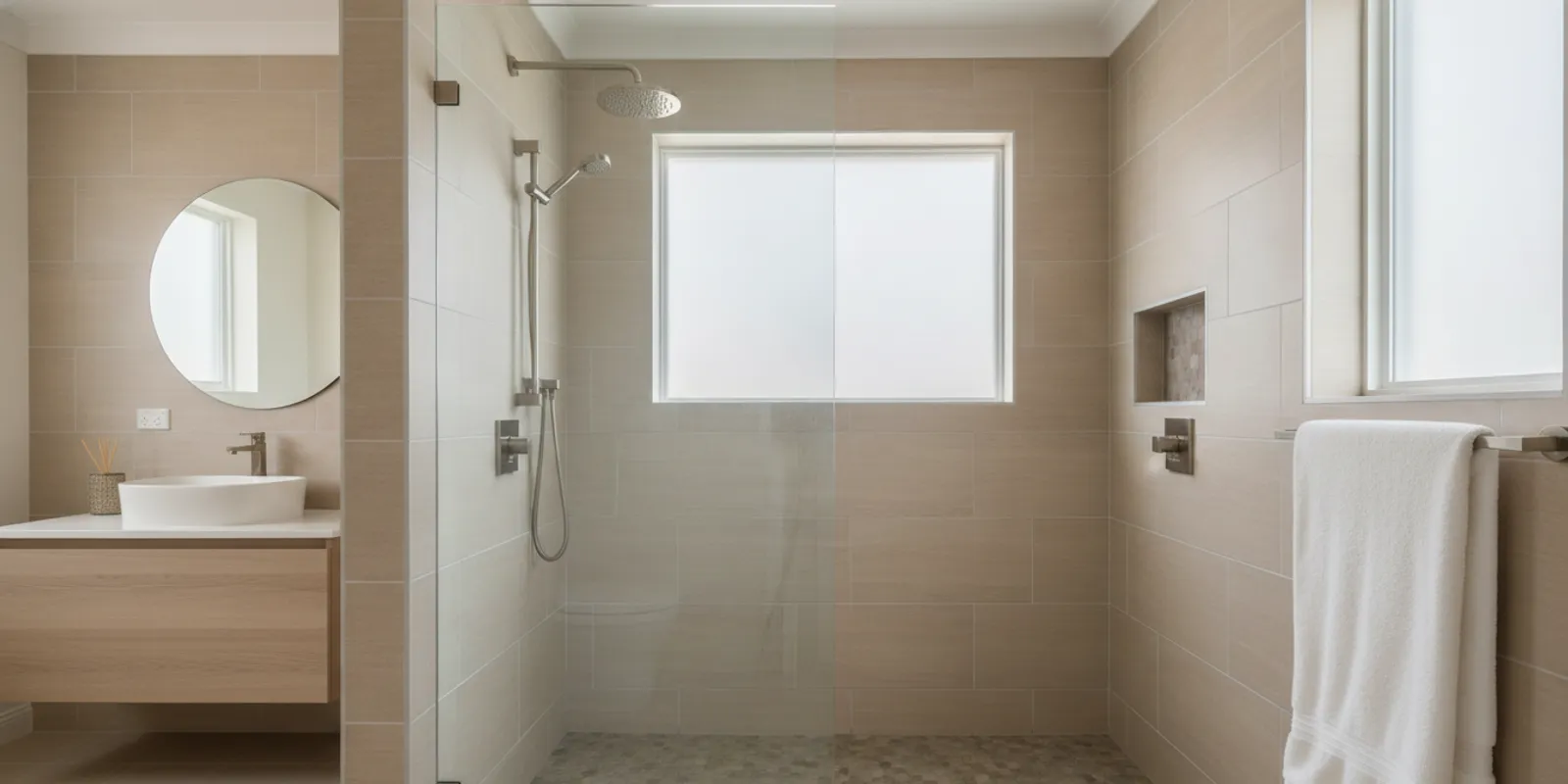
For the ultimate feeling of spaciousness, consider a walk-in shower. By eliminating the curb and often the door, you create a seamless transition from the rest of the bathroom floor right into the shower. This barrier-free design not only makes the room feel significantly larger but also adds a touch of modern luxury and improves accessibility. Using the same tile throughout the entire bathroom floor enhances this effect, tricking the eye into seeing one continuous, expansive space. You can see how we’ve used this technique in our past projects to completely transform compact bathrooms.
Save Space with a Neo-Angle Shower
A neo-angle shower is another clever corner solution, but with a twist. Instead of a square or rectangular base, it features a five-sided design with an angled door that clips the corner. This small adjustment makes a big difference in tight spaces by creating extra clearance and improving traffic flow around nearby fixtures like the toilet or vanity. It provides a comfortable amount of interior shower space without jutting out into the room. It’s a practical, problem-solving design that proves a thoughtful layout can overcome even the most challenging spatial constraints.
How Do You Maximize Storage in a Small Bathroom?
A small bathroom doesn’t have to feel cluttered. The secret to a serene, functional space lies in smart storage solutions that are integrated directly into your design. Instead of adding bulky furniture after the fact, planning for storage from the very beginning of your bathroom remodeling project ensures every inch is put to good use. By thinking creatively about walls, niches, and fixtures, you can create a bathroom that feels organized, open, and surprisingly spacious.
The key is to find clever ways to store your daily essentials—from towels and toiletries to cleaning supplies—without sacrificing precious floor space. A well-designed bathroom keeps everything you need within reach but neatly out of sight. Let’s look at a few proven strategies for maximizing storage and minimizing clutter.
Go Vertical with Your Storage
When floor space is limited, the only way to go is up. Using your walls for storage is one of the most effective ways to keep a small bathroom organized. Think about tall, narrow linen towers that draw the eye upward or floating shelves that provide a home for towels and decor without a heavy footprint. A recessed medicine cabinet is another classic choice, offering hidden storage behind a mirror while sitting flush with the wall. These solutions keep the floor clear, which not only makes the room feel larger but also simplifies cleaning. During the design phase, we help homeowners explore custom cabinetry and shelving options that fit their space and style perfectly.
Add a Built-In Shower Niche
Tired of tripping over shampoo bottles or dealing with a rusty shower caddy? A built-in shower niche is the elegant solution you’re looking for. This recessed shelf is built directly into the shower wall, creating a seamless and waterproof spot for all your soaps and toiletries. It’s a small detail that makes a huge difference in your daily routine, keeping everything organized and within arm’s reach. Because a niche needs to be planned and framed properly, it’s a feature best incorporated into a full remodel. You can even customize it with accent tile to add a pop of personality to your shower design.
Choose Fixtures That Do Double Duty
In a small bathroom, every item should earn its keep. Opting for fixtures that serve more than one purpose is a brilliant way to add function without adding clutter. For example, instead of a pedestal sink, choose a vanity with deep drawers or cabinet space below. A medicine cabinet can do more than just store toiletries; many models now include integrated lighting and hidden electrical outlets for charging toothbrushes and razors. Even smaller hardware can be multi-functional, like a toilet paper holder with a small, flat shelf for your phone. These thoughtful choices help create a streamlined space where everything has a purpose.
A Guide to Smart Fixture Placement
Once you have a layout in mind, the next step is placing your fixtures. In a small bathroom, every decision matters—where you put the toilet, vanity, and shower shapes the room’s entire flow and feel. Smart placement isn’t just about making sure everything fits; it’s about creating a space that feels intuitive, open, and easy to use. A well-placed fixture can make a compact room feel surprisingly spacious, while a poor choice can create awkward bottlenecks.
Thinking through these details is a core part of our design-build process, ensuring your new bathroom is as functional as it is beautiful. Let’s walk through how to position your key fixtures to get the most out of your square footage.
Find the Right Spot for Your Toilet
The placement of your toilet can significantly impact the overall flow and usability of the space. While it might not be the most glamorous part of your remodel, getting it right is essential. Ideally, the toilet shouldn’t be the first thing you see when you open the door. Tucking it beside the vanity or along a less prominent wall creates a more welcoming view.
Beyond aesthetics, there are practical codes to follow. Building regulations require specific clearances around the toilet for comfort and accessibility. Working with an experienced team ensures your bathroom remodel meets all San Diego codes, avoiding any frustrating surprises down the line. For an extra space-saving edge, consider a compact or round-front model, which can free up a few valuable inches of floor space.
Wall-Mounted vs. Floor-Mounted Fixtures
To create a more open feel, think about lifting your fixtures off the ground. Wall-mounted, or “floating,” vanities and toilets are fantastic choices for small bathrooms. By exposing more floor space underneath, they create an illusion of a larger room. This continuous flooring makes the bathroom feel less cluttered and visually expands the area. Plus, it’s a practical win—cleaning the floor is much simpler without obstacles.
While traditional floor-mounted fixtures are common, they can feel heavy and bulky in a tight layout. Opting for wall-mounted fixtures does require proper in-wall supports and plumbing adjustments, so it’s a decision best made early in the planning phase. This seamless look enhances the perception of a more expansive area, making your small bathroom feel airy and modern.
Select a Space-Saving Vanity
Choosing the right vanity is crucial to both functionality and aesthetics in a small bathroom. A bulky cabinet can quickly overwhelm the room, but a space-saving vanity can maximize floor space while providing essential storage. Floating vanities are a top contender, offering storage without the visual weight. Another great option is a narrow-depth vanity, which doesn’t project as far into the room, preserving a clear path.
If your layout is tricky, a corner vanity can turn an unused nook into a functional feature. You can explore different styles and configurations firsthand at our San Diego showroom to find the perfect fit. Remember, “compact” doesn’t have to mean sacrificing storage—look for models with deep drawers instead of cavernous cabinets to keep everything organized and accessible.
What Design Styles Work Best for Small Bathrooms?
Choosing the right design style is about more than just looks—it’s a strategic move to make your small bathroom feel open, airy, and intentional. While a smart layout provides the foundation, the aesthetic choices you make bring it to life. The most successful styles for compact spaces share a few key principles: they favor clean lines, embrace light color palettes, and use materials that reflect light rather than absorb it. This creates an illusion of space that makes the room feel larger and more comfortable.
Think of it as a visual deep breath for your bathroom. Instead of busy patterns and heavy colors that can make walls feel like they’re closing in, these styles create a calm, uncluttered atmosphere. From the sleek simplicity of modern design to the breezy feel of a coastal retreat, the right aesthetic can transform your small bathroom from cramped to curated. It’s about selecting elements that work together harmoniously, from the tile underfoot to the vanity and fixtures. Every choice contributes to the overall feeling of the room. Exploring different styles in our San Diego showroom can help you see and feel which direction is right for your home. Let’s look at a few popular styles that work wonders in tight quarters.
The Clean Lines of Modern Minimalism
If you believe that less is more, a modern minimalist style is the perfect fit for your small bathroom. This approach is all about simplicity and function, stripping away unnecessary clutter to create a serene and open environment. It focuses on strong, clean lines, geometric shapes, and a neutral color palette—think crisp whites, soft grays, and warm wood tones like oak. By keeping the design uncluttered, you allow the space to breathe and feel significantly larger. A floating vanity, for example, exposes more floor space, while handleless cabinets maintain a sleek, uninterrupted surface. You can see how we’ve applied these principles in our featured projects.
The Bright Feel of Scandinavian Design
Inspired by Nordic simplicity, Scandinavian design is a fantastic choice for making a small bathroom feel bright and welcoming. This style uses a foundation of light colors—primarily white—to maximize natural light and create an airy atmosphere. It also emphasizes natural materials, like light woods and stone, which add warmth and texture without overwhelming the space. Functionality is key, so every element has a purpose. Think simple, well-crafted fixtures, cozy textiles, and a focus on creating a space that feels both clean and comfortable. It’s a warm, inviting take on minimalism that turns any small bathroom into a peaceful escape.
The Fresh Look of Coastal and Contemporary
Drawing inspiration from our beautiful San Diego surroundings, a coastal or contemporary style can make a small bathroom feel fresh and expansive. Both styles rely on a light and breezy color palette of whites, beiges, and pale blues or grays to make the room look bigger and brighter. Coastal design often incorporates natural textures like woven baskets or light wood, while contemporary design leans into sleek materials and clean lines. A key element for both is the use of reflective surfaces. Large mirrors and frameless glass shower doors are essential, as they bounce light around the room and create a wonderful sense of openness for your bathroom remodel.
Materials That Make a Small Bathroom Look Bigger
The right layout is crucial, but your material choices play an equally important role in making a small bathroom feel open and bright. The textures, colors, and finishes you select can trick the eye, reflect light, and create a sense of calm instead of clutter. Choosing materials is one of the most exciting parts of a bathroom remodeling project, and it’s where a cohesive design plan really shines. By focusing on a few key principles, you can make even the most compact space feel expansive and inviting.
Why Large-Format Tile Works
When it comes to tile, bigger is often better for small spaces. Using large-format tiles on your floors and walls creates a seamless look by reducing the number of grout lines. Fewer lines mean less visual clutter, which helps the room feel more unified and spacious. Think of it as creating a clean, unbroken canvas. Whether you choose a sleek porcelain, a natural stone, or a textured ceramic, large tiles establish a sense of scale that makes the room feel grander than it is. Our design team can help you explore beautiful flooring and surface options that fit this strategy perfectly.
Use a Light and Airy Color Palette
Color has a powerful effect on our perception of space. To make a small bathroom feel larger, stick with a light and airy color palette. Light colors like soft whites, warm beiges, and pale grays are excellent at reflecting light, which instantly makes a room feel bigger and brighter. You can carry this palette through your tile, vanity, and wall paint to create a cohesive, serene atmosphere. Using the same light-colored tile on both the floor and the shower walls is another great trick—it blurs the lines between different zones, making the entire room feel like one continuous space.
Let Light In with Glass and Mirrors
One of the best ways to open up a small bathroom is to maximize light, both natural and artificial. Frameless glass shower doors are a game-changer because they eliminate the visual barrier of a shower curtain or a bulky framed door. This transparency allows your eye to travel to the back wall of the shower, making the entire room feel deeper. Mirrors work a similar magic; a large, well-placed mirror can reflect light and views, effectively doubling the sense of space. Combining a glass shower enclosure with a beautiful mirror is a simple but incredibly effective strategy for a brighter, more open bathroom.
Choosing a Shower Door for a Small Bathroom
The shower door might seem like a final detail, but in a small bathroom, it’s a major player. The right choice can make your space feel open, bright, and functional, while the wrong one can make it feel cramped and awkward. It’s not just about keeping water in; it’s about defining the room’s entire look and feel. Think of it as a transparent wall that can either shrink your space or expand it. From sleek frameless panels to clever sliding systems, the door you select will have a huge impact on your daily routine and the overall success of your bathroom remodeling project. Let’s walk through the best options that balance style with space-saving practicality.
The Benefits of Frameless Glass
If you want to create the illusion of more space, a frameless glass door is your best friend. These doors are made from thick, sturdy tempered glass and don’t require bulky metal frames around the edges. This minimalist design allows light to flow uninterrupted, which instantly makes a small bathroom feel brighter and more expansive. Without visual clutter, your eye sees one continuous space rather than a room broken up into smaller zones. This clean, modern look works with nearly any design style and helps enhance the overall aesthetic of your bathroom. It’s a simple swap that delivers a high-end, custom feel while making your layout work harder.
Consider a Sliding or Bifold Door
When floor space is at a premium, a swinging door can be a real problem, blocking access to the vanity or toilet. That’s where sliding or bifold doors come in. These designs glide along a track instead of swinging out, which means they don’t take up any extra room when you get in and out of the shower. Modern sliding doors have come a long way; today’s options are smooth, quiet, and stylish. Bifold doors fold inward, offering another great way to save space in a tight spot. You can explore different hardware and glass options at our San Diego showroom.
Should You Go with a Doorless Shower?
For the ultimate open-concept feel, consider a doorless, or walk-in, shower. This design completely removes the door, creating a seamless transition from the rest of the bathroom into the shower area. A walk-in shower can make a small room feel dramatically larger and more luxurious. This approach is also a great choice for accessibility, as it eliminates the curb or threshold. However, a successful doorless design requires careful planning. The floor must be properly sloped, and a smart drainage system is essential to contain water. You can see how we’ve designed beautiful and functional walk-in showers in some of our past San Diego projects. It’s a great way to create a seamless flow that makes the room feel more inviting.
What Common Mistakes Should You Avoid?
When you’re working with limited square footage, every decision counts. A small bathroom remodel leaves little room for error, and a few common missteps can quickly turn your dream space into a cramped and frustrating reality. From fixtures that overwhelm the room to materials that can’t handle the humidity, these mistakes are easy to make but just as easy to avoid with a bit of foresight.
The key is to plan for function and feel from the very beginning. It’s not just about what you put in the room, but how each element works together to create a cohesive, comfortable, and beautiful space. Thinking through potential pitfalls ahead of time saves you from headaches and costly changes down the road. An experienced design-build team can guide you past these common hurdles, ensuring your finished bathroom is exactly what you envisioned.
Choosing Fixtures That Are Too Big
One of the fastest ways to make a small bathroom feel tiny is by filling it with oversized fixtures. While a grand vanity or a sprawling tub might look beautiful in a showroom, they can completely overpower a compact space. As local design experts note, “Oversized fixtures can make the space feel cramped and uninviting, while appropriately sized fixtures can enhance the overall design and usability of the bathroom.” A bulky vanity can become a hip-bruising obstacle, and a large toilet can eat up valuable floor space. Instead, look for floating vanities, wall-mounted toilets, and slim-profile sinks that create an illusion of openness. Your bathroom remodeling plan should prioritize scale and proportion to maintain a comfortable flow.
Forgetting About Lighting and Ventilation
A small, dark bathroom is never inviting. Proper lighting and ventilation are critical, yet they’re often treated as an afterthought. This is especially true for powder rooms or bathrooms without windows. Neglecting these elements “can lead to a dark, unwelcoming atmosphere and can also contribute to moisture problems.” A single overhead light just won’t cut it. Instead, layer your lighting with sconces beside the mirror for shadow-free task lighting and a central fixture for ambient light. A high-quality, quiet exhaust fan is also non-negotiable. It protects your investment by preventing mold, mildew, and peeling paint, keeping the space fresh and healthy for years to come.
Picking the Wrong Materials
In a bathroom, your material choices are about more than just style—they’re about performance. The constant exposure to water and humidity means every surface needs to be durable and water-resistant. Cutting corners on waterproofing or choosing porous materials can “lead to leaks, mold, and expensive repairs within months.” It’s essential to select finishes that are built for a wet environment, like porcelain tile, quartz countertops, and high-quality cabinetry. Visiting a design showroom allows you to see and feel materials firsthand, so you can choose beautiful options that are also practical and long-lasting. This ensures your small bathroom not only looks great on day one but stands up to daily use.
Planning Your Remodel with a Professional
While picking out tile and dreaming of a spa-like shower are the fun parts of a remodel, the success of your project really hinges on what happens before the first hammer swings. A solid plan is the foundation for a bathroom that not only looks beautiful but also functions flawlessly for years to come. This is especially true in a small space, where every inch counts. Working with a professional team from the start helps you avoid common pitfalls, ensures the layout is safe and efficient, and turns your vision into a workable blueprint.
A professional plan considers everything from local building codes to the hidden plumbing and electrical systems behind your walls. It’s about creating a space that feels intuitive and comfortable, where the towel hook is exactly where you need it and the vanity drawer doesn’t block the doorway. Instead of guessing your way through complex decisions, you get a clear roadmap that covers every detail, giving you confidence and peace of mind. This thoughtful approach is what separates a stressful, problem-plagued renovation from a smooth and rewarding one.
Getting the Measurements and Codes Right
A great layout can make even the most compact bathroom feel open and luxurious. But achieving that requires more than just a good eye—it demands precision. A professional designer knows how to maximize every square foot, ensuring your new layout meets all San Diego building codes for clearances around toilets, sinks, and showers. They create detailed floor plans that account for traffic flow, door swings, and fixture placement. This careful planning prevents costly mistakes, like realizing your new vanity is too deep or the shower door can’t open fully. Following our process means every measurement is perfect before construction begins.
Mapping Out Plumbing and Electrical
What you can’t see is just as important as what you can. Moving a toilet or installing a new sconce involves complex plumbing and electrical work that must be done correctly to ensure safety and prevent future problems. An experienced remodeler will assess your existing systems, identify any potential issues like old pipes or outdated wiring, and map out a plan that integrates seamlessly with your new design. Tackling a full bathroom remodel without professional expertise can lead to leaks, code violations, and expensive repairs down the line. A pro ensures all work is done safely and built to last.
The Advantage of a Design-Build Team
Juggling a separate designer, contractor, and supplier can be overwhelming. A design-build firm brings everyone together under one roof, creating a single point of contact and a cohesive plan from start to finish. This integrated approach ensures your designer’s vision is perfectly executed by the construction team because they’re working together from day one. It streamlines communication, simplifies material selection, and keeps the project on schedule and on budget. With our design-build approach, you get a unified team dedicated to bringing your dream bathroom to life without the stress of managing multiple vendors.
Related Articles
- Remodel a Very Small Bathroom: The Ultimate Guide
- 36 Very Small Bathroom Ideas to Maximize Space
- 15 Small Bathroom Remodel Ideas for More Space
Frequently Asked Questions
Can I really make my bathroom feel bigger without moving walls? Absolutely. Major structural changes are rarely necessary to create a sense of space. The most effective transformations come from smart design choices. By using a layout that improves flow, selecting fixtures with a smaller footprint like a floating vanity, and choosing materials that reflect light, you can dramatically change how the room feels. It’s all about creating clear sightlines and reducing visual clutter, which tricks the eye into seeing a more open and airy environment.
Is a walk-in shower a good idea for a very small bathroom? A walk-in shower can be a fantastic choice for a small bathroom, as it creates a seamless, open look. However, it requires careful planning to work well. To prevent water from splashing everywhere, the design needs a properly sloped floor, an effective drain, and often a stationary glass panel. In extremely tight spaces, a corner shower with a clear glass door might be a more practical way to contain water while still achieving a spacious feel. We can help you determine the best solution based on your specific room dimensions.
Do I have to stick to an all-white color scheme to make the room feel larger? Not at all! While an all-white palette is a classic for a reason, it’s not your only option. The key is to use a light, cohesive color scheme. Soft grays, warm beiges, or pale blues can work just as well to reflect light and create an airy atmosphere. If you love a pop of color, consider using it as an accent in a shower niche or through your accessories. The goal is to maintain a unified look rather than breaking up the space with too many contrasting colors. Explore start with a layout consultation quote for more details.
How long does a small bathroom remodel typically take? The timeline for any remodel depends on the scope of work, but a complete small bathroom renovation usually takes a few weeks from demolition to the final touches. The planning and design phase, which happens before any construction begins, is the most important part. This is when we finalize the layout, order all your materials, and create a detailed schedule. A well-planned project with a design-build team helps ensure everything runs smoothly and avoids unnecessary delays.
What’s the first step in planning a remodel with your team? The first step is simply to have a conversation with us. We start with an initial consultation to understand your goals, your pain points with the current space, and your general style preferences. From there, we can discuss possibilities for your layout and budget. This initial meeting helps us create a clear path forward and is the foundation for the entire design and building process, ensuring the final result is a space you truly love.